The quest for a high-quality laptop often conjures images of hefty price tags, yet the market for devices under $500 has dramatically evolved, presenting consumers with a surprising array of capable machines. Far from being relegated to basic functionality, today’s budget laptops are delivering essential performance, impressive battery life, and even some premium features, making them viable options for students, casual users, and those seeking a reliable secondary device. This segment of the market demands realistic expectations, but with careful consideration, one can secure a device that excels at web browsing, document creation, media streaming, and general productivity without financial strain.
The Evolving Landscape of Affordable Computing

Historically, the sub-$500 laptop category was synonymous with significant compromises. Users often faced sluggish performance, dim displays, flimsy builds, and battery lives that barely lasted a few hours. However, advancements in component manufacturing, the optimization of operating systems like ChromeOS, and intense market competition have fundamentally reshaped this segment. Manufacturers are now able to integrate more efficient processors, better display technologies, and improved build materials while keeping costs down. This shift is particularly evident in the rise of Chromebooks, which, by leveraging cloud computing and a lightweight operating system, frequently offer superior value and performance compared to similarly priced Windows counterparts.
The year 2025 continues this trend, with budget models focusing on nailing core essentials and occasionally incorporating standout features. The critical differentiator often lies in battery endurance, a metric where many affordable laptops now rival or even surpass some premium offerings. This focus on longevity, coupled with increasingly robust designs, means consumers can expect a device that not only performs its intended tasks but also withstands the rigors of daily use for an extended period.
Key Considerations for the Budget-Conscious Buyer
Navigating the budget laptop market requires a discerning eye. To make an informed decision, prospective buyers should prioritize specific attributes that dictate a laptop’s overall utility and longevity.
- Budget and Value Proposition: While the goal is to stay under $500, understanding what components deliver the best value is paramount. Not all cheap laptops are created equal, and some may harbor hidden costs in terms of poor performance or short lifespan. Thorough reviews are indispensable for identifying models that make smart compromises.
- Operating System Choice: ChromeOS vs. Windows: This is arguably the most critical decision in the budget bracket. Chromebooks, running Google’s ChromeOS, often provide a snappier, more secure experience with less demanding hardware. They are ideal for cloud-centric workflows, web applications, and Android apps. Windows laptops, on the other hand, offer broader software compatibility but typically require more robust hardware for smooth operation, which can be a challenge at this price point. A sub-$500 Windows machine might struggle with anything beyond very light tasks unless equipped with surprisingly capable components.
- Processor and Performance: In this price range, expect to find Intel Core i3 (or older i5/i7 generations), Intel N-series, MediaTek Kompanio, or Qualcomm Snapdragon processors. For Chromebooks, even an Intel N-series or Snapdragon can deliver a fluid experience for daily tasks. For Windows, an Intel Core i3 or an AMD Ryzen 3 is generally the minimum recommended for a tolerable experience. Understand that intensive tasks like video editing or demanding gaming are largely outside the scope of these machines.
- RAM and Storage: 8GB of RAM is becoming the sweet spot for budget laptops, allowing for smoother multitasking. Storage often comes in the form of 128GB eMMC (embedded MultiMediaCard) or, less commonly, a faster SSD (Solid State Drive). While 128GB might seem limited, cloud storage integration (especially with Chromebooks) can mitigate this. For Windows users, 128GB eMMC can be a bottleneck, making an SSD crucial if available.
- Display Quality: Don’t expect 4K resolutions or professional-grade color accuracy. However, a 1080p (Full HD) display is increasingly common and desirable. Look for IPS panels for better viewing angles. Some exceptional budget models, like the Lenovo Duet 5 Chromebook, even offer OLED displays, providing vibrant colors and deep blacks typically reserved for premium devices. Brightness (measured in nits) is also important, especially for use in well-lit environments.
- Portability and Form Factor: Laptops under $500 typically range from 12 to 14 inches, striking a balance between screen real estate and portability. Traditional "clamshell" designs often offer better specs for the price. However, 2-in-1 convertibles (with 360-degree hinges) and detachables (like the Duet 5) offer tablet functionality, enhancing versatility for note-taking or media consumption, albeit sometimes with slight compromises in keyboard feel or overall bulk in tablet mode.
- Battery Life: A key indicator of a budget laptop’s utility. Aim for models that offer at least 10 hours of battery life on a single charge based on real-world testing. This ensures it can last through a workday or school day without needing to be tethered to an outlet.
Spotlight on Top Performers Under $500
Laptop Mag’s rigorous testing identifies several standout models that redefine expectations for affordable computing in 2025. These devices manage to balance cost-effectiveness with performance, design, and crucial features.
1. Lenovo IdeaPad Flex 5i Chromebook Plus: Best Overall Value
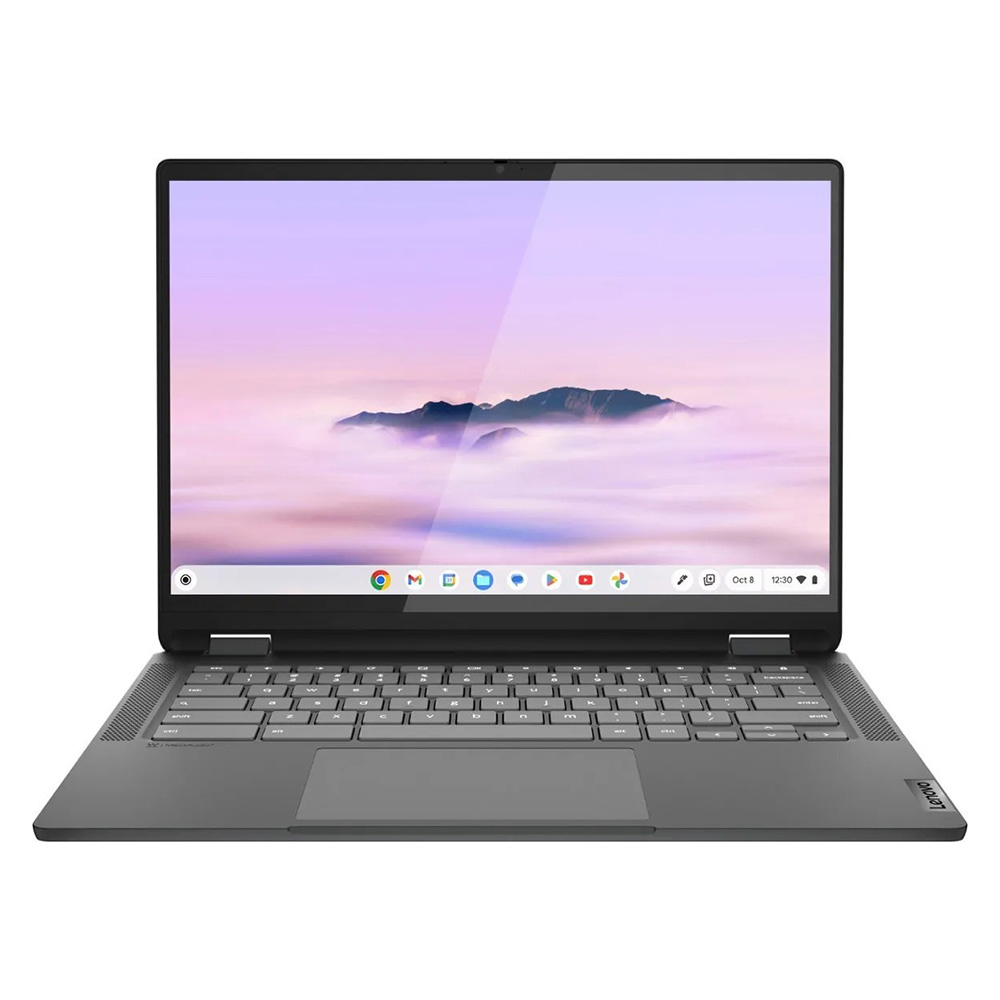
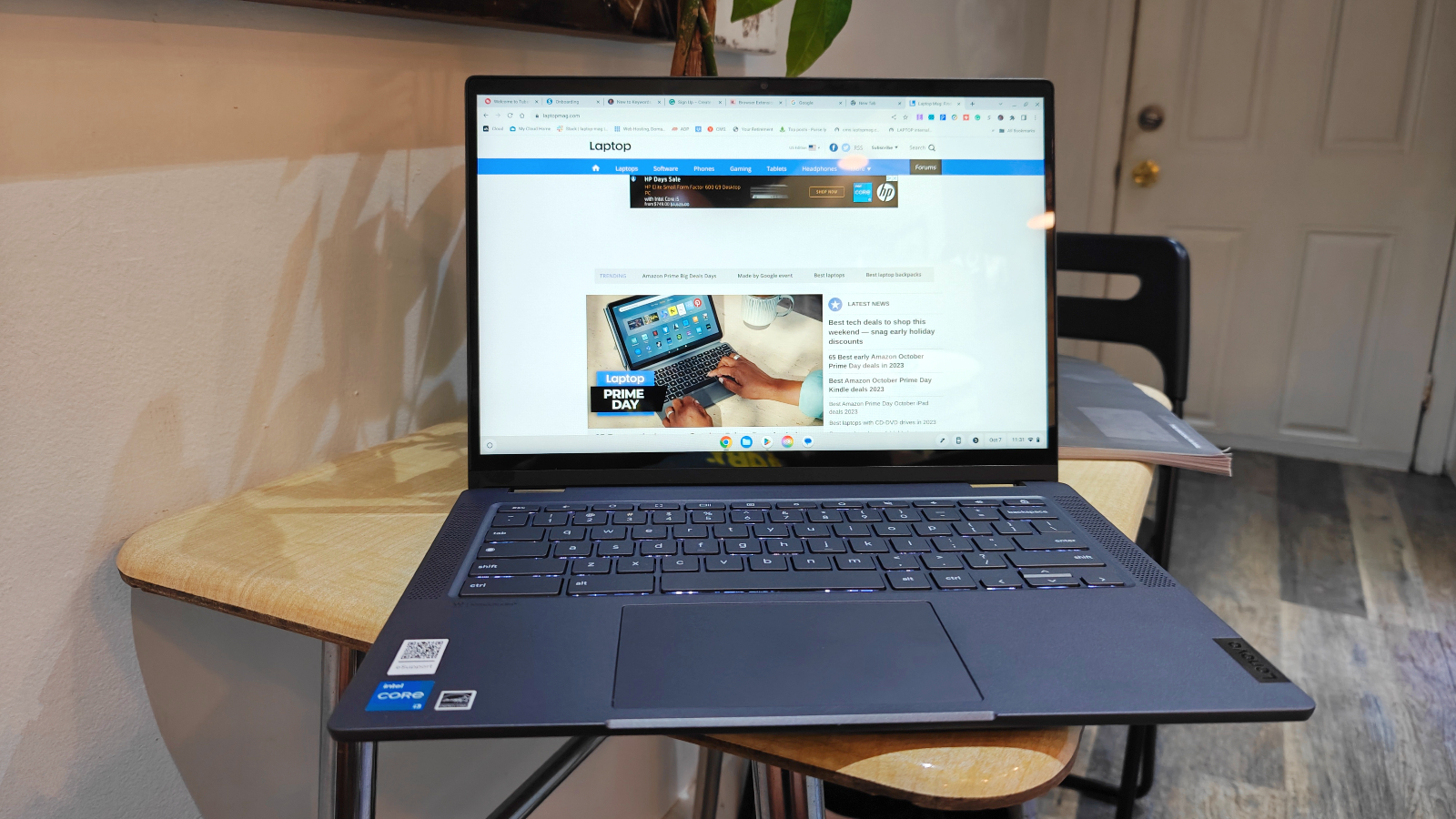
The Lenovo IdeaPad Flex 5i Chromebook Plus emerges as the top contender, offering a compelling blend of modern design and AI-infused performance. Priced just under $500, this 2-in-1 Chromebook defies the typical budget aesthetic, presenting itself with a sleek, premium look that belies its affordability.
Under the hood, it boasts an Intel Core i3-1315U processor paired with 8GB of RAM, a configuration that delivered a Geekbench 6 multi-core score of 5,384 in tests, comfortably exceeding the Chromebook average of 5,259. This performance ensures smooth multitasking and efficient handling of web-based applications, further enhanced by ChromeOS’s inherent optimizations. The 128GB eMMC storage is sufficient for cloud-centric usage.
Beyond raw power, the Flex 5i excels in user experience. Its keyboard is lauded for its responsiveness and tactile feedback, making extended typing sessions comfortable. The sturdy hinges allow for seamless transitions between laptop, tablet, tent, and stand modes. While its 14-inch, 1080p IPS touch display, with 46.5% DCI-P3 color gamut and 306 nits brightness, could be brighter, its 16:10 aspect ratio provides valuable vertical screen real estate for productivity. With nearly 10 hours of battery life, it’s a reliable companion for a full day of work or study.
2. Lenovo Duet 5 Chromebook: Exceptional Value Below $300
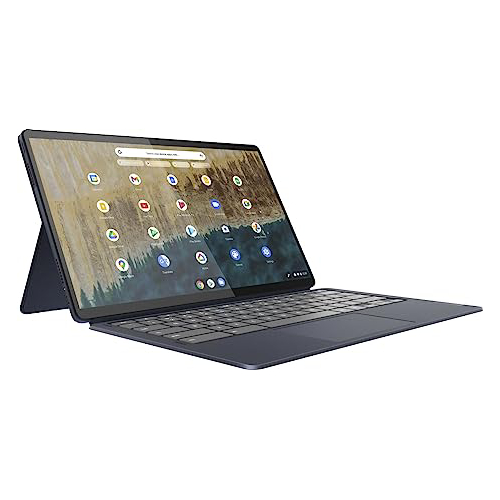
For those operating on an even tighter budget, the Lenovo Duet 5 Chromebook, typically found well under $300, remains an absolute champion. This detachable 2-in-1 device offers unparalleled versatility and a display quality rarely seen in this price segment.
Despite its Qualcomm Snapdragon 7c Gen 2 processor delivering a modest Geekbench 5 multi-core score of 1,727 (below the Chromebook average of 2,253), its efficiency is undeniable. The Duet 5 Chromebook’s crowning jewel is its 13.3-inch, 1920 x 1080 OLED display. Achieving 85.2% of the DCI-P3 color gamut and an average brightness of 361 nits, this screen delivers vivid colors and deep contrasts that rival premium laptops and even some dedicated media consumption devices.
Its battery life is phenomenal, lasting 13 hours and 31 minutes on a single charge, making it an ideal device for all-day use without concern for power outlets. The inclusion of both a keyboard and cover, unlike many pricier detachables, further solidifies its value proposition. While a stylus is not included, its combination of a stunning display, exceptional battery, and flexible form factor makes it an unbeatable choice for media consumption and light productivity under $300.
3. Lenovo IdeaPad Flex 5 14 (Intel): Robust Windows Option
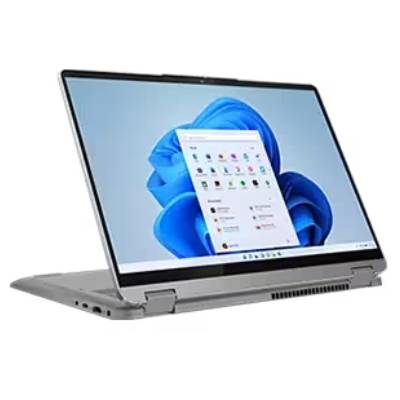
Finding a reliable Windows laptop under $500 is a formidable challenge, often fraught with performance pitfalls. The Lenovo IdeaPad Flex 5 14 (Intel) stands out as a rare exception, delivering a solid Windows experience without "combusting," as our reviewer notes.
Equipped with an Intel Core i5-1135G7 processor, 16GB of RAM, and a 512GB SSD, this configuration pushes the boundaries of the budget segment, although lower-spec models often fall within the sub-$500 range. Its Geekbench 5 multi-core score of 3,841 significantly surpasses the Chromebook average and other budget Windows machines, offering competent performance for everyday Windows applications.
The IdeaPad Flex 5 14 excels with its impressive battery life, logging over 14 hours of continuous web surfing, a remarkable feat for a Windows laptop at any price point, let alone under $500. The keyboard provides a comfortable typing experience with tactile feedback, essential for productivity. While its 12.3-inch, 2400 x 1600 IPS display, at 45% DCI-P3 and 200 nits, is dim and dull compared to its Chromebook counterparts, its overall package of solid performance, outstanding battery life, and comfortable input devices makes it the best Windows option available. Buyers may also find AMD Ryzen 3 models, which are expected to offer similar benefits.
4. Acer Chromebook Spin 312: Best for Students
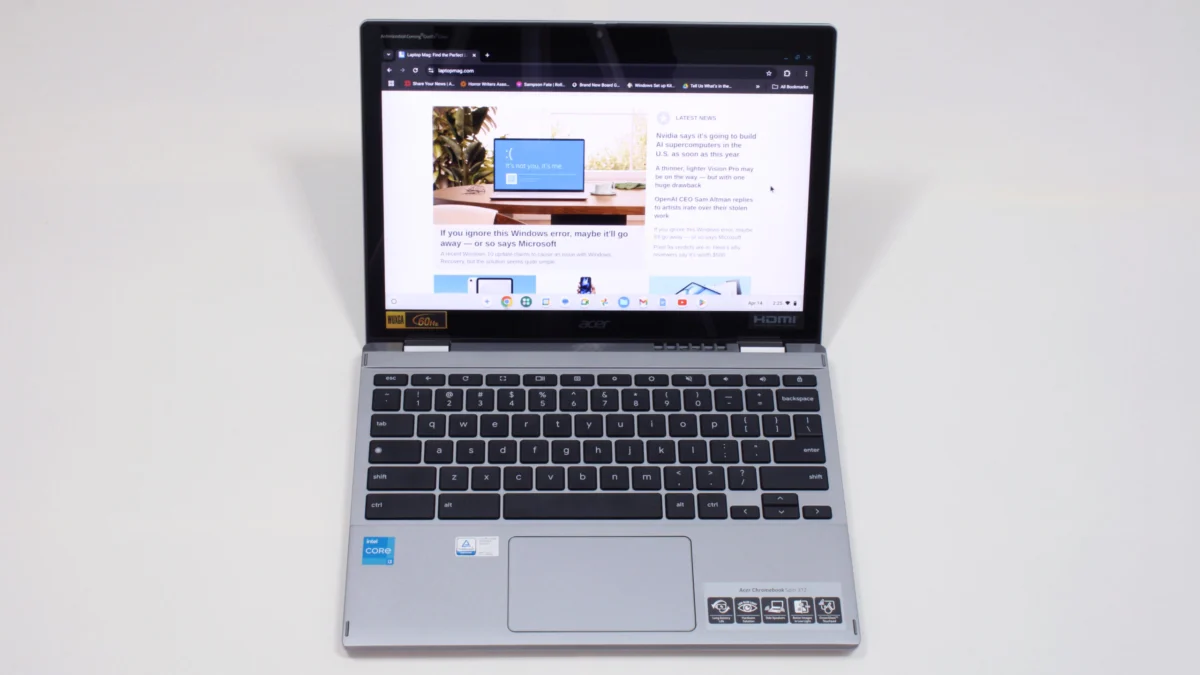
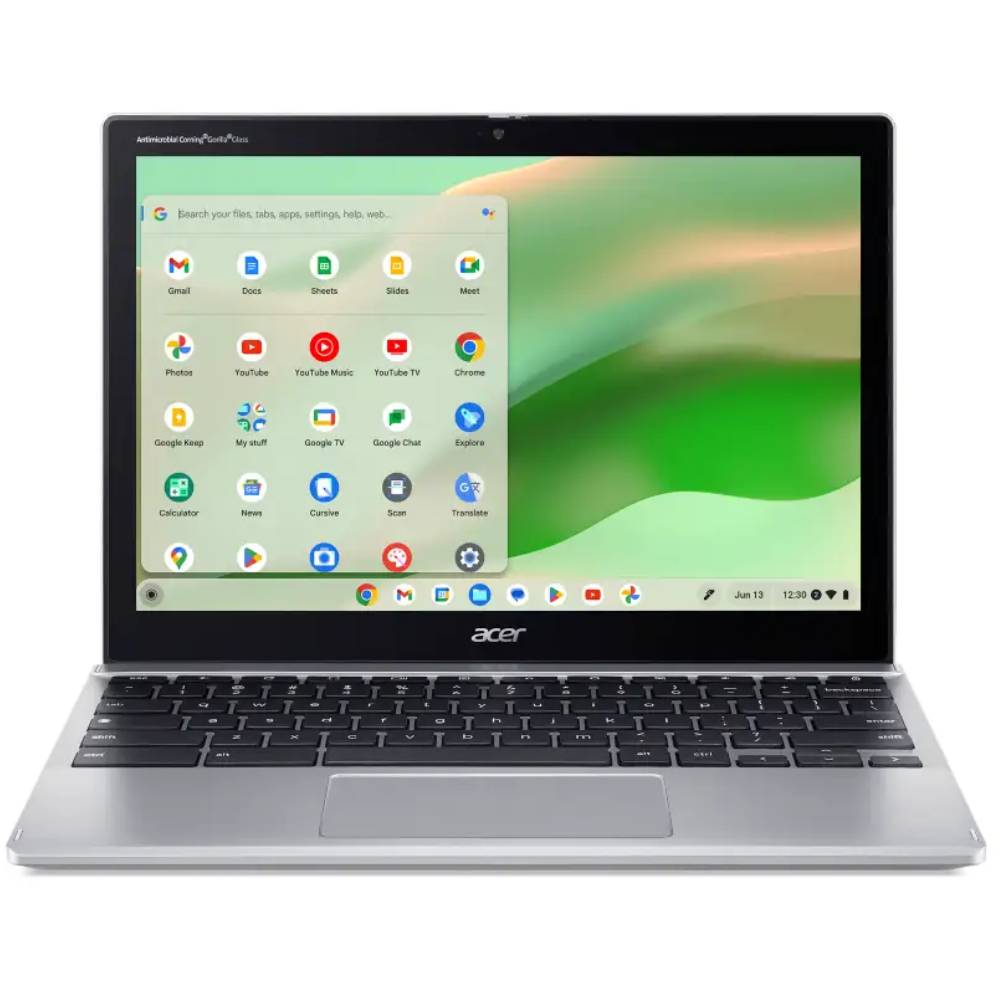
The Acer Chromebook Spin 312 is tailored perfectly for the academic environment, offering a robust and aesthetically pleasing solution for students. Its silver-coated chassis gives it a more expensive appearance than its ~$450 price tag suggests, and at just under 3 pounds, it’s exceptionally portable for carrying between classes.
Powered by an Intel Core i3-N305 processor with 8GB RAM and 128GB eMMC storage, the Spin 312 achieved a Geekbench 6 multi-core score of 4,477, ensuring smooth performance for schoolwork, research, and online learning platforms. Its battery life of 10 hours and 33 minutes guarantees it can last through a full school day and beyond.
Unique features enhance its appeal: Acer’s OceanGlass touchpad offers an exceptionally smooth tracking experience, often surpassing those found on more expensive laptops. The 12.2-inch, 1920 x 1200 IPS touch display is protected by Corning Gorilla Glass, which, despite a DCI-P3 coverage of 55% and 277 nits brightness, makes colors appear more vivid and contrasts more dramatic due to the coating. As a 2-in-1 device, it provides the flexibility for both traditional typing and stylus-based note-taking, adapting to various learning styles. While the audio is somewhat shallow and keycaps thin, these are minor tradeoffs for its overall value and student-friendly design.
Industry Trends and Market Dynamics Shaping Budget Laptops
The competitive landscape among major manufacturers like Lenovo, Acer, Dell, and HP is a primary driver for the improved quality of budget laptops. Brands are constantly innovating to capture market share, leading to a trickle-down effect of technology from premium models to more affordable ones. For instance, the inclusion of OLED screens or advanced processors in sub-$500 devices was unimaginable a few years ago.
Economic factors also play a significant role. Global supply chain efficiencies, the decreasing cost of certain components, and the widespread adoption of cloud-based services contribute to lower manufacturing costs. Furthermore, major sales events such as Black Friday and Cyber Monday are critical for consumers to secure even better deals, often pushing already affordable models to unprecedented price points. "These sales windows are crucial," comments Joanna Nelius, contributing writer to Laptop Mag, "as they allow consumers to snag a device with specifications that might otherwise be just out of reach, essentially getting a premium budget laptop for an ultra-budget price." However, potential tariff hikes on electronic goods could disrupt this favorable pricing trend, potentially making quality sub-$500 laptops harder to find in the future.
The Rigor of Evaluation: Laptop Mag’s Testing Protocol
Laptop Mag’s recommendations are built upon a foundation of extensive and transparent testing. Each laptop undergoes a dual-phase evaluation process comprising both synthetic benchmarks and real-world application tests to provide a comprehensive assessment of its capabilities.

- Synthetic Benchmarks: Tools like Geekbench 5 and 6 measure raw CPU performance, while 3DMark assesses integrated graphics capabilities. These benchmarks provide objective, comparable data points on a laptop’s processing power.
- Display Analysis: A Klein K10 colorimeter is used to precisely measure display brightness (in nits) and DCI-P3 color gamut coverage, ensuring accurate reporting of visual fidelity.
- Real-World Performance: To simulate everyday usage, laptops are tasked with converting a 4K video to 1080p resolution and duplicating a large 4.97GB multimedia file, revealing their efficiency in handling practical workloads. Gaming performance, while not a primary focus for budget models, is tested using the Sid Meier’s Civilization 6 Gathering Storm benchmark at medium settings and 1080p resolution, providing insight into graphical prowess.
- Battery Life: One of the most critical tests, continuous web surfing over Wi-Fi at 150 nits of brightness, determines real-world battery endurance. For budget laptops, a runtime exceeding 10 hours is considered excellent, allowing users to remain unplugged for extended periods.
- Thermal Management: Heat tests involve playing a 15-minute full-screen video and measuring temperatures across various points of the laptop to ensure comfortable operation, with a 95-degree Fahrenheit comfort threshold.
Following these rigorous lab tests, each laptop is handed over to expert reviewers for an in-depth, hands-on evaluation. Reviewers integrate the laptop into their daily workflows for several days, performing tasks such as writing, editing, video conferencing, and media streaming. This combination of objective data and subjective user experience ensures a well-rounded, honest, and reliable perspective on every laptop reviewed by Laptop Mag.
Addressing Consumer Concerns: FAQs and Longevity
Q: Are budget laptops worth it?
A: Absolutely, if expectations are realistic. For tasks like email, web browsing, video streaming, and document creation, today’s budget laptops, particularly Chromebooks, offer surprising quality with snappy processors, comfortable keyboards, and vibrant displays. However, it’s vital to research specific models, as not all budget laptops offer good value. As Rami Tabari, Laptop Mag reviews editor, aptly points out, "There are hidden costs to cheap laptops if you pick the wrong one. Longevity, particularly battery life and future-proofing through adequate specs, is key to truly getting your money’s worth."
Q: Are laptops getting cheaper?
A: The average price of laptops has remained relatively stable over recent years, but their quality has significantly improved within existing price brackets. This means consumers are getting more for their money. However, external factors like tariffs can impact pricing. For instance, past tariff discussions and potential future hikes could lead to increased prices, making the sub-$500 category more challenging to navigate for quality devices.
Q: When are laptops cheapest?
A: The most opportune times to purchase laptops are typically during major sales events such as Black Friday and Cyber Monday, where retailers and manufacturers offer significant discounts. Beyond these periods, many companies provide deals throughout the year, so keeping an eye on dedicated deals pages can often yield good results. Seasonal sales, like back-to-school promotions, can also be beneficial for students seeking affordable devices.
In conclusion, the sub-$500 laptop market in 2025 is more vibrant and competitive than ever before. With strategic choices and a clear understanding of personal needs, consumers can find robust, reliable, and surprisingly capable devices that empower productivity and entertainment without demanding a premium price. The emphasis on battery life, the growing prowess of ChromeOS, and continuous technological refinements mean that value no longer necessitates severe compromise.