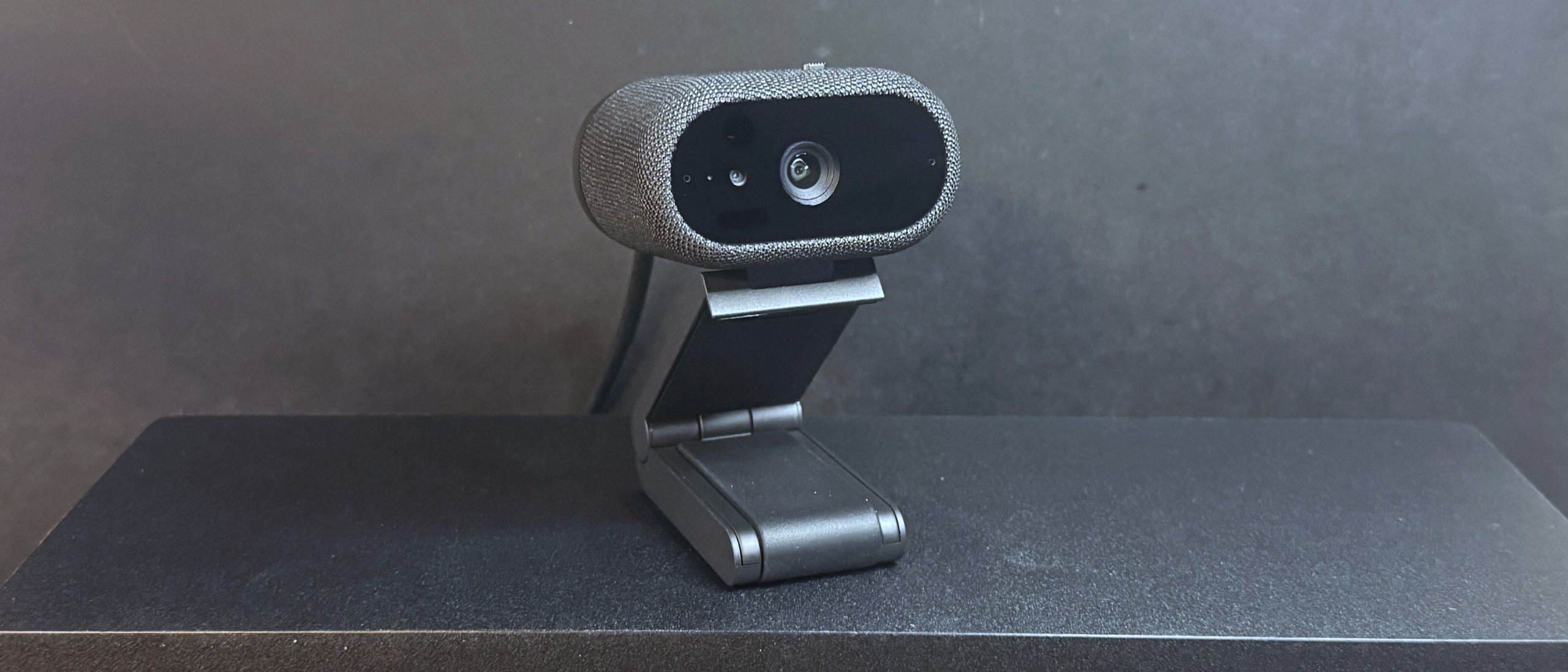
The peripheral market continues to evolve at a rapid pace, prioritizing compactness, affordability, and high-speed data transmission over bulky designs. Dell has entered this competitive landscape with its newest high-end peripheral, the Dell Pro 7. Designed to capture ultra-high-definition video at demanding frame rates, the camera enters a crowded marketplace dominated by established contenders from brands like Logitech and Insta360. Positioned at a premium price point of $199.99, the device aims to bridge the gap between casual video conferencing and professional-grade content creation. However, questions remain regarding whether the average professional can fully utilize its high-end specifications given current software limitations.
Main Facts and Core Specifications
The Dell Pro 7 is engineered as a compact imaging solution capable of streaming video at a maximum resolution of 4K at 60 frames per second (fps). While this specification exceeds the standard requirements for typical corporate video calls, it aligns with modern trends in consumer hardware where high frame rates are increasingly marketed as a standard feature.
Beyond its raw video capture capabilities, the peripheral integrates several advanced hardware and software features designed to enhance user convenience and security. Key functionalities include:
- Windows Hello Compatibility: Infrared sensors allow for secure, biometric facial recognition login on Windows-based systems.
- Presence Detection: The camera can intelligently detect when a user is near or away from the workstation, automatically locking or waking the system to conserve power and protect privacy.
- Smart Image Enhancements: Onboard processing helps adjust exposure, contrast, and framing in dynamic lighting environments.
- Built-in Dual Beam-Forming Mics: A specialized microphone array designed to isolate the user’s voice while minimizing background ambient noise.
Priced at $199.99, the Dell Pro 7 faces direct competition from established flagships such as the Logitech MX Brio and the Insta360 Link 2 4K, both of which occupy a similar pricing tier and target the same demographic of power users, remote professionals, and content creators.
The Evolution of High-Resolution Webcams
The introduction of 4K webcams represents a significant shift from the standard 720p and 1080p cameras built into most laptop lids. Over the past five years, the sudden surge in remote work, hybrid office models, and digital content creation catalyzed a massive demand for superior desktop video equipment.
Historically, integrated laptop webcams suffered from poor low-light performance and limited sensor sizes. Standalone USB webcams filled this gap, initially offering reliable 1080p resolution. As sensor technology improved and manufacturing costs declined, manufacturers began pushing 4K resolution into standalone peripherals. However, a persistent technical bottleneck has remained: standard video conferencing platforms—including Microsoft Teams, Zoom, and Google Meet—frequently compress outgoing video streams to 1080p or lower to conserve bandwidth across global networks.
Consequently, the utility of a 4K / 60fps stream is often limited unless the user is recording directly to local storage, broadcasting via specialized streaming software, or utilizing digital pan-tilt-zoom (PTZ) features that crop into the high-resolution sensor without losing image clarity.
Chronology and Market Positioning
Dell’s release of the Pro 7 follows a multi-year trajectory of the company refining its accessory ecosystem to match its enterprise and consumer laptop lineups. Over the last decade, peripheral design has shifted from utilitarian office tools to sleek, lifestyle-oriented tech accessories.
- Early Era: Basic VGA and 720p webcams bundled into displays or sold as simple plug-and-play USB devices.
- The Remote Work Boom (2020–2022): Unprecedented demand led to a global shortage of webcams, prompting manufacturers to fast-track higher-resolution sensors and improved autofocus systems.
- The Professionalization Phase (2023–Present): Brands began integrating artificial intelligence for framing, automated background blur, and advanced audio filtering, turning webcams into smart devices rather than mere image sensors.
By entering the market with the Pro 7 at the $199.99 price point, Dell is directly challenging competitors who have spent years building brand loyalty in the standalone creator space. While Logitech and Insta360 have strong footholds in software customization and physical gesture controls, Dell relies on its deep integration with enterprise infrastructure and hardware reliability to attract enterprise buyers.
Industry Implications and Technical Analysis
The release of the Dell Pro 7 highlights a broader industry trend: the convergence of enterprise security features and high-end consumer technology. By incorporating Windows Hello and presence detection directly into the webcam housing, Dell provides a streamlined solution for organizations that prioritize workstation security. This reduces the need for separate biometric peripherals or complex software deployments.
Furthermore, the inclusion of high-quality dual beam-forming microphones addresses one of the most common criticisms of standalone webcams. Historically, built-in webcam microphones have been viewed as a backup option, prompting users to invest in dedicated desktop USB microphones or headset boom mics. If the acoustic performance of the Pro 7 lives up to testing standards, it could reduce desktop clutter for remote workers who prefer a minimalist workspace setup.
However, the primary challenge for the Dell Pro 7 lies in consumer education and software ecosystem maturity. Buyers must weigh whether the high frame rate and smart features justify the investment, especially when competing products offer similar specifications with distinct software ecosystems.
Broader Impact on the Peripherals Market
As the market for remote and hybrid work technology matures, manufacturers are under increasing pressure to differentiate their products beyond raw megapixel counts. The Dell Pro 7 exemplifies this shift by emphasizing integrated software capabilities, security protocols, and acoustic performance alongside traditional video metrics.
For enterprise buyers, standardized accessories that combine video, audio, and security into a single USB connection simplify IT deployment and inventory management. For individual creators and remote professionals, the availability of multiple high-end alternatives ensures continued innovation and competitive pricing in the high-definition peripheral category. As video conferencing software updates to better support higher bitrates and resolutions in the future, hardware such as the Dell Pro 7 ensures that users are equipped for the next generation of digital communication.