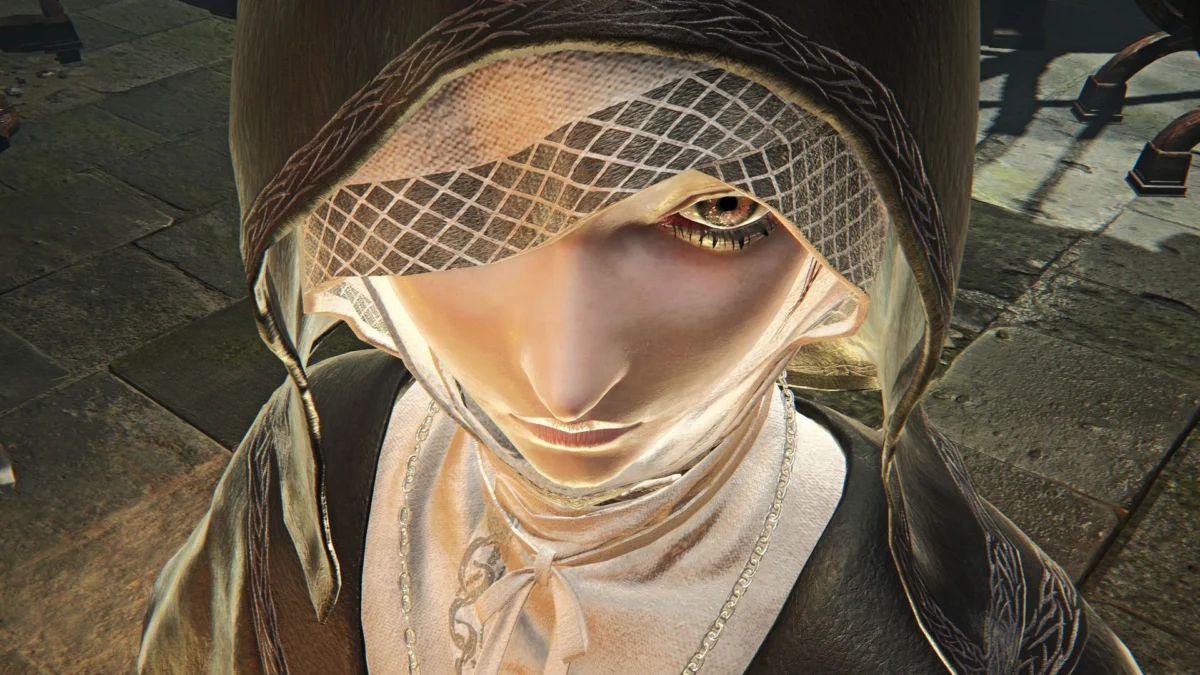
The modding community for the game titled Elden Ring Nightreign has achieved a significant milestone in environmental integration, as creator Doneda has successfully ported the iconic Frozen Eleum Loyce and the notorious Frigid Outskirts from Dark Souls 2 into the current engine. This modification represents an ambitious intersection of FromSoftware’s architectural history and the modern modding capabilities currently surrounding the Nightreign ecosystem. By isolating these expansive, frost-laden regions, the mod offers players a novel way to traverse one of the most polarizing yet critically acclaimed expansions in the studio’s history.
A Legacy of Architectural Preservation
The Frozen Eleum Loyce, originally introduced in the "Crown of the Ivory King" DLC for Dark Souls 2, is widely regarded by franchise veterans as a masterclass in level design. It stands in stark contrast to the base game’s often-criticized layout, featuring verticality, environmental storytelling, and a sense of discovery that many argue served as a precursor to the design philosophy seen in later titles like Bloodborne and the Dark Souls 3 expansions.
Doneda, a developer who has gained prominence within the community for technical forensic work on FromSoftware’s assets, has previously made headlines by unearthing and restoring cut content. Most notably, their work on the "Lost Sewers" map of Dark Souls 2 provided a rare, behind-the-scenes look at the iterative development process of the studio’s most divisive entry. This latest project—the importation of Eleum Loyce into Nightreign—is not merely a visual port; it involves recontextualizing the original level’s geometry to fit within the unique gameplay loops and engine parameters of the Nightreign environment.
Technical Implementation and Requirements
To achieve this level of integration, the mod utilizes the Mod Engine 3 utility, which has become the industry standard for managing assets and overrides in FromSoftware-adjacent titles. The port functions as a standalone map, meaning it is treated as a discrete environmental package rather than a simple texture overlay.
For users seeking to experience the snowy expanse, the installation process requires strict adherence to the Mod Engine 3 configuration. Because Nightreign itself is a community-driven iteration of the base game, the stability of these mods depends heavily on the compatibility layers provided by the core engine utility. Doneda has documented the process extensively, and the release on the Nexus Mods platform marks a significant expansion for the Nightreign mod library, which has been rapidly growing in both technical complexity and scale.
The Significance of the "Crown of the Ivory King"
To understand the significance of this mod, one must look at the historical context of the "Crown of the Ivory King" expansion. Released in 2014, it was the final entry in the trilogy of DLC packs for Dark Souls 2. At the time, the reception to the base game was fractured; while praised for its PvP mechanics and build variety, many critics felt the world design lacked the interconnected elegance of the original Dark Souls.
The three DLC packs—Crown of the Sunken King, Crown of the Old Iron King, and Crown of the Ivory King—were widely credited with salvaging the reputation of the title. They introduced multi-layered, complex environments that encouraged exploration and rewarded player curiosity. The Frigid Outskirts, in particular, became a legendary test of player endurance, known for its extreme visibility challenges and punishing enemy encounters. By bringing these environments into a more modern engine, the mod effectively allows a new generation of players to engage with content that defined the "Golden Age" of FromSoftware’s DLC release schedule.
Community Impact and the Modding Ecosystem
The Nightreign modding scene has become a hub for developers and players alike to extend the lifecycle of the base title. The release of this map is part of a larger, ongoing effort by the community to address the relative scarcity of official content updates. With the industry trend shifting away from long-term, iterative live-service support for single-player-focused titles, players have increasingly turned to community developers to fill the void.
Official sources have remained largely silent on the specific development of future titles, leaving the community to speculate on the trajectory of the studio. In the absence of official updates, modders have stepped in to create "what-if" scenarios. Projects like the expansion of Seamless Co-op, which now supports up to six players, and the integration of weapon sets from across the Soulsborne catalog, highlight a desire for a more expansive, collaborative experience.
Broader Implications for Game Preservation
The technical achievement of porting a map from a 2014 title into a modern, modified environment raises interesting questions about the future of game preservation. As official servers for older titles inevitably decline in traffic and support, the work performed by independent developers like Doneda serves as a bridge, ensuring that the legacy of earlier design work is not lost to technological obsolescence.
From a development perspective, the ability to repurpose assets—specifically the "mini open-world" design of the Frigid Outskirts—to mimic the scale of newer games demonstrates the flexibility of FromSoftware’s underlying architecture. The way the map has been adapted to include the underground arena where players face the Burnt Ivory King showcases a sophisticated understanding of level pacing and narrative flow.
Future Outlook and Support
Doneda has indicated that the Frozen Eleum Loyce port is merely the beginning of their plans for Nightreign. The roadmap for future maps remains flexible, but the positive reception suggests that there is a significant appetite for high-fidelity environment ports. For those interested in the technical minutiae of these projects, the developer maintains an active presence on YouTube and utilizes platforms like Ko-fi to sustain their work.
While the "Deep of Night" update for Nightreign brought new life to the game, it also sparked debate regarding the balance of difficulty and the direction of the community-led project. Critics of the update noted that while the new boss encounters—such as The Balancers and Libra—were impressive, the game’s overall difficulty curve occasionally leaned into "artless" territory. Despite these criticisms, the agility of the modding community ensures that if a specific aspect of the game is found wanting, a community-driven solution is rarely far behind.
The current state of the Nightreign ecosystem is one of transition. As the community continues to refine its tools and expand its map library, the boundaries between official content and fan-made modifications are becoming increasingly porous. Whether or not the developers of the base game decide to pivot back toward active support, the work being done on projects like the Eleum Loyce port ensures that the player base remains engaged, challenged, and connected.
In summary, the release of the Frozen Eleum Loyce for Nightreign is a testament to the dedication of the modding community. It provides a bridge to the past, a challenge for the present, and a blueprint for how technical enthusiasts can contribute to the longevity of the titles they enjoy. As the community moves forward, the focus will likely remain on technical integration, asset fidelity, and the preservation of the unique atmosphere that has come to define the genre. For players and developers alike, the future of the Nightreign modding scene is one of both innovation and nostalgia, proving that even years after a game’s release, the story is never truly over.