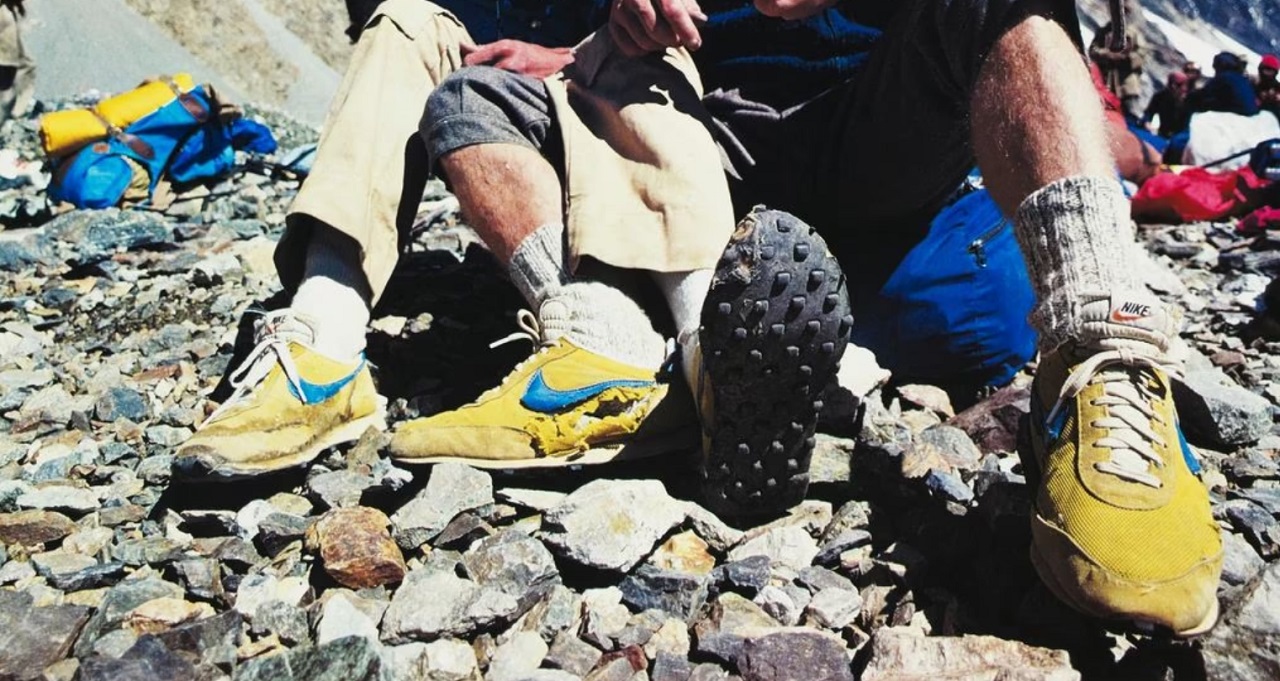
There is a photograph that explains Nike ACG better than any lookbook ever has. Two men sit at the foot of K2, their faces lean after 68 days on the mountain, snow-streaked ridgelines rising formidably behind them. On their feet are yellow Nike running shoes, utterly torn to bits. One of the men has a thumb raised to the camera in a defiant gesture of survival. Those shoes were a last-minute gift for the long walk in, provided by a young Oregon company that was not yet operating in the outdoor business. That was 1978, and those footwear items accidentally laid the groundwork for a cult brand that evolved, inspired, and, for a long stretch, faded into something of a ghost. Now, as the brand attempts to claw its way back into the authentic outdoor performance space, it faces a challenge far harder than its marketing implies.
A Humble Footwear Gift for a Brutal Mountain Approach
By 1978, the notoriously dangerous peak of K2 had been summited exactly twice. An Italian expedition reached the top in 1954, followed by a massive Japanese effort in 1977. American mountaineers had attempted the climb four times since 1938 and failed each time, earning the peak the bitter moniker of the American mountain. The 1978 expedition was led by Jim Whittaker, the first American to summit Everest and the head of REI at the time. Whittaker had turned back at 22,000 feet on K2 in 1975, a failure that continued to haunt him.
Whittaker assembled a team of 14, largely comprising Seattle-based climbers, who funded their endeavor by cold-calling corporate brands. One of the companies that agreed to support them was a fast-growing athletic footwear brand from Beaverton, Oregon: Nike.
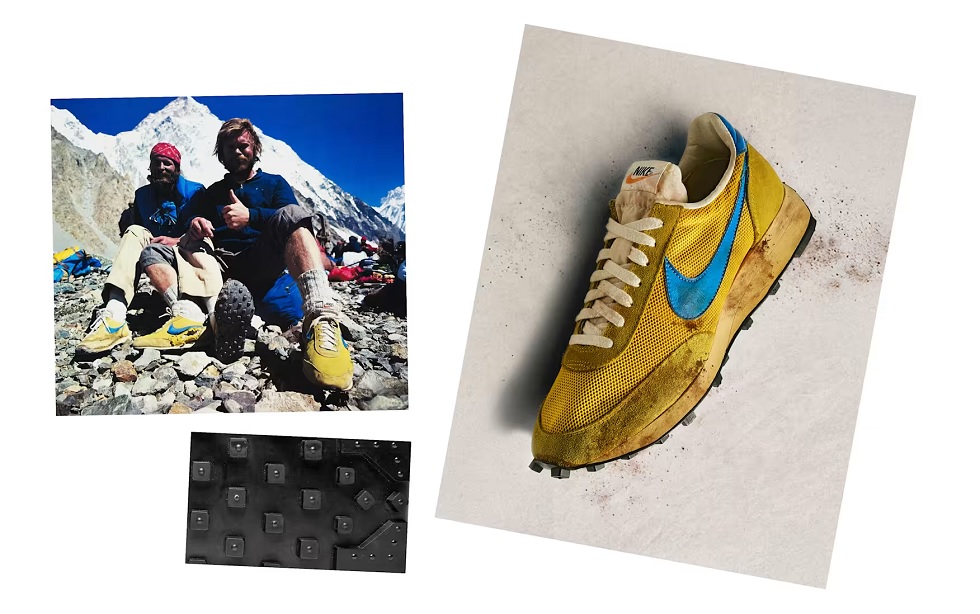
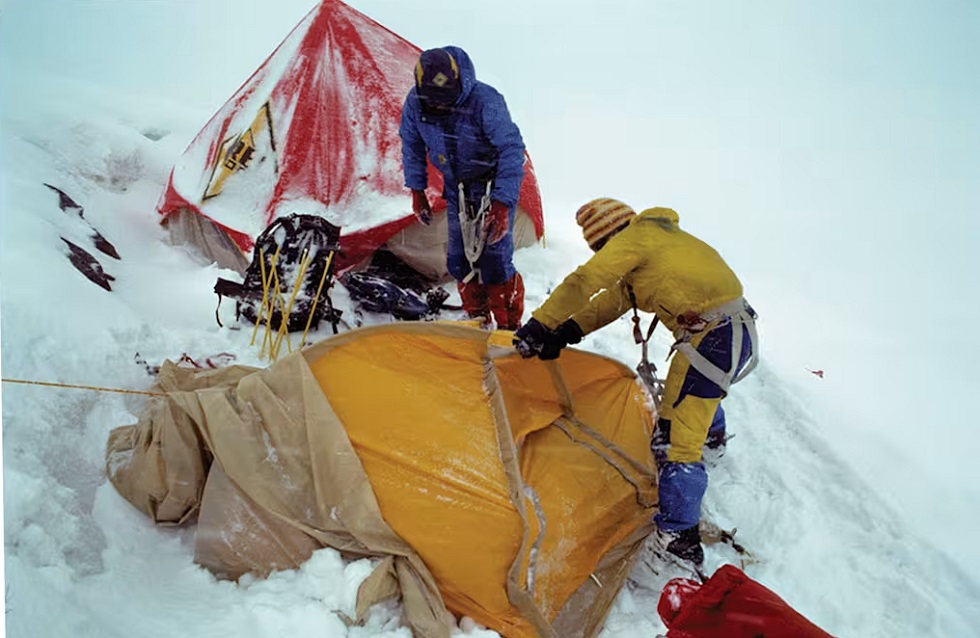
The mountain lived up to its ferocious reputation, unleashing nine consecutive storms, destroying established camps, and straining team dynamics. Yet, in early September, a rare weather window opened. On September 6, Louis Reichardt and Jim Wickwire reached the summit. Reichardt completed the final push without supplemental oxygen after his hose was punctured, becoming the first person to achieve the feat on K2. Wickwire spent nearly twenty minutes changing his camera film in sub-zero temperatures, leaving him without a headlamp for the descent and forcing him to endure one of the highest bivouacs ever recorded.
The following morning, Rick Ridgeway and John Roskelley summited under rescue-mission conditions, finding Wickwire on his way down. All four Americans successfully reached the top within two days, though Wickwire was eventually evacuated by a Pakistani military helicopter suffering from pneumonia, pleurisy, and pulmonary blood clots.
Before the vertical climbing even began, the team faced a grueling 110-mile trek to base camp, much of it completely off-trail. Nike had quietly supplied lightweight running shoes for the approach: yellow Long Distance Vectors, road shoes evolved from the LD-1000 and designed by Bill Bowerman alongside Eugene orthopedist Dennis Vixie. Ridgeway and Roskelley chose these running shoes over the stiff, heavy European leather boots typical of the era.
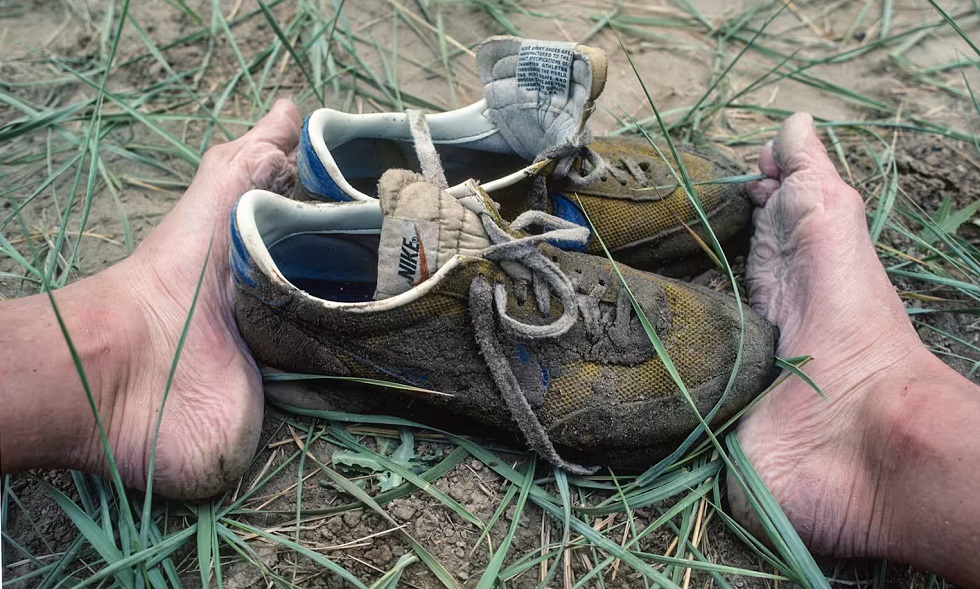
The unorthodox footwear proved remarkably effective—softer, more flexible, and vastly more breathable than traditional trekking boots, making them ideal for the relentless boulder-hopping required on the approach. However, they were never engineered for alpine terrain. By base camp, the shoes were heavily damaged, and by the walk out, Ridgeway and Roskelley were forced to hold them together with glue and tape. Upon returning home, they mailed the ruined shoes to Nike headquarters with a short list of modifications: a more rugged upper, a tougher sole, and an insistence on keeping the weight down. Unbeknownst to anyone in Beaverton at the time, this informal correspondence served as the very first product brief for outdoor footwear.
The Genesis of All Conditions Gear
Nike took the athletes’ recommendations seriously, establishing a philosophy that lightweight footwear could survive environments previously reserved for heavy, rigid boots. By the early 1980s, this mindset manifested in three distinct models: the Lava Dome, the Approach, and the Magma. The Approach became Nike’s inaugural GORE-TEX-lined shoe, manufactured in Saco, Maine, featuring a waffle outsole and a leather-and-Cordura upper. The Lava Dome, designed by Trip Allen and Monte Mayko, cemented itself as one of the enterprise’s earliest lightweight hiking shoes.
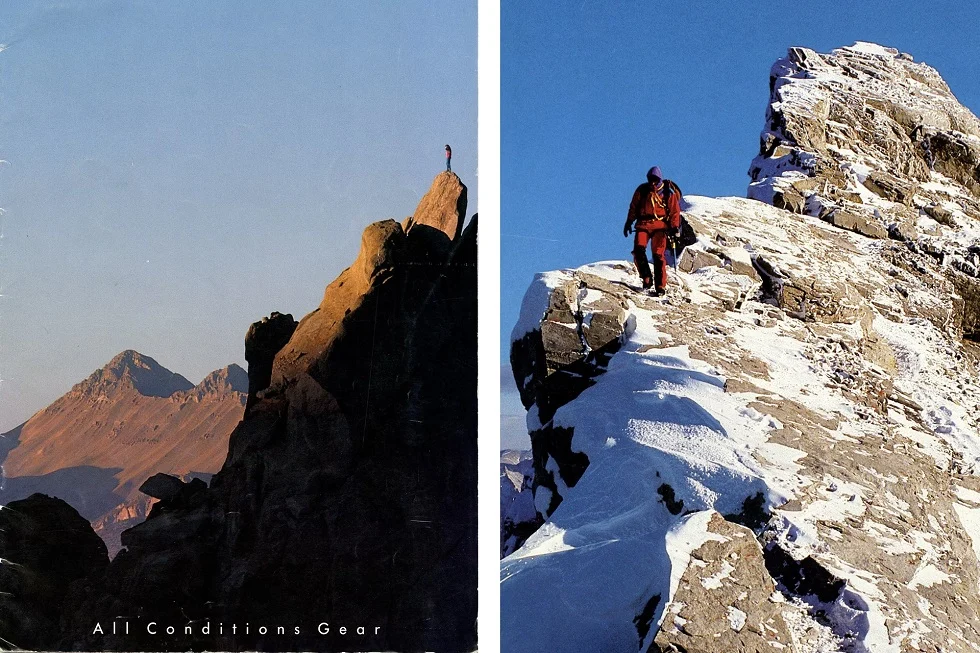
By the mid-1980s, Nike possessed an expanding catalog of outdoor prototypes, trail runners, and hiking shoes, but lacked a unifying identity. In 1987, a dedicated team led by Tom Clarke, vice president of product marketing, and Kirk Richardson, a lifelong mountaineer, was tasked with consolidating these disparate outdoor assets. Recognizing that traditional European legacy brands dominated the market with heavy, rigid gear for specialists, Nike identified an opportunity to build athletic equipment engineered for movement across all weather conditions.
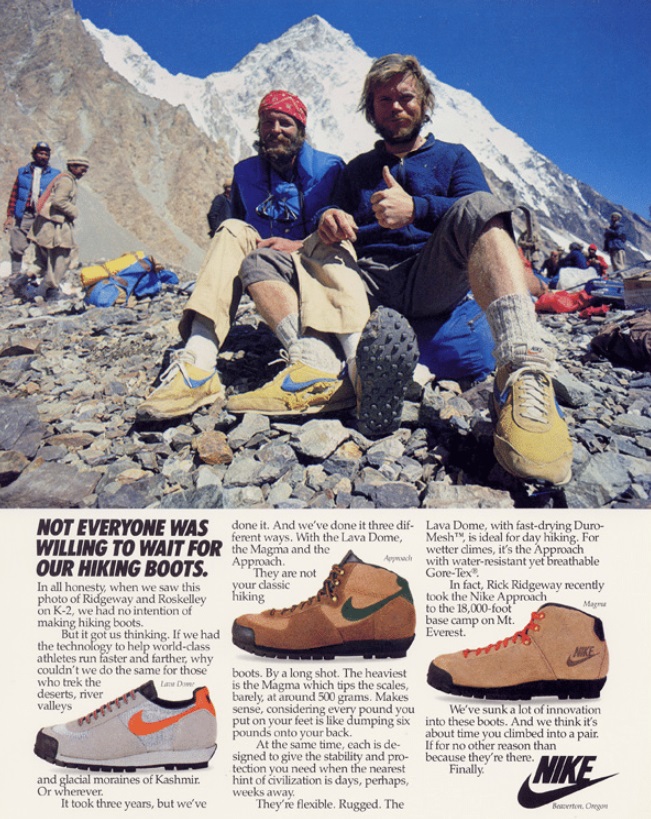
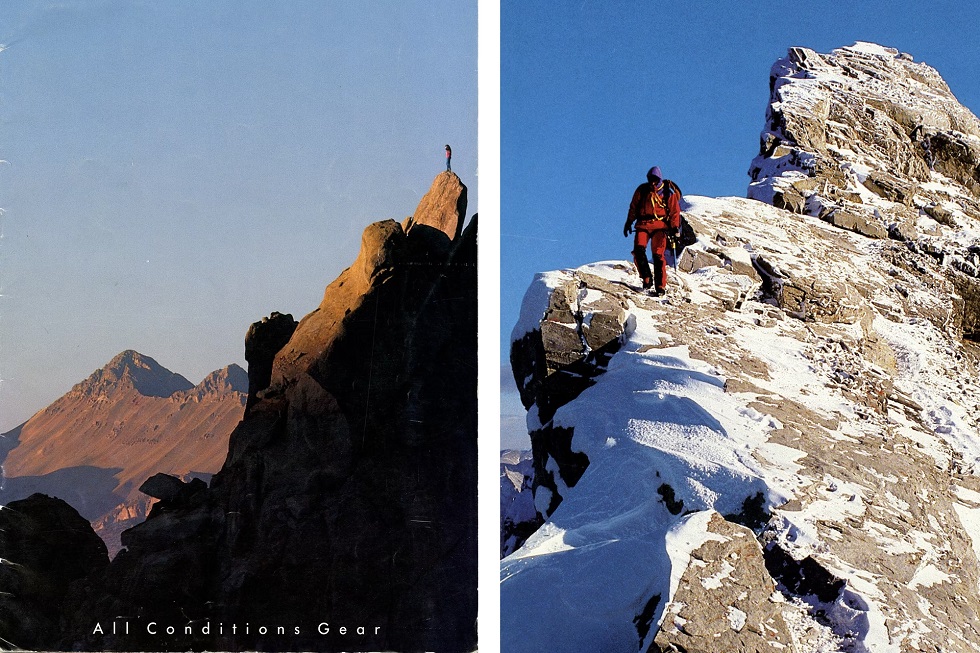
The division established four core pillars: high performance, durability, versatility, and functional excellence, housing footwear and apparel under a single corporate banner. The moniker itself was discovered by accident; Nike Running had previously utilized the phrase "All Conditions Gear" for a minor line of year-round apparel. Borrowing the title, the official ACG division was launched in 1989 under Richardson’s leadership.
The debut collection arrived that autumn, anchored by footwear models like the Air Wildwood and the Lava High, accompanied by technical GORE-TEX and fleece outerwear. Many early items paid homage to legendary expeditions, naming items after peaks like Peru’s Huascarán, Mount St. Helens, and Mount Kilimanjaro—the latter represented by an anorak worn and signed by John Roskelley.
The Golden Era of the 1990s and the Rise of Gorpcore
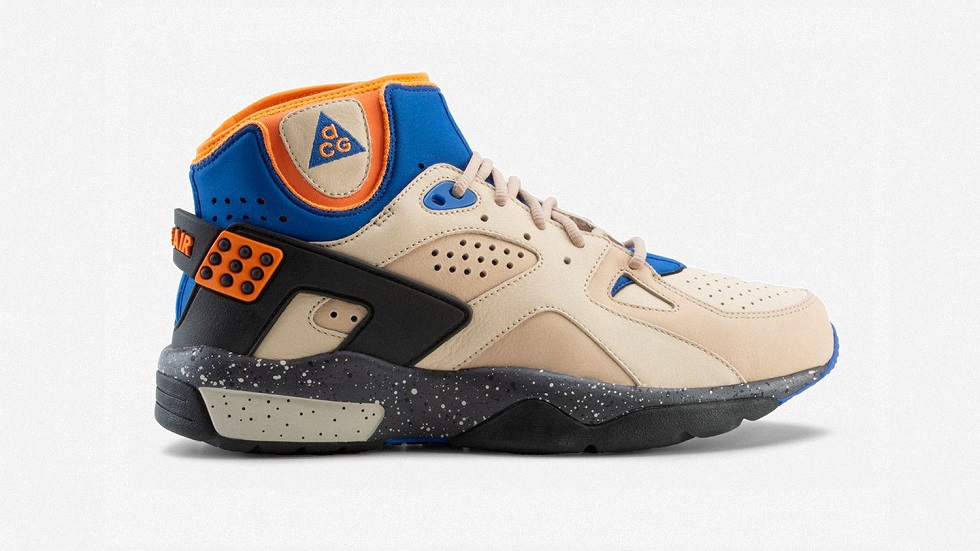
The 1990s marked the creative zenith of the ACG division, spearheaded by legendary designer Tinker Hatfield. In 1991, Hatfield introduced the Air Mowabb, named after Moab, Utah, where he extensively tested trail prototypes. The shoe fused elements of the Air Huarache and the Wildwood, incorporated subtle nods to Native American moccasins, utilized a neoprene inner bootie, and introduced a speckled midsole—a design cue that subsequently populated countless Nike lifestyle models.
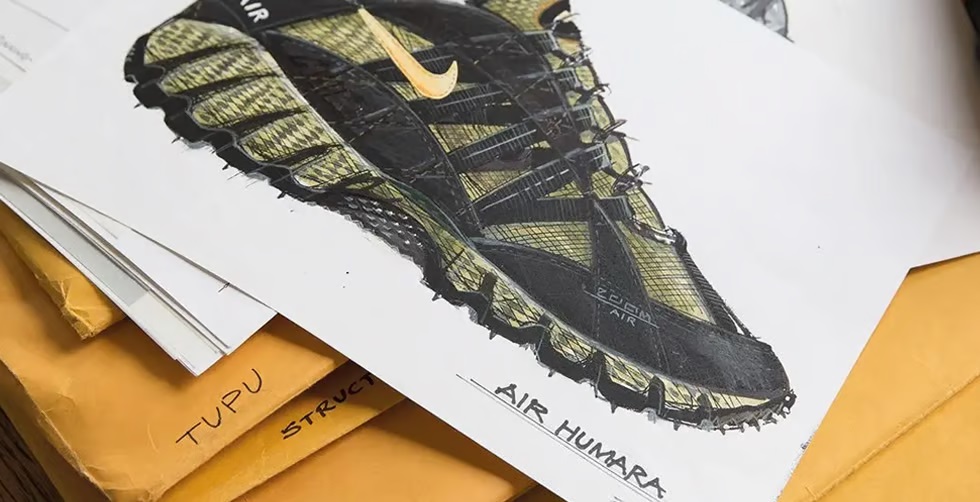
The innovation wave continued with the 1993 Air Deschutz, which integrated Nike Air into an outdoor sandal, followed in 1994 by the plush Air Moc and the rugged Air Mada. Former aircraft-interior designer Peter Fogg brought an engineer’s discipline to footwear like the Air Humara. ACG quickly transformed into an incubator where Nike’s most inventive designers could push boundaries.
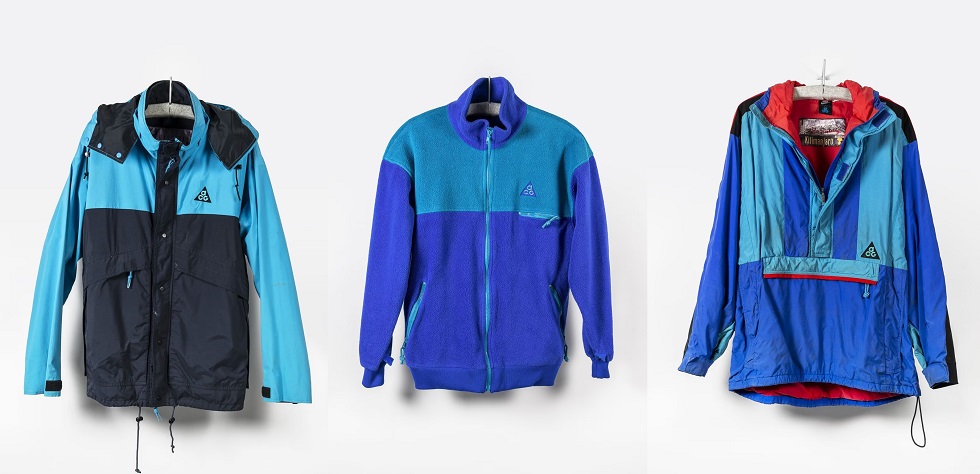
However, this creative freedom introduced an unforeseen complication. The line had never respected strict boundaries between running, hiking, climbing, and daily life, and consumers embraced the crossover enthusiastically. ACG rapidly transitioned from a technical mountain staple into a fixture of urban streetwear. This phenomenon foreshadowed an industry-wide question: what happens to an outdoor brand when the urban populace claims its aesthetic? Decades later, this cross-pollination would be formally labeled "gorpcore," though ACG had effectively pioneered the genre long before the term existed.
The Errolson Hugh Era and the Corporate Retreat
By 2008, the ACG line had largely stagnated, reduced to a handful of products carrying the nameplate with very little of its original technical spirit. That trajectory shifted dramatically in December 2014 when then-CEO Mark Parker tapped Errolson Hugh, co-founder of Berlin techwear label Acronym, to resurrect the line as NikeLab ACG.
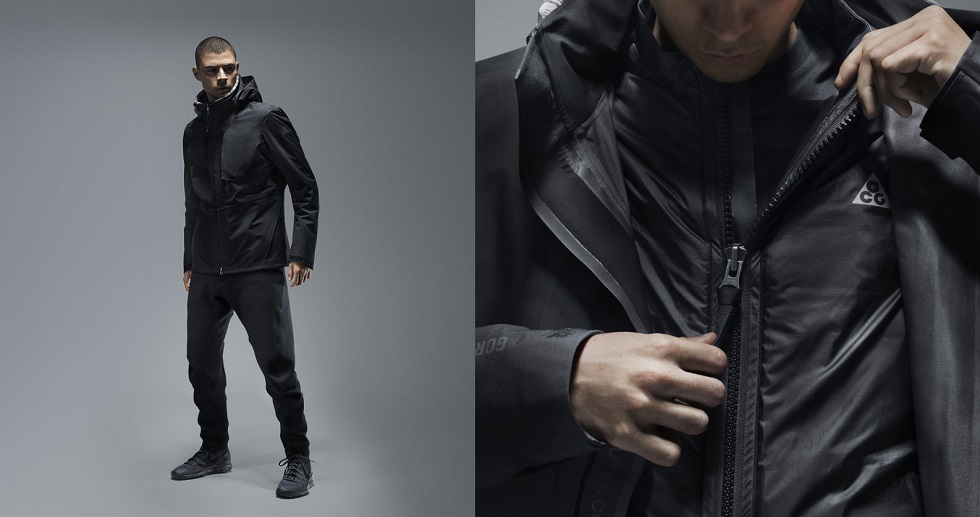
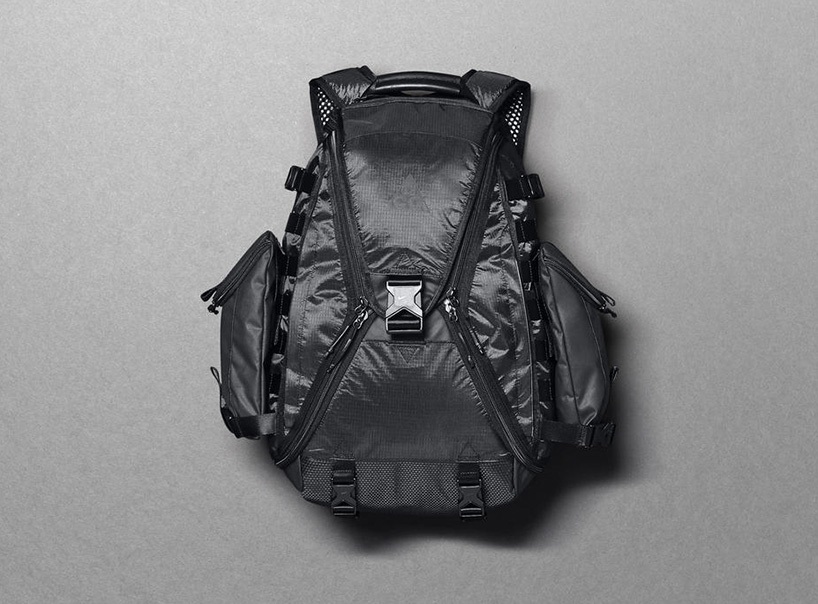
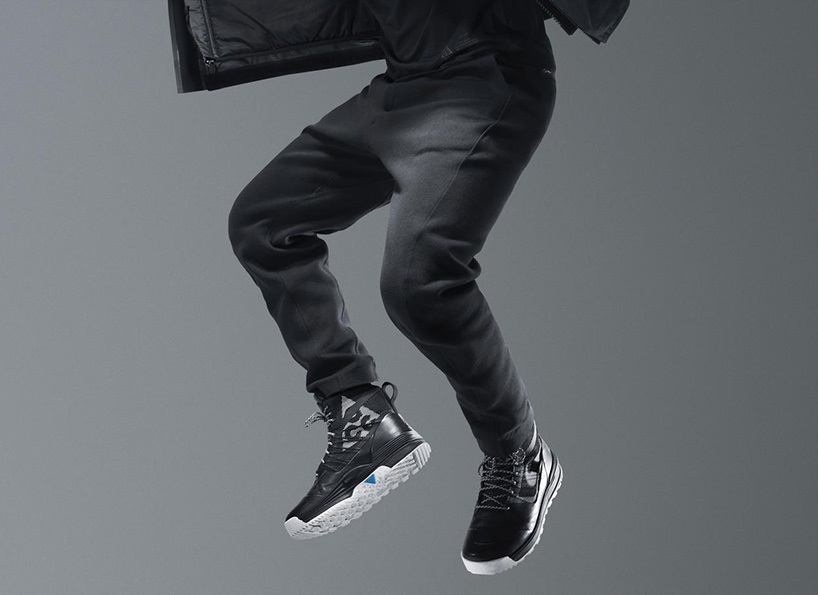
The relaunch reframed the brand around the concept of "sport utility for the city." The vibrant color palettes of the 1990s were replaced by stark black, three-layer GORE-TEX, taped seams, modular 2-in-1 jackets, and reflective branding. The collection resonated strongly with consumers and collectors, selling out rapidly and redefining modern technical apparel. Yet, it presented a striking irony: an outdoor-heritage brand had achieved its most influential modern renaissance by fully retreating from the wilderness into the urban core.
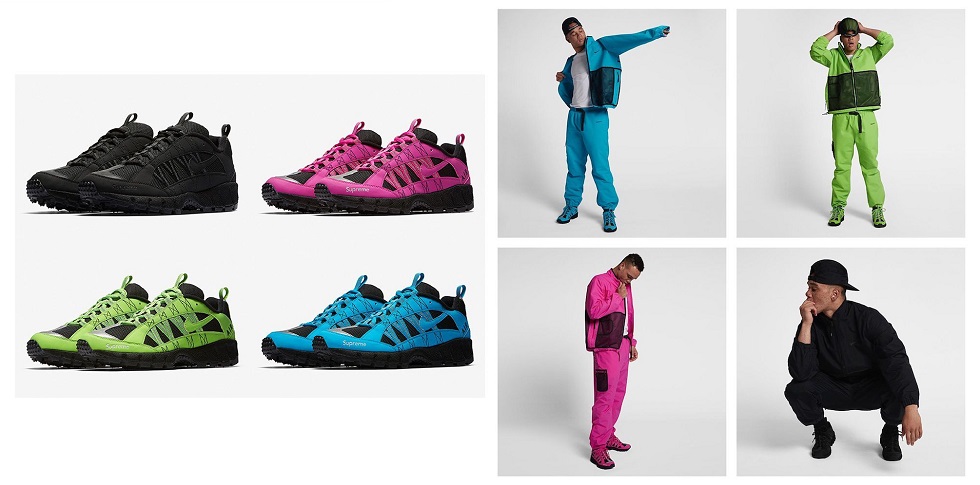
The partnership with Hugh concluded in 2018, after which Nike steered ACG back toward its colorful outdoor heritage under senior creative director James Arizumi. Retro favorites like the Air Mada, Torre Mid, Goadome, and Baltoro were reintroduced, alongside high-profile collaborations with Comme des Garçons and Supreme.
Concurrently, a major strategic misstep occurred at the corporate level. Under former CEO John Donahoe, Nike pivoted heavily away from wholesale partners like Foot Locker and Dick’s Sporting Goods, attempting to drive direct-to-consumer sales via its proprietary app, website, and retail stores. While direct sales initially climbed, the strategy ultimately plateaued as pandemic-era restrictions eased. By pulling top-tier products from third-party shelves, Nike left a vacuum that agile competitors—notably On and Hoka—vigorously filled, capturing market share just as running participation surged globally.
The resulting financial pressure culminated in a historic stock decline in mid-2024, wiping billions off Nike’s market value and leading to Donahoe’s departure. Elliott Hill, a 32-year Nike veteran who began as an intern in 1988, returned as CEO with an explicit mandate to restore sport to the core of the enterprise and reestablish wholesale partnerships.
Recommitting to All Conditions: The 2026 Relaunch
On February 2, 2026, Nike officially reintroduced ACG as a dedicated outdoor-performance brand with an uncompromising focus on trail running, hiking, and alpine exploration. Scott LeClair, vice president and general manager of ACG, framed the relaunch as a definitive recommitment to all conditions, which included absorbing Nike’s separate trail-running initiative directly into the ACG ecosystem.
The product lineup reflected this technical pivot. Flagship trail-running footwear like the Ultrafly and the rugged Zegama debuted alongside apparel items including the Radical AirFlow racing top and the Lava Loft down jacket. Carrying solutions were overhauled, highlighted by the 5-liter GOAT pack vest—engineered to minimize bounce while holding dual flasks and a rear bladder—and the 25-liter Daymax pack. Later in the year, at the Ultra-Trail du Mont-Blanc (UTMB) in Chamonix, the brand introduced the Picklejus, a high-mountain trail shoe featuring a proprietary outsole compound named GOATEK, signaling a deliberate reduction in reliance on Vibram for traction.
Field testing was formalized through the All Conditions Racing Department, expanded to include nearly three dozen elite international athletes. Testers received unmarked prototypes subjected to thousands of miles of extreme terrain before commercial approval.
To mark the relaunch, Nike executed high-profile experiential campaigns. In Milan, coinciding with the Winter Olympics, the brand operated the "All Conditions Express"—a bright orange heritage Italian train running from Milano Centrale into the Orobic Alps, outfitted with a mountain-refuge café car, mobile gear labs, and recovery spaces hosted by prominent athletes like tennis star Jannik Sinner and Paralympic champion Bebe Vio. Furthermore, ACG secured title sponsorship of the prestigious Broken Arrow Skyrace at Palisades Tahoe, underwriting a record-breaking $150,000 prize purse to signal authentic financial commitment to the elite trail-running community.
Analyzing the Implications: Overcoming the Trust Deficit
Despite aggressive marketing activations, technical innovations, and heavy financial investments, industry analysts note that the trail community retains a historically sharp eye for authenticity. Early iterations of Nike’s modern trail offerings faced skepticism from ultra-runners accustomed to specialized legacy brands like Salomon and Norda. Moreover, the marketing strategy conspicuously minimized the primary Nike corporate identifier, emphasizing "ACG" as a standalone entity—a maneuver that balances the leveraging of heritage against the acknowledgment of past brand dilution.
Simultaneously, the lifestyle side of ACG continues to thrive in parallel, evidenced by ongoing collaborations with Cactus Plant Flea Market and high-profile placements by cultural icons like Travis Scott. This dual identity encapsulates the enduring tension within the brand’s history: balancing technical utility against cultural cachet.
Ultimately, while market dynamics and consumer preferences have transformed the outdoor landscape into a mainstream phenomenon, ACG possesses an immutable foundation that competitors cannot replicate. What began in 1978 as a parcel of ruined running shoes mailed back from the foot of K2 has evolved into a multi-generational legacy of functional design. As ACG re-enters the rugged arena, its long-term viability will not be secured by theatrical train rides or urban pop-ups, but through the hard-earned trust of athletes putting in grueling miles far off the beaten path.