The field of cutlery metallurgy has undergone a significant transformation over the last decade, shifting from a reliance on manufacturer-provided marketing data toward a more rigorous, empirical approach to performance analysis. Historically, knife enthusiasts and professional makers were forced to rely on fragmented data sheets from various steel producers like Crucible Industries, Uddeholm, or Sandvik. These companies rarely provided head-to-head comparisons against competitors, and many data sheets omitted critical experimental results such as Charpy impact toughness or specific wear resistance metrics. The emergence of independent metallurgical testing has bridged this gap, allowing for a systematic demystification of how elemental compositions—carbon, chromium, and vanadium—dictate the real-world performance of a blade.
The Evolution of Empirical Steel Analysis
Before the advent of standardized third-party testing, the knife industry operated largely on anecdotal evidence and "brand loyalty" to specific steel grades. The primary challenge for the average consumer was the complexity of the equations required to predict performance. For instance, predicting CATRA (Cutlery Allied Trades Research Association) edge retention often involves calculating carbide types, carbide volume, and steel hardness against the edge angle of the blade. However, recent advancements in metallurgical research suggest that while complex modeling is more accurate, a simplified framework can allow enthusiasts to estimate a steel’s potential based solely on its published elemental composition.
This shift toward transparency was accelerated by the publication of comprehensive databases and metallurgical guides, such as the second edition of Knife Engineering. These resources have provided the raw data necessary to identify correlations that were previously hidden behind proprietary manufacturing secrets. By categorizing steels into carbon, low alloy, high alloy, high speed, and stainless groups, researchers have established a baseline for how specific elements interact during the heat treatment and forging processes.
The Role of Elemental Composition in Performance
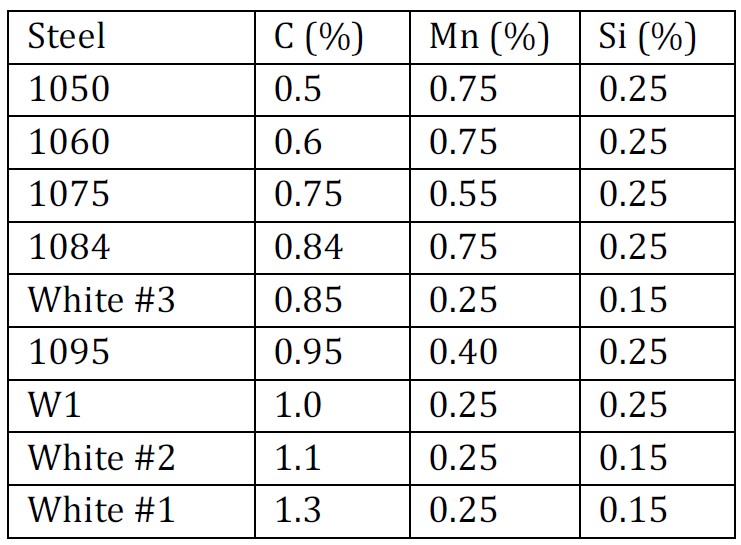
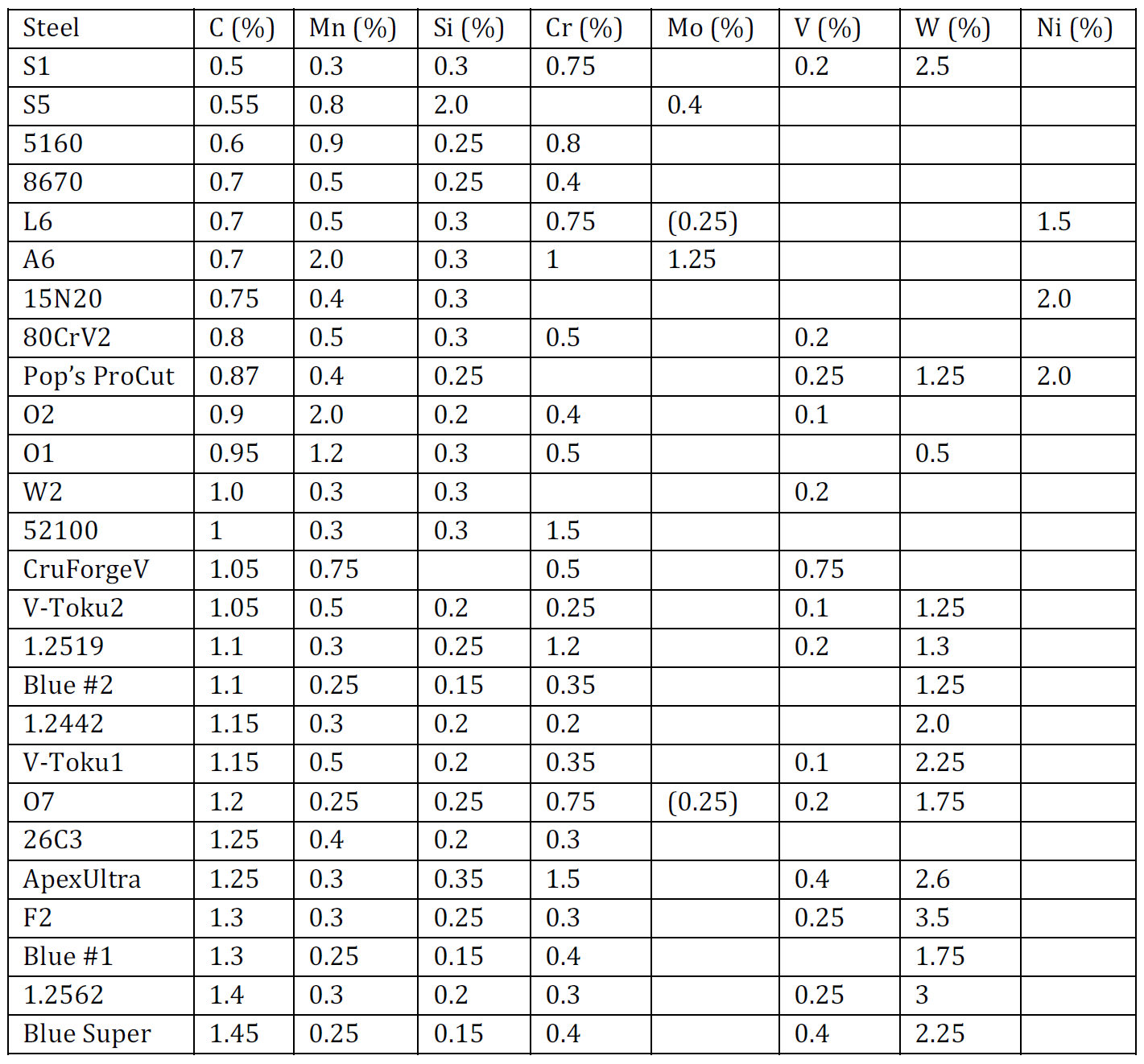
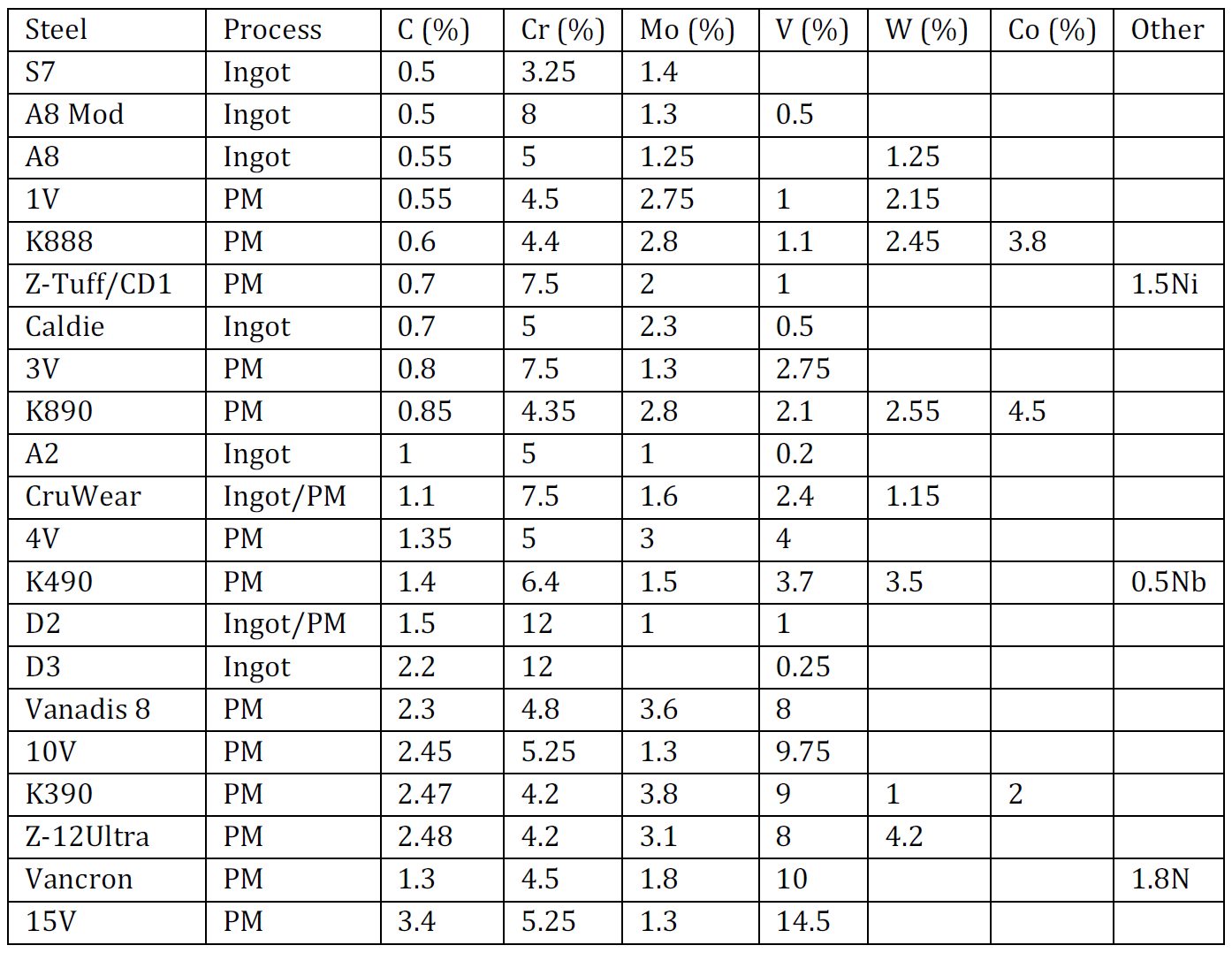
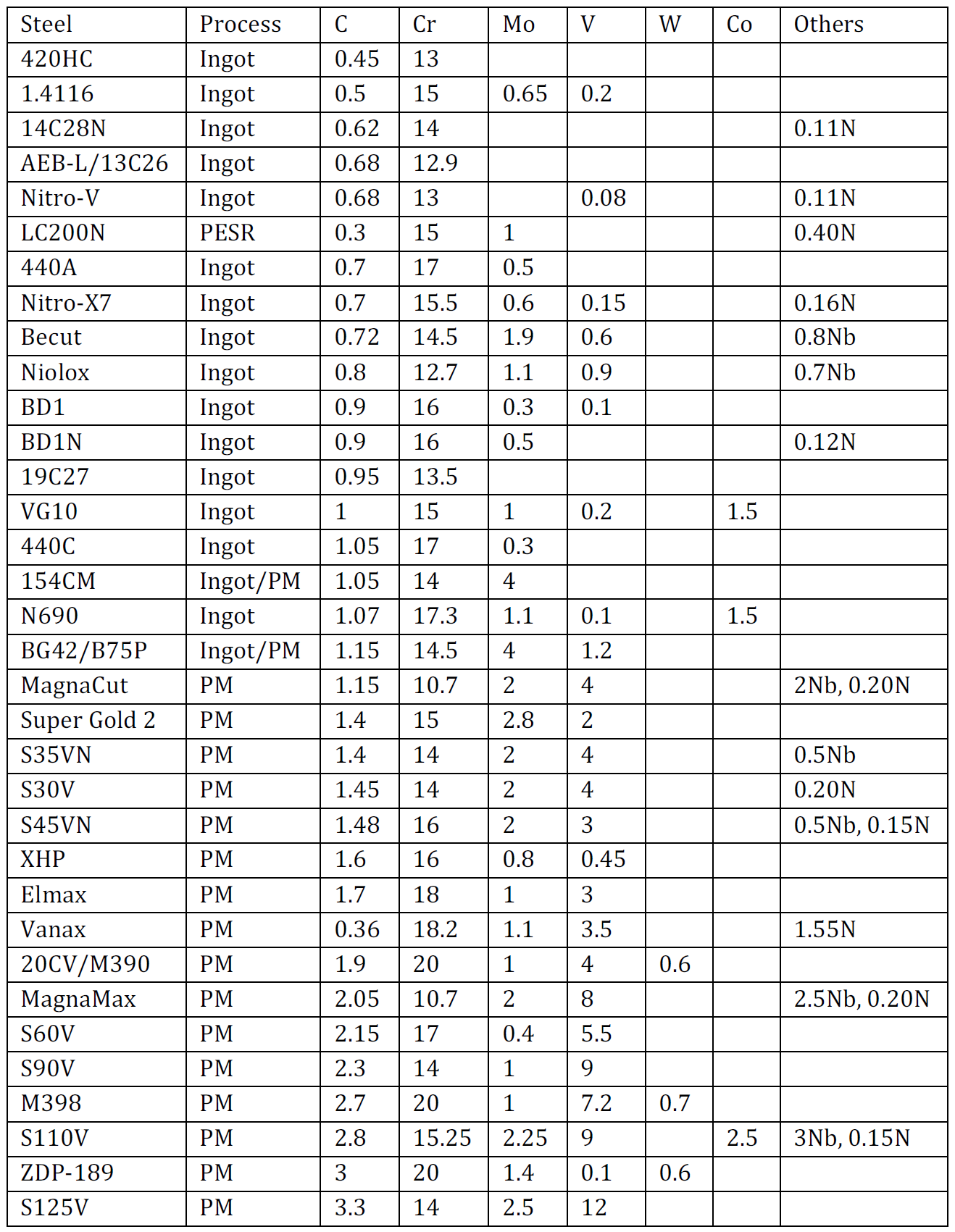
To estimate the properties of a knife steel, one must first understand the primary categories of composition. Carbon steels and low alloy steels typically rely on iron carbides (cementite), which are relatively soft compared to the carbides found in more complex alloys. High alloy steels, high-speed steels, and stainless steels introduce elements like chromium, vanadium, molybdenum, and tungsten to form much harder carbides.
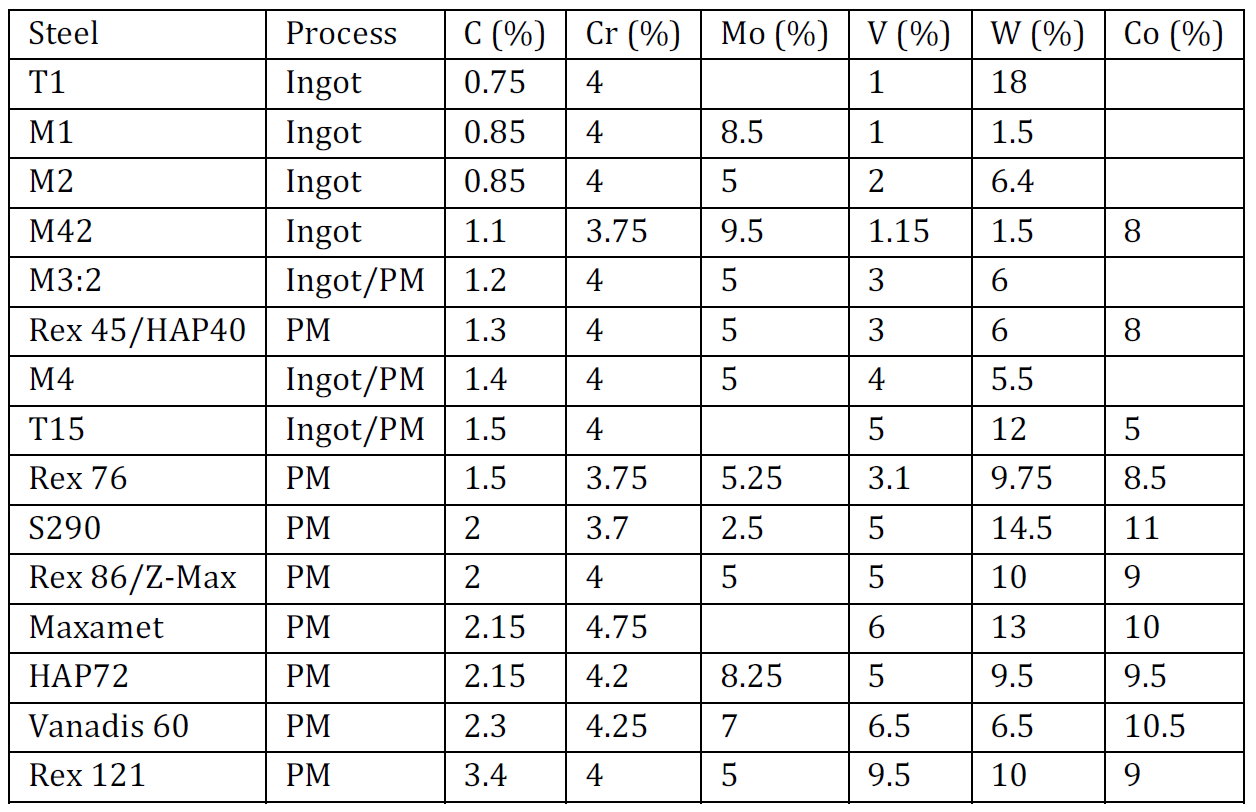
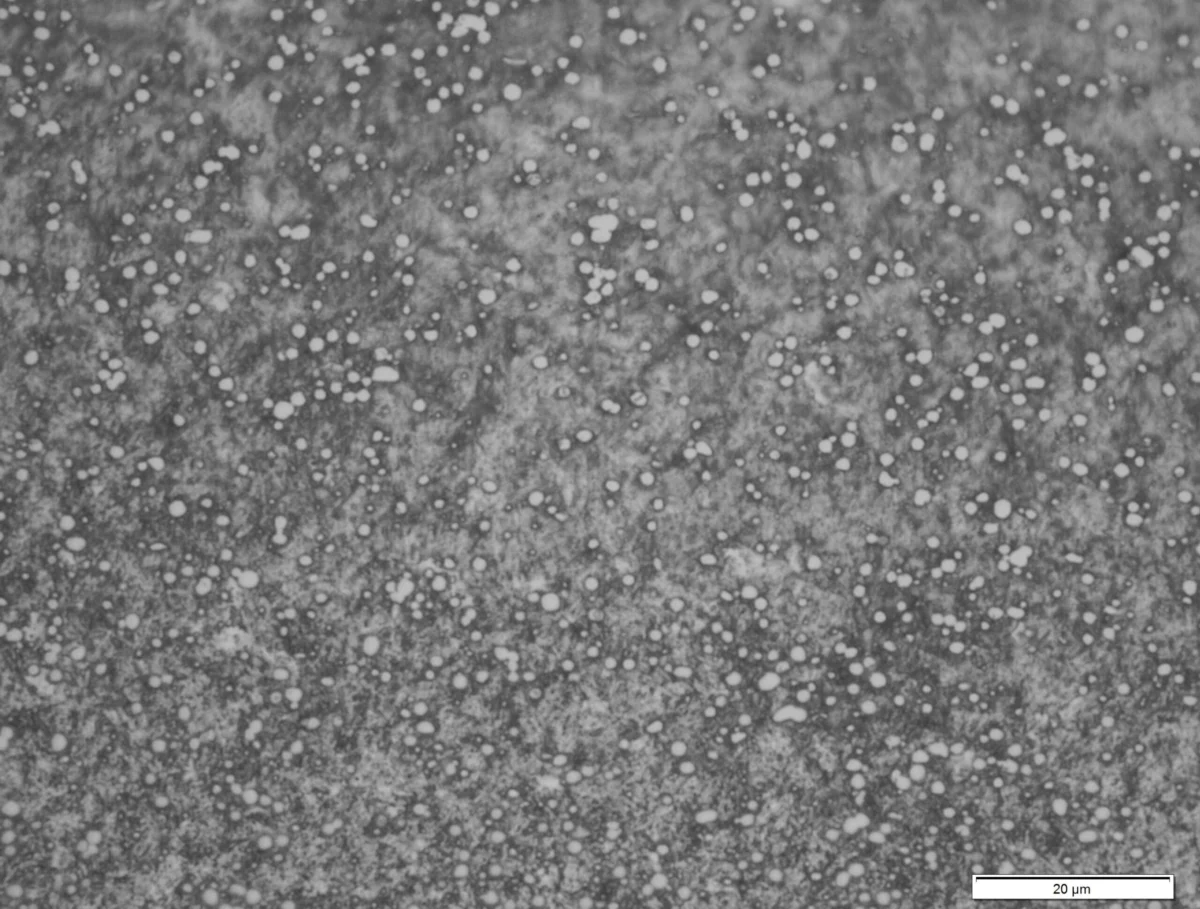
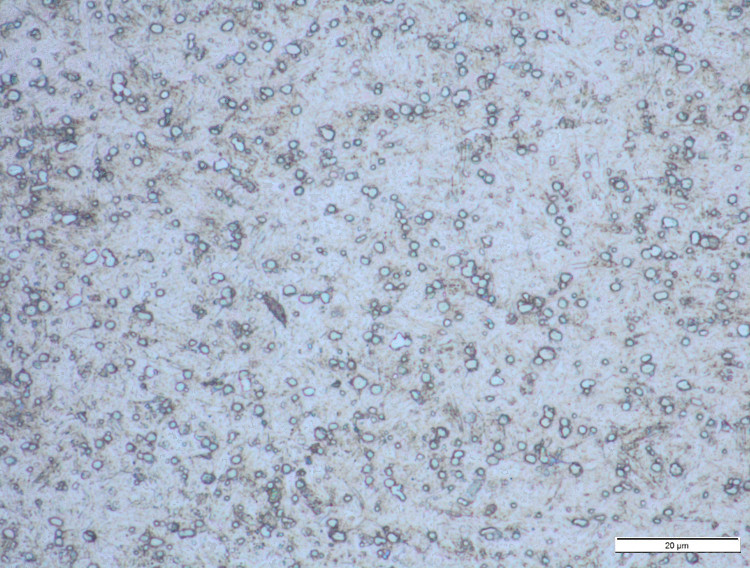
The predictive power of these elements is found in their concentration levels. For example, high-alloy steels are often categorized by whether they are produced via conventional "ingot" steelmaking or through Powder Metallurgy (PM). PM technology represents a pinnacle in manufacturing, where molten steel is atomized into a fine powder and then consolidated, resulting in a much finer and more uniform carbide distribution. This manufacturing distinction is critical when predicting toughness, as the size and distribution of carbides are often more important than the total volume of the elements themselves.
Deciphering Edge Retention through Carbon and Vanadium
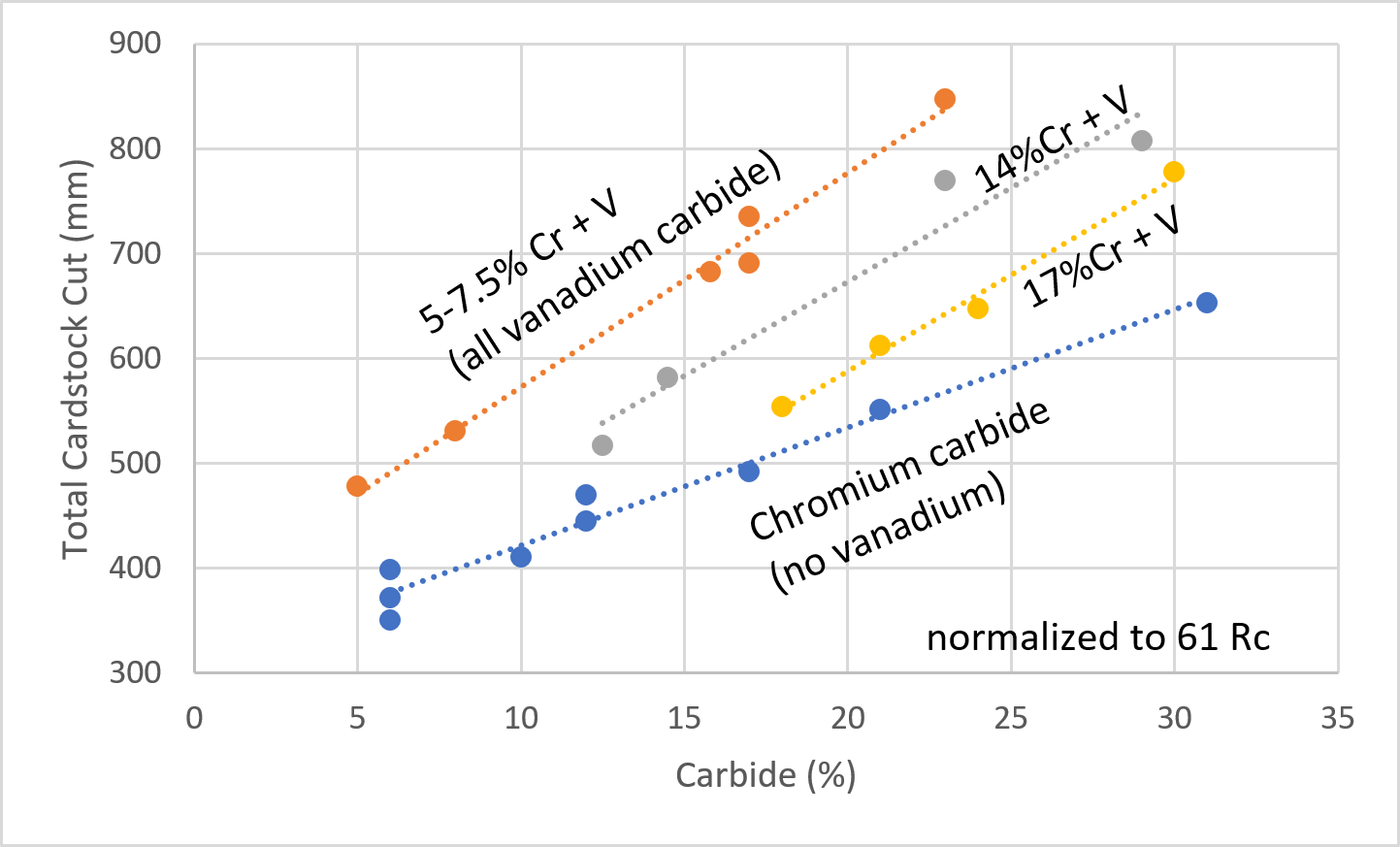
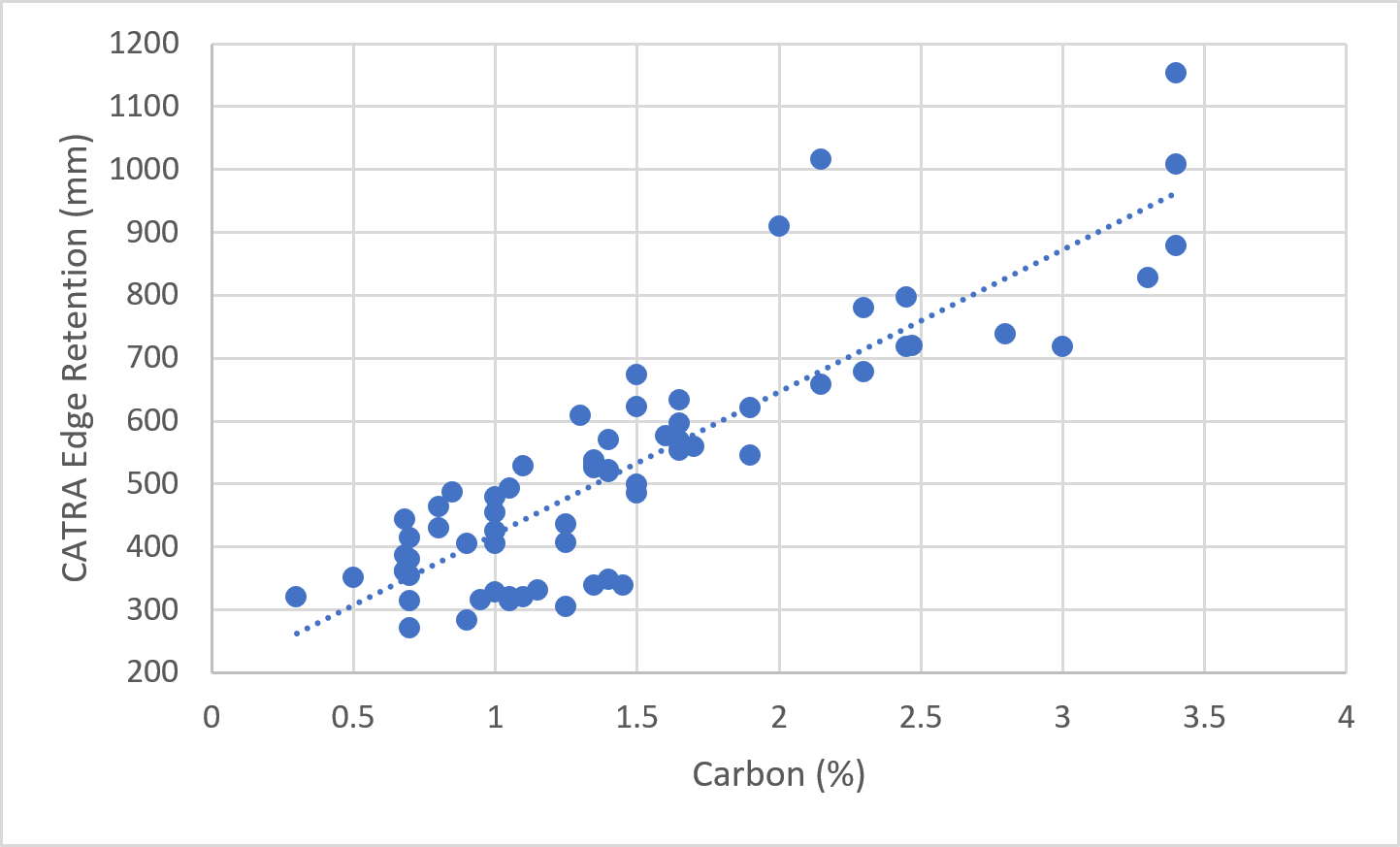
Edge retention is arguably the most scrutinized property in the cutlery world. Empirical testing using CATRA machines—which measure the total millimeters of silica-infused paper a blade can cut—has revealed a strong correlation between carbon content and wear resistance. However, carbon alone does not tell the full story. The type of carbide formed is the true determinant of how long an edge will last.
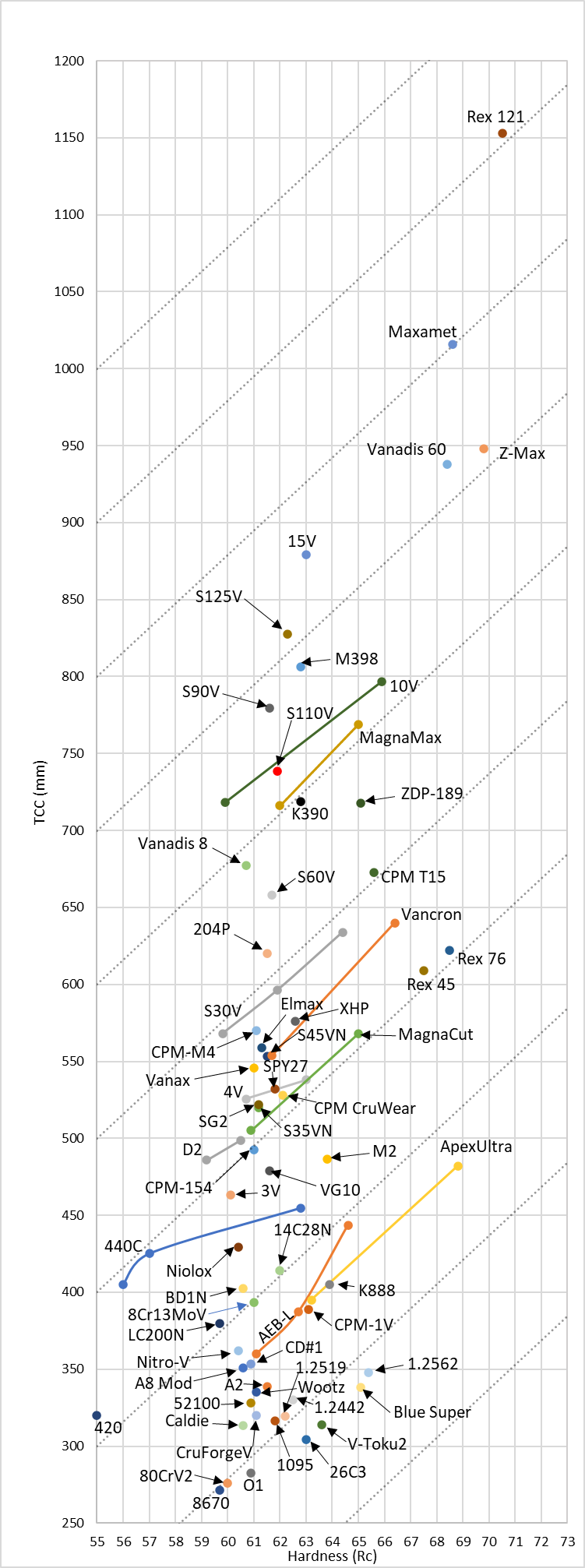
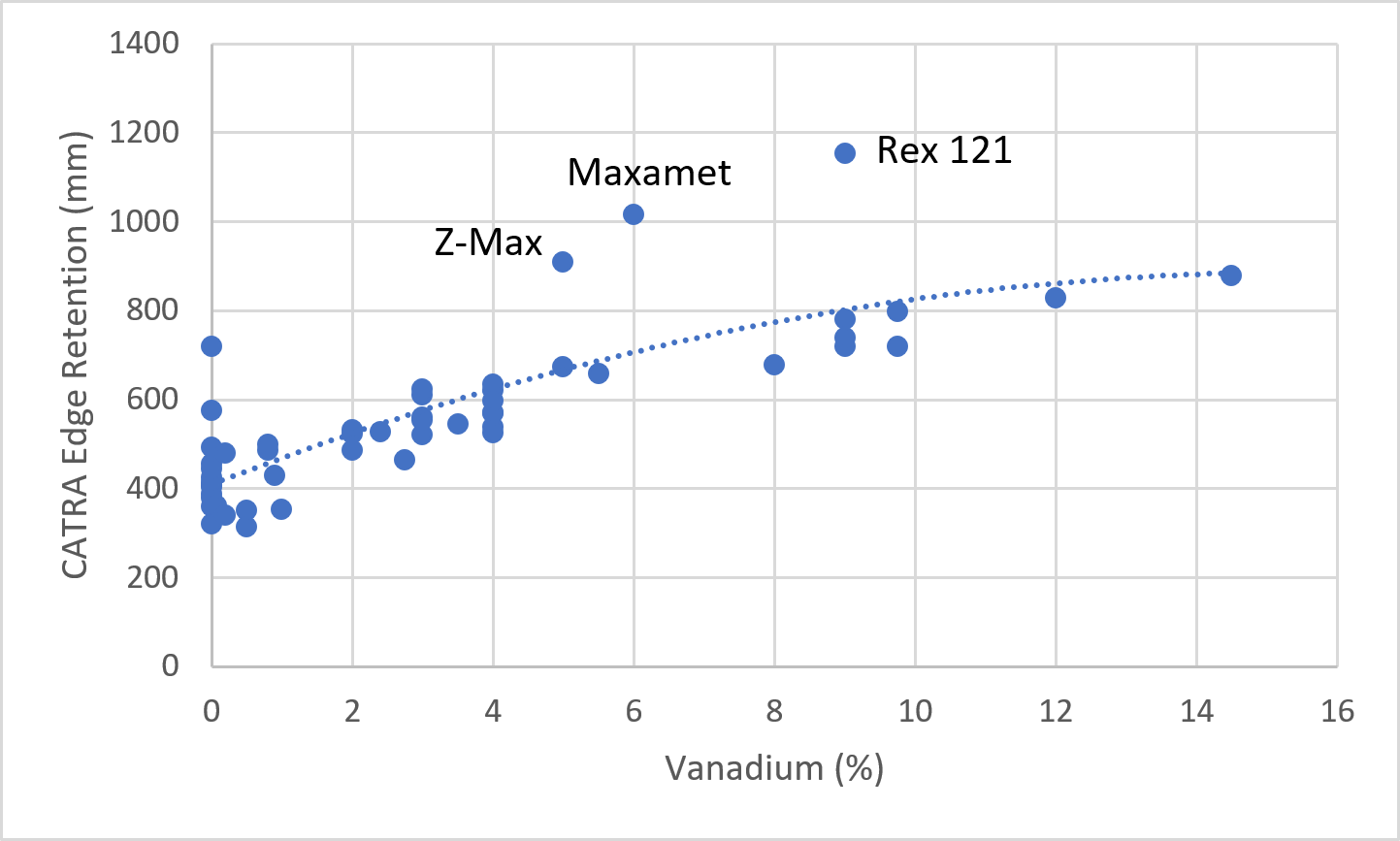
Vanadium is the most significant "force multiplier" in edge retention. When vanadium is added to steel, it forms vanadium carbides (MC type), which are significantly harder than the chromium carbides (M7C3 or M23C6 type) found in standard stainless steels. Research indicates that steels with low chromium (5–7.5%) but high vanadium additions create a matrix where the carbides have a disproportionately strong effect on edge retention. In contrast, chromium carbides are softer, requiring a much higher total carbide volume to achieve the same level of wear resistance.
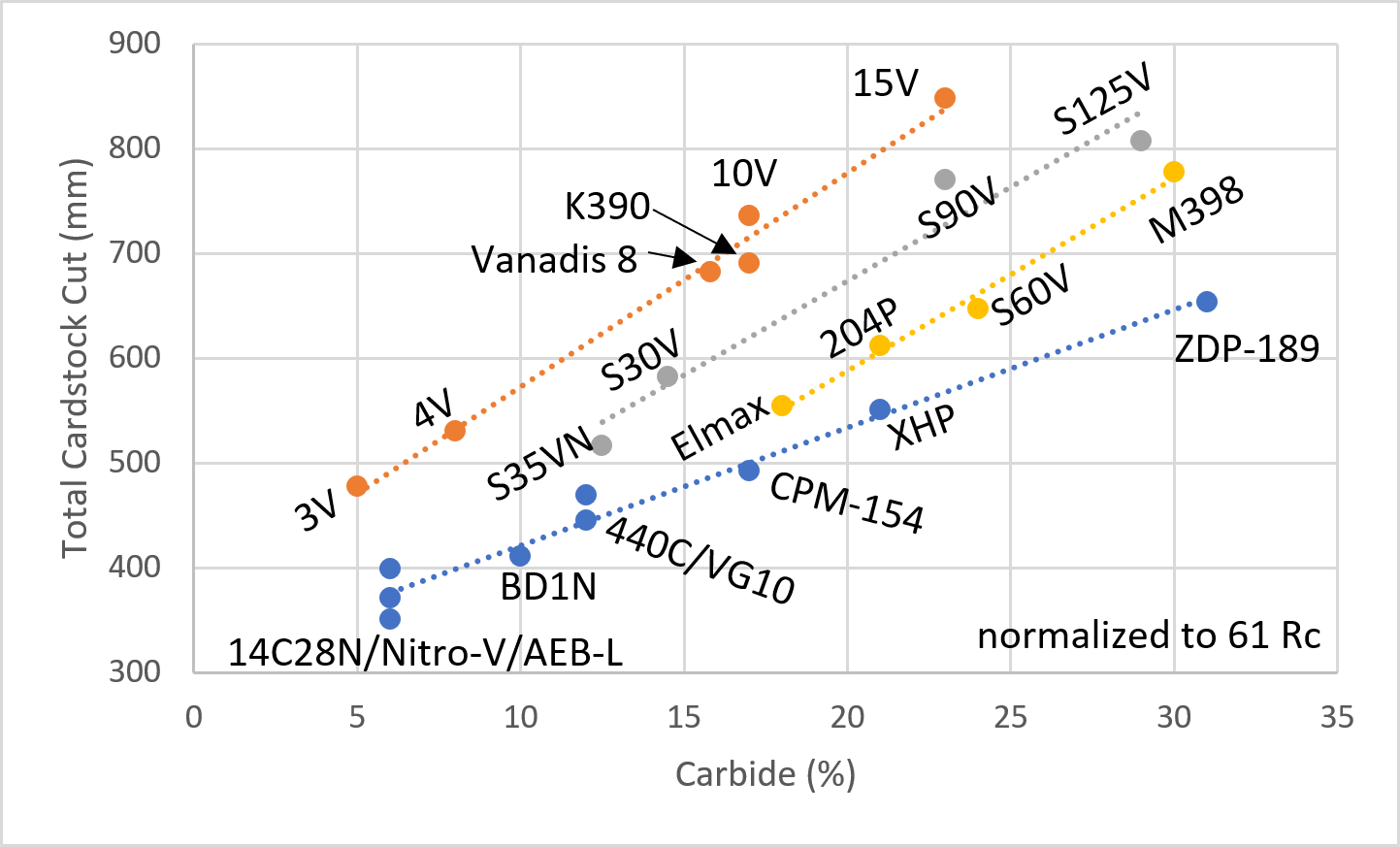
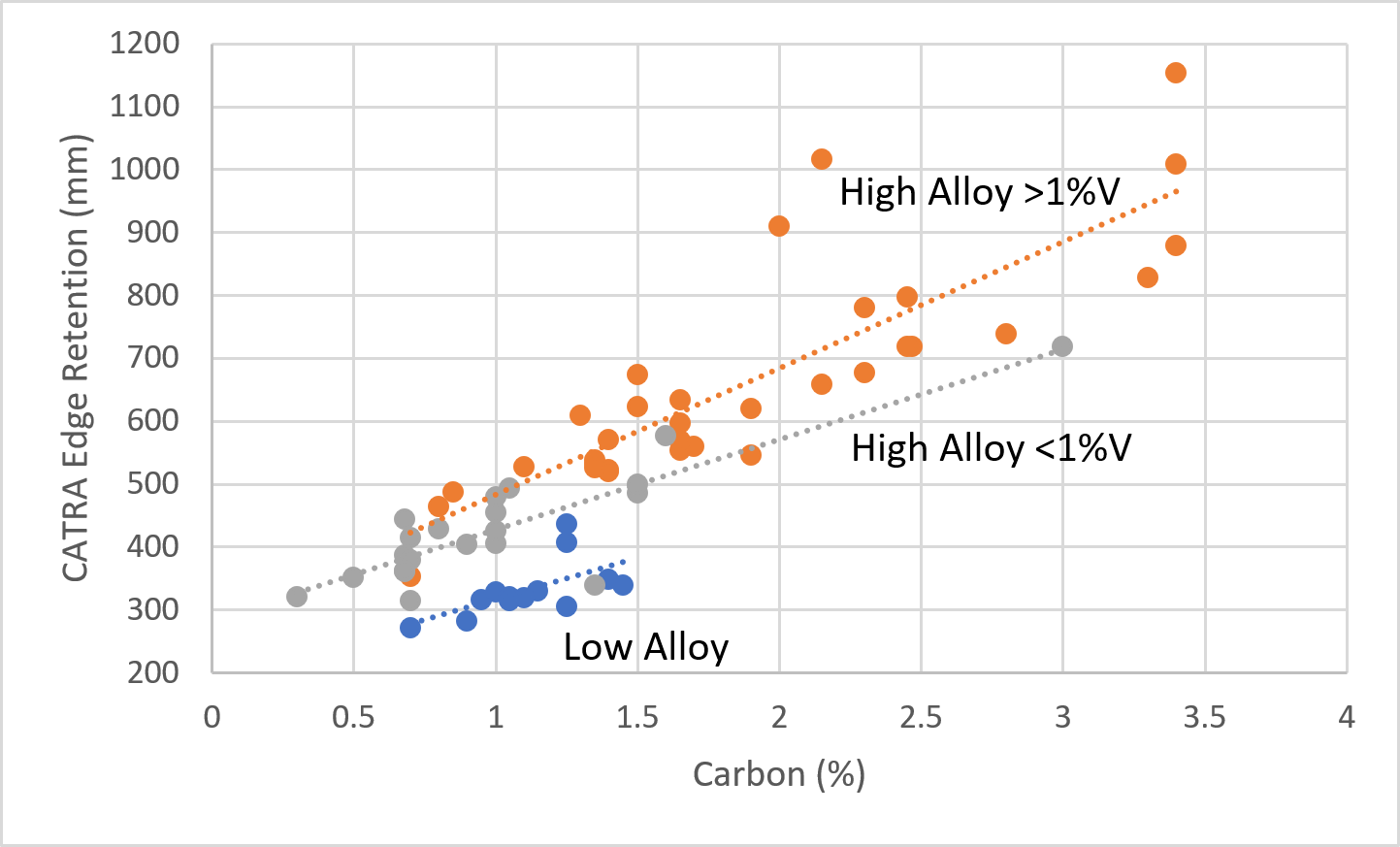
A simplified predictive model for edge retention follows a specific hierarchy:
- Identify the carbon content.
- Determine if the steel contains significant vanadium (typically >4%).
- Adjust for hardness, as higher Rockwell C (HRC) values generally improve CATRA results linearly.
- Distinguish between low alloy and high alloy categories, as iron carbides in low alloy steels provide the lowest baseline for wear resistance.
While this model is effective, outliers like Rex 121 and Maxamet exist. These steels are designed for extreme hardness (often exceeding 68 HRC) and contain massive amounts of tungsten and molybdenum, placing them in a performance tier that transcends standard carbon-based predictions.
Structural Integrity and the Toughness Paradox
Toughness, defined as the ability of a steel to resist chipping or breaking under impact, often exists in an inverse relationship with edge retention. As carbon and carbide volume increase to improve wear resistance, the toughness of the steel typically decreases. This is because carbides are essentially ceramic particles within the steel matrix; they are brittle and serve as initiation sites for cracks.
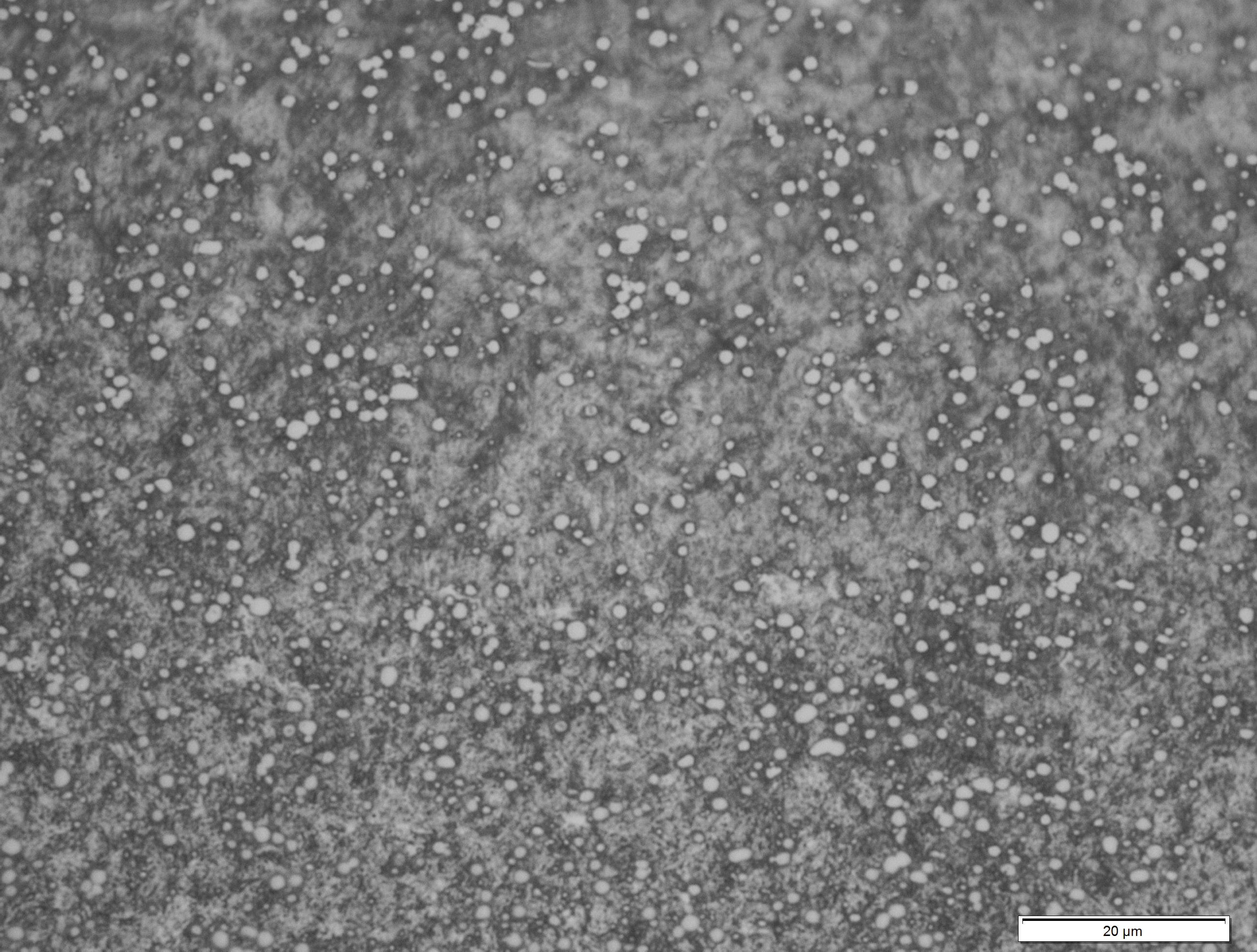
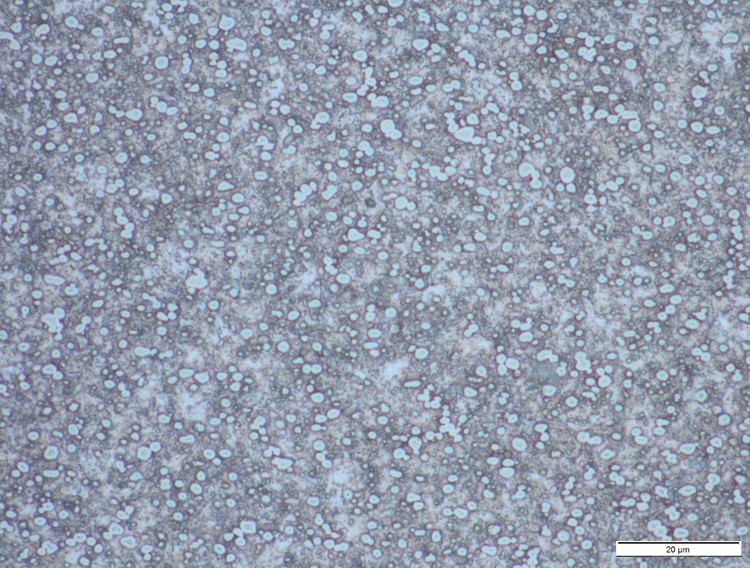
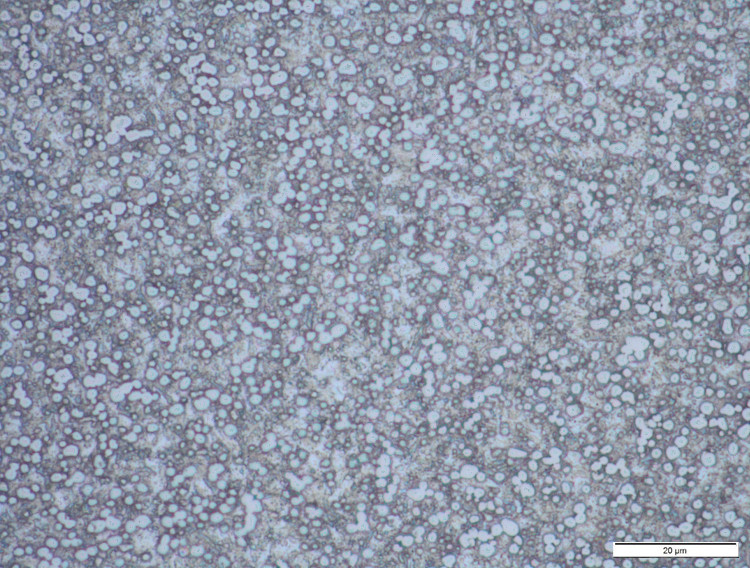
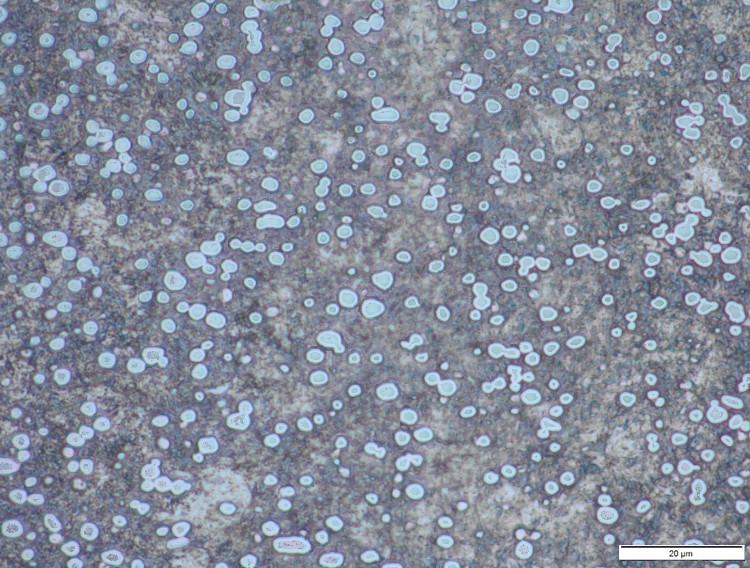
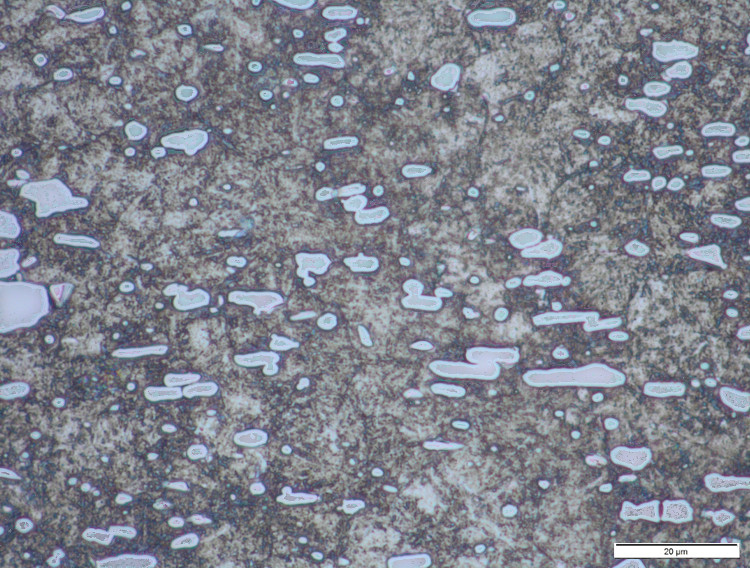
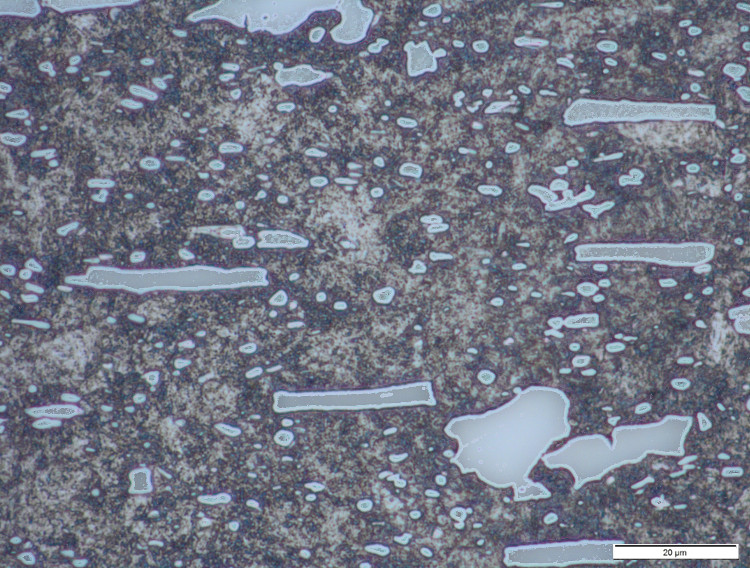
The chronology of toughness research has highlighted the "PM Advantage." In conventional ingot steels like D2, carbides can grow into large, irregular clusters during the cooling process, significantly weakening the steel. In contrast, Powder Metallurgy versions of the same alloy (such as CPM-D2) maintain small, spherical carbides, which drastically improves toughness without sacrificing wear resistance.
Data analysis shows that toughness behaves on a logarithmic scale relative to carbon content. At lower carbon levels (below 0.6%), steels can exhibit extraordinary toughness, but this drops precipitously as carbon approaches 1.0%. A notable exception in the industry is 52100 steel; despite having 1% carbon, its small addition of chromium helps prevent the formation of "plate martensite," allowing it to maintain a toughness level nearly triple that of other high-carbon low-alloy steels.
Corrosion Resistance and the Chromium-Carbon Balance
The standard definition of "stainless steel" requires a minimum of 10.5% chromium. However, the presence of chromium does not guarantee corrosion resistance. The critical factor is "chromium in solution"—the amount of chromium available to form a protective chromium oxide layer on the blade’s surface.
Carbon acts as an antagonist to corrosion resistance because it "steals" chromium to form chromium carbides. This is why steels like D2 (12% Cr) and ZDP-189 (20% Cr) are often considered "semi-stainless" or prone to staining; their extremely high carbon content locks the chromium into carbides, leaving the remaining matrix vulnerable to oxidation.
To estimate corrosion resistance, metallurgists look at the Chromium-to-Carbon (Cr/C) ratio. A ratio of 7:1 or higher generally indicates a true stainless property. Modern "super steels" like MagnaCut have revolutionized this balance. By using a precise blend of vanadium and niobium, MagnaCut ensures that all carbon is tied up in extremely hard carbides that do not involve chromium, leaving the entirety of the chromium content (approx. 10.7%) in solution. This results in corrosion resistance that outperforms steels with much higher bulk chromium levels, such as S30V or 440C.
Industry Implications and Consumer Empowerment
The ability to estimate steel properties through composition has profound implications for the cutlery market. It empowers consumers to see past "marketing hype" and evaluate a knife based on its objective metallurgical potential. For custom knifemakers, this data allows for the selection of the perfect "tool for the task"—choosing high-toughness steels for heavy-duty outdoor choppers and high-wear-resistance steels for precision slicers.
Furthermore, this analytical approach challenges manufacturers to be more transparent. When an enthusiast can look at a new steel’s data sheet and see 0.5% carbon and 15% chromium, they can immediately predict that while it will be highly corrosion-resistant, its edge retention will likely be outperformed by more modest alloys like 154CM or S35VN.
Conclusion: The Future of Knife Steel Estimation
While no simplified chart or equation can replace laboratory testing, the correlation between carbon, chromium, vanadium, and manufacturing method provides a remarkably accurate roadmap for predicting knife performance. As artificial intelligence and machine learning begin to enter the field of materials science, the initial data sets provided by independent researchers will serve as the foundation for future steel designs.
The current era of "nerd-driven" metallurgy has successfully demystified one of the oldest crafts in human history. By understanding the interplay of elements, the modern knife user is no longer a passive consumer but an informed participant in the ongoing evolution of blade technology. The outliers—the steels that defy the trends—will continue to exist, but they now serve as interesting case studies rather than confusing anomalies in an otherwise predictable scientific landscape.