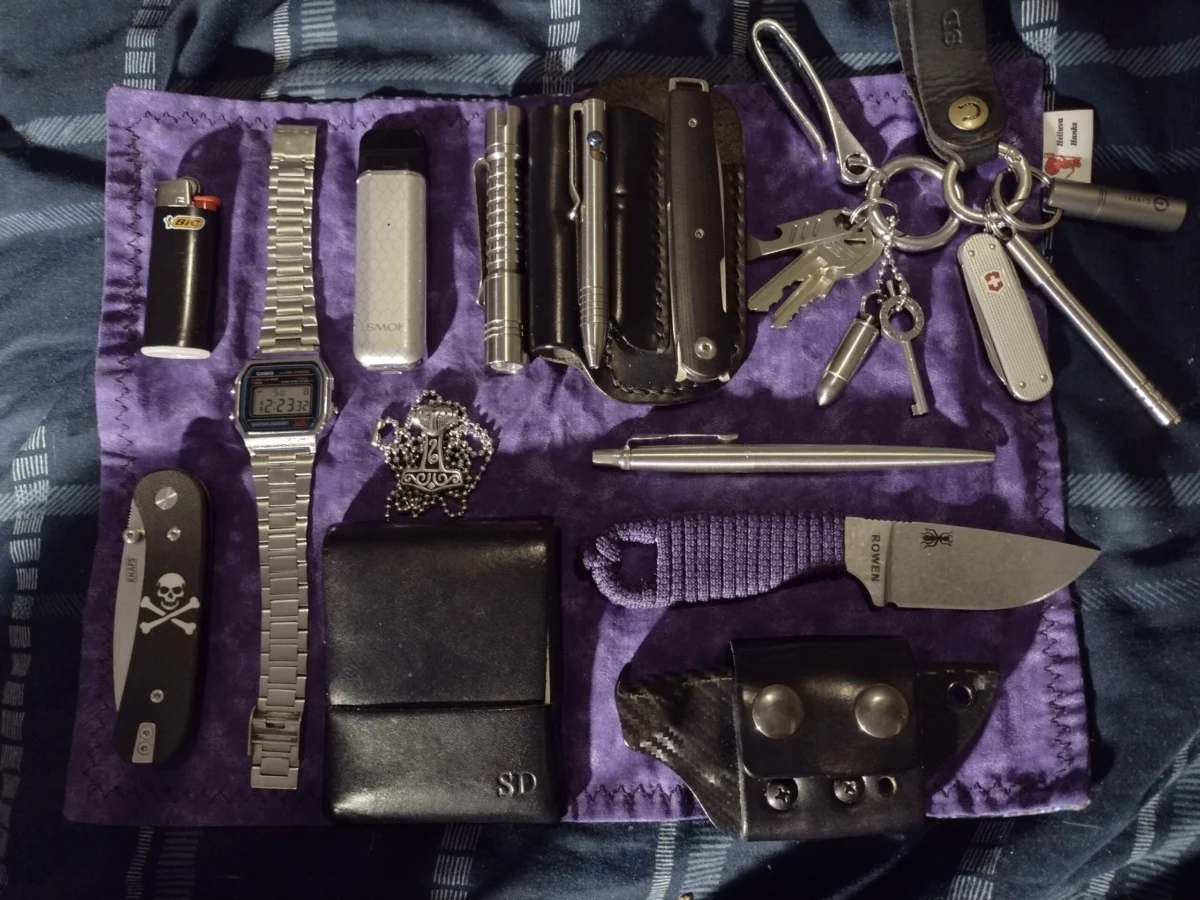
The modern professional kitchen is an environment defined by precision, efficiency, and the strict mitigation of risk. For individuals operating in these high-pressure spaces, the concept of "Everyday Carry" (EDC)—the practice of curating a set of essential items for daily use—takes on a specialized significance. Stephen, a full-time professional cook based in Minnesota, exemplifies this approach, balancing the necessity of heavy-duty utility with the stringent sanitation protocols required in the culinary industry. His EDC kit, which notably includes four distinct knives, highlights a deliberate strategy for task segregation, equipment durability, and personal organization.
The Philosophy of Task-Specific Tooling
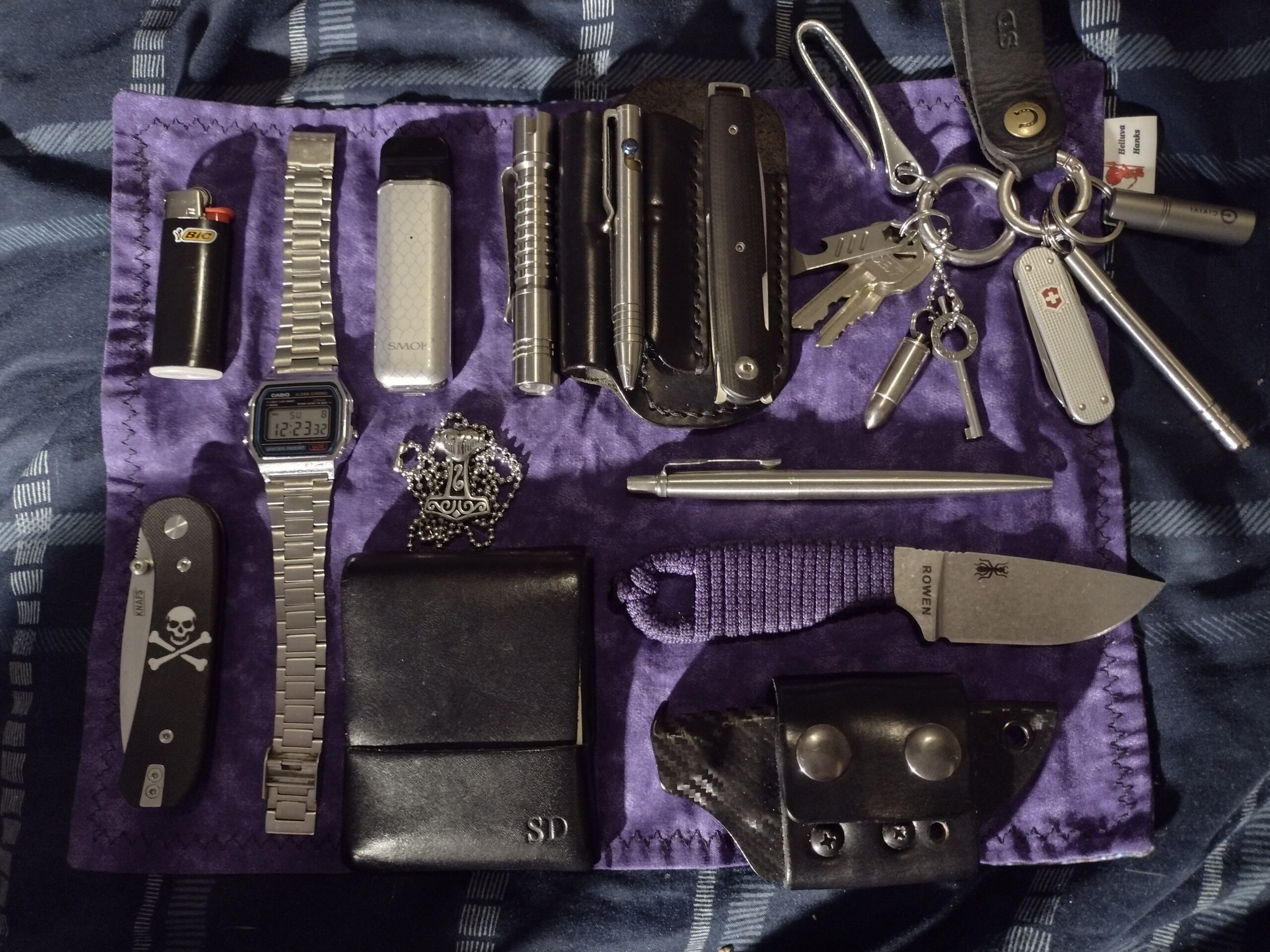
In the culinary arts, the distinction between food-safe implements and general utility tools is not merely a preference; it is a matter of professional integrity and food safety compliance. Stephen’s decision to carry four separate knives—three folding blades and one fixed-blade ESEE—is rooted in the strict avoidance of cross-contamination.
In a professional kitchen, knives used for food preparation are subject to rigorous cleaning and sanitization schedules. Conversely, blades utilized for general tasks, such as opening shipping boxes, breaking down pallets, or performing facility maintenance, are frequently exposed to adhesives, dust, and non-food-grade materials. By maintaining a strict boundary between "kitchen-only" blades and "utility" blades, professionals minimize the risk of introducing pathogens or chemical contaminants into the food supply chain. This approach aligns with industry standards set by organizations like the Food and Drug Administration (FDA) and local health departments, which mandate the separation of tools based on their specific utility.
Inventory Analysis: The Components of a Culinary EDC
The gear curated by Stephen reflects a sophisticated understanding of both value and performance. His selection includes:
- The ESEE Izula (S35VN): This fixed-blade knife serves as the "workhorse" of the collection. The choice of S35VN steel is significant; it offers a superior balance of edge retention, toughness, and corrosion resistance, which is essential for a tool that may be subjected to rougher, non-culinary tasks.
- The Knafs EDC Folder: Serving as a primary general-purpose folder, this knife is favored for its ergonomics and reliability.
- The Boker Gentleman’s Folder: This represents the "slim" category, providing a less intrusive option for tasks that do not require a heavy-duty blade, demonstrating a nuanced approach to selecting the right tool for the specific job.
- Writing Instruments: The inclusion of a Parker Jotter alongside a premium titanium bolt-action pen illustrates a dual-track strategy. The Parker Jotter provides a reliable, low-cost option for quick notes in potentially messy environments, while the titanium bolt-action pen offers a durable, high-end alternative for more formal administrative needs.
Organizational Strategies for High-Volume Environments
Beyond the individual items, the method of carry is critical for those working in fast-paced kitchen settings. The utilization of leather sheaths and keychain-based organizational systems serves a dual purpose: it prevents the loss of equipment and ensures that tools do not occupy valuable pocket space.
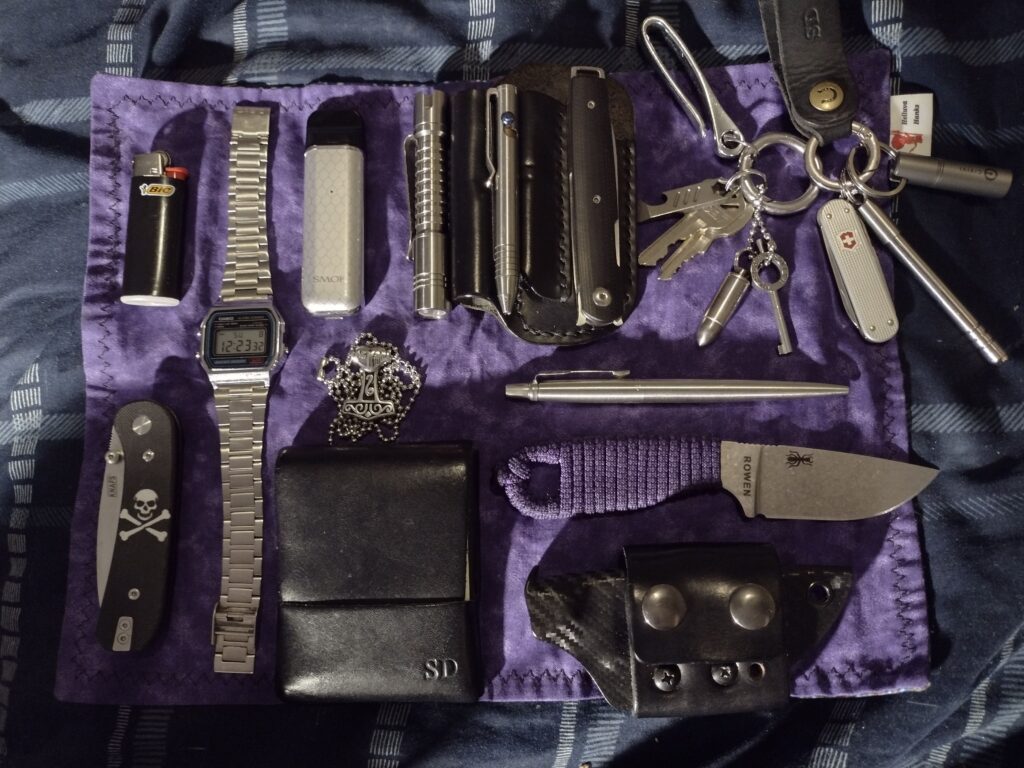
In a kitchen, where staff are frequently moving between stations, bending, and reaching, the "hanging" storage method—where gear is secured to the belt or apron rather than placed loose in pockets—reduces the risk of tools falling into food products or machinery. This organizational discipline is a hallmark of experienced kitchen staff who understand that the physical environment is as much a part of their toolkit as the blades themselves.
Chronology of Culinary Gear Evolution
The shift toward specialized EDC in the culinary field has evolved significantly over the past two decades. Historically, kitchen staff relied almost exclusively on tools provided by the employer or kept in a centralized knife roll. However, as the EDC movement has matured, the trend has shifted toward personal customization.
- Early 2000s: Kitchen staff largely adhered to traditional, standardized equipment. Personal EDC was limited to basic pocket knives or simple multi-tools.
- 2010s: The rise of online enthusiast communities facilitated the exchange of information regarding metallurgy, handle materials, and locking mechanisms. This era saw an increase in culinary professionals investing in high-end, personal utility blades.
- 2020-Present: The integration of modern materials like titanium, G10, and high-performance steels (such as S35VN) has become commonplace. The focus has transitioned from mere functionality to ergonomic efficiency and long-term durability.
Industry Data and Safety Implications
The professional culinary sector is one of the most heavily regulated environments in the workforce. According to data from the Occupational Safety and Health Administration (OSHA), lacerations and musculoskeletal injuries remain among the most frequent incidents in commercial kitchens.

The importance of using the correct tool for the correct task cannot be overstated. When a professional uses an under-engineered or improperly maintained tool, the risk of slippage increases. Stephen’s strategy of having a specific knife for every "occasion" is a risk management protocol. By selecting a dedicated, high-quality fixed blade for heavy-duty box cutting, the individual avoids the temptation to use a delicate, ultra-sharp culinary knife for tasks it was not designed to perform, thereby preserving both the integrity of the blade and the safety of the user.
Analysis of Financial Investment in Professional EDC
A critical observation in the assessment of this EDC kit is the intentional mix of budget-friendly and premium items. The Parker Jotter, priced under $10, is a testament to the utility of classic design. It offers a stainless-steel construction that is easy to clean and sanitize—a mandatory feature in a kitchen environment. By pairing this with a premium titanium pen, the user optimizes their financial expenditure; they do not risk high-value items in tasks where loss or damage is probable, yet they maintain a high-quality option for daily administrative work. This "tiering" of gear is an effective financial strategy for professionals who require high-performance tools but operate in environments where gear is subject to extreme wear and tear.
Broader Impact on Professional Standards
The practice of curating an EDC collection is more than a hobby; it is a manifestation of professional readiness. For a cook, the ability to perform a task without searching for a misplaced tool or using an inappropriate implement improves throughput in a high-volume kitchen.

Furthermore, the trend of sharing these configurations through online platforms serves as a knowledge-sharing network. It allows junior staff to learn from the experiences of veterans regarding which materials hold up to the heat, humidity, and constant motion of a professional kitchen. The transparency provided by such examples helps standardize "best practices" across the industry, potentially reducing equipment waste and increasing the longevity of the tools used.
Conclusion
The equipment profile of a professional cook in Minnesota serves as a microcosm of the modern professional’s relationship with their tools. By prioritizing sanitation, task-specific application, and smart financial investment, the modern kitchen professional ensures they are equipped to handle the diverse demands of their environment. As the culinary field continues to emphasize efficiency and safety, the role of well-considered, durable, and highly organized EDC gear will likely remain a critical component of professional success. The shift from generic tools to personalized, high-performance kits reflects a broader professional commitment to excellence, ensuring that whether a cook is prepping a meal or managing the logistics of the kitchen, they are equipped with the precision required for the task at hand.