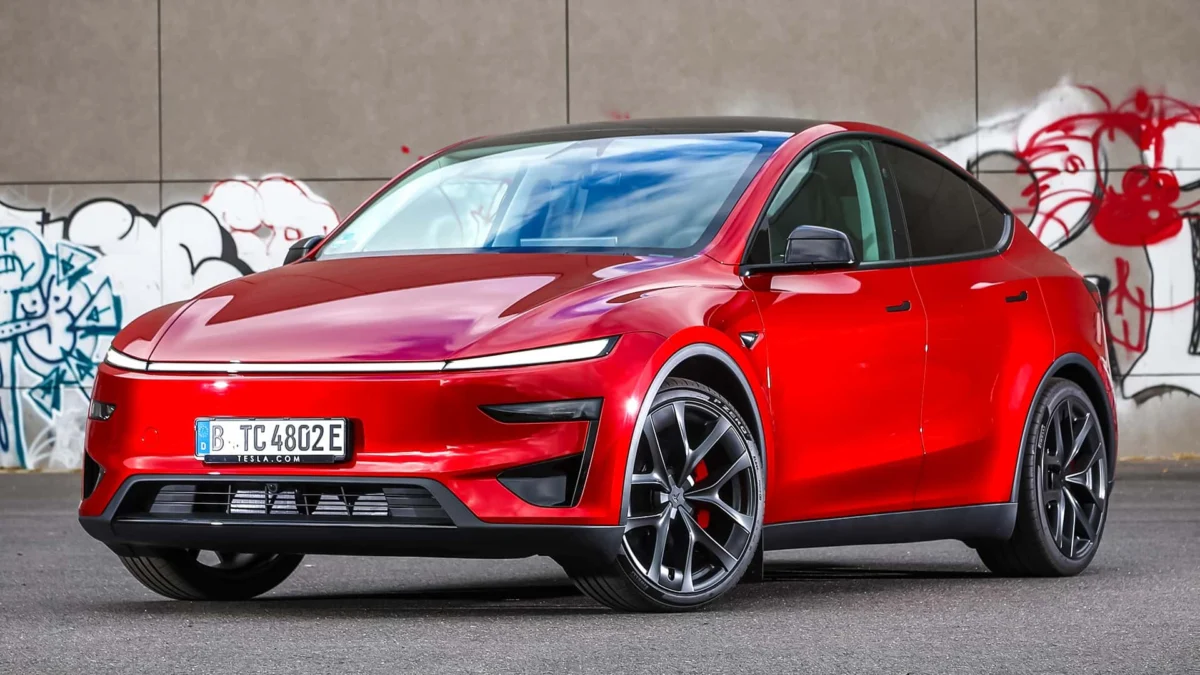
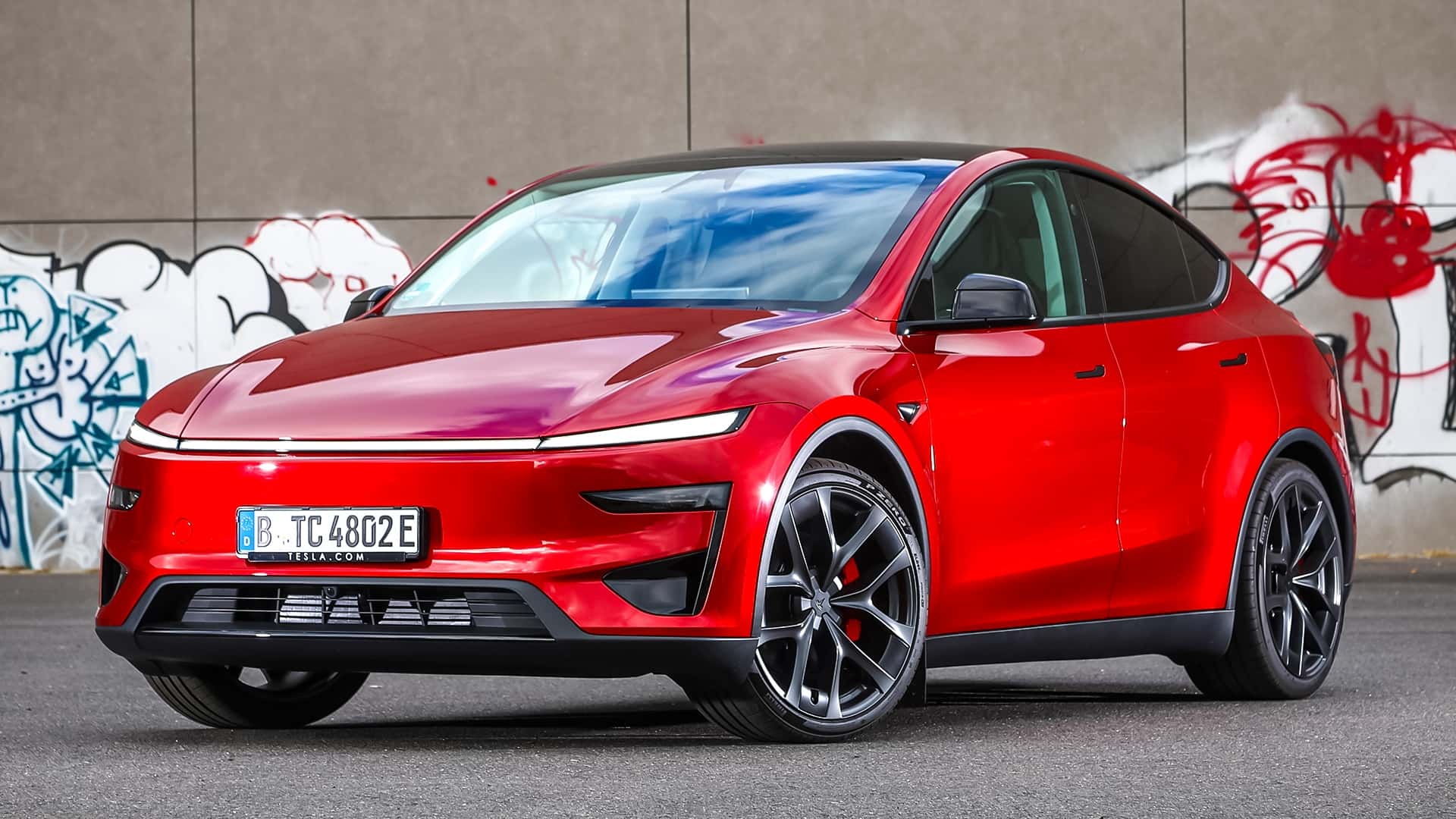
In a peculiar turn of events that highlights the intricate global landscape of automotive safety regulations, Tesla has initiated a recall affecting a remarkably small number of its Model 3 and Model Y vehicles. The recall, impacting just 15 cars, stems not from a widespread defect or an immediate safety hazard, but rather from a subtle yet significant divergence in regulatory compliance between Canada and the United States. These vehicles, manufactured with Canadian safety standards in mind, inadvertently found their way into the U.S. market, necessitating their repurchase by Tesla to ensure adherence to American Federal Motor Vehicle Safety Standards (FMVSS).
Unusual Circumstances Behind a Limited Recall
The recall, as detailed in a filing with the National Highway Traffic Safety Administration (NHTSA), involves Model 3 and Model Y vehicles that were not originally intended for sale in the United States. While Tesla manufactures these popular electric vehicles in multiple global facilities, including its plants in Shanghai, China, and Berlin, Germany, each production line is calibrated to meet the specific safety requirements of its target market. The anomaly arose when a small batch of vehicles manufactured for Canadian compliance inadvertently entered the U.S. distribution channels.
Unlike many recalls that address critical safety flaws such as braking system malfunctions or airbag deployment issues, this situation is less about a failure of the vehicle’s fundamental safety systems and more about a mismatch in compliance documentation and adherence to specific national mandates. Tesla, in its proactive approach to regulatory adherence, has opted to buy back these 15 vehicles from their owners. This measure will allow Tesla to reintroduce them into the market after ensuring they meet all U.S. safety specifications, or potentially re-export them to Canada where they are compliant.
Divergent Safety Standards: The Root of the Issue
The core of this unusual recall lies in the nuanced differences between Canadian motor vehicle safety standards and the U.S. FMVSS. While both countries prioritize occupant safety, the specific requirements and the methods of testing can vary. For instance, Canadian regulations, while robust, do not mandate the inclusion of knee airbags, a feature that is a standard requirement under U.S. FMVSS for passenger vehicles. This particular omission is a key factor in the non-compliance of the affected Tesla models.
Furthermore, the structural integrity of vehicle components, such as bumper impact resistance, is subjected to different testing protocols in each country. The 15 recalled Teslas have not undergone impact resistance testing that aligns with American standards. This means that while they may perform adequately under Canadian testing regimes, their performance in specific crash scenarios as defined by U.S. regulations cannot be guaranteed. This distinction, though seemingly minor to the average consumer, is critical for regulatory bodies tasked with ensuring the highest levels of safety for their respective populations.
Timeline of Events and Tesla’s Response
The recall process, initiated by Tesla, began with the identification of the non-compliant vehicles. This was likely a result of internal quality control checks or potentially during the import and registration process within the U.S. Tesla has officially notified its showrooms about the situation and has also reached out directly to the owners of the 15 affected vehicles.
The company has set a deadline of September 5th for the buyback process to be completed. This prompt timeline underscores Tesla’s commitment to resolving the issue swiftly and minimizing any potential inconvenience to its customers. Importantly, there have been no reported incidents or crashes involving these 15 non-compliant Teslas, mitigating the immediate risk to public safety and emphasizing the preventative nature of this recall. The owners are being offered the opportunity to reorder new vehicles, which will undoubtedly be manufactured to U.S. safety specifications.
Broader Implications and Industry Context
This recall, while small in scale, offers a fascinating glimpse into the complexities of global automotive manufacturing and the stringent regulatory environments that manufacturers must navigate. As electric vehicle production increasingly becomes a globalized endeavor, with companies like Tesla sourcing components and assembling vehicles across multiple continents, ensuring compliance with the diverse array of international safety standards is paramount.
The automotive industry has a long history of recalls, often driven by significant safety concerns. Data from NHTSA indicates that vehicle recalls are a regular occurrence, with manufacturers issuing thousands of them annually to address issues ranging from minor software glitches to critical component failures. For example, in recent years, various manufacturers have recalled millions of vehicles for issues related to Takata airbags, an industry-wide problem that highlighted the importance of rigorous component testing and supply chain management. Similarly, recalls related to advanced driver-assistance systems (ADAS) are becoming more common as the technology evolves, necessitating updates and adjustments to meet evolving safety benchmarks.
However, recalls stemming from differences in regulatory interpretation, particularly those involving what might be perceived as relatively minor omissions like knee airbags, are far less common. This situation underscores that even advanced vehicles built by innovative companies are subject to the sometimes-idiosyncratic rules of different jurisdictions. The fact that a vehicle can be perfectly safe and compliant in one developed nation but not another illustrates the intricate patchwork of global automotive legislation.
Analysis of the Situation
From an analytical perspective, this recall highlights several key points:
- The Importance of Global Compliance: Tesla’s global manufacturing strategy necessitates meticulous attention to the specific safety regulations of every market it serves. While efficiency and cost-effectiveness are crucial, regulatory compliance must remain a top priority to avoid such recall scenarios.
- Proactive Problem Solving: Tesla’s swift action to buy back the vehicles demonstrates a commitment to customer satisfaction and regulatory adherence, even in unusual circumstances. This approach helps maintain brand trust and mitigates potential reputational damage.
- Nuances in Safety Standards: The recall serves as a reminder that "safety" is not a monolithic concept. Different countries prioritize different aspects of safety and employ varying testing methodologies. What is considered best practice in one region may not be in another, requiring manufacturers to invest in deep regulatory intelligence.
- The Scale of the Issue: While 15 vehicles is an exceptionally small number, the underlying principle applies to any quantity of vehicles that might be misplaced across regulatory boundaries. This situation might prompt Tesla to review its internal processes for ensuring market-specific compliance for all vehicles produced, regardless of their final intended destination.
Future Outlook
As the automotive industry continues to electrify and innovate, the complexities of global regulations will only intensify. Companies will need to invest in robust systems for tracking and implementing country-specific requirements. For Tesla, this recall, though minor, serves as a valuable learning experience. It reinforces the need for unwavering diligence in ensuring that every vehicle manufactured meets the precise safety standards of the market in which it is sold, preventing the peculiar situation where a car is deemed "too Canadian" for American roads. The company’s commitment to rectifying this situation swiftly, without any reported safety incidents, underscores its ongoing efforts to balance innovation with regulatory responsibility.