The global automotive landscape is undergoing a structural shift driven by geopolitical tensions, shifting consumer demands, and rapid technological innovation in the electric vehicle sector. As conflicts in the Middle East drive up traditional fuel costs and inflate the prices of new internal combustion engine and hybrid vehicles, legacy Western automakers face a compounded challenge. Beyond struggling to match the affordability and advanced technological integration of newer market entrants, traditional manufacturers are now confronting an unexpected and rapidly expanding phenomenon: the surge of pre-owned electric vehicles exported from China into Western markets.
Despite stringent protectionist trade policies implemented by Western governments to safeguard domestic manufacturing, international trade dynamics have created a lucrative secondary market. Pre-owned electric vehicles originating from China are successfully bypassing steep import tariffs, offering Western consumers high-specification, low-mileage alternatives at significant discounts compared to locally available models.
Protectionist Policies and the Tariff Barrier
Over the past several years, traditional automotive powerhouses in Europe and North America have grown increasingly defensive regarding the rapid ascendance of Chinese battery-electric vehicle (BEV) manufacturers. To protect domestic industrial bases and employment, governing bodies have introduced severe financial barriers. The European Union, for instance, implemented retaliatory tariffs on new Chinese BEVs reaching as high as 45.3%, alongside strict quantitative limits on overall vehicle imports. Similar regulatory frameworks and import restrictions have been adopted or considered in other Western jurisdictions, including Canada.
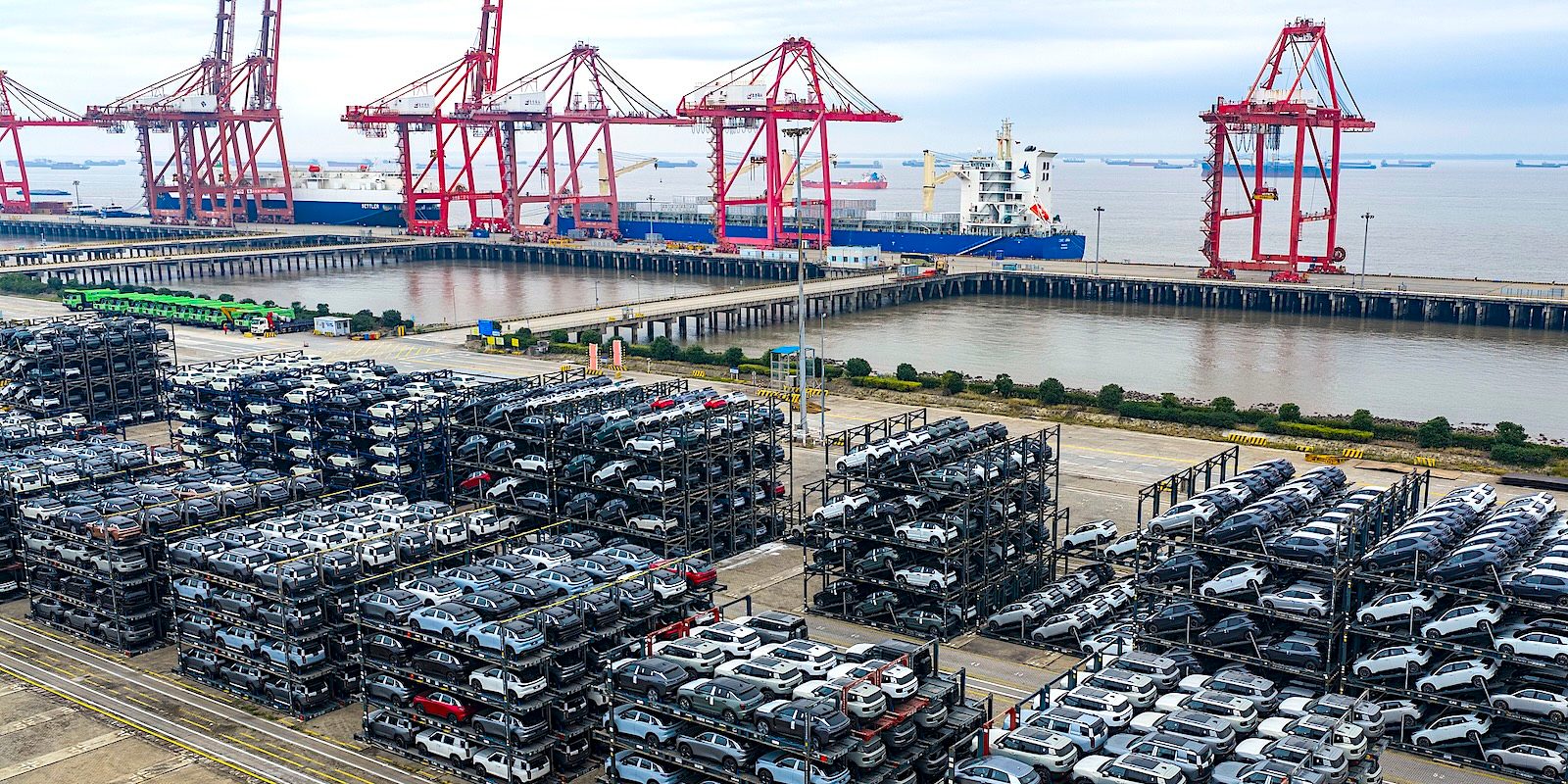
While these protectionist measures were designed to stifle the influx of competitively priced new vehicles and give legacy brands vital breathing room to develop their own electric platforms, they have simultaneously created an acute supply deficit. This artificial restriction of supply has driven up the cost of new electric vehicles in Western markets, leaving a large segment of eco-conscious and budget-conscious consumers priced out of the new car market.
Consequently, buyers in regions such as Europe and Canada have begun looking outside traditional dealership networks. They are discovering that pre-owned electric vehicles sourced directly from China offer a viable loophole. Because these cars have already been registered and utilized abroad, they are generally exempt from the punitive new-car import duties and stringent hybrid quotas that plague primary trade channels.
Market Growth and Empirical Data
The secondary market for Chinese electric vehicles is no longer a marginal trade route; it has expanded into a multi-million-dollar cross-border enterprise. According to operational metrics shared by specialized import-export platforms such as China EV Marketplace (CEVM), pre-owned vehicle sales destined for European Union customers experienced a staggering year-over-year growth rate of 280%. By the end of September, cumulative sales through these specialized channels reached approximately 7,900 units, signaling a robust and accelerating consumer appetite.
Industry executives attribute this explosive growth directly to regulatory discrepancies between new and used vehicle trade laws. In recent statements, CEVM Chief Operating Officer Jakub Gerśl noted that while tariffs have measurably suppressed demand for brand-new Chinese BEVs, the pre-owned sector remains largely insulated from these fiscal penalties. As a result, international export strategies have rapidly pivoted to prioritize the secondary market, transforming used vehicle logistics into the core driver of expansion for these enterprises.

The Dynamics of Sourcing and Pricing
The economic value proposition of a pre-owned Chinese electric vehicle is stark. Platforms like CEVM maintain inventories featuring thousands of pre-owned models from globally recognized and emerging Chinese brands, including BYD, Geely, and Zeekr. These vehicles typically enter the export market at prices averaging roughly 40% below their original manufacturer’s suggested retail price (MSRP) in China.
This substantial depreciation is not indicative of poor build quality or mechanical failure. Rather, it is the result of unique structural pressures within China’s domestic automotive sector. China boasts the world’s most advanced and aggressively competitive electric vehicle ecosystem, characterized by relentless technological iteration, frequent model refreshes, and an intensely competitive pricing war among domestic manufacturers. Furthermore, Chinese car culture places a premium on vehicle newness, leading to rapid turnover rates among consumers.
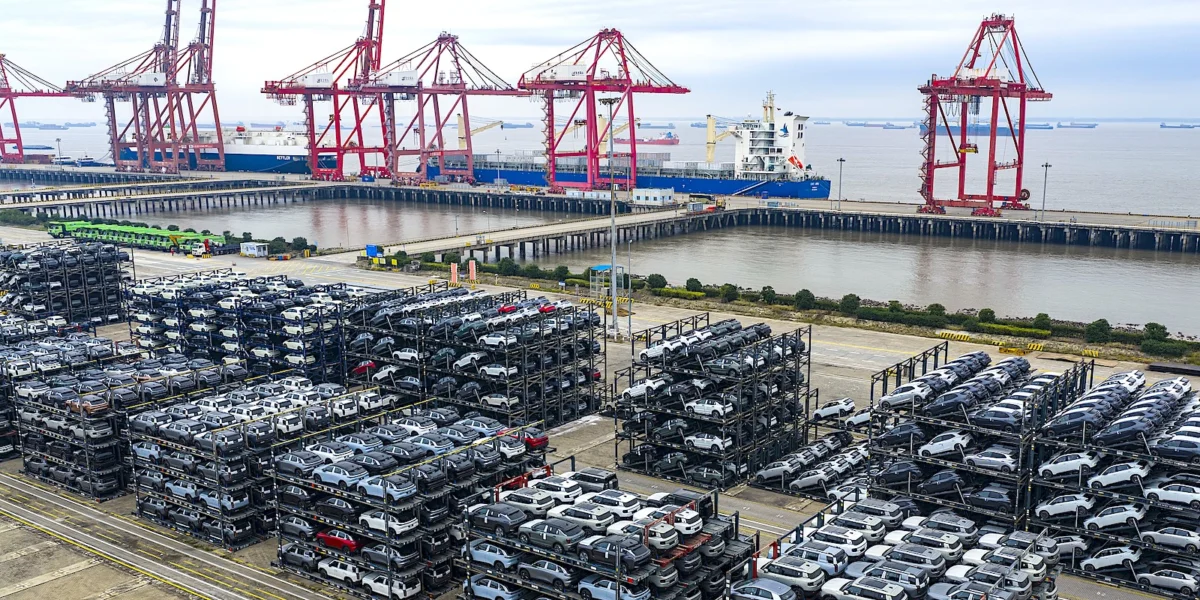
Consequently, export-focused supply chains are able to source near-new vehicles that have accrued minimal mileage—often as little as 6,000 kilometers—and reintroduce them to international buyers at a steep discount. A Shanghai-based sourcing team can routinely acquire advanced, high-tech vehicles equipped with state-of-the-art driver-assistance systems, superior battery thermal management, and modern digital cockpit architectures, and deliver them to Western ports at a fraction of the cost of a locally manufactured equivalent.
Implications for Legacy Western Automakers
The proliferation of used Chinese electric vehicles poses a profound strategic threat to legacy automakers in Europe and North America, many of whom are already navigating severe internal crises. Traditional giants such as Volkswagen have announced massive structural reorganizations, including extensive workforce reductions and potential plant curtailments, as they struggle to achieve production cost parity with Asian competitors.

For decades, the traditional automotive business model relied on a predictable depreciation curve and a well-established separation between the new and used car markets. However, the continuous influx of high-tech, low-mileage pre-owned imports disrupts this equilibrium. By providing consumers with access to advanced electric mobility at price points that significantly undercut Western entry-level models, these grey-market and specialized export channels are effectively capturing market share that legacy brands desperately need to fund their own long-term electrification transitions.
Market analysts observe that legislative frameworks struggle to keep pace with the velocity of global supply chains and consumer demand. Once consumers transition to electric vehicles—attracted by lower operational costs, reduced maintenance requirements, and superior technological integration—historical data indicates that extremely few revert to internal combustion engines. As secondary channels continue to normalize the acquisition of foreign electric vehicles, Western automakers face an accelerated timeline to restructure their operations, lower production costs, and accelerate software and hardware development.
Broader Economic and Industrial Outlook
The unfolding dynamics of the used Chinese electric vehicle trade highlight the limitations of protectionist trade policy in a globally interconnected technology market. While tariffs can temporarily shield domestic industries from direct competition in the primary sales sector, they frequently catalyze innovative workarounds that satisfy pent-up consumer demand through alternative channels.
As specialized logistics networks mature and consumer awareness regarding the quality and value of pre-owned Chinese electric vehicles grows, Western regulators and automakers will be forced to reevaluate their long-term strategies. Whether through accelerated technological catch-up, consolidation, or policy adjustments, the traditional automotive industry must confront the reality that globalized competition can no longer be effectively contained by regional trade barriers alone. The secondary market has opened a new frontier in the global automotive war, and its ultimate outcome will depend on how swiftly legacy manufacturers can adapt to a rapidly modernizing consumer base.