Tesla has extended its Bay Area ride-hailing service, offering pickups and drop-offs at San Francisco International Airport (SFO). This significant expansion, announced via the company’s official channels on July 21, 2026, allows users in the region to seamlessly request rides directly to and from one of California’s busiest and most critical transportation hubs. The move signifies a pivotal step in Tesla’s strategy to integrate its automotive and mobility services, particularly within key urban and travel corridors.
The enhancement of Tesla’s ride-hailing service to include SFO is underpinned by the company’s secured limousine permit for airport operations. Public records confirm that this permit became effective on March 20, 2026, and is slated to remain active through January 31, 2027. Vehicles participating in the service now prominently display authorized limousine permits issued by the City and County of San Francisco, signifying compliance with local transportation regulations and a commitment to operating within established legal frameworks.
A Growing Network of Autonomous Mobility
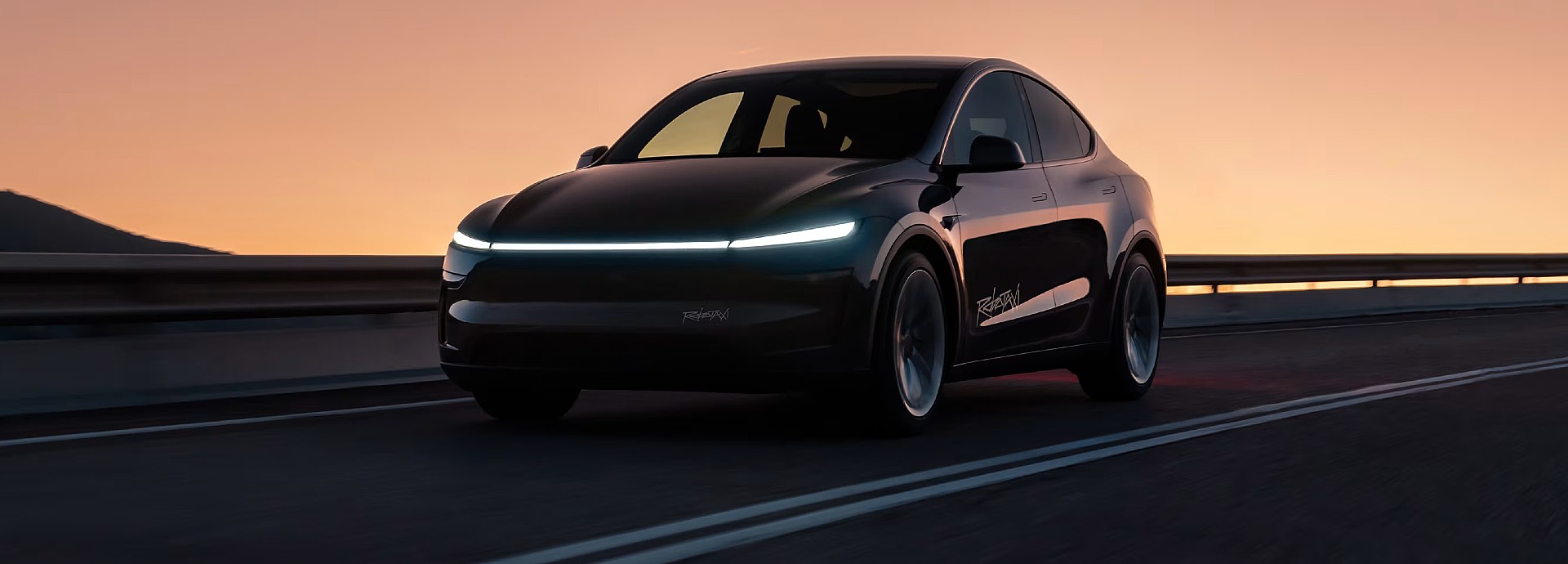
This latest development builds upon Tesla’s ongoing efforts to establish a robust autonomous ride-hailing network. The Bay Area service primarily utilizes Model Y vehicles equipped with Full Self-Driving (Supervised) technology. Crucially, in adherence to current California state regulations, human safety drivers remain present in these vehicles. This distinguishes the service from fully driverless operations and underscores Tesla’s phased approach to deploying autonomous technology in real-world scenarios.
The operational geofence for Tesla’s Bay Area ride-hailing program is extensive, encompassing a broad swathe of the region. It stretches from north of San Francisco down to San Jose, providing comprehensive connectivity across a densely populated and economically vital area. This broad coverage is designed to maximize user accessibility and operational efficiency.

Strategic Airport Integration: A Phased Approach
The inclusion of SFO follows a series of strategic airport integrations by Tesla. In late 2025, the company successfully expanded its service to San Jose Mineta International Airport (SJC). Prior to these operational launches, Tesla had actively engaged with officials from SFO, SJC, and Oakland International Airport as early as September 2025. These early discussions were aimed at securing the necessary approvals and permits required for passenger transport services at these key aviation facilities.
This progressive integration into airport ecosystems offers travelers a novel option for electric, app-based transportation. The service is seamlessly integrated into Tesla’s existing ecosystem, with rides booked through a dedicated ride-hailing application. This application manages the entire user journey, from ride matching and routing to secure payment processing. Pricing models are designed to align with industry standards for ride-hailing services, with potential adjustments based on factors such as distance, travel time, and real-time demand.

Timeline of Tesla’s Ride-Hailing Expansion
- July 2025: Tesla’s California ride-hailing program officially launched with an initial invite-only rollout in the Bay Area. This launch coincided with the commencement of similar operations in Austin, Texas, marking Tesla’s entry into its second major U.S. market for this service.
- Late 2025: Service was expanded to include San Jose Mineta International Airport (SJC), demonstrating an early focus on integrating with major transportation hubs.
- Early 2026 (March 20): Tesla secured its limousine permit for San Francisco International Airport (SFO) operations, effective through January 31, 2027.
- July 21, 2026: Tesla announced the official expansion of its Bay Area ride-hailing service to include San Francisco International Airport (SFO).
The Bay Area remains a strategic cornerstone of Tesla’s mobility ambitions within California. The service is primarily concentrated on high-demand corridors that connect residential areas, commercial centers, and, now, major transportation hubs. This recent airport integration represents a tangible advancement in Tesla’s broader vision for future mobility solutions.
Broader Implications for the Transportation Landscape
The expansion of Tesla’s ride-hailing service to SFO has several significant implications for the future of urban and airport transportation. Firstly, it offers a competitive alternative to traditional ride-sharing services and airport shuttles, potentially driving innovation and service improvements across the sector. The integration of electric vehicles aligns with California’s aggressive climate goals and underscores the growing trend towards sustainable transportation.
Secondly, the development signals a maturing market for autonomous and semi-autonomous ride-hailing. As Tesla refines its technology and navigates regulatory landscapes, its success at major airports could pave the way for similar deployments by other companies, accelerating the adoption of driverless transportation. The presence of safety drivers, while currently mandated, also provides valuable data and operational experience that will inform the eventual transition to fully driverless operations.
The strategic choice of SFO, a global gateway, suggests Tesla’s ambition to capture a significant share of the lucrative airport transportation market. For travelers, it promises a more convenient and potentially more sustainable way to reach their destinations, bypassing the complexities of traditional car rentals or the uncertainty of finding immediate traditional ride-shares.
Tesla’s Evolving Mobility Vision
Tesla’s foray into ride-hailing is not merely an extension of its automotive business; it is a fundamental component of Elon Musk’s long-term vision for the company. Musk has consistently articulated a future where Tesla vehicles are not just privately owned but also contribute to a shared mobility network, generating revenue when not in personal use. This vision is intrinsically linked to the advancement and deployment of Tesla’s Full Self-Driving technology.
The company’s approach, characterized by a phased rollout and continuous iteration, allows it to gather real-world data and adapt its technology and services based on operational feedback. The inclusion of airports like SFO represents a calculated step towards normalizing autonomous ride-hailing in environments where efficiency, reliability, and safety are paramount.
The legal and regulatory framework surrounding autonomous vehicles is still evolving, and Tesla’s progress at SFO will be closely watched by industry observers, policymakers, and competitors alike. Successful integration at such a high-profile location could set a precedent for future deployments across the United States and globally, further solidifying Tesla’s position as a leader in the transition to autonomous and electric mobility. The ongoing efforts at SFO are a testament to Tesla’s persistent drive to redefine personal and public transportation.