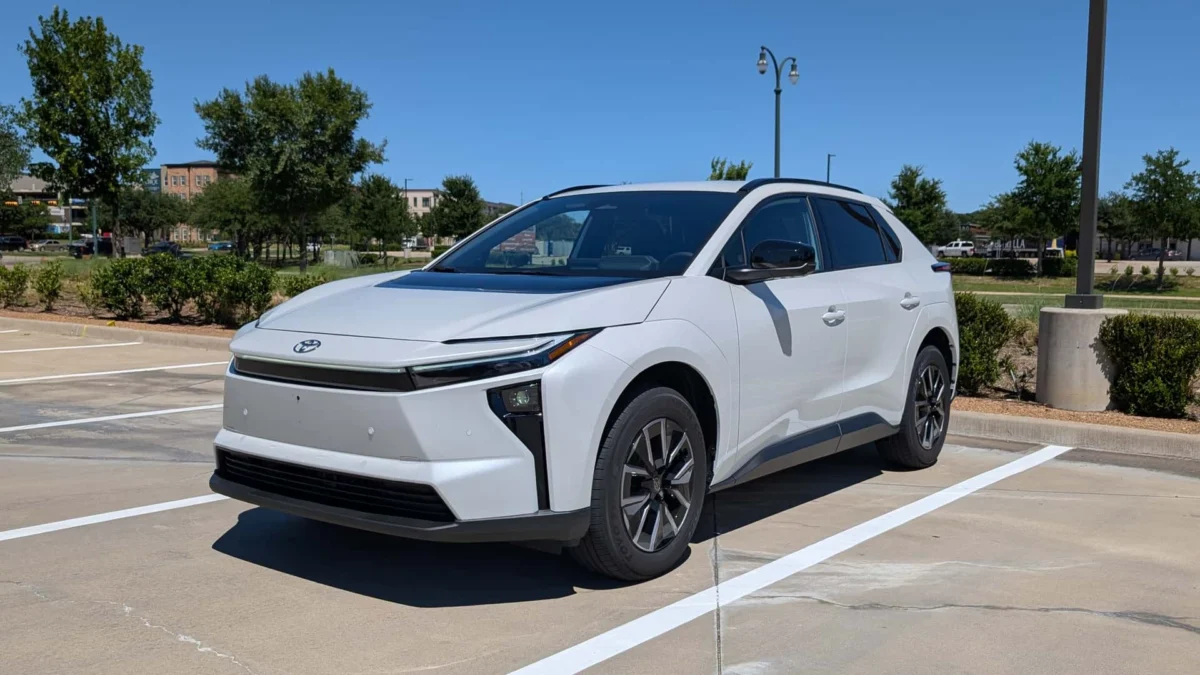
Automakers are continuing to employ a variety of strategies to attract consumers to the burgeoning electric vehicle (EV) market, with some offering substantial incentives to those willing to make the switch. Toyota is particularly keen on converting buyers to its bZ line, rolling out a new offer designed to entice owners of existing EVs to trade in their current vehicles for a model bearing the iconic three-oval emblem. This initiative comes at a time when the EV landscape is rapidly evolving, with increased competition and a growing consumer base seeking sustainable transportation options.
Targeted Conquest Cash for EV Owners
Specifically, Toyota is providing a $3,000 cash incentive on the hood for buyers of its bZ models who are trading in an older electric car. This "conquest cash" program is a direct effort to capture market share from other EV manufacturers. However, this generous offer is not universally applicable and comes with specific criteria. Toyota is targeting owners of electric vehicles manufactured between 2020 and 2023. The exact makes and models that qualify for this trade-in bonus are not exhaustively detailed in the announcement, but the intention is clear: to appeal to those who have already experienced EV ownership and may be considering an upgrade or a change in brand.
Furthermore, this particular incentive appears to be geographically restricted, currently being offered only to buyers residing in California. This focus on a key EV market like California, which has historically shown strong adoption rates for electric vehicles and often leads in regulatory and consumer trends, suggests a strategic approach by Toyota to maximize the impact of this incentive.
Understanding the Incentive’s Nuances
It is important for potential buyers to understand the limitations and conditions associated with this offer. The $3,000 cash incentive is likely not stackable with other significant rebates, such as California’s forthcoming $3,500 EV buying incentive. The state’s new program is reportedly aimed at first-time EV buyers, implying that individuals who already own an EV may not be eligible for both. However, Toyota has included a provision for transferability. If a family member residing in the same household owns one of the qualifying vehicles, the offer can be transferred to them, broadening the potential reach of the incentive within immediate family units. This clause acknowledges the shared nature of household transportation decisions and aims to facilitate a wider family adoption of Toyota’s electric offerings.
Beyond California: Broadening Incentives and Financing Options
While the conquest cash is a California-exclusive offer, Toyota is extending other compelling incentives to customers nationwide. For those looking to purchase a bZ model outside of California, the automaker is providing a highly attractive 0% APR financing option for a 72-month term. This long-term, interest-free financing significantly reduces the overall cost of ownership for buyers, making the bZ models more accessible.
In addition to the low APR financing, Toyota is also offering up to $4,000 in lease cash. This lease incentive can substantially lower monthly payments, bringing the cost of a 36-month lease down to an appealing $349 per month, with a down payment of $3,999. These lease terms are designed to attract consumers who prefer the flexibility of leasing and are looking for a lower initial financial commitment.
Further bolstering these offers, Toyota continues to provide special rebates for specific demographics. Military personnel and recent college graduates can qualify for additional rebates of $750 and $500, respectively. These targeted programs acknowledge the contributions of service members and support the transition of new professionals into the workforce, while also encouraging adoption of greener vehicles.

The Rising Popularity of Toyota’s bZ Line
Toyota’s bZ electric vehicle lineup has experienced a remarkable surge in popularity recently. In the first half of 2026, the company sold an impressive 17,553 units of the bZ models. This sales figure represents a significant achievement, nearly doubling the number of units sold during the same period in the previous year. This growth trajectory suggests that Toyota’s strategic adjustments and product enhancements are resonating with consumers.
The success can be attributed, in part, to the recent updates and improvements made to the bZ line. The refreshed electric crossover, which serves as the successor to the bZ4X, now offers an enhanced driving experience with increased range, improved charging capabilities, and a more refined overall package. These upgrades address key consumer concerns about EV practicality and performance, making the bZ models more competitive in an increasingly crowded market.
Market Context and Strategic Implications
The aggressive incentive strategies deployed by Toyota are indicative of broader trends within the automotive industry. As more manufacturers launch their EV offerings and government regulations push for electrification, competition intensifies. Automakers are employing a multi-faceted approach, combining direct cash incentives, attractive financing, and lease deals to sway consumer purchasing decisions.
The focus on conquest sales, particularly targeting existing EV owners, is a calculated move to gain market share from established players. By offering financial advantages to those switching from competing EV brands, Toyota aims to disrupt the loyalty that some consumers may have to other electric vehicle manufacturers. The specific targeting of models between 2020 and 2023 suggests an effort to attract buyers who may be looking to upgrade from earlier generation EVs, potentially those with less range or slower charging speeds.
The limited-time nature of such incentives, combined with their specific eligibility criteria, underscores the dynamic nature of the automotive market. These offers are often adjusted based on sales targets, inventory levels, and competitive pressures. For consumers, staying informed about these incentives and understanding their terms and conditions is crucial for securing the best possible deal on a new electric vehicle.
Future Outlook for Toyota’s EV Strategy
Toyota’s commitment to electrification is becoming increasingly evident through its product development and marketing strategies. The success of the bZ line, coupled with these new incentive programs, signals a strong push towards a more significant presence in the global EV market. The company’s ability to adapt to consumer preferences and market demands, as demonstrated by the improvements in the bZ models and the tailored incentive packages, will be critical in its long-term success.
As the automotive landscape continues its rapid transition towards electric mobility, manufacturers like Toyota are employing innovative and aggressive tactics to secure their position. The current incentive programs are not just about selling cars; they represent a strategic investment in building brand loyalty and capturing a larger share of the future of transportation. Consumers looking to transition to an electric vehicle may find these offers particularly attractive, especially if they meet the specific criteria for the conquest cash or can benefit from the widely available financing and lease deals. The coming months will reveal the full impact of these initiatives on Toyota’s sales figures and its standing within the competitive EV sector.