Tesla has marked a significant stride in its global electrification strategy this week, simultaneously expanding its operational presence into two new and distinct markets: Latvia in Europe and Uruguay in South America. This rapid, dual-continent maneuver highlights Tesla’s deliberate approach to entering emerging electric vehicle (EV) landscapes characterized by supportive government policies, robust renewable energy infrastructure, and a burgeoning consumer demand for sustainable transportation solutions. The company’s strategic moves in both regions aim to capitalize on these favorable conditions, solidifying its position as a leading force in the global transition to electric mobility.
Strengthening the Baltic Presence: Tesla’s Entry into Latvia
In Latvia, Tesla’s expansion builds upon the initial groundwork laid with the registration of Tesla Latvia SIA in late 2025. Recent developments indicate a clear trajectory toward full operational capacity. The company has actively posted job openings for a dedicated service center and established representation in the capital city, Riga. This initiative aligns with Tesla’s broader European strategy, particularly its expansion across the Baltic states, mirroring the successful model implemented in neighboring Lithuania, which has seen the establishment of pop-up stores and service facilities.
The move into Latvia is strategically timed, as the country demonstrates a growing, albeit still nascent, adoption of electric vehicles. Current data indicates that Battery Electric Vehicles (BEVs) constitute approximately 7% of new passenger car registrations in Latvia. In 2025, this translated to 1,602 BEVs registered out of a total of roughly 22,500 new passenger vehicles, representing a 7.1% share. When considering all plug-in vehicles, the market share approaches 19%. While this growth trajectory is steady, it has historically lagged behind the European average. However, the Latvian government’s commitment to supporting EV adoption through subsidies and ongoing infrastructure development, including public charging points, is creating a more conducive environment. Tesla’s popular models, particularly the Model 3, have already captured a leading position in local EV registrations, suggesting a strong pre-existing demand that official operations are poised to meet.
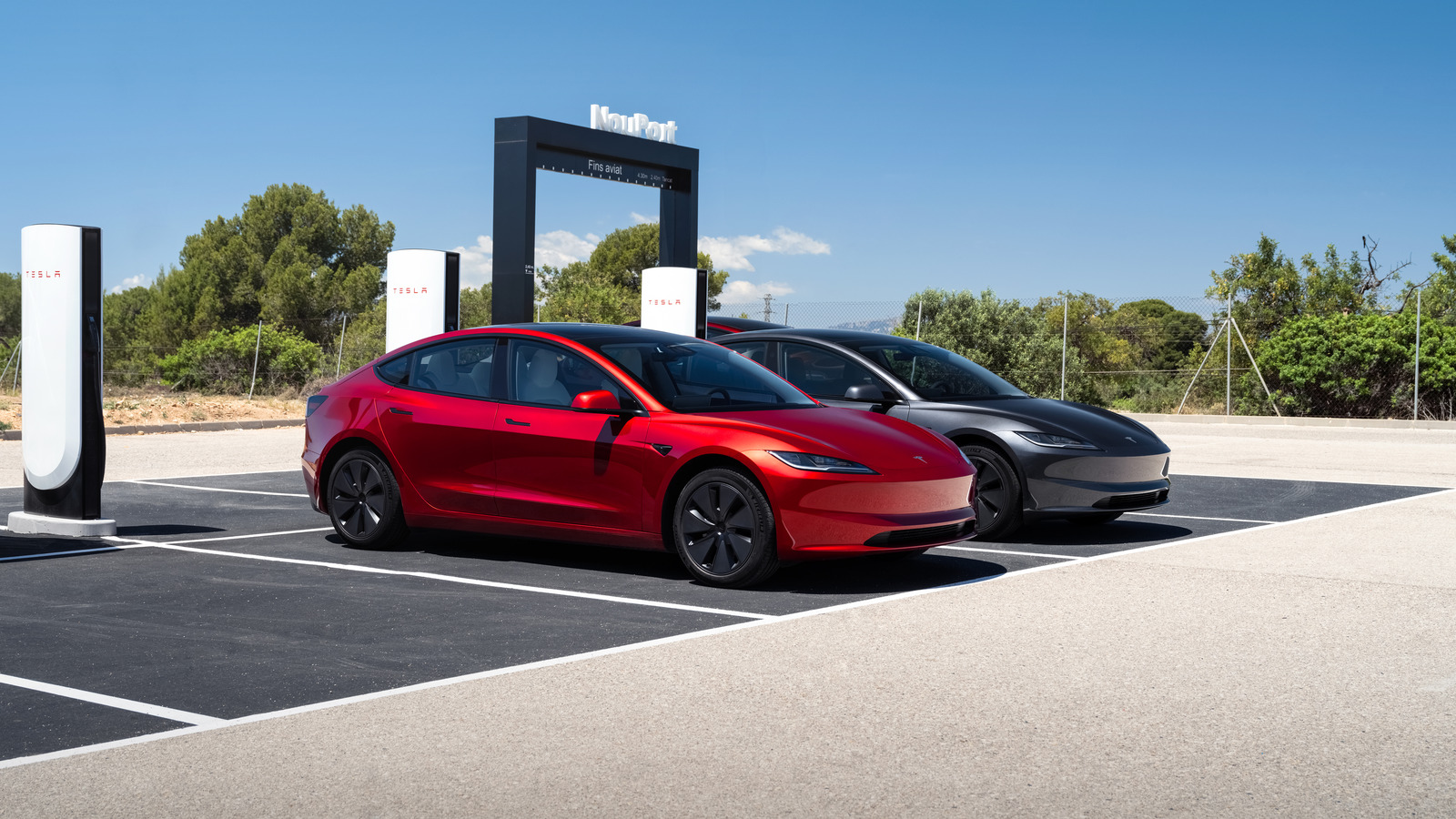
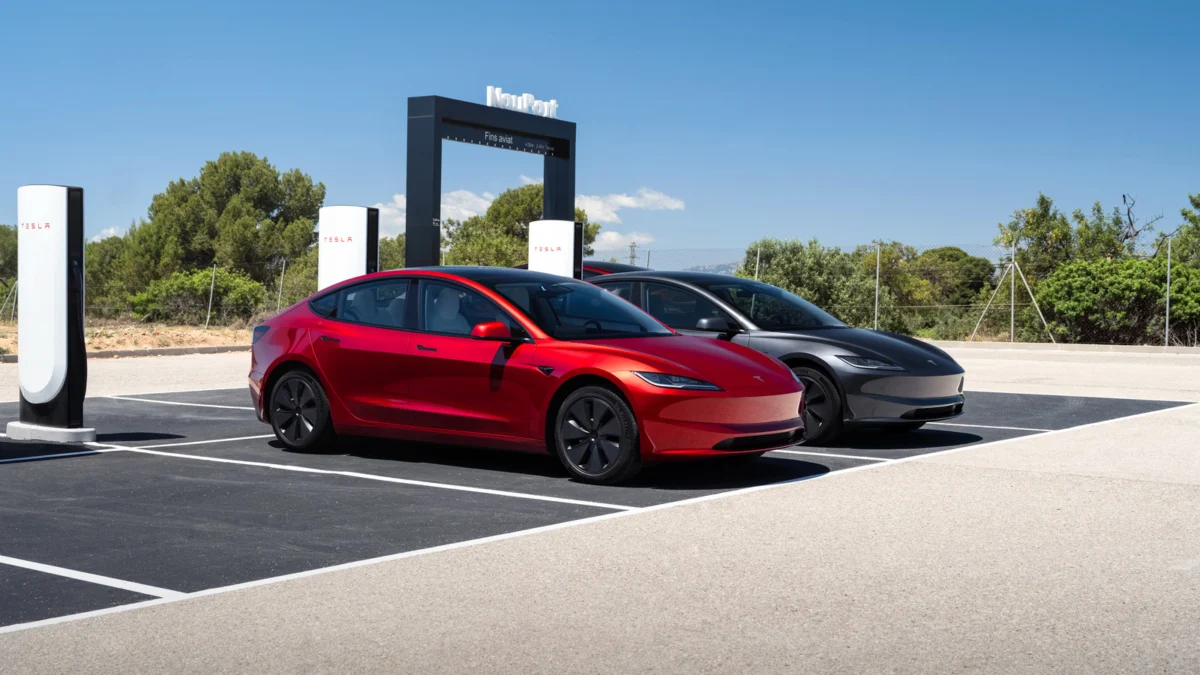
To support its Latvian operations, Tesla is expected to source vehicles primarily from its European manufacturing hub, Gigafactory Berlin, or potentially from Gigafactory Shanghai, ensuring efficient supply chains and timely delivery. The charging infrastructure in Latvia is already considered robust for the region, boasting over 400 public charging points, with Tesla’s own Supercharger network strategically placed in key locations such as Riga, Jūrmala, and along the vital Via Baltica routes. These Superchargers offer high-speed charging capabilities of up to 250 kW, further enhancing the ownership experience for Tesla drivers and signaling a commitment to a seamless transition to electric mobility within the country. The official confirmation of Tesla’s arrival was further amplified by a post from Tesla Europe, Middle East & Africa (@teslaeurope) on X (formerly Twitter) on July 17, 2026, stating, "Coming to Latvia," accompanied by a visual confirmation, underscoring the imminent nature of their operations.
Uruguay Becomes Tesla’s Third South American Hub
In South America, Tesla has officially launched operations in Uruguay, marking its third presence on the continent after Chile and Colombia. The company initiated its engagement with a subtle yet effective social media tease, posting "Estamos llegando," which translates to "We are arriving," building anticipation among potential customers. This was followed by an official presentation scheduled for mid-July, signaling a full-scale market entry.
Tesla’s preparatory steps in Uruguay included the establishment of Tesla Uruguay SAS and the successful homologation of its Model 3 and Model Y, with three distinct versions of each model approved for sale. The company has also appointed local leadership, laying the groundwork for comprehensive sales, service, and support operations. The official confirmation from Tesla Latin America (@Tesla_LatAm) on X on June 30, 2026, with the message "Hola Uruguay! Nuestros Model 3 y Model Y están cada vez mas cerca!" ("Hello Uruguay! Our Model 3 and Model Y are getting closer!"), further solidified the impending launch, accompanied by an engaging visual.
Uruguay stands out as a leader in EV adoption within Latin America. The market has witnessed battery-electric vehicles surpassing a 20% market share, a remarkable achievement driven by a confluence of factors. These include attractive tax incentives designed to promote sustainable transport, persistently high fuel prices that make EVs a more economical choice for consumers, and the nation’s exceptional commitment to renewable energy, with its electricity grid operating at nearly 95-100% renewable sources. While a significant number of Teslas have already been operating in Uruguay through grey imports, official sales will now provide owners with the crucial benefits of manufacturer warranties, dedicated service centers, and authorized technical support, thereby enhancing the overall ownership experience and encouraging wider adoption.

For its Uruguayan market, Tesla will be importing vehicles from its Gigafactory Shanghai. This strategic sourcing is expected to enable competitive pricing for the Model 3 and Model Y, making them more accessible to a broader segment of the Uruguayan population. Complementing the vehicle sales, Tesla has outlined plans for Supercharger development across the country, integrating with the existing charging infrastructure. This initiative leverages Uruguay’s clean energy advantage, promising affordable and sustainable charging for Tesla owners and further solidifying the company’s commitment to promoting electric mobility in a market already primed for its adoption.
Tesla’s Dual Continent Expansion: A Strategic Global Play
The simultaneous entry into Latvia and Uruguay exemplifies Tesla’s sophisticated approach to global scaling. The company’s strategy appears to prioritize markets with a clear potential for EV growth, focusing first on establishing essential service infrastructure and representation before rolling out direct sales operations. This methodical approach allows Tesla to effectively penetrate diverse regional landscapes. In Europe, the Latvian expansion aims to fill gaps in the Baltic region’s EV ecosystem, while in Latin America, the Uruguayan launch positions Tesla to compete effectively against the growing influence of Chinese automakers, leveraging the country’s strong commitment to renewable energy as a key differentiator.
This dual-continent expansion is a clear indicator of Tesla’s overarching ambition to accelerate the global transition to electric vehicles, acknowledging and adapting to the varying paces of adoption across different regions. By carefully tailoring its market entry strategies to address specific local needs—such as subsidies and infrastructure development in Latvia, and incentives coupled with a green energy grid in Uruguay—Tesla not only aims to boost sales volumes but also to advance its core mission of accelerating the world’s transition to sustainable energy.
For investors and consumers alike, these strategic moves underscore Tesla’s resilience and its ability to identify and capitalize on opportunities in diverse and often underserved markets. The successful integration into both Latvia and Uruguay could serve as a blueprint for further expansion into other emerging economies, potentially paving the way for substantial long-term growth as the global EV transition continues to mature. The robust fundamental drivers in both regions—supportive policies, growing demand, and strong renewable energy foundations—suggest that these new markets hold significant promise for Tesla’s continued global development and its impact on the future of transportation.