Published July 14, 2026 08:05 AM
In the evolving landscape of outdoor recreation, couples are increasingly seeking ways to enhance their shared adventures, from navigating challenging trails together to optimizing their gear for shared expeditions. This exploration has led to a growing interest in specialized equipment designed for two, with double sleeping systems emerging as a notable contender for those who prioritize shared experiences and streamlined pack weight. While the concept of a shared sleeping bag and pad might evoke images of cozy intimacy, a closer examination reveals a complex interplay of practicality, comfort, and weight considerations that can significantly impact the backpacking experience.
The Allure of the Shared Sleep System
The appeal of a double sleep system for backpacking couples is multifaceted. Primarily, it stems from the desire to amplify the communal aspect of outdoor excursions. Sharing not only the breathtaking views and arduous climbs but also the tangible burden of equipment can foster a deeper sense of partnership on the trail. The fundamental principle behind communal gear is weight distribution. By consolidating items such as stoves, fuel, water filters, and shelter into a single, shared sleeping system, the overall load carried by each individual can be theoretically reduced. This is particularly attractive for couples with differing hiking paces or strengths, where a more equitable distribution of weight can lead to a more harmonious and sustainable pace for both partners.
The initial hypothesis is that a double sleeping bag and pad could offer a more efficient way to manage gear weight compared to carrying two individual systems. This concept, while more common in the realm of car camping where weight is less of a concern, has seen a nascent but growing presence in the backpacking market. The promise is a more compact and potentially lighter overall package, allowing couples to enjoy the closeness of sharing a sleeping space akin to their domestic comfort, without the usual compromises imposed by the wilderness.
Weighing the Practicalities: Potential Pitfalls and Promises
Before embarking on a real-world test, several potential challenges associated with double sleep systems come to the forefront of consideration. The most immediate concern is the inherent limitation of shared space. While cuddling on a queen-sized bed at home is a familiar comfort, replicating this within the confined environment of a tent presents a distinct set of variables. Temperature regulation is a critical factor in achieving restful sleep, and the combined body heat of two individuals within a single enclosure can lead to overheating, especially in warmer conditions. Furthermore, differing sleep positions and tendencies – such as a stomach sleeper versus a back or side sleeper – can create friction and discomfort within the confines of a shared bag. The potential for unintended physical contact, such as accidental kicks or elbows, is also a tangible concern that can disrupt sleep.
Another significant consideration revolves around the practicalities of weight distribution. While the intention is to consolidate and lighten the load, the actual distribution of a double sleeping system between two backpacks can be surprisingly complex. The sheer volume and weight of a double bag and pad might necessitate strategic packing, and the ability to perfectly balance the load between partners can be compromised. For instance, if one partner is significantly stronger or carries a heavier pack load on solo trips, the introduction of a double system might not necessarily lead to an equalized distribution, potentially exacerbating existing imbalances.
However, the optimistic vision of a double sleep system is one of enhanced intimacy and shared warmth, translating the comfort of a shared bed to the backcountry. The potential for a more compact sleeping arrangement, reducing the overall footprint in a tent and fostering a sense of closeness, remains a powerful draw for many couples. The success of such a system hinges on a delicate balance between these potential advantages and the practical challenges it presents.
Evaluating the Weight Efficiency: Data and Design
The question of whether double sleep systems genuinely contribute to weight efficiency is not as straightforward as it might initially appear. While a single, larger item might seem inherently more efficient than two smaller ones, the actual weight and bulk of available double backpacking options need careful scrutiny. Many double sleeping bags are designed with car camping in mind, prioritizing comfort and capacity over ultralight principles. However, a select few manufacturers are now producing backpacking-specific double systems that aim to strike a balance between weight, packability, and warmth.
One notable example in the market is the Big Agnes King Solomon 20° Doublewide. This bag weighs in at 3 pounds 15 ounces. For comparison, Big Agnes’s comparable single bag, the system it aims to replace, weighs approximately 2 pounds 5 ounces. This indicates that, in some instances, a double bag can indeed be heavier than two individual single bags.
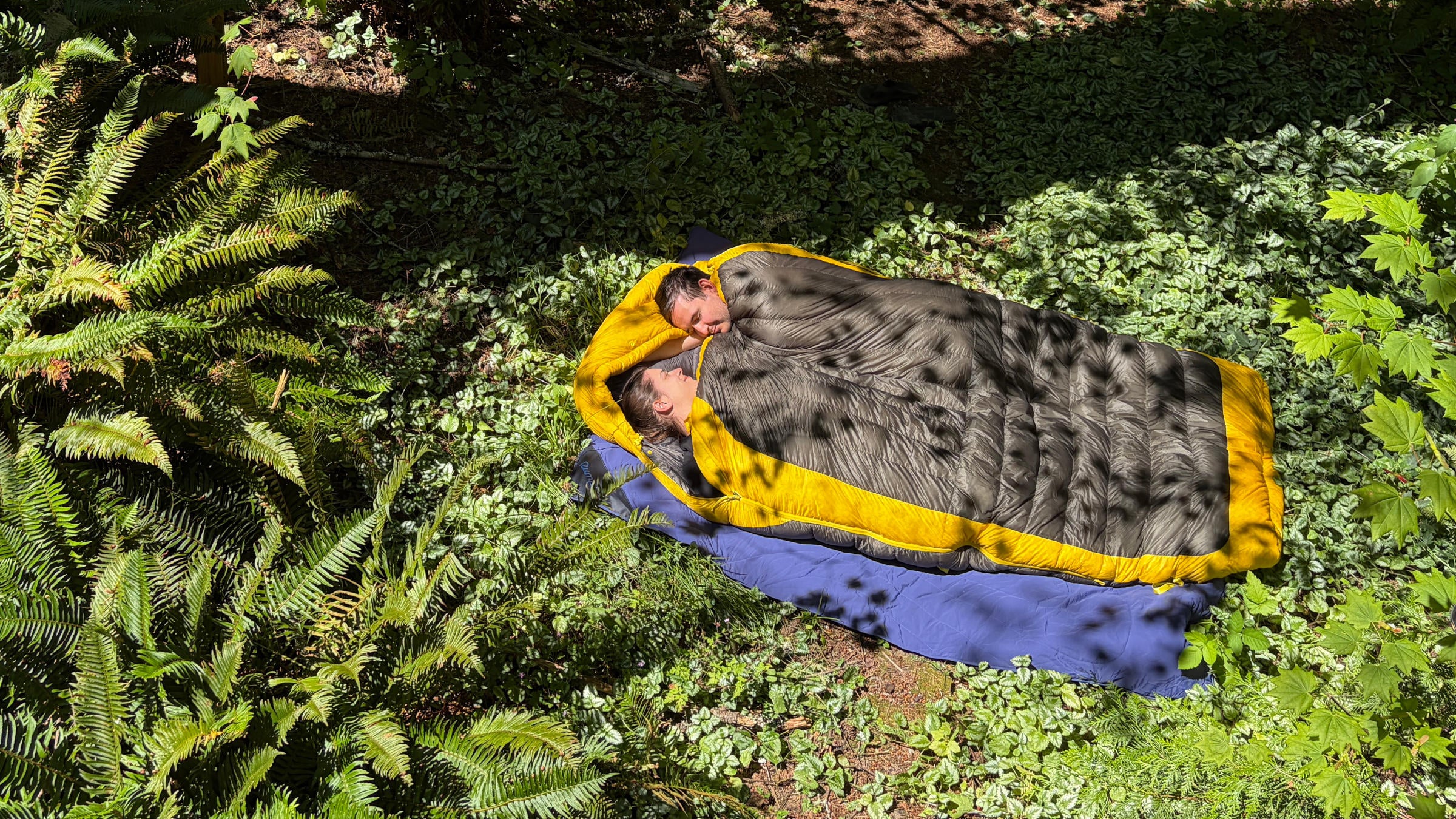
A more ultralight-focused option that has garnered attention is the Sea to Summit Spark Double. Weighing in at 3 pounds 6 ounces, it positions itself as a lighter alternative, even when compared to some single bags designed for colder conditions or budget-conscious hikers. While still a few ounces heavier than two individual Spark single bags from the same product line, its weight is remarkably competitive for a double system. The choice of the Sea to Summit Spark Double for a recent field test was driven by several factors. The testers were already familiar with and appreciated the performance of the Spark single bags, making the transition to a double version less disruptive to their existing gear system. Furthermore, the Spark Double’s generous height rating of up to 6 feet 6 inches offered ample accommodation, a crucial factor for taller individuals. Its 850+ fill-power down insulation also contributes to impressive compressibility, packing down to the size of a standard bear canister, a significant advantage for any backpacking gear.
Complementing the sleeping bag is the sleeping pad. In this instance, the Exped Ultra 1R Duo inflatable pad was utilized. This pad, designed as a dual-occupancy solution, weighs 1 pound 10 ounces in its medium size, a marginal reduction compared to two individual single pads of the same design. Its tapered footbox, a common feature in ultralight inflatable pads, and its packed size, slightly larger than a one-liter Nalgene bottle, contribute to its packability. While it is possible to strap individual pads together, the testers opted for a dedicated double pad due to slight discrepancies in the heights of their usual single pads, which could have created an uneven sleeping surface.
Field Testing: The Verdict on Double Duty
The true efficacy of a double sleep system is best determined through practical application. The tested system, comprising the Sea to Summit Spark Double sleeping bag and the Exped Ultra 1R Duo sleeping pad, was subjected to two distinct long weekend trips. The initial outing involved pairing the double pad with their existing individual sleeping bags and quilts, serving as a preliminary assessment of the shared pad experience. The subsequent and more comprehensive test involved the full double system on a 30-mile trek where nighttime temperatures hovered in the mid-50s Fahrenheit.
The initial impressions of the double sleeping bag were surprisingly positive regarding space. The inclusion of dual zippers, allowing each person to enter and exit from their own side, proved to be a significant convenience, particularly for nocturnal bathroom breaks. Before settling in for sleep, the ample space facilitated shared activities such as reading or engaging in mobile games without the usual spatial constraints. The Spark Double’s design, featuring a slight taper at the footbox, offered a more generous feel than many mummy bags, even with two occupants. For one of the testers, this increased roominess translated into an easier time finding a comfortable sleeping position, mirroring the familiarity of sleeping in their bed at home.
However, the experience for the second tester, Connor, was less consistently smooth. As a more restless sleeper, the ample space that was appreciated by his partner became a source of minor discomfort as he was subjected to their partner’s movements throughout the night. While the initial phase of cuddling before sleep was enjoyable, the extended period of restless sleep led to a preference for the distinct boundaries of separate sleeping bags. The difference in sleeping positions, while not a deal-breaker, underscored the fact that double bags are best suited for individuals who are calm sleepers and have a strong desire for close physical contact.
Contrary to the initial assumption that a double bag would inherently be warmer due to shared body heat, the testers found the opposite to be true in their experience. In similar conditions, the Spark Double resulted in one tester feeling colder than they typically would in their individual Spark 15° bag. While snuggling close to Connor provided immediate warmth, the increased space between them when they naturally shifted apart allowed cold air to infiltrate the bag. The Spark Double does feature a snap closure in the draft collar that could have potentially mitigated this issue by creating a more enclosed space, but this was not utilized during the initial sleep test. The implication here is that the effectiveness of shared warmth is highly dependent on maintaining close physical contact, which can be challenging for restless sleepers.
Another less romantic, but equally practical, consideration is the amplification of body odor. Sharing a confined sleeping space for multiple days inevitably leads to a concentration of scents, whether from post-hike perspiration or other bodily functions. This aspect can temper any romanticized notions of shared sleeping arrangements.
In contrast to the sleeping bag, the double sleeping pad received unequivocally positive feedback. The Exped Ultra 1R Duo proved to be an excellent middle ground for couples not yet ready to commit to a full double sleeping bag system. It allows partners to position their individual sleeping bags closer together, facilitating a sense of closeness without the compromises of a shared bag, while still retaining the flexibility of separate sleeping systems.
The Financial Equation and Future Implications
Cost is an undeniable factor when evaluating specialized gear. The Sea to Summit Spark Double retails for $999, a significant investment. This price point is higher than two individual Spark 15°F single bags, which cost $549 each. While the Spark Double offers a unique set of benefits, including its light weight and packability for a double system, its versatility is inherently limited compared to individual bags. If a couple plans to use a double system on every backpacking trip, the cost can be justified by the shared benefits. However, for those who only occasionally backpack with their partner, the substantial outlay might be difficult to rationalize. In comparison, the Big Agnes King Solomon, priced at $500, represents a more budget-friendly option, though its performance characteristics were not directly assessed in this evaluation.
Despite the noted drawbacks, the testers indicated a willingness to incorporate a double sleeping bag and pad into their future backpacking excursions as a couple. The ability to offload some weight to a stronger partner without the guilt associated with carrying their personal gear was a significant advantage. The shared sleeping space also proved beneficial for their dog, allowing him more room to spread out comfortably in the tent. With further adaptation to the system, the potential for improved sleep comfort on subsequent trips was acknowledged. Ultimately, a double sleeping bag is perceived less as a tool for maximizing gear efficiency and more as a luxury item. However, for couples who prioritize intimacy and are seeking a unique option for "date night" backpacking trips, it presents a compelling, albeit specialized, gear choice. The broader implication is that the outdoor gear market is increasingly catering to the diverse needs and desires of couples who seek to share their adventures, pushing the boundaries of what is considered standard backpacking equipment.