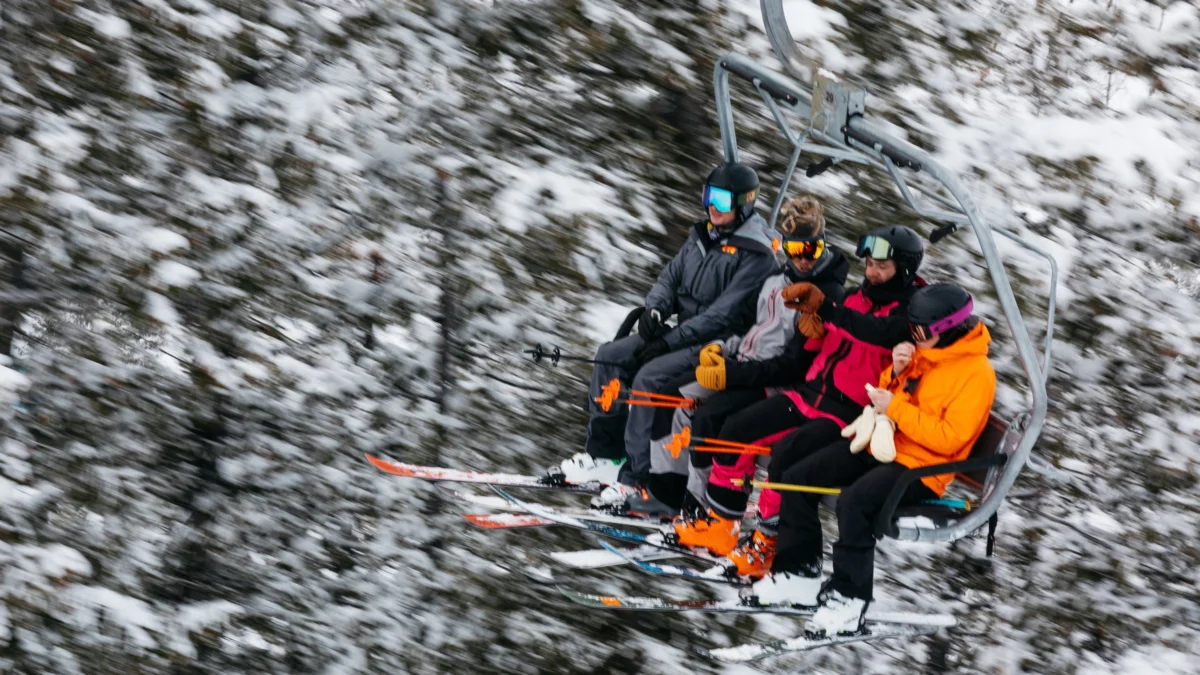
As the winter season of 2026 approaches, mountain resorts across North America are bracing for forecasts predicting increased alpine precipitation and prolonged periods of arctic air. For the dedicated skier, these conditions represent the ultimate test of both skill and equipment. When temperatures plummet well below freezing, the primary challenge transitions from athletic performance to thermal management. Research from mountain meteorology institutes suggests that the “wind chill factor” at high-altitude lift terminals can drop effective temperatures by an additional 15 to 20 degrees Fahrenheit, making high-quality insulation not just a luxury, but a safety requirement to prevent frostbite and hypothermia.
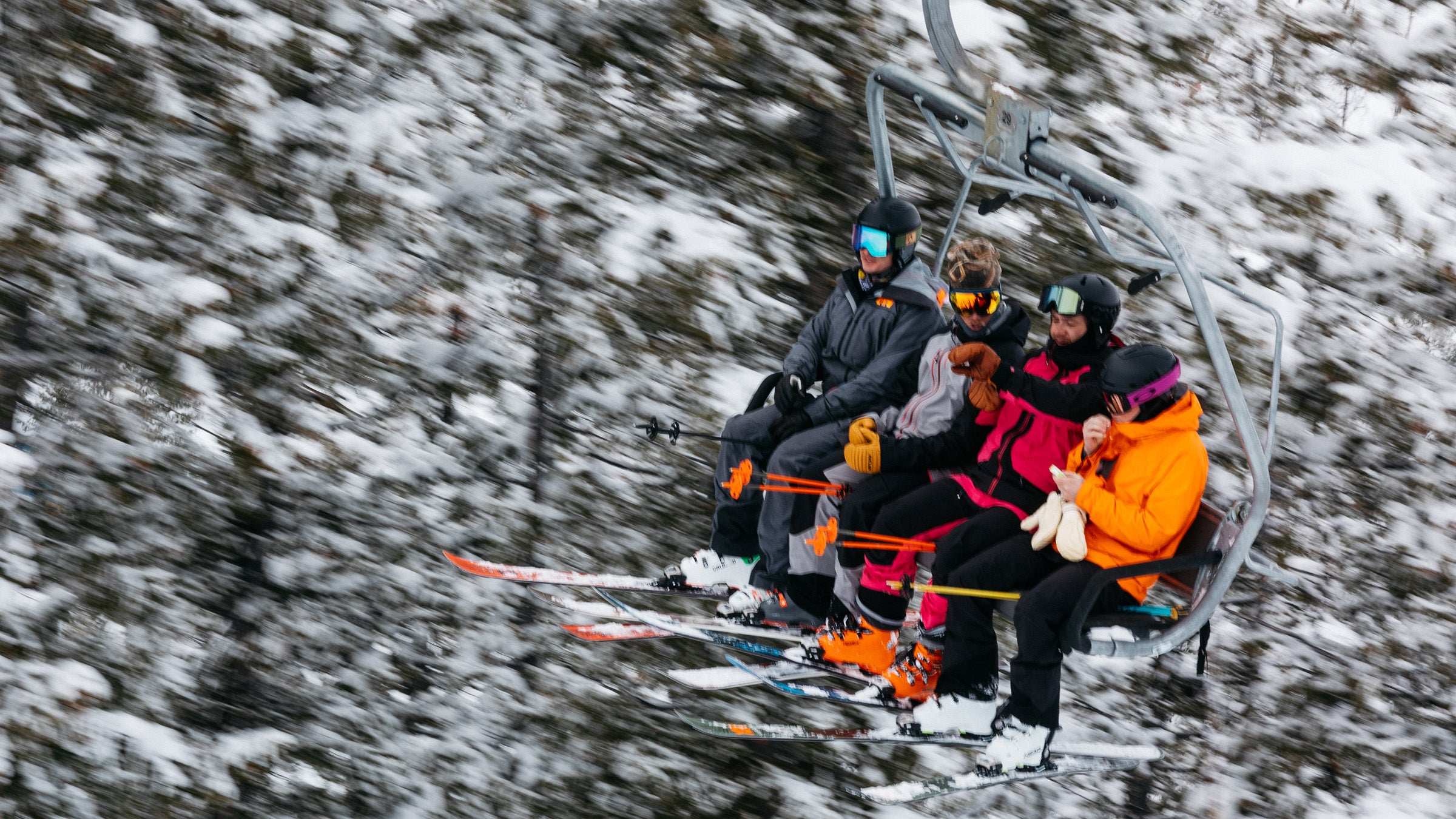
This year’s gear guide evaluates the latest advancements in outerwear, focusing on garments engineered to maintain internal core temperatures despite extreme external volatility. The following assessment identifies the top-performing men’s and women’s jackets, based on technical specifications, material science, and field-testing conducted during the 2025-2026 testing cycle.
The Science of Thermal Retention in Modern Outerwear
The shift in ski apparel design over the past decade has moved toward “zoned insulation,” a process where engineers map the human body’s heat loss points. By placing higher-density synthetic insulation—such as 100-gram Thermogreen or Heatseeker variants—across the chest and back while utilizing lighter, more breathable membranes in high-output areas like the underarms, manufacturers have largely solved the historical trade-off between warmth and mobility.
Furthermore, the integration of PFAS-free, waterproof-breathable membranes, such as the latest iteration of Gore-Tex and proprietary recycled-nylon shells, has enabled these garments to remain effective even when saturated by wet, heavy snow. This shift is part of a broader industry-wide sustainability initiative, as major outdoor brands move away from harmful per- and polyfluoroalkyl substances (PFAS) to comply with emerging environmental regulations in states like California and New York.
Top-Rated Men’s Ski Jackets for Extreme Cold
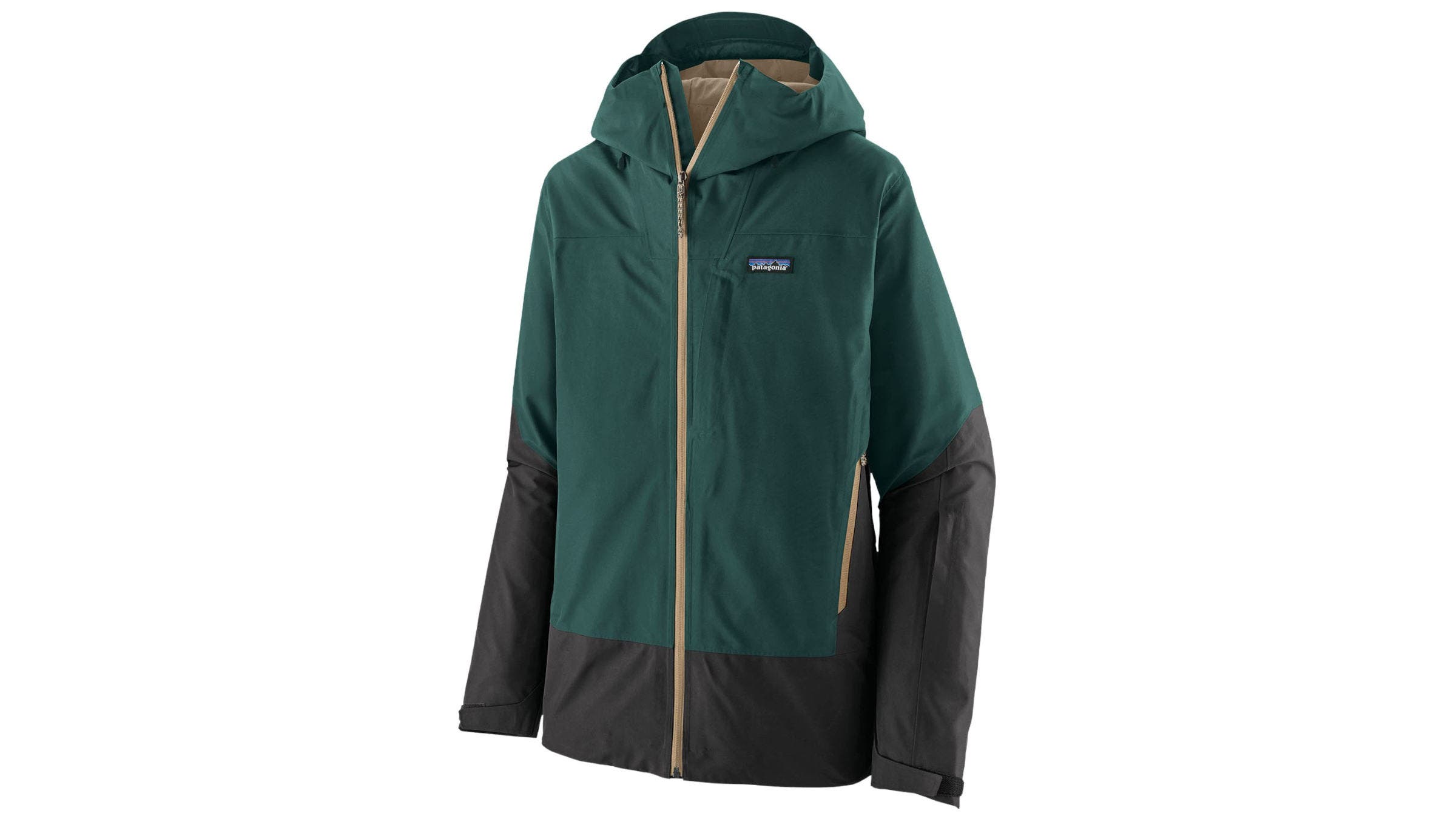
The men’s category for 2026 is dominated by versatility and robust construction. The Patagonia Insulated Storm Shift Jacket has emerged as the definitive choice for the all-around skier. Utilizing a Gore-Tex membrane and a strategic mapping of 60- and 100-gram recycled synthetic insulation, the jacket provides a thermal shield against wind-driven sleet. Field tests indicate the jacket maintains comfort levels in a broad spectrum from -7 to 32 degrees Fahrenheit, making it a reliable workhorse for resort-based enthusiasts.
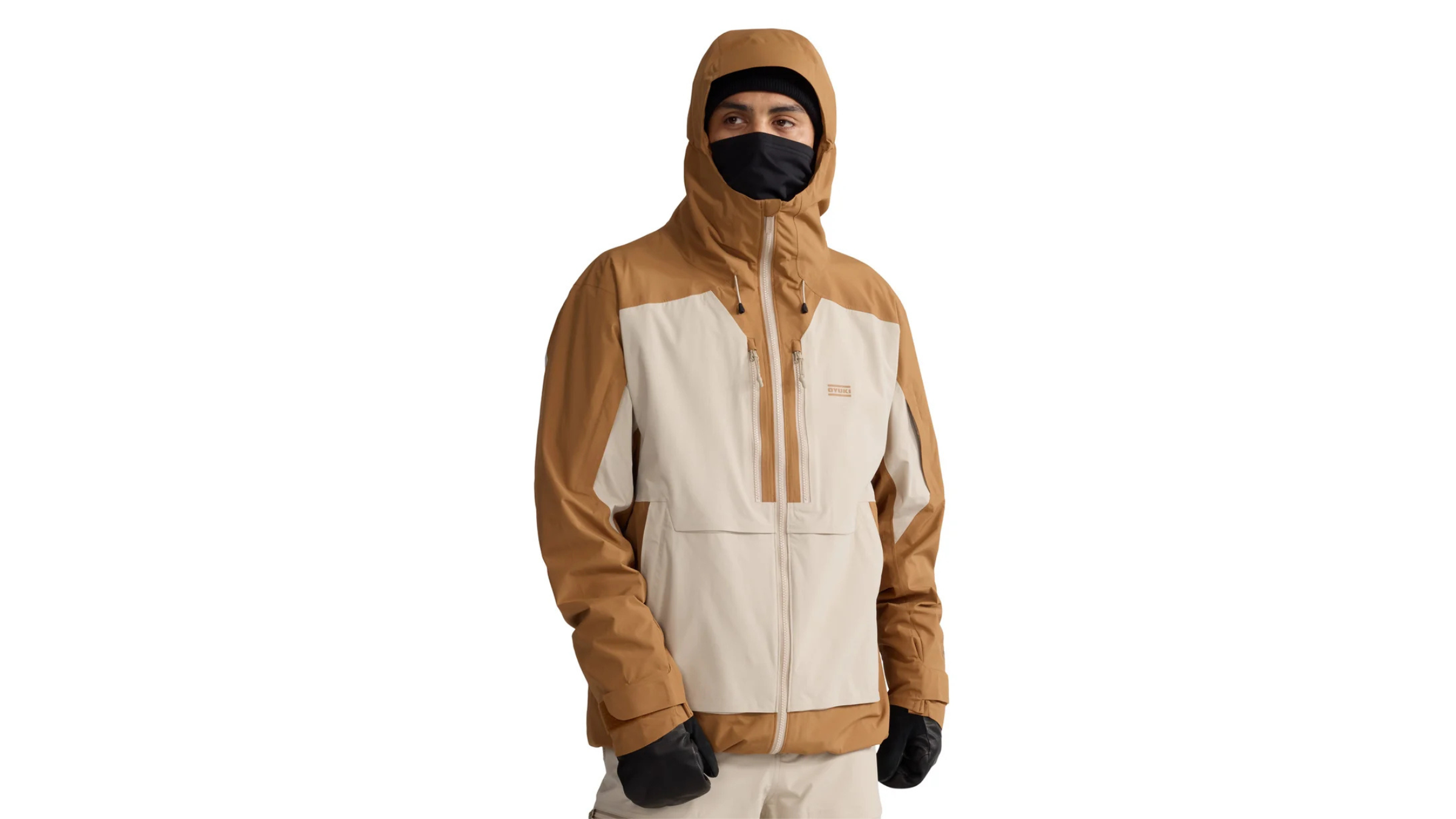
For those seeking high-value versatility, the Oyuki Moiwa NetPlus 2L Jacket offers a unique approach. By incorporating fleece panels into the chest and back of a recycled nylon shell, it mimics the feel of a midlayer within the shell itself. This design is particularly popular among resort skiers who prefer a "freeride" fit, allowing for the addition of extra layers on the most punishing days.
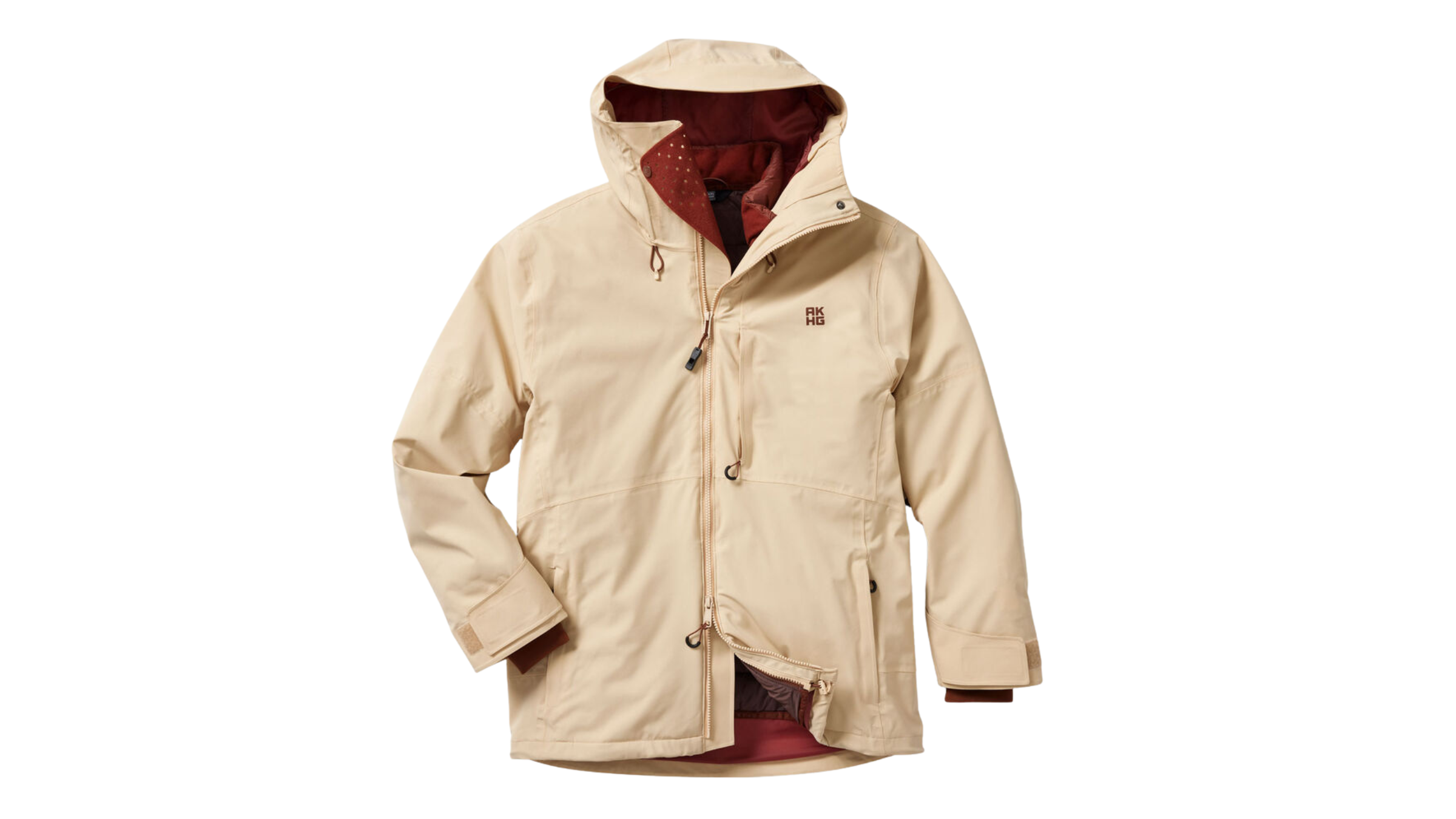
Meanwhile, the Duluth AKHG Triple Slope 3-in-1 Jacket addresses the needs of the multi-season skier. By decoupling the outer shell from the synthetic puffy liner, the jacket offers a modular approach to temperature control. While the technical complexity of 3-in-1 systems can occasionally lead to minor issues with zippers or cuff alignment, the ability to shed or add insulation mid-day provides an unparalleled range of use.
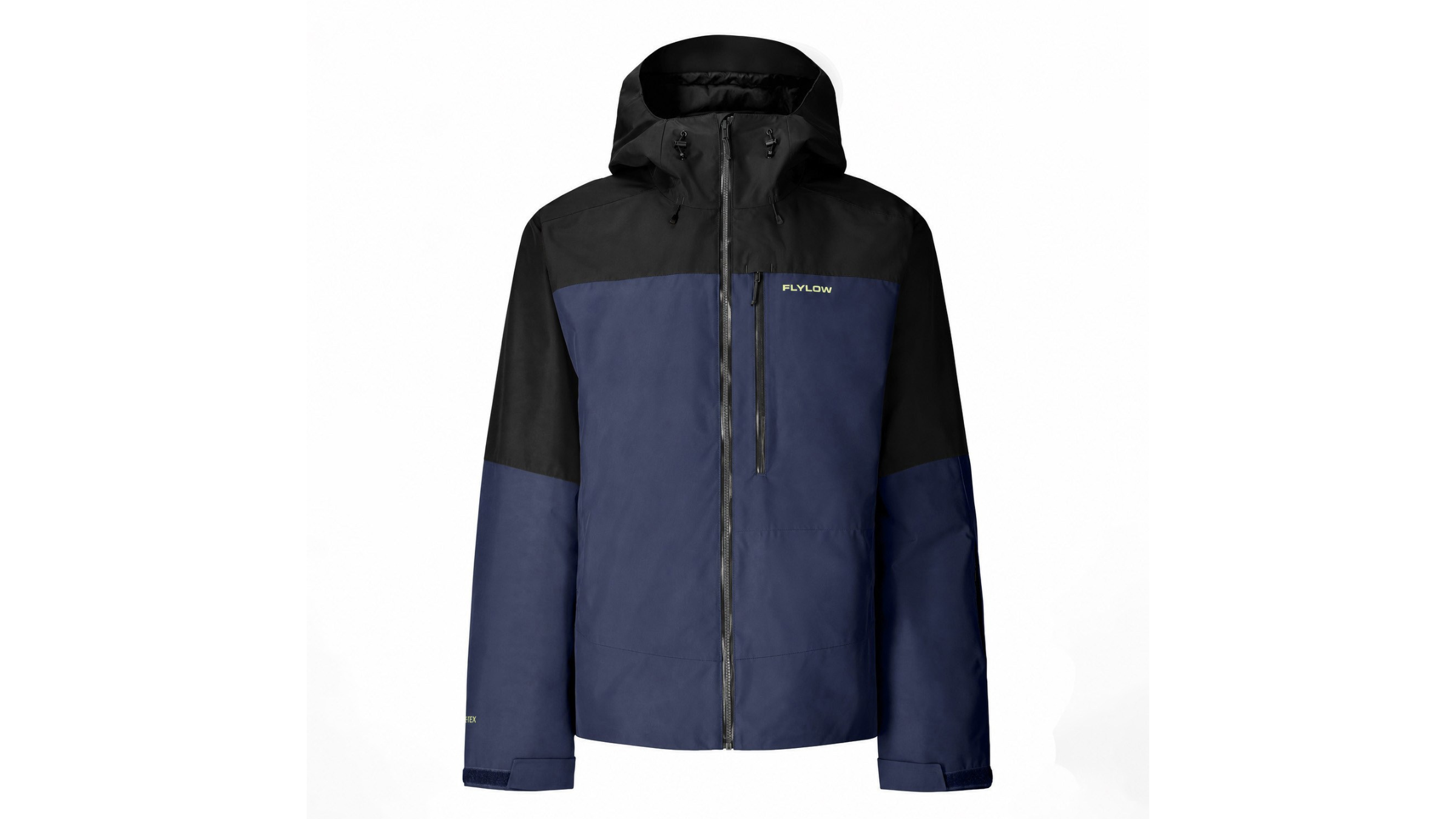
Rounding out the men’s selection, the Flylow Lone Pine Gore-Tex 2L stands as the premier choice for storm-day navigation. Its design prioritizes "stormproofing"—featuring a high, fleece-lined chin guard and a precision-engineered hood that maintains peripheral vision during whiteout conditions. While this jacket sacrifices some packability for its heavy-duty performance, its ability to repel moisture in sustained storms makes it a staple for high-altitude, cold-weather environments.
Premier Women’s Ski Jackets for Performance and Style
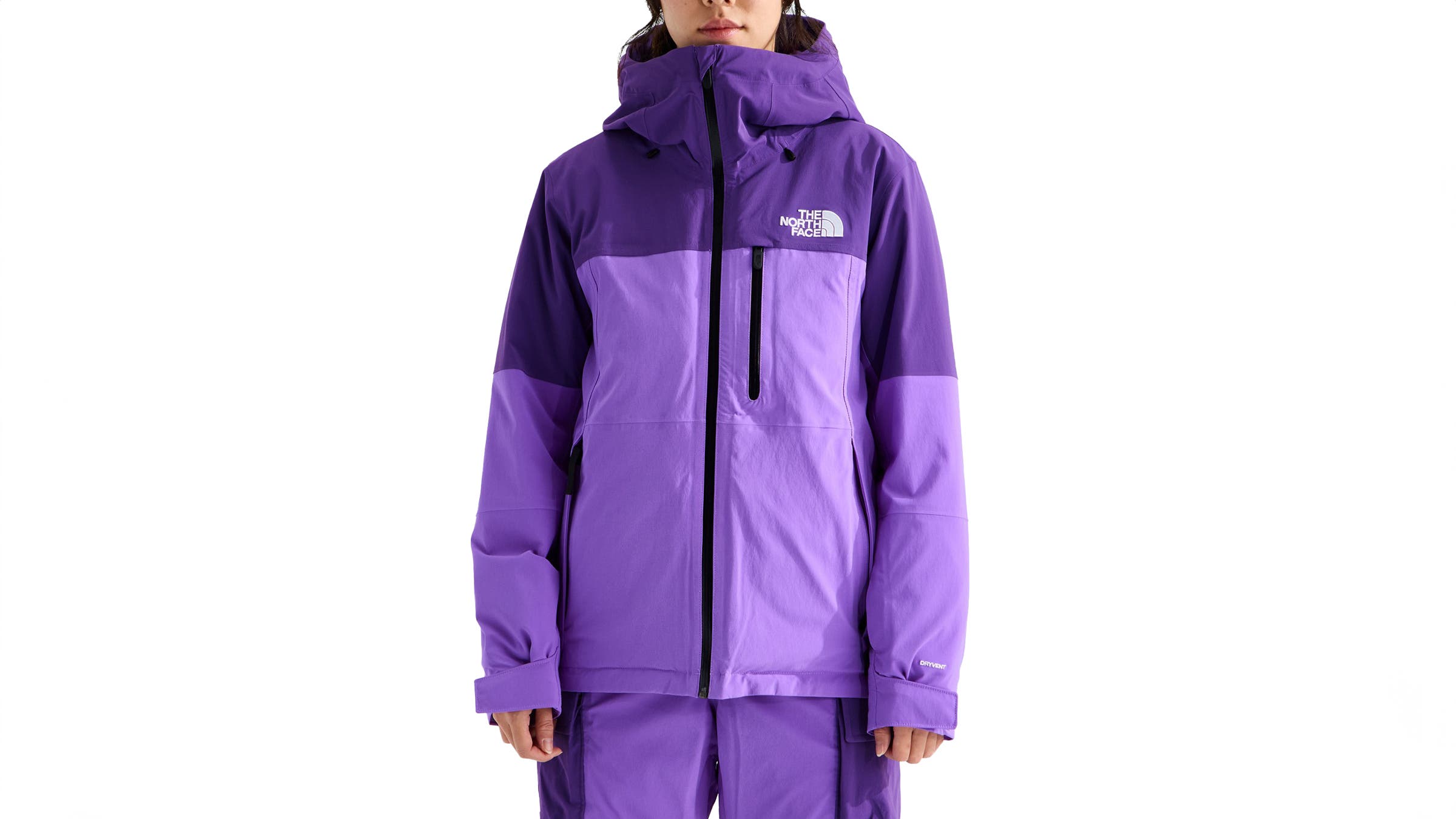
Women’s technical apparel has undergone a significant evolution, moving beyond the "shrink it and pink it" philosophy of the early 2000s. The North Face Freedom Insulated Jacket sets the standard for the 2026 season by combining synthetic Heatseeker insulation with an oversized, layering-friendly silhouette. It is currently the top-rated jacket for skiers who prioritize long-term durability and reliable performance during extended lift-served sessions.
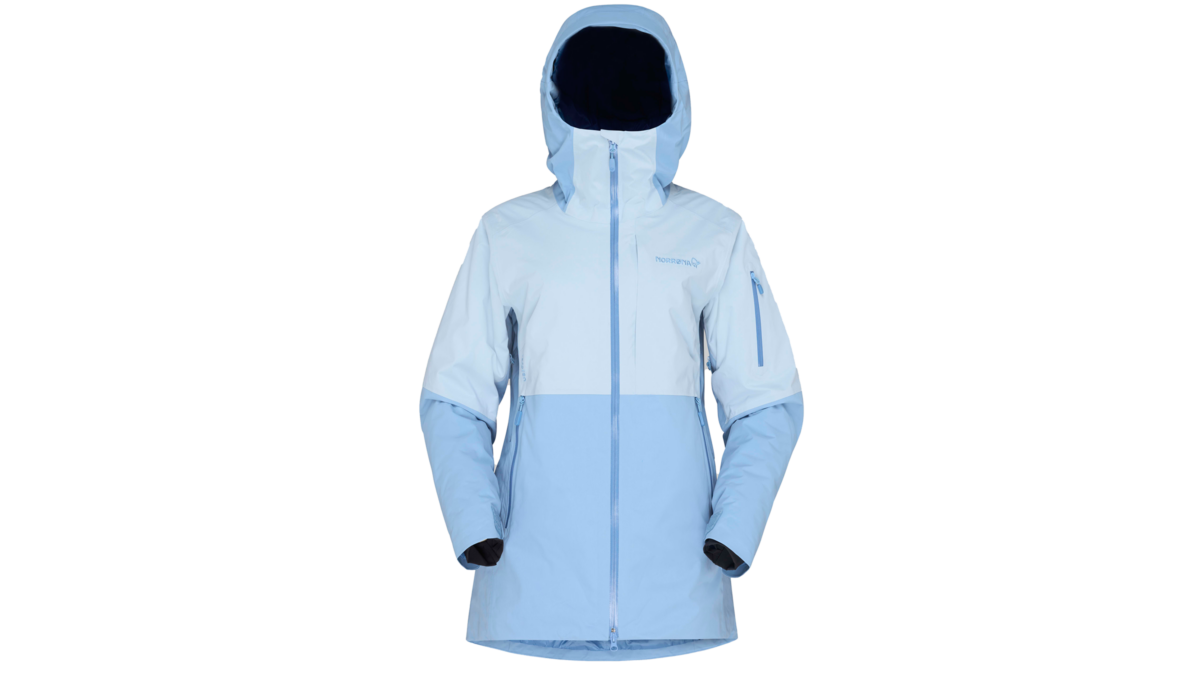
The Norrøna Lofoten Gore-Tex Thermo80 represents a more sophisticated technical solution for those who dislike the bulk of traditional layering. By utilizing 80-gram synthetic insulation in the core and 60-gram in the extremities, it achieves a "slim-profile" warmth that allows for maximum range of motion. This design is particularly effective for those who find standard insulated jackets too restrictive during technical maneuvers.
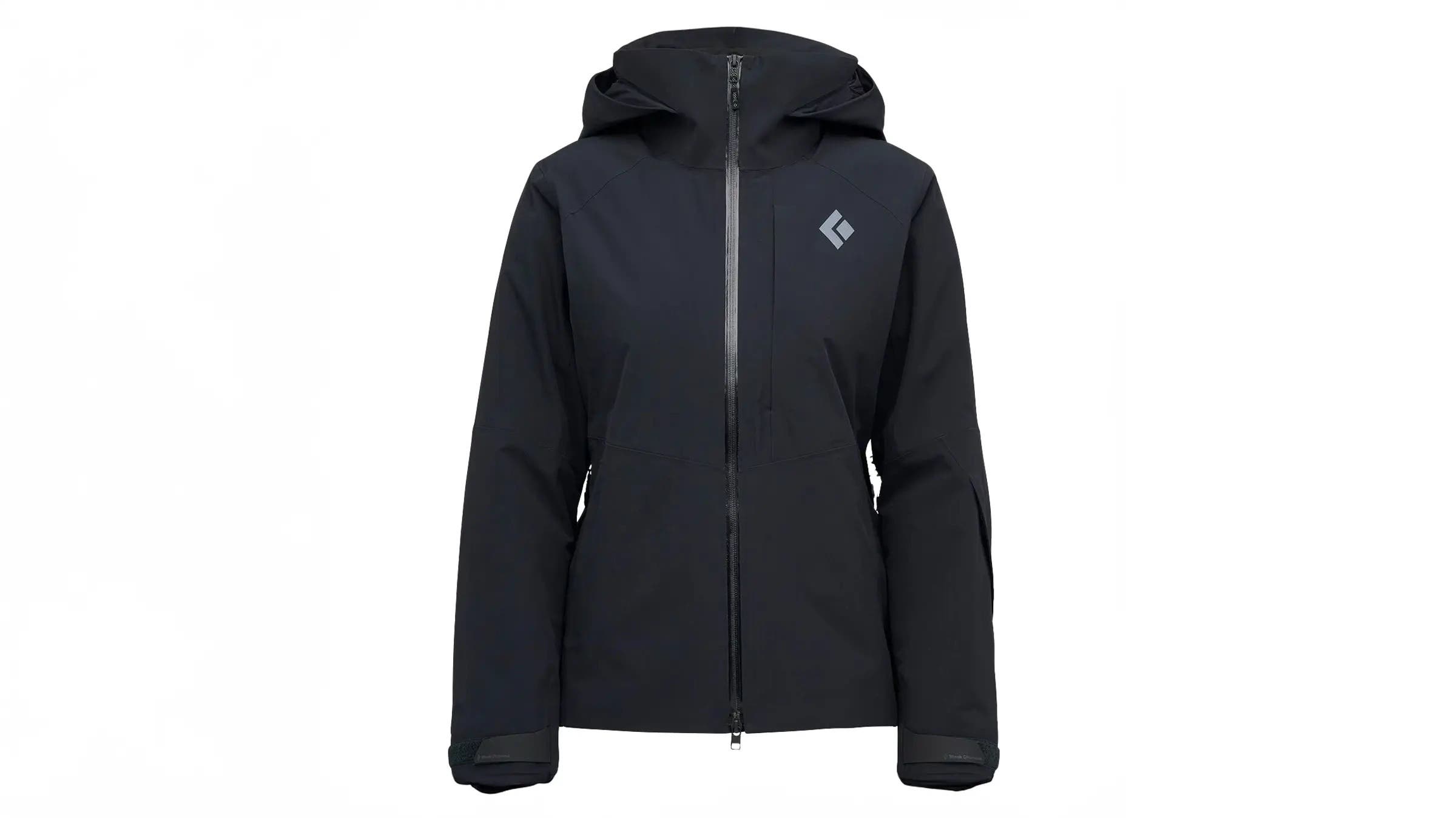
For those requiring high-performance features in a streamlined aesthetic, the Black Diamond Women’s Recon Insulated Shell offers a compelling alternative. Its zoned insulation strategy is designed to trap heat precisely where it is needed most, while the use of a four-way stretch membrane ensures the garment moves with the skier. The inclusion of internal mesh stash pockets for extra gear—such as spare neck gaiters or goggle lenses—reflects a deep understanding of the needs of the modern skier.
Finally, the Halfdays Lawrence Jacket and the Columbia Roffe Ridge Down Heat Seal Jacket demonstrate that performance and fashion are no longer mutually exclusive. The Lawrence jacket, with its inclusive sizing (XXS to 2X) and feminine cut, provides a tailored fit that does not compromise on weather protection. The Columbia Roffe Ridge, utilizing 650-fill RDS-certified down and Omni-Heat Infinity thermal linings, offers a high-performance alternative for those who prefer the warmth-to-weight ratio of natural down over synthetic alternatives.
Industry Implications and Consumer Advice
The rise of high-performance insulated gear has broader implications for the ski industry. As climate volatility increases, the demand for equipment that can withstand rapid temperature shifts has driven innovation in material science. However, industry analysts note that consumers should exercise caution when selecting "warmth" ratings. A jacket that is too warm for moderate temperatures can lead to excessive perspiration, which, if not properly vented, can freeze against the body—a phenomenon known as "cold dampness."
Experts advise that when selecting a jacket, skiers should consider their typical resort climate. Coastal resorts with wet, heavy snow require high waterproof ratings (often 20,000mm or higher), while inland, high-altitude resorts—such as those in the Rockies or the Alps—benefit more from jackets that prioritize wind resistance and breathability.
Furthermore, the 2026 season sees an emphasis on "right-to-repair" and longevity. Most manufacturers listed in this report, including Patagonia and The North Face, offer robust warranty programs that encourage the repair of zippers, tears, and seam tape, rather than immediate replacement. This shift toward circularity is not only a corporate responsibility initiative but also a pragmatic response to the increasing cost of technical apparel.
Conclusion
The equipment available to skiers in 2026 represents the pinnacle of decades of textile research. By focusing on garments that offer a balance of moisture management, wind protection, and strategic insulation, skiers can significantly extend their time on the mountain. Whether one opts for the modular versatility of a 3-in-1 system or the streamlined, zone-insulated performance of a premium shell, the current market offers options that effectively eliminate the "mid-morning cocoa break" as a necessity for survival. As the season progresses, the priority remains clear: choose gear that allows for consistent core temperature regulation, ensuring that the only thing cutting the day short is the closing of the final chairlift.