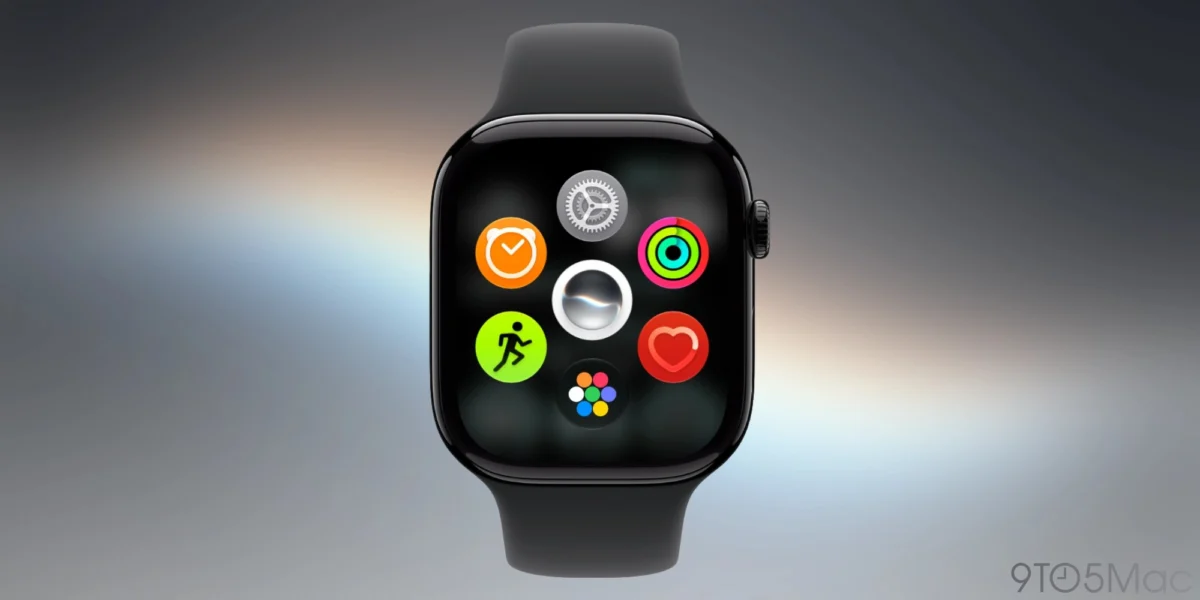
The release of watchOS 27 marks a significant evolution in Apple’s approach to artificial intelligence, introducing a dedicated Siri application designed to transform how users interact with their wearables. As part of a broader software rollout that includes iOS 27 and macOS updates, the new Siri interface allows for persistent chat history, enabling users to maintain context across multiple queries. While this functionality is seamlessly integrated into the iPhone, iPad, and Mac experience, the implementation on the Apple Watch presents a unique user interface challenge that requires a specific interaction pattern to master.
The Evolution of Conversational AI at Apple
For years, Siri was primarily a transactional assistant, optimized for executing singular, isolated commands such as setting timers, sending messages, or checking the weather. Each interaction was treated as a discrete event, with the assistant having little to no memory of the preceding request. This architectural limitation often forced users to repeat contextual details, leading to a fragmented user experience.
With the advent of the "Siri App" in the OS 27 update cycle, Apple has shifted toward a state-aware model. By storing chat history, the assistant can now process follow-up questions that rely on previously provided information. This transition mirrors the industry-wide shift toward large language model (LLM) integration, where the "chat thread" serves as the primary medium for user engagement. By viewing interactions as a continuous dialogue rather than a series of one-off prompts, Apple aims to increase the utility of Siri, making it a more effective tool for complex tasks and information retrieval.
Navigating the Siri Experience on watchOS 27
The introduction of the Siri app on the Apple Watch signifies that the device is no longer merely a secondary display for the iPhone. Instead, it is becoming a standalone portal to Apple’s generative AI capabilities. On platforms like the iPhone or Mac, the visual representation of these conversations is intuitive: users see a scrollable, message-like interface that behaves much like iMessage. Users can scroll back to review past answers and pick up a conversation exactly where it left off.
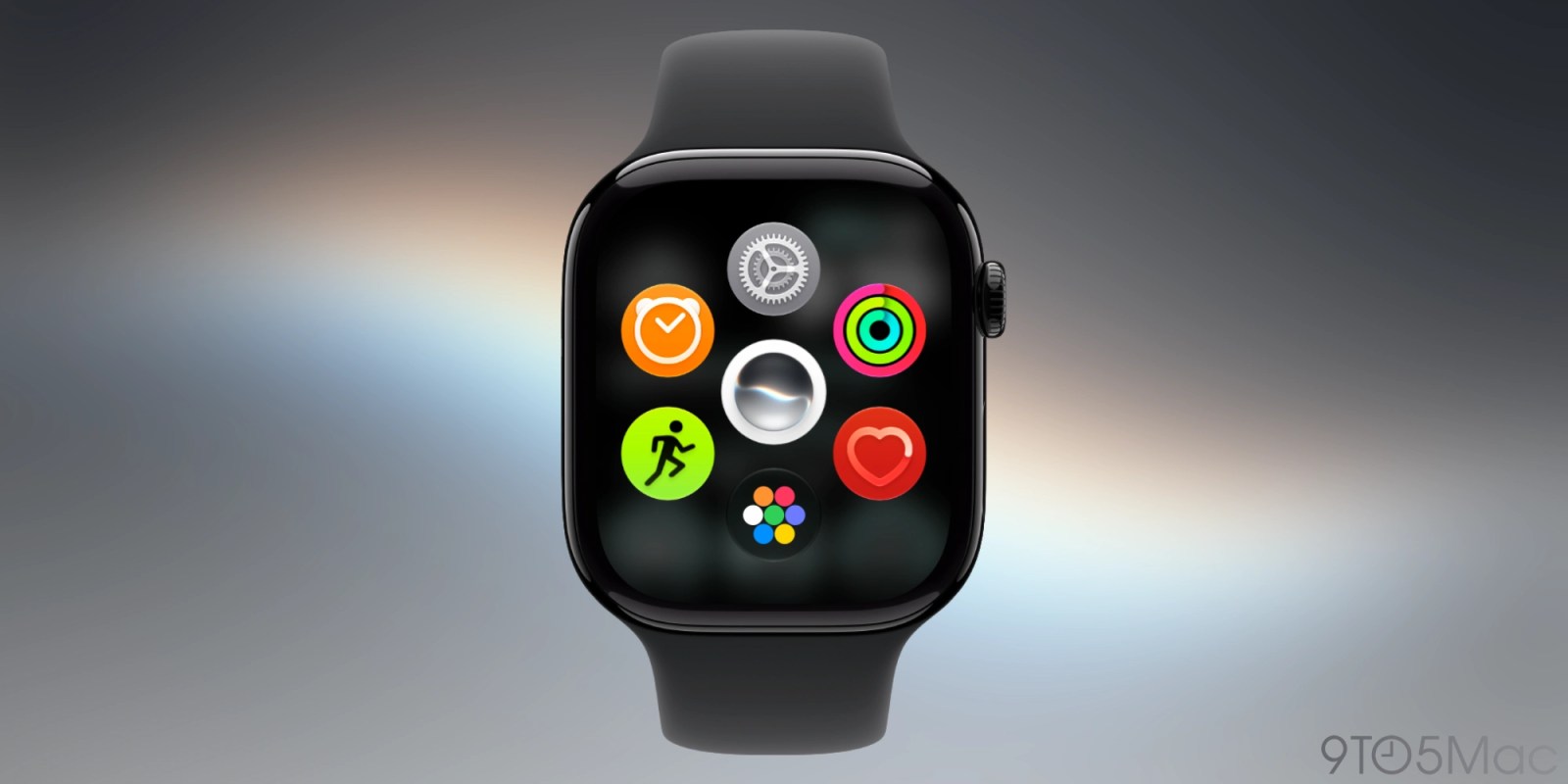
However, the experience on the Apple Watch is inherently constrained by the physical limitations of a small, wrist-worn display. While the watchOS 27 update successfully brings the same chat-thread technology to the device, the user interface lacks a dedicated, obvious input field for continuing an active conversation once the initial prompt has been delivered. This has led to initial confusion among early adopters who see their chat history displayed on the screen but find no clear button or text box to continue the dialogue.
The Hidden Mechanics of Continuity
Technical testing of watchOS 27 reveals that while the interface may seem static, the functionality for persistent conversation is indeed present, albeit hidden behind a specific interaction trigger. To continue an ongoing chat thread while viewing the Siri app on an Apple Watch, users must manually re-invoke the assistant. This is achieved by either long-pressing the Digital Crown or triggering the assistant via voice command.
Once the assistant is re-invoked while the previous chat thread is actively displayed on the screen, the system recognizes the context. Any subsequent input provided by the user is appended to the existing thread rather than creating a new, isolated session. While this mechanism effectively achieves the goal of persistent conversation, it deviates from the standard "message" paradigms seen on other Apple devices, where a permanent text input field is usually visible. Industry analysts suggest that this design choice was likely made to preserve screen real estate on the Apple Watch, prioritizing the display of content over the presence of an always-on input interface.
Industry Context and Strategic Implications
The deployment of OS 27 and the accompanying Siri updates arrives at a critical juncture for Apple. As the company competes with heavy hitters in the generative AI space—including Google’s Gemini and OpenAI’s ChatGPT—the integration of a smarter, context-aware Siri is paramount to maintaining market share.
The hardware landscape accompanying this software release is equally significant. With the Apple Watch Series 12 and the Apple Watch Ultra 4, Apple has introduced increased processing power specifically tailored to handle local AI tasks. These models, available for pre-order starting at $399 and $799 respectively, feature upgraded neural engines that allow for faster, more private on-device processing. The reliance on this hardware is not arbitrary; Apple has noted that advanced AI features are dependent on specific silicon to ensure that latency remains low and privacy standards are upheld.

From a broader perspective, the ability to maintain a chat history on a watch represents a shift in consumer behavior. Users are increasingly expecting their wearable devices to act as primary compute nodes. By enabling complex, multi-turn conversations on the wrist, Apple is positioning the Apple Watch as a genuine productivity tool rather than just a fitness tracker or notification mirror.
Challenges and Future Refinements
Despite the technical achievement of bringing persistent chat to watchOS, the lack of an intuitive user interface for this feature suggests that the platform is still maturing. Software engineering experts often point out that the first iteration of a major feature rarely reaches the pinnacle of design efficiency. It is highly probable that future point updates to watchOS 27 will introduce a more visible "input" or "continue" affordance within the Siri app.
Furthermore, the availability of these features is subject to regional and linguistic constraints. Apple has confirmed that the most advanced Siri AI capabilities are currently being rolled out in specific markets, with a potential waitlist for users depending on their region. This phased rollout is common for generative AI services, where the company must ensure that safety guardrails, regional language nuances, and server-side processing capacities are fully calibrated before a global release.
Analysis: A Shift in User Interaction
The requirement to re-invoke Siri to continue a conversation on the Apple Watch is a classic example of "interface friction." In human-computer interaction (HCI) theory, any step that requires a user to perform an additional, non-obvious action to achieve a standard goal is considered an obstacle to usability. While the current workaround is functional, it forces the user to remember a specific interaction pattern—essentially a "hidden gesture."
However, there is a strategic trade-off at play. By prioritizing a clean, minimalist UI that emphasizes the content of the AI’s responses, Apple is maintaining the aesthetic integrity of watchOS. The design language of the Apple Watch has always favored density and clarity over the expansive, input-heavy UIs found on mobile or desktop OS versions. For Apple, the challenge moving forward is to bridge this gap: providing the powerful, multi-turn capabilities of a desktop-grade AI while respecting the physical limitations of the smallest screen in their ecosystem.

Looking Ahead: The September 18 Launch
As Apple prepares for the official launch of the Apple Watch Series 12 and Apple Watch Ultra 4 on September 18, the spotlight will be on how well these devices handle the new Siri capabilities in real-world scenarios. The success of the Siri app on watchOS 27 will be a key metric for many consumers deciding whether to upgrade their existing hardware.
The software update, arriving alongside the hardware, is a testament to the fact that Apple is no longer treating its software and hardware as separate entities. Instead, the "Siri AI" experience is becoming the central thread that ties together the entire Apple ecosystem. Whether this transition to a more conversational, memory-enabled assistant will redefine the role of the smartwatch remains to be seen, but the initial foundation laid in watchOS 27 provides a compelling look into a future where the device on your wrist is as capable as the one in your pocket.
For now, users are advised to familiarize themselves with the re-invocation process. While it may not be the final design, it provides an essential bridge to a more powerful, context-aware experience, ensuring that the watch continues to be a vital component of the Apple user experience. As the ecosystem continues to evolve, the integration of generative AI into the watchOS interface will likely become even more seamless, eventually rendering the current "hidden" workflow obsolete in favor of a more natural, fluid interaction model.