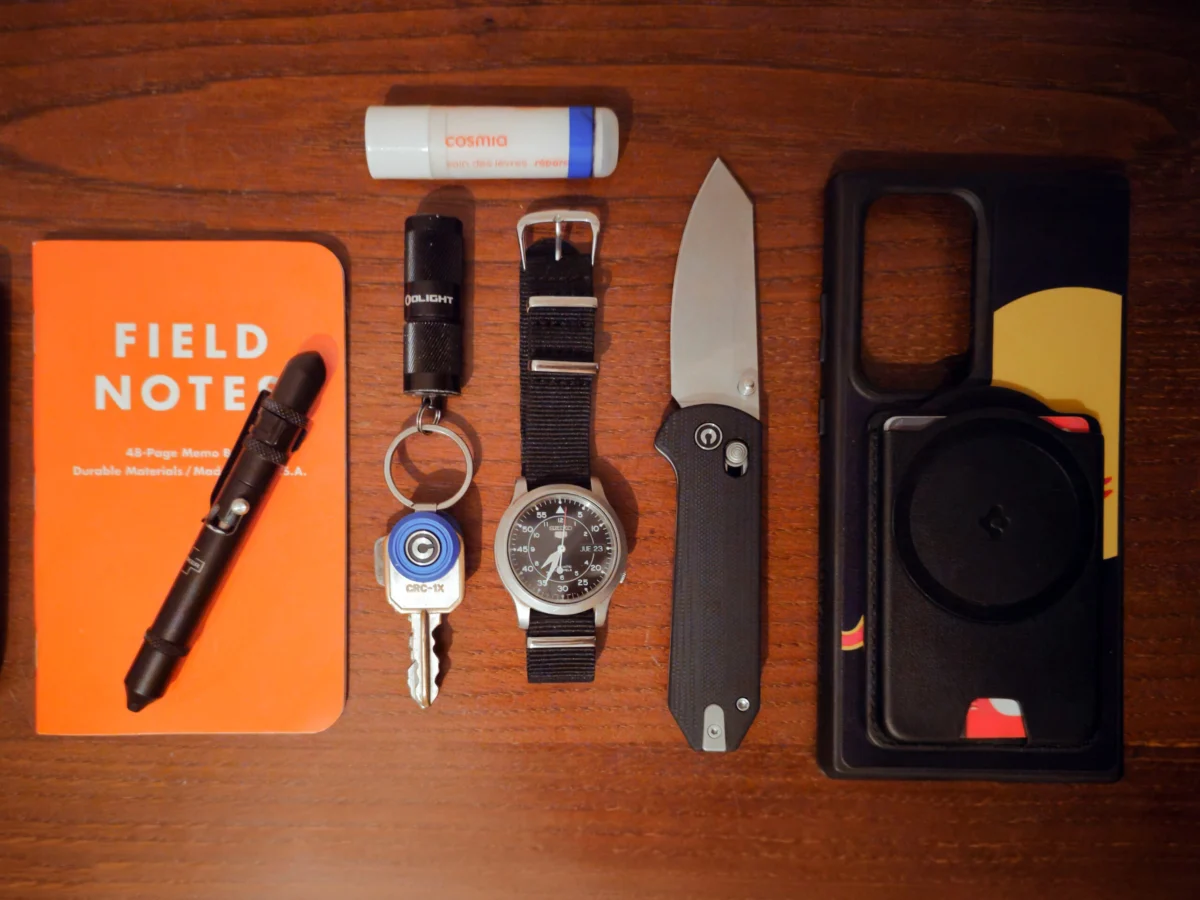
In the high-stakes environment of aeronautical automation, precision and reliability are not merely professional standards; they are the foundations of operational safety. Ruben Caeiro, a professional operating within the complex technical landscape of Portugal’s aviation sector, maintains a philosophy of "everyday carry" (EDC) that prioritizes modularity, minimalism, and high-utility value. His current gear selection reflects a shift toward refined mechanical tools that balance the rigors of a technical workspace with the requirements of personal mobility.
The Anatomy of Professional Carry
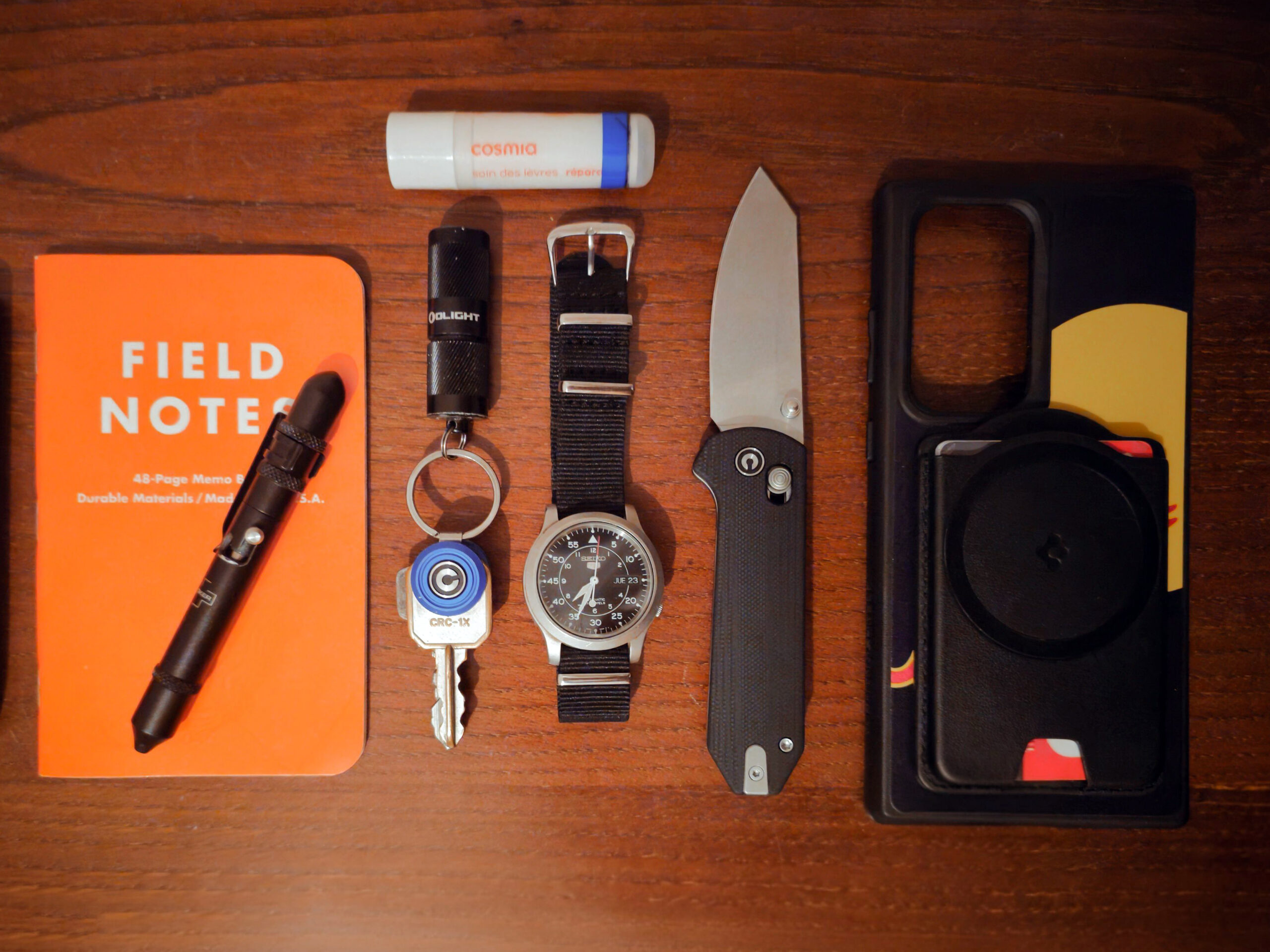
For professionals tasked with maintaining automated aeronautical systems, the ability to address minor technical failures or document procedural notes in real-time is essential. Caeiro’s kit serves as a diagnostic and administrative toolkit. At the core of his current setup is the newly acquired CIVIVI Yonder, a folding knife designed by Zac Whitmore. This specific tool has garnered significant industry attention, winning the "Best Buy of the Year" at the 2024 Blade Show. The Yonder utilizes a crossbar-locking mechanism, which is favored for its ambidextrous functionality and rapid deployment, both of which are critical in environments where seconds can impact maintenance efficiency.
The selection of the Yonder underscores a broader trend among technical professionals: the move away from bulky, specialized tools toward high-performance, lightweight equipment that does not impede movement. By integrating a notebook—specifically the Field Notes brand—Caeiro emphasizes the importance of analog documentation in an increasingly digital world. While automated systems provide data logs, the manual recording of observations during inspections remains a standard practice for field operators across the European Union.
Chronology of Gear Integration
The evolution of Caeiro’s EDC kit reflects a gradual refinement process. Over the past several months, he has transitioned from legacy equipment to a more streamlined profile.
- Phase One (Early 2024): Initial setup focused on generic utility items, including standard-issue multi-tools and basic timepieces.
- Phase Two (Mid-2024): Introduction of the Kizer Feist, a front-flipper knife that prioritizes aesthetics and a slim profile, serving as his primary "dress" or off-duty carry.
- Phase Three (Q3 2025): Recent acquisition of the CIVIVI Yonder and the integration of Field Notes notebooks, marking a shift toward tactical efficiency during on-duty hours.
- Phase Four (Future Outlook): Planned rotation into a Casio Edifice with a "Tiffany" style dial, highlighting a desire to bridge the gap between industrial durability and refined style.
This timeline indicates a deliberate, research-based approach to equipment procurement. Rather than relying on impulsive purchases, the user systematically assesses the functionality of his gear against the daily demands of his occupation in Portugal.
Supporting Data and Equipment Analysis
The modern EDC market is characterized by a surge in demand for items that are not only durable but also cost-effective. According to recent market analysis from the consumer goods sector, the "utility-style" knife category has seen a 12% year-over-year growth in Europe. The CIVIVI Yonder is a prime example of this trend, offering high-end materials such as 14C28N steel—which offers a balance of edge retention and corrosion resistance—at a price point accessible to the average professional.
The reliance on magnetic wallet systems integrated into mobile devices, combined with ultra-compact key organizers, suggests a move toward "zero-friction" carry. In a technical role, where a technician may need to climb, crawl, or navigate tight spaces within automated machinery, the reduction of bulk is a matter of safety. A heavy, cluttered pocket can be a liability when working near moving parts or sensitive sensors.
The Intersection of Professional and Personal Gear
A notable aspect of Caeiro’s philosophy is the differentiation between "on-the-job" and "off-duty" gear. While the Yonder provides the robust mechanical reliability required for the workplace, the proposed shift to a Casio Edifice suggests a nuanced understanding of social and professional etiquette. The Casio Edifice series, particularly those featuring sapphire crystal and 100-meter water resistance, represents a "high-value" choice—a watch that is functional enough for daily wear but polished enough for formal or social settings.
This duality is common among technical professionals who operate in environments where their equipment is scrutinized for its utility rather than its brand cachet. By selecting gear that performs under pressure but remains aesthetically pleasing, Caeiro maintains a professional image that is both grounded and modern.
Broader Impact and Industry Implications
The importance of well-curated EDC kits extends beyond individual convenience. For companies operating in the aeronautical sector, the preparedness of their technicians is a direct contributor to operational uptime. A technician who carries a precise, reliable, and well-maintained set of tools is better positioned to conduct rapid troubleshooting.
Furthermore, the rise of "EDC culture" has fostered a community of technical professionals who exchange information on tool longevity, material science, and ergonomic design. This peer-to-peer knowledge sharing—often facilitated through social media platforms like Instagram—serves as a de facto testing ground for new equipment. When a product receives praise from those in demanding fields like aeronautical automation, it signals to manufacturers that the design has met a high threshold for reliability.
Analysis of Modern EDC Trends
The "minimalist" movement in gear carry, as demonstrated by Caeiro’s setup, is a reaction against the "over-preparedness" phase of the early 2010s, where individuals often carried excessive, heavy equipment. Current trends favor the "less is more" approach:
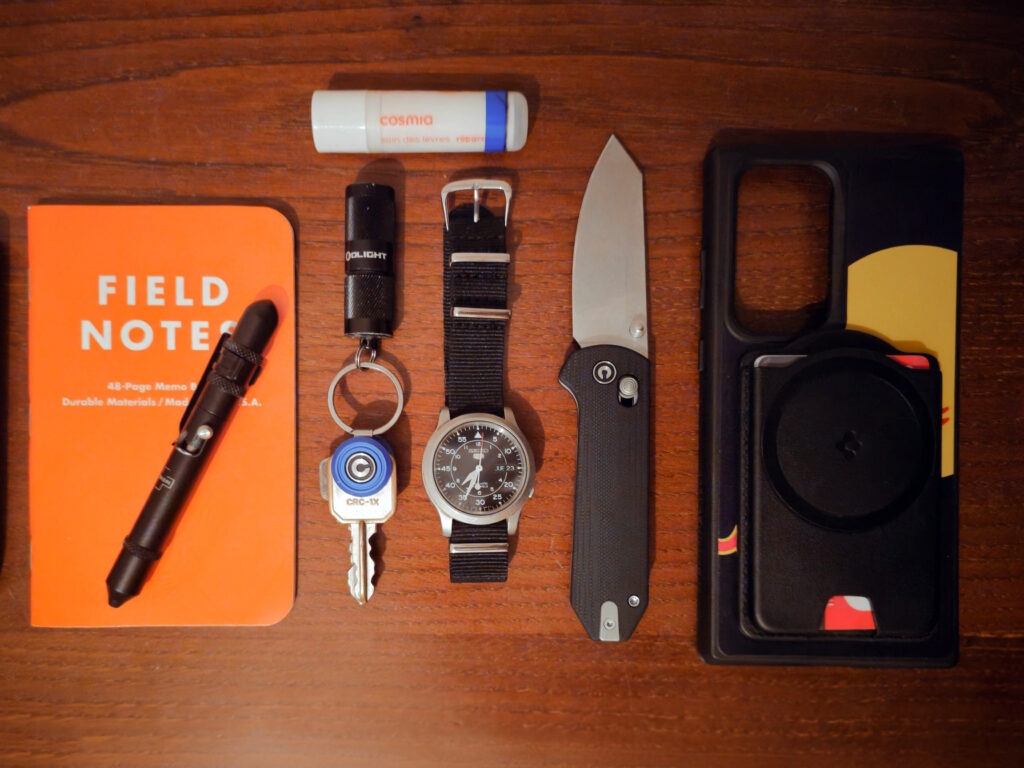
- Consolidation: Integrating wallets into phone cases or utilizing slim, card-based holders.
- Weight Reduction: Replacing heavy steel components with lightweight, high-tensile-strength materials like G10, carbon fiber, or titanium.
- Versatility: Choosing tools that perform multiple functions without requiring a bulky multi-tool chassis.
By prioritizing these three pillars, Caeiro demonstrates a sophisticated understanding of resource management. His ability to maintain a lightweight profile while still being prepared for a variety of technical challenges is representative of the modern industrial operator.
Conclusion and Future Outlook
As Caeiro continues to refine his kit, the focus will likely remain on the intersection of function and form. The potential inclusion of the Kizer Feist for non-work hours highlights a trend of "gear rotation," a practice that allows enthusiasts to preserve the condition of their specialized tools while enjoying the distinct mechanical advantages of different designs.
For the broader aeronautical and technical community, these snapshots of professional carry provide more than just a list of products; they offer a window into the standards of excellence maintained by those who keep our modern systems running. Whether through the selection of a high-performance knife or the adoption of specific organizational tools, the goal remains the same: to ensure that when the unexpected occurs, the professional is equipped with the right tool for the job.
The documentation provided by users like Ruben Caeiro serves as a valuable case study for manufacturers and peers alike. By analyzing the habits of those who operate in high-precision fields, the industry can better anticipate the needs of its workforce, ensuring that the next generation of tools is even more efficient, durable, and reliable. As of late 2025, the focus on such "everyday carry" setups remains a cornerstone of the professional identity for those working at the intersection of human skill and automated precision.