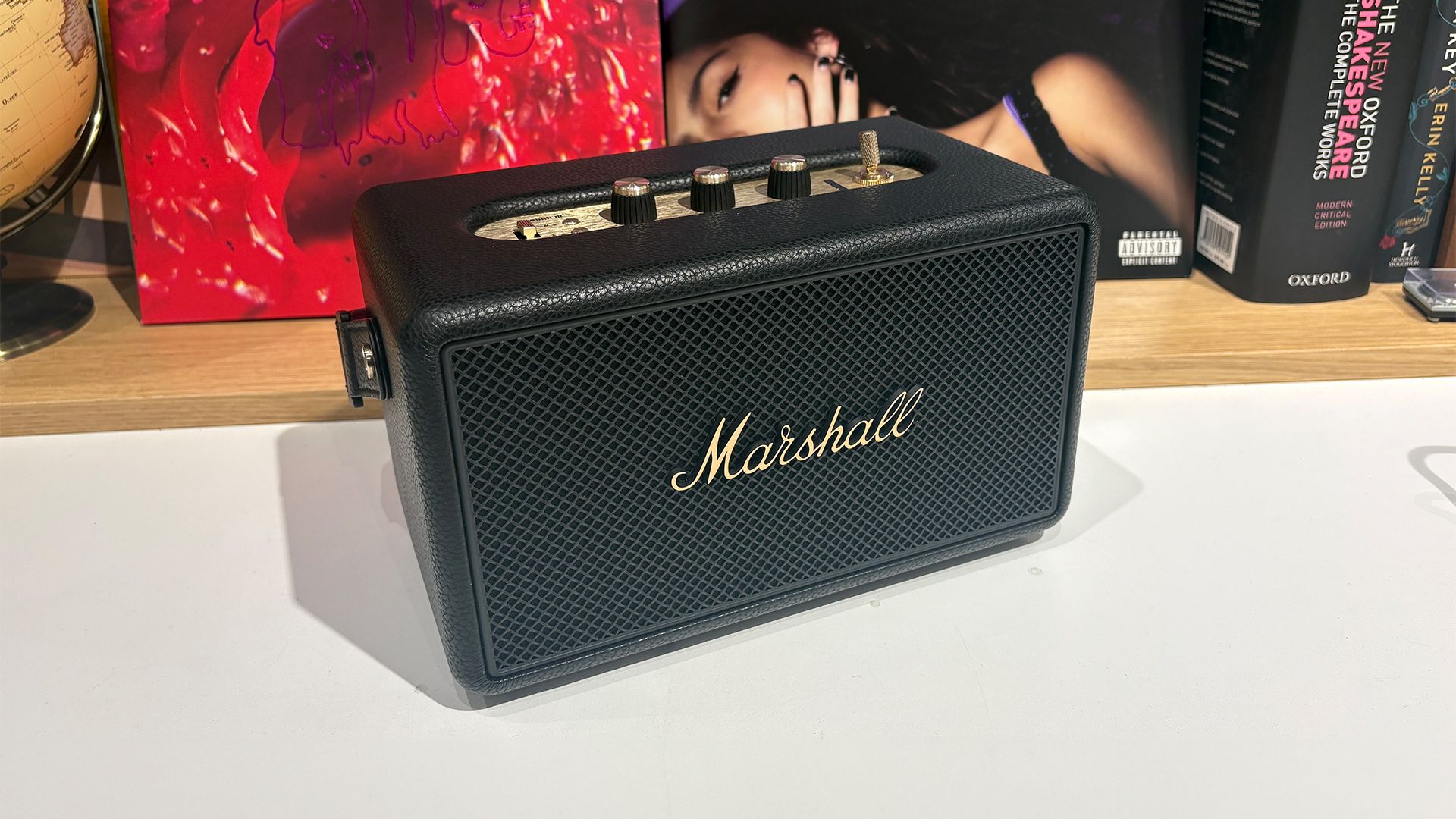
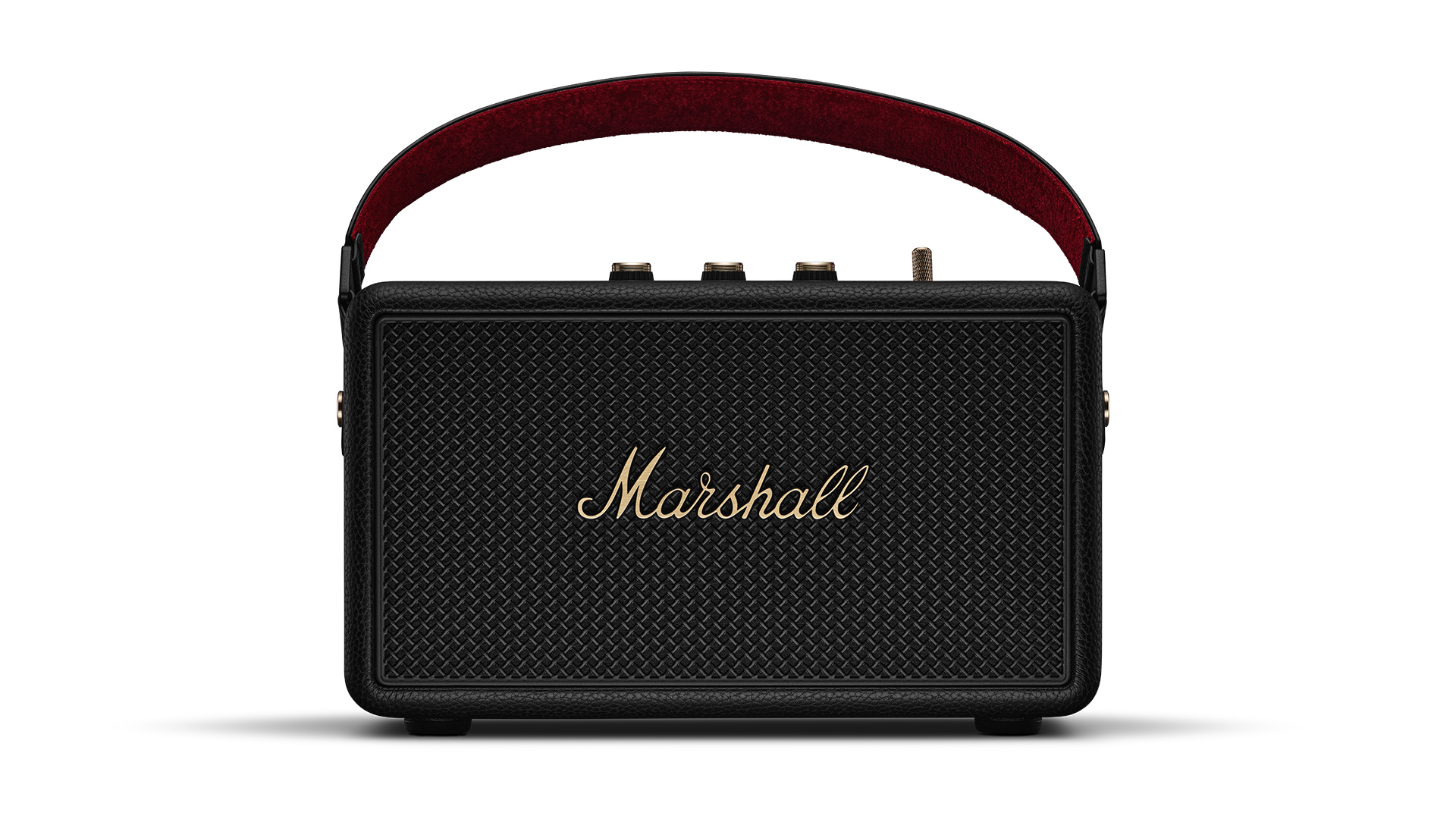
The Marshall Kilburn III represents the latest evolution in a lineage of portable audio equipment that draws its visual DNA directly from the company’s legendary stage amplifiers. Since the brand first pivoted from professional instrument amplification to the consumer wireless speaker market over a decade ago, it has successfully occupied a unique aesthetic niche. The Kilburn III continues this tradition, positioning itself as a hybrid device that bridges the gap between a permanent home-audio fixture and a ruggedized portable speaker. Weighing in at 2.8 kilograms and featuring a distinct, guitar-inspired carry strap, the device is engineered for users who prioritize both room-filling volume and the classic rock-and-roll visual identity that has become synonymous with the Marshall name.
Chronology of the Marshall Consumer Line
Marshall Amplification, founded in 1962 by Jim Marshall, spent decades serving the world’s most iconic musicians before licensing its brand to Zound Industries in 2010. This marked the beginning of a strategic expansion into consumer electronics. The original Kilburn, released in 2015, was one of the first products to capture the "amp-on-a-desk" look. Over the subsequent years, the series underwent iterative updates: the Kilburn II improved upon water resistance and sound dispersion, and the current Kilburn III arrives as a refined synthesis of those lessons. It integrates contemporary standards such as Bluetooth 5.3 and Auracast, while maintaining the analog-style physical controls that have defined the series’ user interface since its inception.
Design and Build Specifications
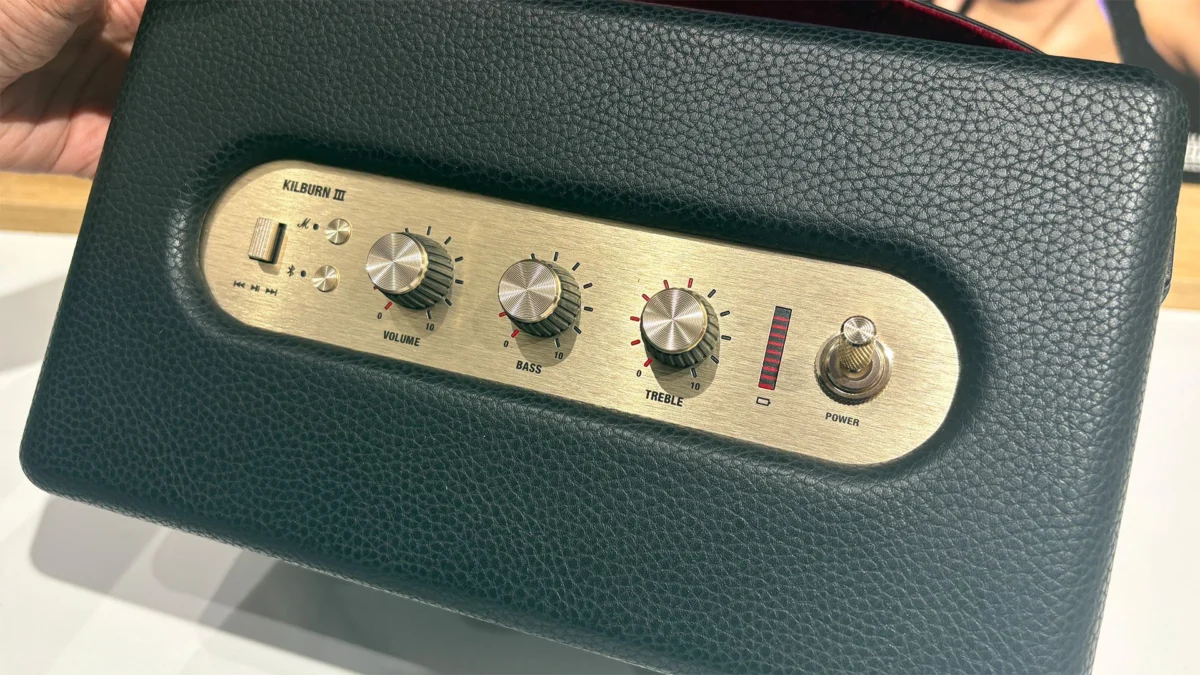
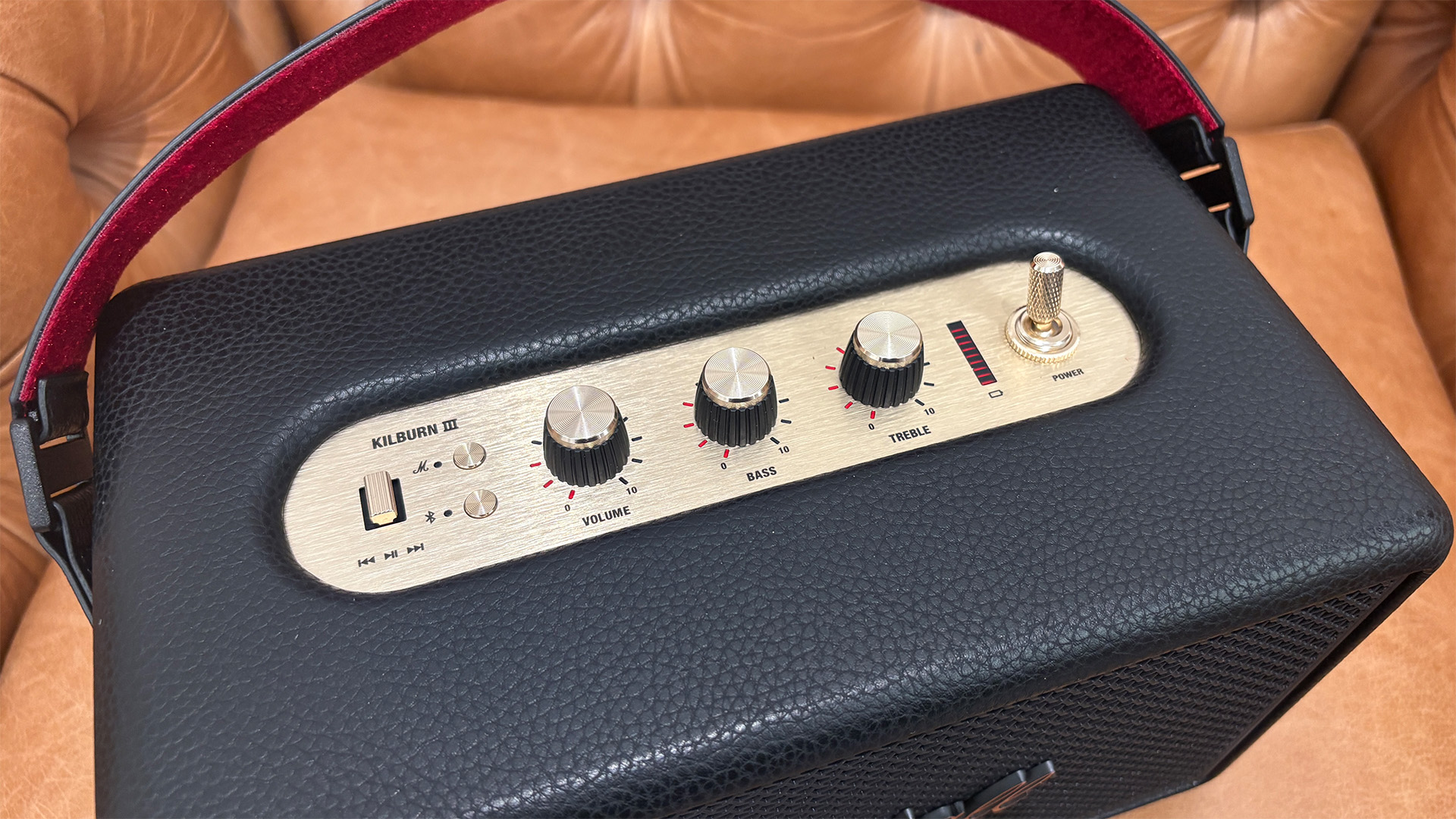
The Kilburn III distinguishes itself through a commitment to tactile, physical interaction. Unlike many modern competitors that rely exclusively on touch-sensitive panels or app-based controls, the Kilburn III features a top-mounted brass control panel. This includes knurled dials for volume, bass, and treble, as well as a robust, satisfying power toggle switch. The chassis is finished in a durable, textured vegan leather, which provides a high level of aesthetic cohesion with the brand’s professional guitar cabinets.
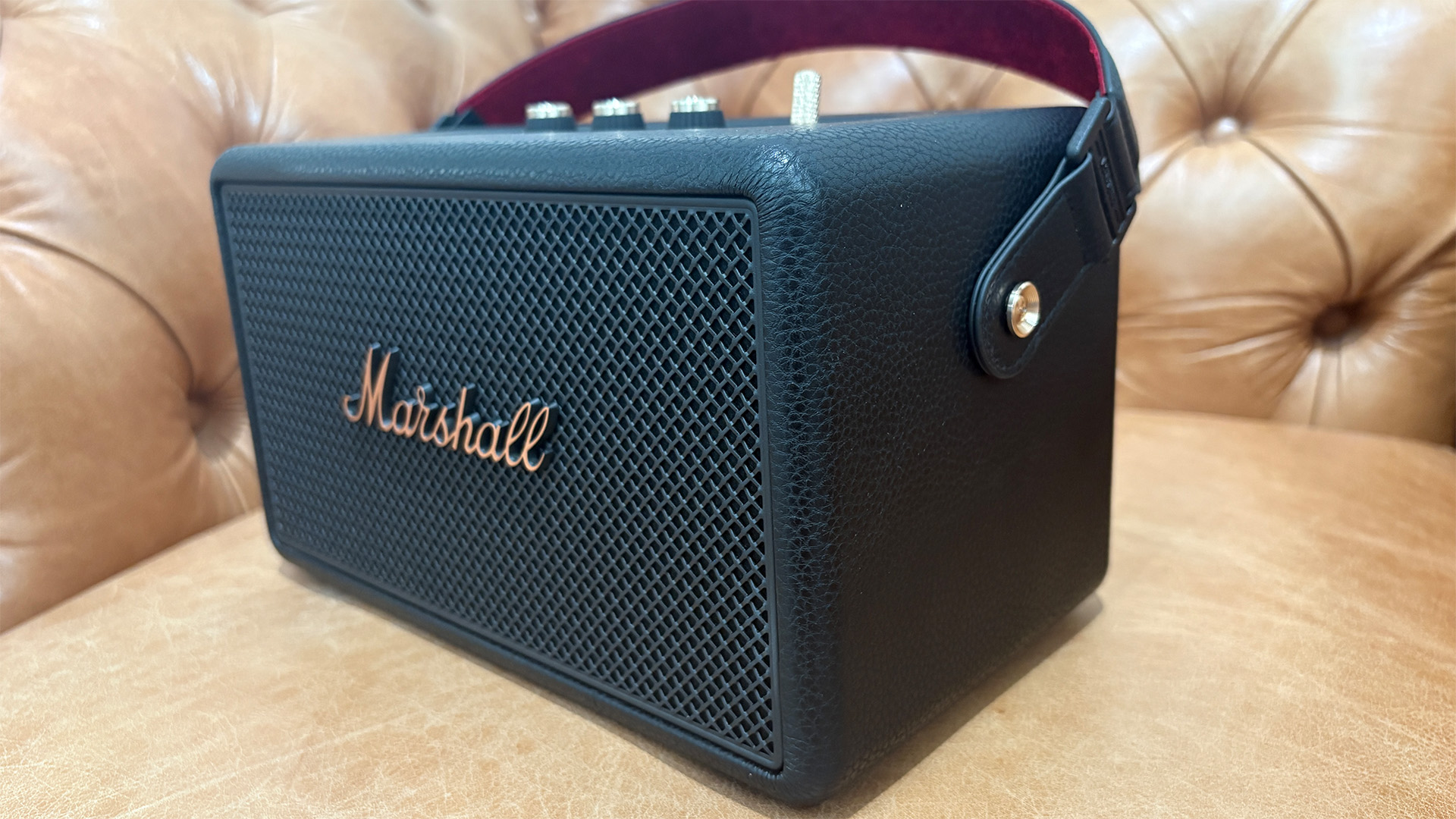
Technical specifications for the unit include:
- Acoustic Configuration: Dual 5cm full-range drivers (front and rear-firing) and a 10cm woofer.
- Power Output: 50W of Class D amplification.
- Battery Life: Over 50 hours of playback time on a single charge.
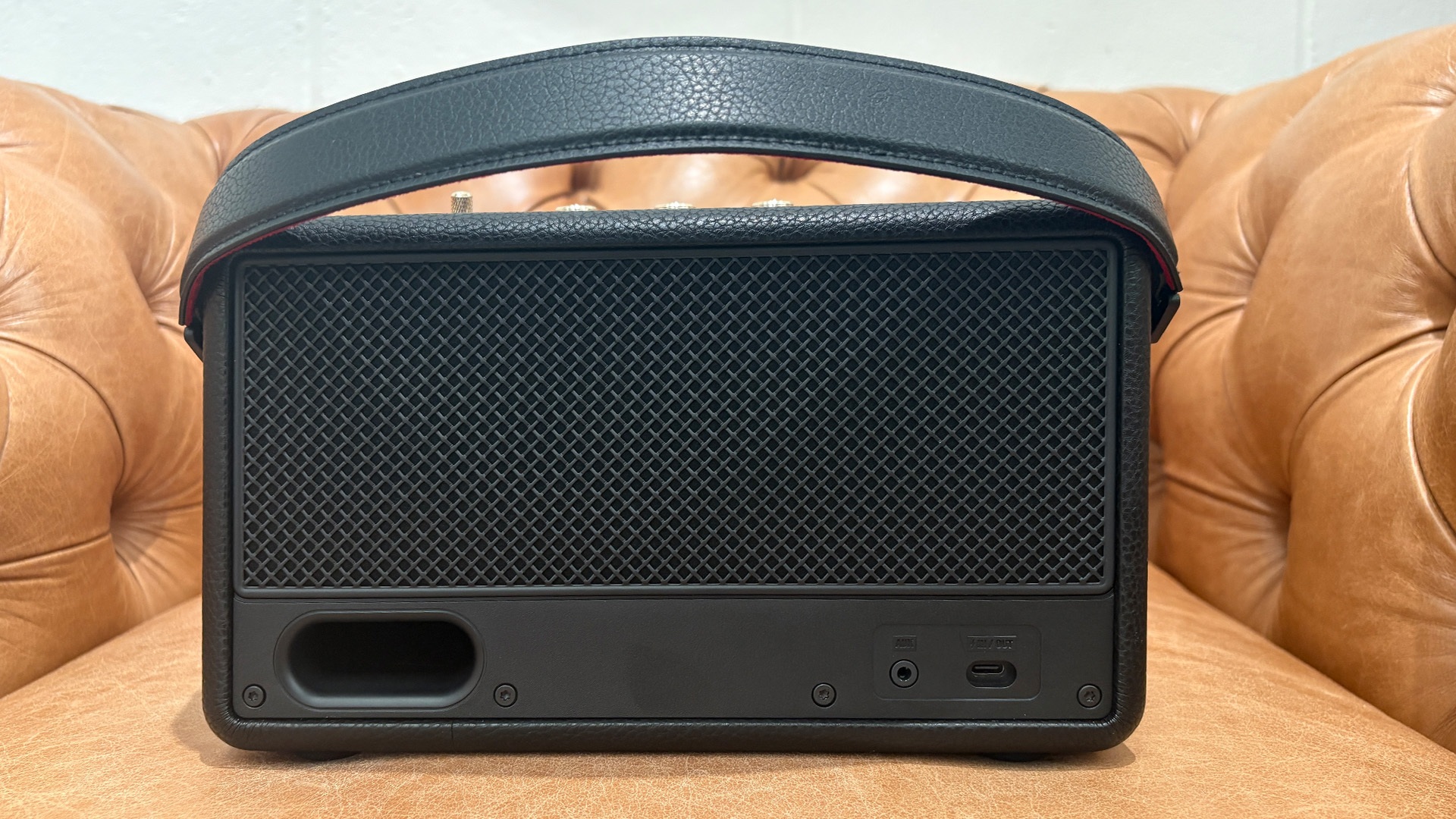
- Connectivity: Bluetooth 5.3 with support for AAC and SBC codecs; 3.5mm auxiliary input.
- Durability: IP54 rating, ensuring protection against dust and water splashes.
- Dimensions: 16.9 x 27.3 x 15cm.
The inclusion of an IP54 rating indicates a clear focus on versatility. While not fully submersible like the competing JBL Xtreme 5, the Kilburn III is designed to withstand the rigors of outdoor use, such as poolside gatherings or patio environments, without compromising its role as an interior design element.
Audio Performance and Signal Processing
At the heart of the Kilburn III is a drive for "true stereophonic" sound. By utilizing a dual-driver setup—one oriented forward and one rearward—the speaker achieves a 360-degree soundstage that minimizes blind spots. This is a significant improvement over traditional mono portable speakers, which often suffer from directional sound drop-offs.
During testing, the device demonstrated a preference for a warm, bass-heavy frequency response. This signature sound profile aligns with the expectations of the brand’s target demographic, often associated with rock, blues, and alternative genres. The internal Digital Signal Processing (DSP) employs "dynamic loudness" technology, which keeps frequencies balanced even at peak volume levels. The speaker effectively manages distortion, ensuring that the sound remains clean even when pushed to its limits.
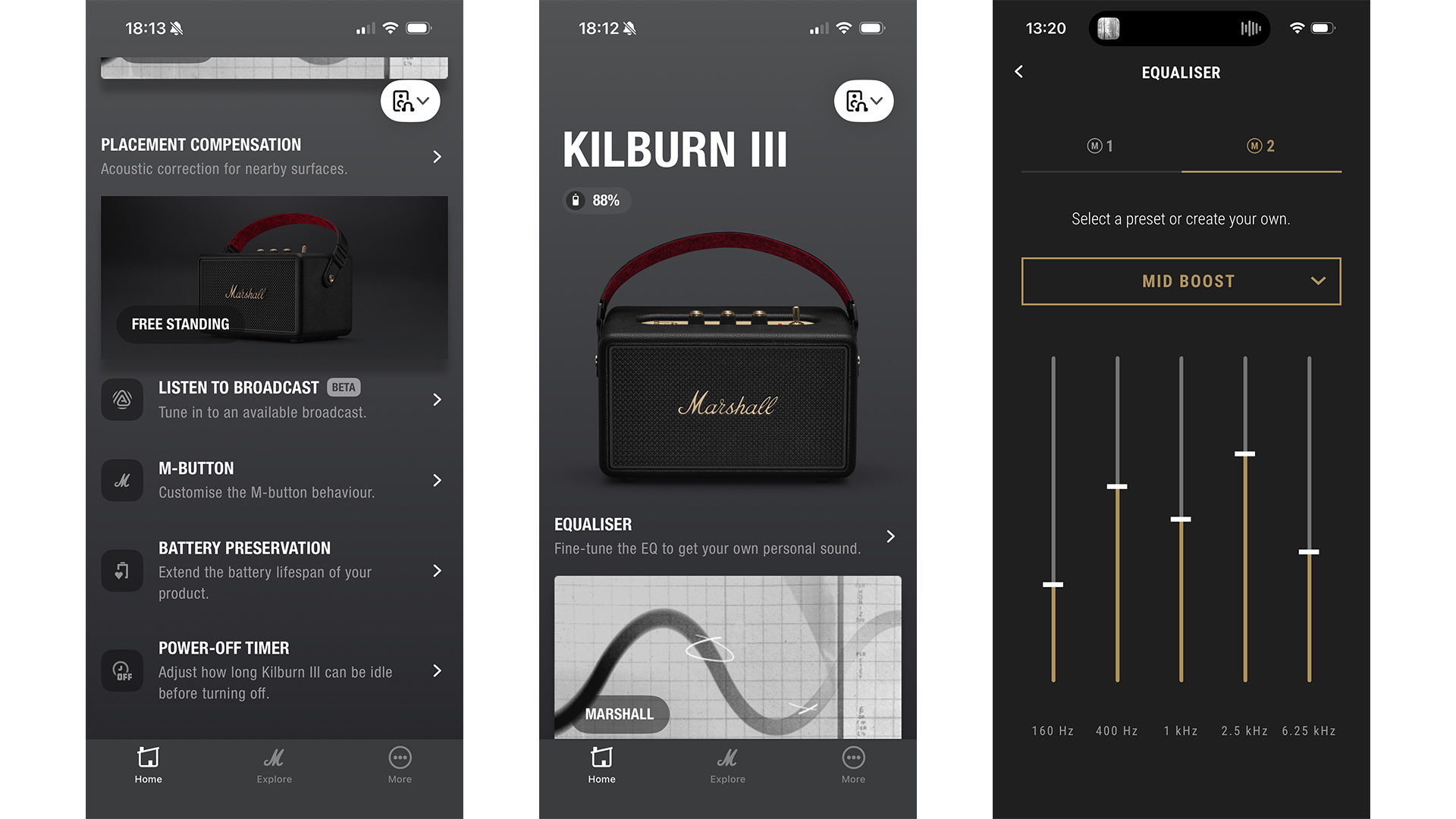
However, from an analytical perspective, the focus on a "meaty" and "muscular" sound does come at the expense of clinical precision. The leading edges of notes are slightly rounded, which provides a smoother listening experience but sacrifices some of the micro-detail found in more neutral, high-fidelity studio monitors. For listeners who prefer a crisp, high-frequency focus for orchestral or delicate acoustic recordings, the Kilburn III requires adjustment via the integrated five-band equalizer in the official Marshall app.
Strategic Market Positioning and Competition
The portable speaker market is currently dominated by brands such as JBL, Bose, and Sony, all of which compete on the basis of durability, battery longevity, and sound clarity. The Marshall Kilburn III sits at a premium price point, often retailing in the $350 to $400 range. Its primary rival, the JBL Xtreme 5, is widely considered the industry benchmark for rugged, high-performance portable audio.
While the JBL Xtreme 5 offers a higher IP68 ingress protection rating and a more balanced, rhythmically precise sound signature, the Marshall Kilburn III competes on a different metric: brand equity and user experience. The ability to save a custom EQ profile directly to the "M" button on the unit’s top panel allows for a level of personalization that is often missing from more utilitarian competitors. Furthermore, the device’s 50-plus hour battery life is a massive selling point, doubling the typical longevity found in many mid-sized portable speakers. This extended endurance significantly reduces the need for frequent charging, reinforcing its utility for long-term travel or multi-day outdoor events.
Implications of Recent Technological Integrations
The integration of Auracast—a new standard for Bluetooth audio sharing—is a forward-looking move by Marshall. Auracast allows a single audio source to broadcast to an unlimited number of compatible receivers. This functionality suggests that Marshall is preparing for a future where users can daisy-chain multiple speakers to create a more expansive, multi-room, or multi-zone audio environment without the complexities of a traditional Wi-Fi-based smart speaker setup.
The decision to limit connectivity to Bluetooth 5.3, rather than incorporating Wi-Fi or high-resolution streaming protocols (like AirPlay 2 or Chromecast), suggests a clear strategic focus on simplicity and ease of use. By stripping away the requirement for a home network, the Kilburn III remains a "plug-and-play" device, which likely appeals to a consumer base that values reliability and quick setup over complex multi-room integration.
Official Stance and User Reception
While official statements from Marshall emphasize the "unrivaled rock-and-roll heritage" and the "uncompromising sound quality," independent reviews generally echo a consensus: the Kilburn III is a stylistic powerhouse that prioritizes character over clinical accuracy. The brand’s willingness to allow for "placement compensation" via its app—a feature that adjusts EQ based on whether the speaker is in a corner, against a wall, or in an open space—shows a sophisticated approach to solving the acoustic challenges of home placement.
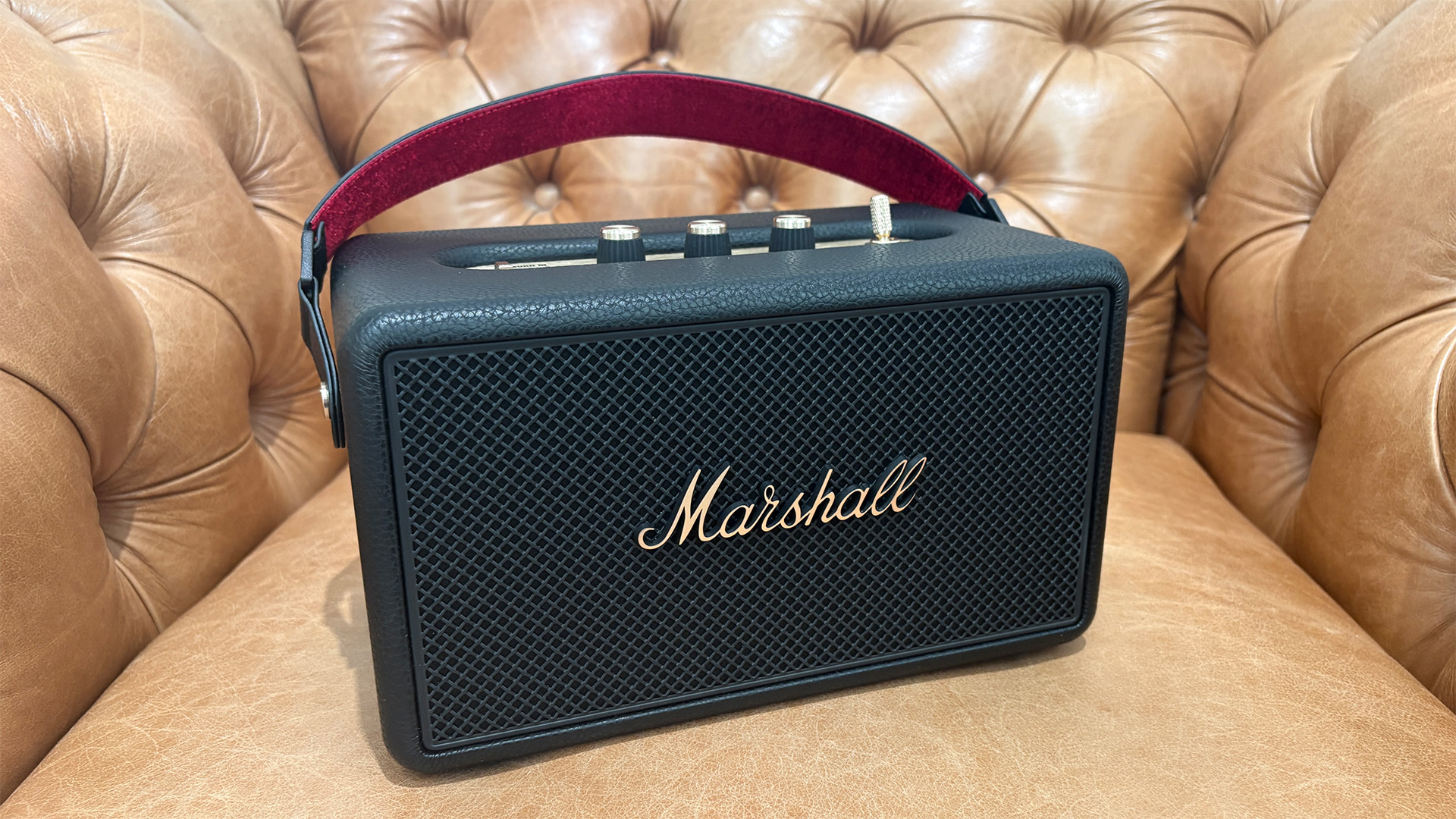
Analysis of early consumer feedback indicates that the build quality is a major driver of customer satisfaction. The physical nature of the brass dials and the weight of the unit contribute to a perception of value that justifies the premium price tag. Critics, however, continue to point toward the lack of support for high-fidelity codecs like aptX Adaptive or LDAC as a missed opportunity for a device in this price bracket.
Conclusion and Future Outlook
The Marshall Kilburn III is not intended for the audiophile seeking a flat, studio-grade reference sound. Instead, it is a lifestyle product that succeeds by offering an energetic, physically engaging, and highly durable audio experience. Its strengths lie in its battery performance, its iconic design language, and its ability to fill a room with a warm, "fat" sound that remains pleasant even at high volumes.
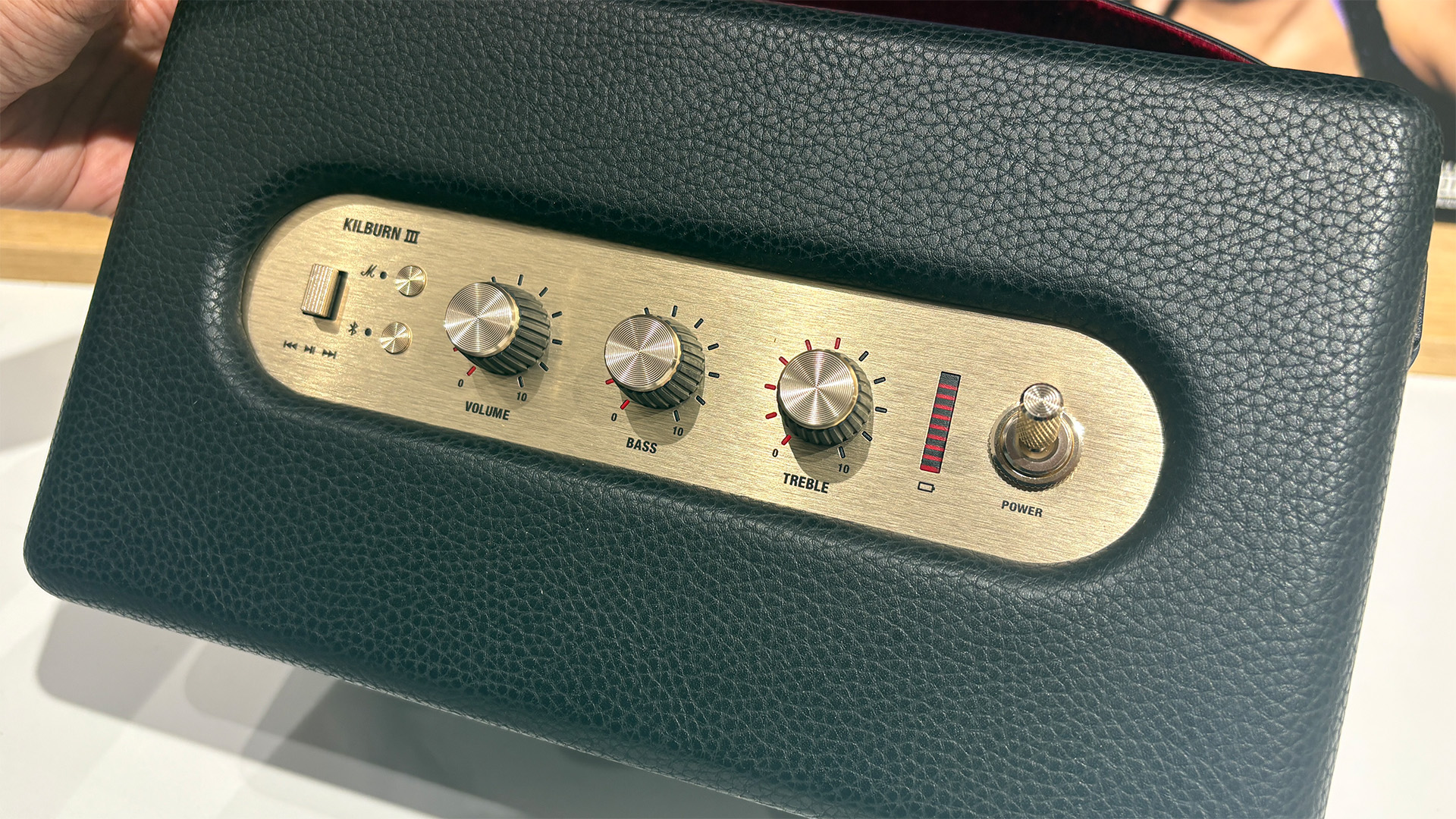
As the brand moves forward, the success of the Kilburn III will likely hinge on whether consumers continue to value the tactile, retro-aesthetic experience in an increasingly digitized world. The transition to Bluetooth 5.3 and the inclusion of Auracast suggest that while the design remains firmly rooted in the past, the underlying connectivity is being brought into the modern era. For the consumer who wants a device that looks as good on a bookshelf as it sounds on a patio, the Kilburn III remains a top-tier contender in a crowded marketplace. It serves as a reminder that in the world of consumer electronics, emotional resonance—the "cool factor"—often carries as much weight as frequency response and signal-to-noise ratios.