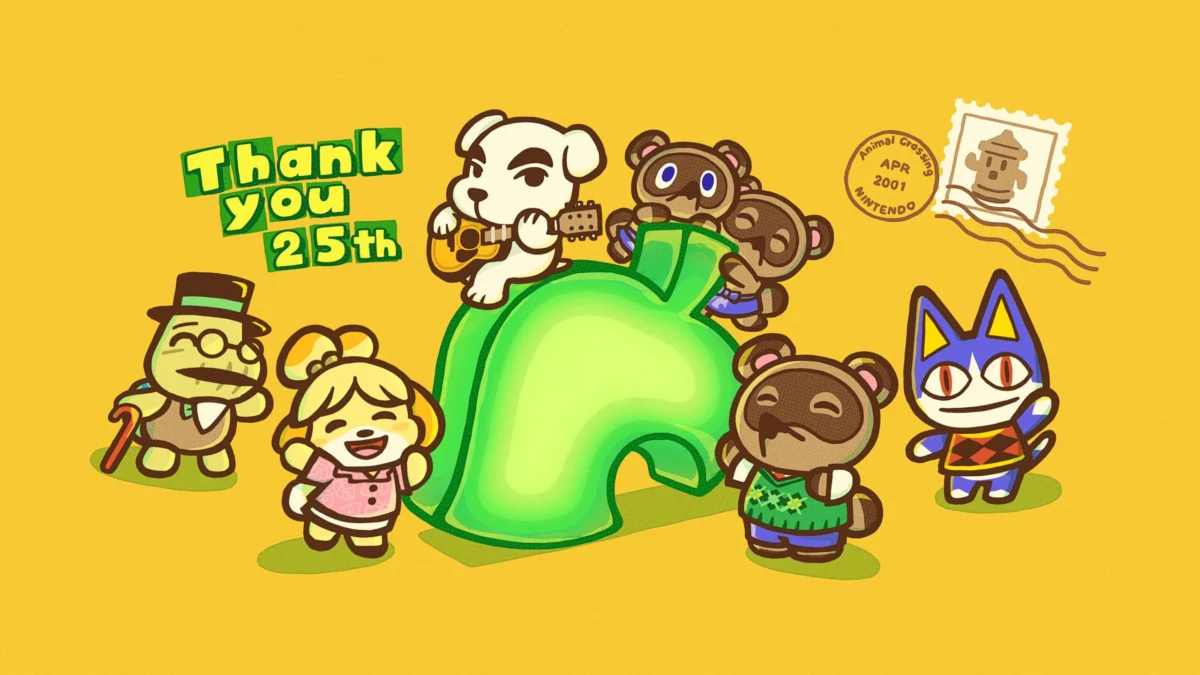
Nintendo has delivered an unexpected update for Animal Crossing: New Horizons, marking a major milestone for one of its most enduring and commercially successful intellectual properties. The patch, officially designated as version 3.0.2, rolled out simultaneously across both the original Nintendo Switch hardware and the next-generation Nintendo Switch 2 ecosystem. This surprise deployment celebrates the silver jubilee of the beloved life-simulation franchise, offering players a nostalgic nod to the series’ roots while delivering standard technical optimizations and bug remediations.
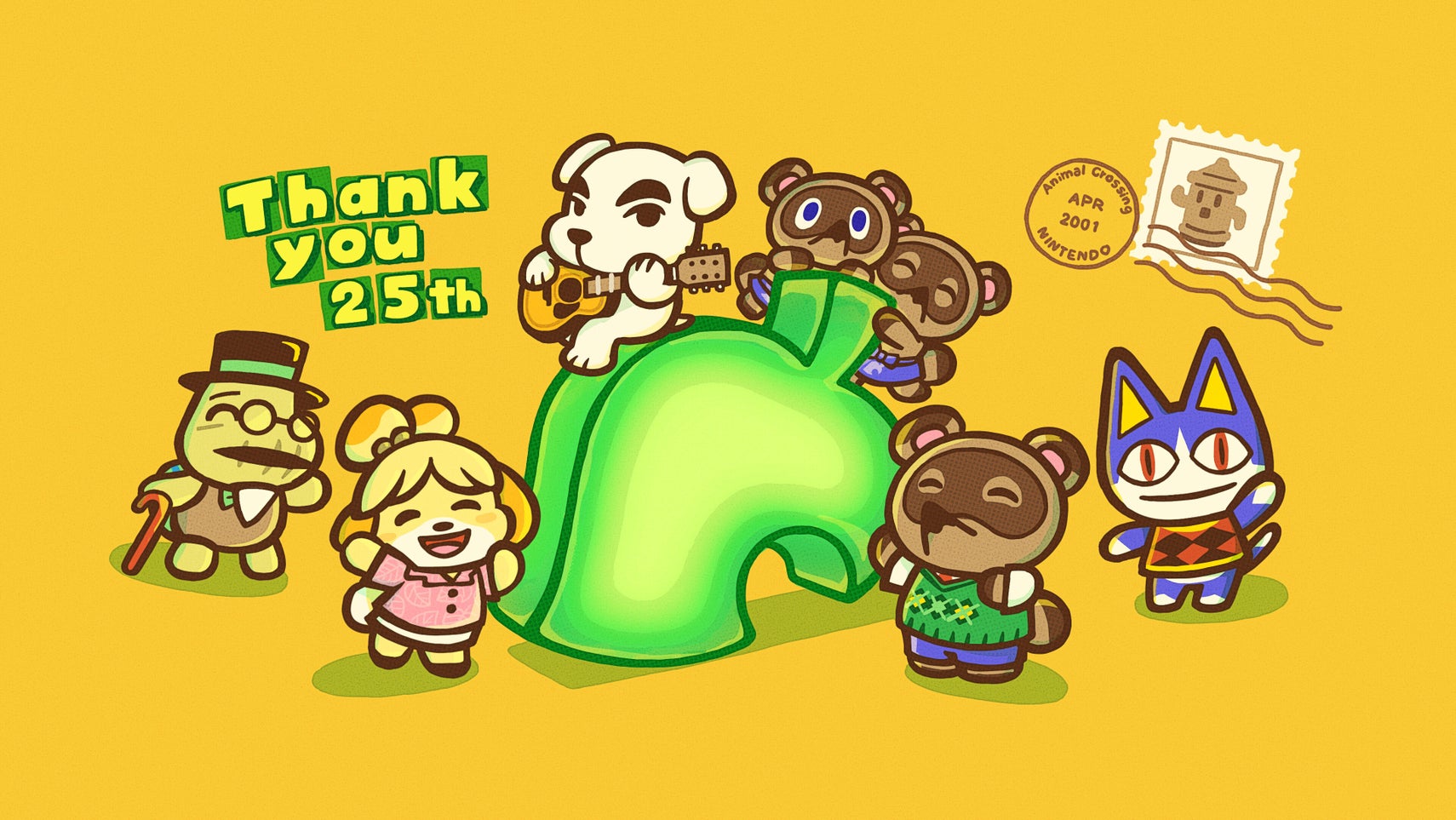
The primary focal point of the version 3.0.2 patch is the inclusion of a single, commemorative in-game item: the Leaf Statue. Unlike seasonal events or major content expansions that historically required targeted progression, active participation in specific gameplay loops, or utilization of Nook Miles, this anniversary gift is accessible to all players universally. Following the installation of the update, players simply need to check their in-game domestic mailboxes. Along with the physical statue item, the correspondence includes a commemorative message thanking the global community for decades of continuous support, complete with a visual stamp modeled after the classic Nintendo 64 era. When placed within the player’s home or across their island paradise, the Leaf Statue features a subtle ambient illumination effect. Additionally, players can acquire and display a virtual recreation of the original Japanese N64 game packaging, further cementing the retrospective theme of the celebration. Beyond these commemorative additions, the remainder of the patch notes details routine stability enhancements and behind-the-scenes bug fixes designed to optimize overall performance.
Historical Chronology: From Dobutsu no Mori to a Global Phenomenon
To fully understand the significance of this 25th-anniversary milestone, it is necessary to examine the historical trajectory of the Animal Crossing franchise. The intellectual property traces its origins back to April 14, 2001, when Nintendo released Dobutsu no Mori (translating literally to Animal Forest) for the Nintendo 64 in Japan. Developed under the creative direction of Kazuaki Morita and produced by Takashi Tezuka, with iconic musical compositions by Kazumi Totaka, the title was designed as an ambitious experiment blending community management, real-time clock integration, and open-ended social simulation.
Because the Nintendo 64 was nearing the end of its commercial lifecycle and utilized expensive cartridge storage that limited expansion, Dobutsu no Mori enjoyed a relatively niche launch late in the console’s lifespan. However, recognizing the unique potential of the software, Nintendo rapidly ported and expanded the game for the Nintendo GameCube. Released in Japan in December 2001 as Dobutsu no Mori+, this enhanced version incorporated features made possible by the GameCube’s internal clock and storage capabilities, including the integration of the internal system clock to track real-world time, seasons, and holidays.
International audiences would not experience the phenomenon until September 2001, when Nintendo of America localized and released the GameCube iteration simply titled Animal Crossing. This localized version required a Memory Card to save town data and came packaged with a standard Nintendo GameCube Memory Card 59, establishing a standard for persistent simulation on home consoles. The game became a sleeper hit, cultivating a dedicated fanbase that laid the groundwork for future iterations.
Over the subsequent two decades, the franchise expanded systematically across successive hardware generations:
- 2005: Animal Crossing: Wild World launched on the Nintendo DS, introducing revolutionary local and online multiplayer via Nintendo Wi-Fi Connection, alongside spherical map architecture.
- 2008: Animal Crossing: City Folk (known as Animal Crossing: Let’s Go to the City in Europe and Australia) debuted on the Wii, integrating Wii Speak functionality and introducing the urban shopping district.
- 2012: Animal Crossing: New Leaf arrived on the Nintendo 3DS, elevating the player to the role of town mayor, allowing for unprecedented customization of public works and municipal ordinances.
- 2015: Nintendo diversified the brand into spin-offs, releasing Animal Crossing: Happy Home Designer and Animal Crossing: Amiibo Festival.
- 2017: The franchise made its mobile debut with Animal Crossing: Pocket Camp, translating the core gameplay loop into a freemium smartphone ecosystem.
- 2020: Animal Crossing: New Horizons launched on the Nintendo Switch in March 2020, coinciding with the onset of the global COVID-19 pandemic.
Commercial Impact and Market Data
The cultural and financial trajectory of the series shifted dramatically with the release of Animal Crossing: New Horizons on March 20, 2020. Propelled by lockdown conditions worldwide, the game captured a massive global audience seeking digital socialization and escapism. According to official financial briefings published by Nintendo, New Horizons rapidly ascended to become one of the best-selling games on the Nintendo Switch platform and within the video game industry at large.
As of December 31, 2023, lifetime global sales for Animal Crossing: New Horizons surpassed 45.35 million units, positioning it as the second best-selling title on the Nintendo Switch, trailing only Mario Kart 8 Deluxe. This commercial performance exponentially outpaced any previous entry in the franchise; for context, the original GameCube title sold approximately 2.71 million copies worldwide, while New Leaf on the Nintendo 3DS achieved roughly 13 million lifetime sales.
The economic footprint of New Horizons extended far beyond direct software sales. The title drove unprecedented hardware adoption for the Nintendo Switch, sparking console shortages during the spring and summer of 2020. Furthermore, the game established a new paradigm for digital brand partnerships, ranging from high-fashion integration with Valentino and Net-a-Porter to educational collaborations with the Monterey Bay Aquarium and the Metropolitan Museum of Art, which allowed players to import real-world art exhibits into their virtual museums via custom QR code utilities.

Industry Implications of Modern Software Patching
The deployment of version 3.0.2 highlights evolving industry practices regarding long-tail support for console software. Historically, game development cycles concluded entirely upon release, with physical media remaining static throughout a product’s commercial lifespan. In the contemporary digital era, platforms like the Nintendo Switch and Switch 2 allow developers to maintain perpetual touchpoints with their consumer bases.
While Nintendo had previously announced that major content updates for Animal Crossing: New Horizons concluded following the deployment of the massive 2.0 update and the Happy Home Paradise paid downloadable content (DLC) in November 2021, the release of patch 3.0.2 demonstrates how legacy infrastructure can be leveraged for brand stewardship. By delivering a targeted, commemorative asset across both current-generation and successor hardware simultaneously, Nintendo reinforces platform continuity and consumer goodwill.
Furthermore, the simultaneous release across the original Nintendo Switch and the newer Switch 2 ecosystem provides empirical insight into Nintendo’s cross-generational compatibility strategies. Ensuring that legacy software titles receive foundational maintenance and commemorative injections across hardware iterations minimizes fragmentation within the user base, preserving the perceived value of digital libraries as consumers transition between hardware generations.
As the Animal Crossing franchise enters its second quarter-century, the quiet deployment of the Leaf Statue serves as both a retrospective tribute to its humble beginnings on the Nintendo 64 and a testament to the enduring commercial vitality of Nintendo’s premier social simulation property.