The execution of group portraits represents one of the most logistically demanding segments of a wedding day, requiring a photographer to balance technical precision with the high-pressure social dynamics of a large gathering. As the seventh installment in this comprehensive professional series, this analysis examines the methodology behind high-end wedding group photography. Far from being a mere checklist of attendees, the group portrait session is a critical window of time where the photographer must act as both an artist and a conductor, ensuring that the legacy of the event is captured with clarity and professional polish.

The Logistics of Coordination and Timeline Management
A wedding day typically operates on a tight, minute-by-minute schedule. Industry data suggests that the "family formal" block, if poorly managed, is the most common cause of scheduling delays, often encroaching upon the cocktail hour and subsequent reception events. To mitigate these risks, professional photographers, such as those at Lin and Jirsa Photography, advocate for a pre-wedding scouting phase. By identifying specific locations—whether it be the site of a Mandap in a traditional Indian ceremony or a Chuppah in a Jewish wedding—photographers can eliminate environmental variables like shifting sunlight or inaccessible terrain.
The most effective strategy for maintaining the timeline is the implementation of a pre-vetted shot list. This document, curated by the couple, serves as the authoritative guide for the session. Photographers frequently advise couples to designate a "wrangler"—typically a family member or close friend familiar with the guest list—to assist in gathering subjects. This delegation allows the photographer to remain behind the camera, focusing on lighting and composition, rather than spending valuable time searching for individual family members.
Technical Requirements: Lighting and Compositional Strategy
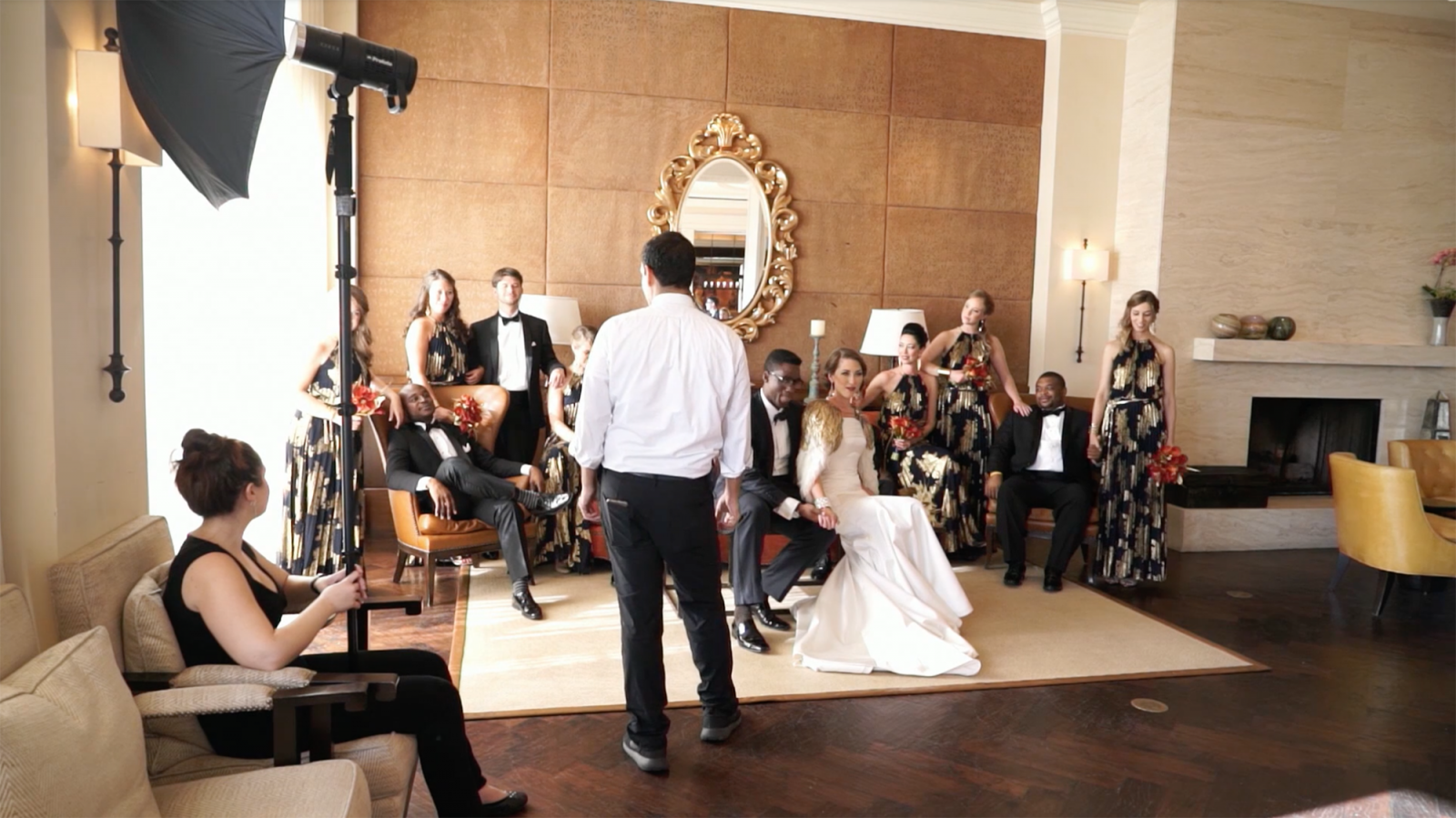
The technical difficulty of photographing groups of twenty or more individuals involves managing the inverse square law and ensuring that light falls evenly across all subjects. When working with large groups, the light source must be sufficiently diffused and positioned at a distance that prevents "light fall-off," where individuals closest to the light source are overexposed while those on the periphery remain in shadow.
Professional equipment kits often include high-output strobes, remote triggers for off-camera flash, and heavy-duty stands to ensure stability. The use of CTO (Color Temperature Orange) gels is standard practice to balance the color temperature of artificial lighting with ambient golden-hour light. Furthermore, photographers often employ "feathering" techniques, where the edge of the light beam is directed toward the group to soften the transition between light and shadow.

Posing Frameworks: Symmetrical vs. Editorial Styles
In the field of professional portraiture, posing is categorized into two primary philosophies: the classic symmetrical approach and the modern editorial style.
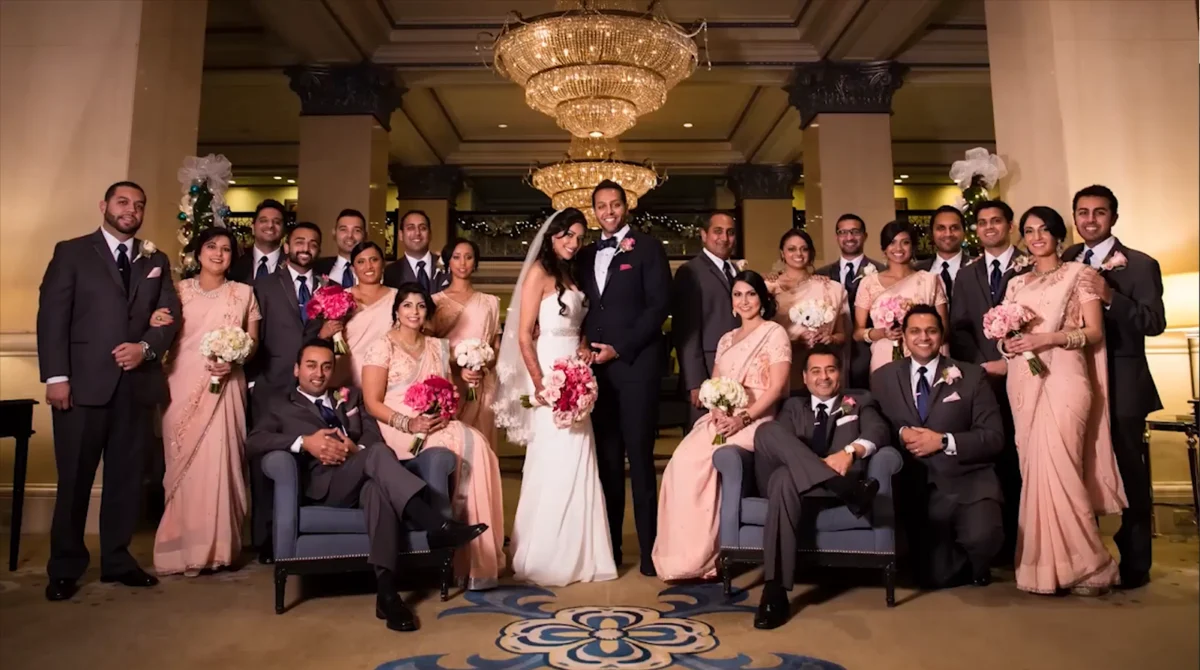
The symmetrical pose is characterized by its rigid, balanced structure. With the couple serving as the central focal point, subjects are arranged in rows, often with the tallest members in the back and seated or kneeling subjects in the front. This method is mathematically efficient, ensuring that every subject is visible and that the focal plane is relatively flat, which is critical for maintaining sharpness across a large group.
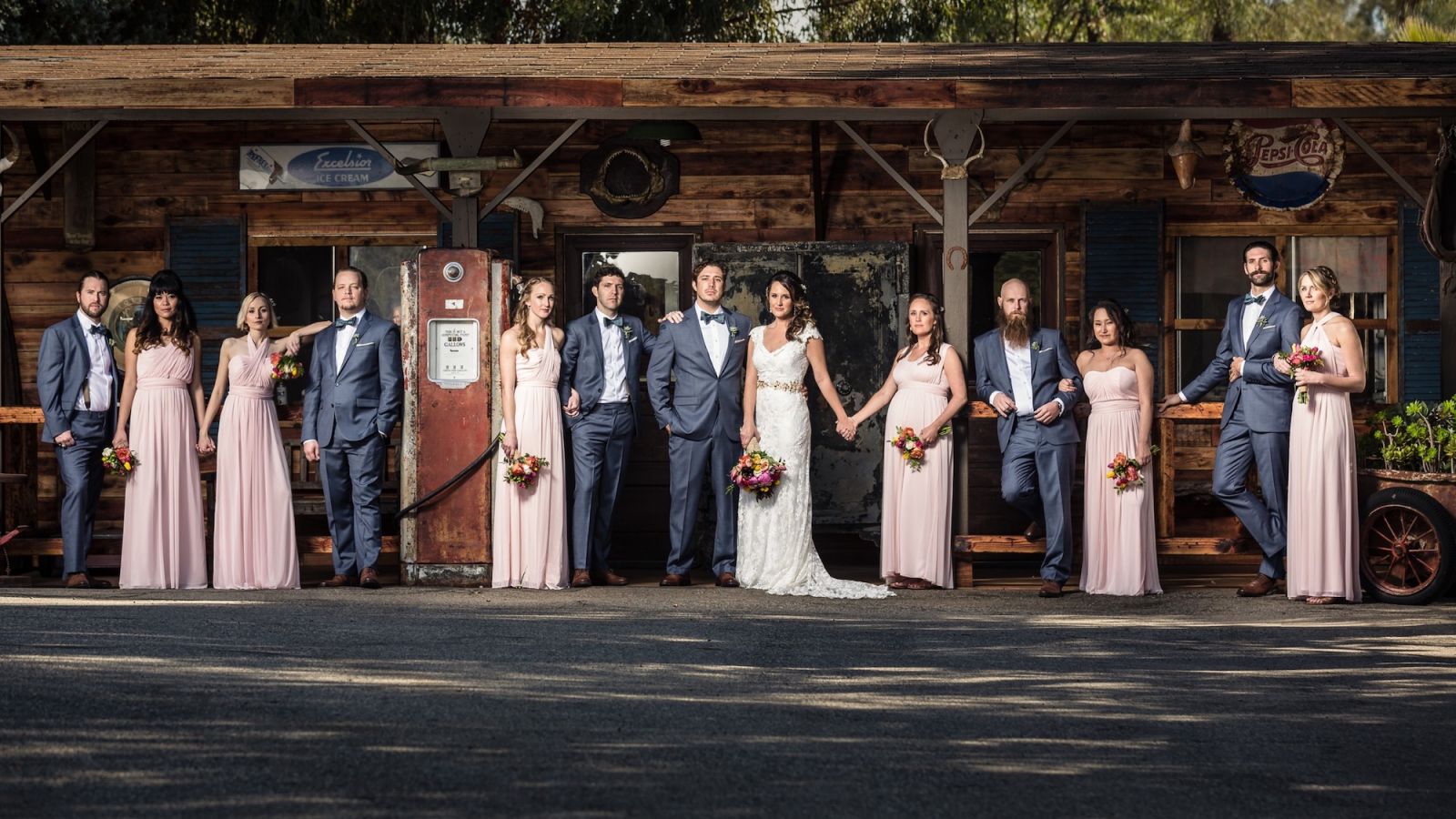
Conversely, the editorial style prioritizes aesthetic balance over strict symmetry. Photographers may utilize asymmetrical placement, directing subjects to engage in more natural, relaxed postures or serious, high-fashion expressions. While this style requires more time to direct—as it often involves moving individuals to create layers and depth—it is increasingly favored for its ability to produce images that resonate with modern visual trends.
Advanced Techniques: Layers, Overlaps, and Connection
To create a cohesive final image, photographers must emphasize "connection" between subjects. This is achieved through subtle overlapping—limiting individual coverage to 20-30% of a body—and the strategic use of "touchpoints." Placing hands on shoulders or linking arms helps create a narrative of intimacy and familial bond.
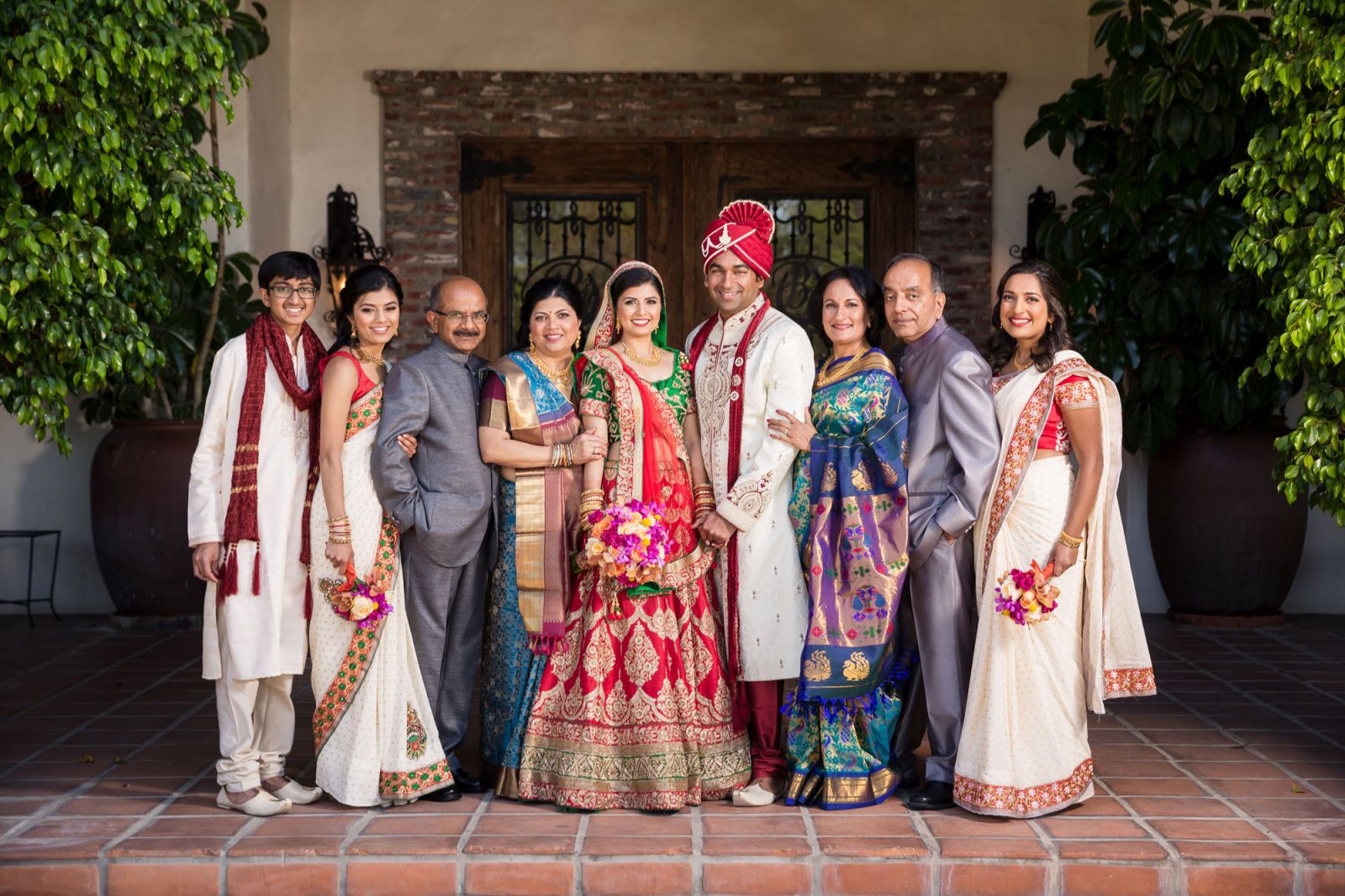
When dealing with very large groups, the use of props like chairs or existing architectural steps is essential to build vertical layers. This technique ensures that faces are not obscured by the subjects in front of them. It is at this stage that the photographer’s role shifts from technician to director. By stepping away from the camera to give clear, audible instructions, the photographer can manage the group’s energy, ensuring that expressions remain genuine rather than forced.
Implications for Brand and Market Value
The ability to deliver high-quality, efficient group portraits has significant implications for a photographer’s professional reputation. In the digital age, these images are among the most frequently shared content on social media platforms by the wedding party. A well-executed group portrait acts as a form of social proof, demonstrating the photographer’s capability to handle complex, high-stakes environments.
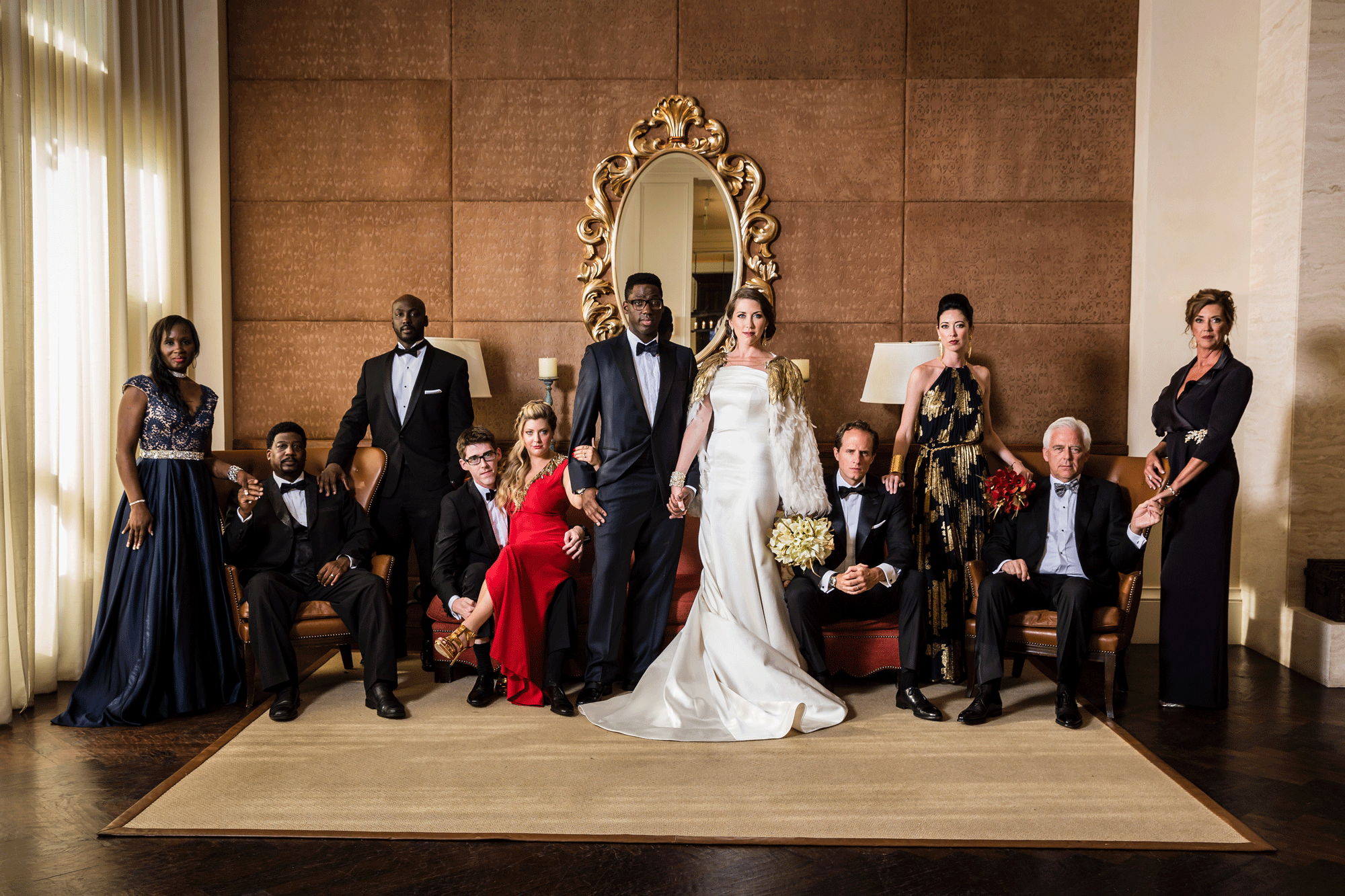
Industry experts emphasize that the "payout" for the effort involved in these shots is high. By capturing a variety of expressions—from formal, direct-to-camera portraits to candid, laughing reactions—the photographer provides the client with a richer, more diverse gallery. This attention to detail contributes to the overall perceived value of the wedding photography package.
Managing Environmental Variables
Shadows remain the primary enemy of the group portrait. Even after a scene is perfectly lit, a stray shift in the group’s position can introduce harsh shadows across a subject’s face. The standard professional response is to reposition the lighting rig rather than the subjects, as the latter consumes excessive time and risks breaking the flow of the shoot.
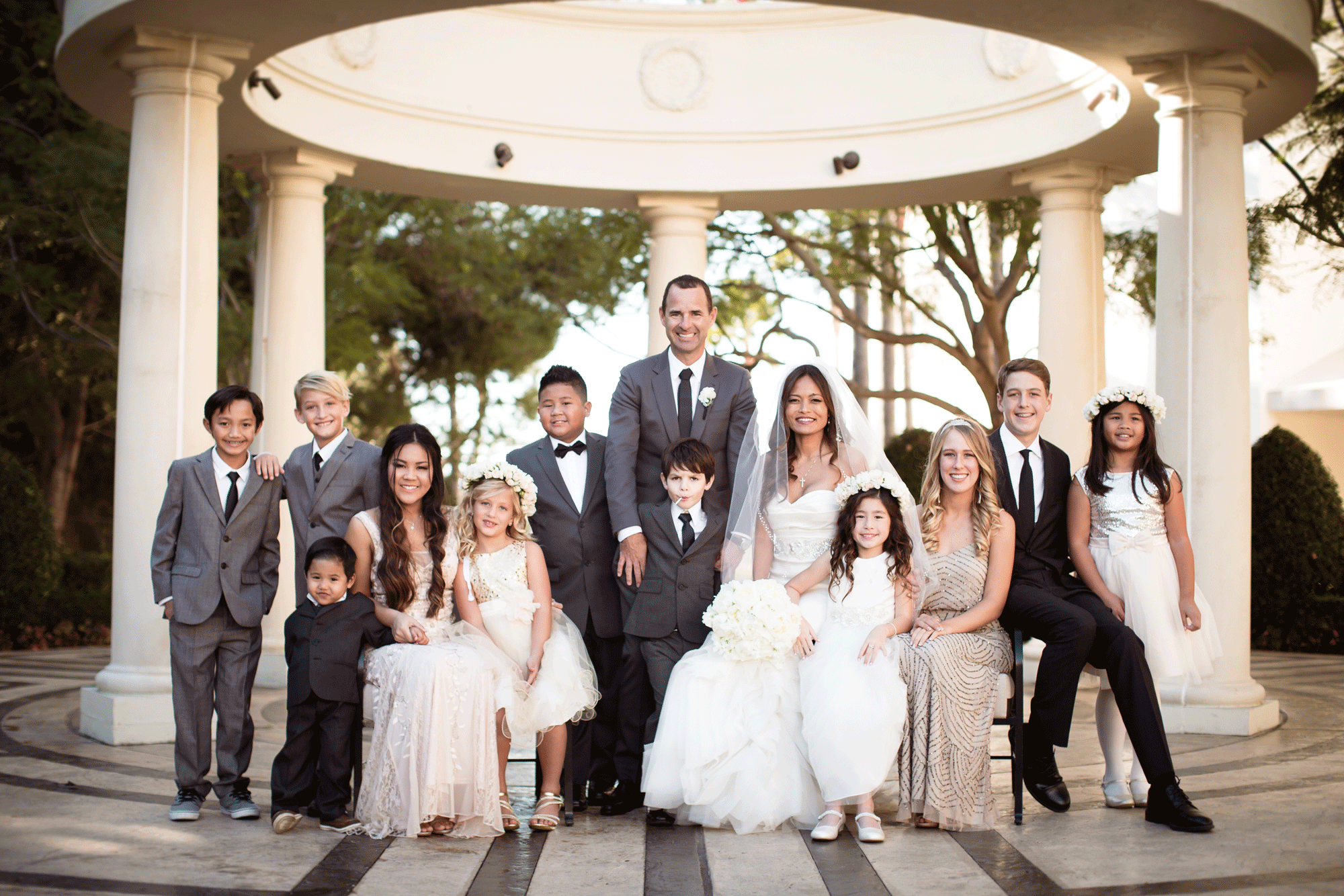
Furthermore, elevating the camera—by using a ladder or standing on an elevated surface—provides a cleaner perspective. This angle minimizes the "clutter" of bodies and ensures that the eyes of all participants are clearly visible to the lens.
Conclusion and Ongoing Education
Mastering group portraits is a process of continuous refinement. As noted in the comprehensive training modules offered by organizations such as the SLR Lounge, the successful photographer is one who prepares extensively, delegates effectively, and directs with confidence. By integrating these technical and soft-skill strategies, photographers can transform the most daunting aspect of the wedding day into a streamlined, creative, and highly valued component of their service. As wedding trends evolve, the ability to balance the technical demands of lighting with the human element of posing will remain the hallmark of an industry-leading professional.