The digital landscape of video gaming is a vast and ever-evolving ecosystem, a fact vividly underscored by the recent informal survey of weekend gaming intentions among the editorial staff of Rock Paper Shotgun (RPS), a prominent PC gaming publication. This recurring feature, which invites staff members to share their planned digital escapades, offers a unique, albeit anecdotal, snapshot of current player preferences, emerging trends, and the enduring appeal of both established franchises and innovative independent titles. From tactical role-playing games to expansive open-world adventures and critically acclaimed indie darlings, the selections reflect a broad spectrum of the gaming experience, illustrating the multifaceted interests of those deeply embedded within the industry.
The discussion, initiated by a writer reflecting on the physical toll of an ill-advised descent down a mountain in Baku – a testament to the sedentary nature often associated with gaming professions – quickly transitioned into the anticipated weekend gaming itineraries. This blend of personal anecdote and professional insight provides a relatable entry point into the diverse world of interactive entertainment, highlighting how even industry veterans grapple with the balance between digital immersion and real-world activities. The subsequent list of games, ranging from obscure tactical RPGs to entries in one of the most prolific action-adventure franchises, serves as a micro-analysis of the contemporary gaming market and the varied tastes it caters to.
Diverse Digital Escapes: A Weekend Gaming Roster
The individual choices made by the RPS journalists illuminate specific corners of the gaming world, each with its own history, community, and gameplay mechanics. These selections are not merely personal preferences but also indicators of broader industry movements and player engagement patterns.
Tactical Engagements and Literary Pursuits: Edwin’s Selections
Edwin, a contributor for RPS, articulated a clear hankering for tactical RPGs, a genre known for its strategic depth, intricate character progression, and often challenging combat encounters. His interest was spurred by a recent article he penned on Star Wars: Zero Company, an upcoming title that promises to blend the iconic Star Wars universe with turn-based tactical gameplay. This choice itself highlights the enduring appeal of established intellectual properties when reimagined within different genre frameworks. The Star Wars franchise, with its rich lore and extensive fan base, has historically seen numerous video game adaptations across various genres, from flight simulators to action-adventure and RPGs. A tactical RPG entry would tap into a segment of the fanbase that appreciates strategic depth over real-time action, a growing niche within the broader gaming community.
Beyond Star Wars: Zero Company, Edwin pondered revisiting Troubleshooter: Abandoned Children. This Korean-developed tactics RPG, launched in early access in 2017 and fully released in 2020, has garnered a dedicated following for its complex character customization, deep narrative, and challenging missions. Its mention by Edwin, noting its popularity among RPS readers, underscores the impact of community recommendations and the discovery of hidden gems outside mainstream AAA releases. Troubleshooter‘s success, despite its relatively lower profile compared to Western tactical RPGs, speaks to a globalized gaming market where quality and innovation can transcend geographical boundaries. Its intricate systems and demanding gameplay appeal to a hardcore segment of the tactical genre audience, often seeking experiences that reward meticulous planning and strategic foresight.
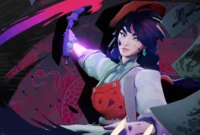
Alternatively, Edwin considered Othercide on the Nintendo Switch. Othercide, released in 2020 by Lightbulb Crew, is a turn-based tactical RPG renowned for its distinctive monochromatic art style with splashes of red, its challenging roguelite elements, and its innovative timeline-based combat system. The consideration of playing it on the Switch, despite previous challenges with its interface on the PlayStation 4, points to the increasing importance of platform portability and the desire for seamless transitions between home console and handheld gaming. The Switch’s hybrid nature has made it a popular platform for indie titles and strategy games, offering players the flexibility to engage with complex games on the go. This also highlights the ongoing efforts by developers to optimize user interfaces for various screen sizes and input methods, a crucial aspect of multi-platform development.
Beyond his gaming choices, Edwin also revealed a new literary acquisition: Aaron Kent’s poetry tome, Angels the Size of Houses. This detail provides a subtle but important reminder of the diverse intellectual and artistic interests often held by individuals within the creative industries, including gaming journalism, suggesting a broader engagement with cultural products beyond the digital realm.
High Seas Piracy and Dark Fantasy Realms: Jeremy’s Adventures
Jeremy, another RPS contributor, presented a dichotomy of gaming choices: continuing his journey with Black Flag Resynced or returning to Lords of the Fallen. His engagement with Black Flag Resynced points to the enduring appeal of the Assassin’s Creed franchise, particularly Assassin’s Creed IV: Black Flag. Originally released in 2013, Black Flag was critically acclaimed for its innovative naval combat, expansive open world, and compelling pirate narrative. The "Resynced" appellation suggests a potential re-engagement with the title, possibly through a new playthrough, a community mod, or a personal re-evaluation, reflecting a broader trend of players revisiting beloved classics. The naval combat mechanics introduced in Black Flag were particularly groundbreaking for their time, offering a dynamic and engaging seafaring experience that significantly diverged from previous Assassin’s Creed entries focused solely on parkour and stealth. Its continued relevance a decade after its initial release speaks volumes about its quality and impact.
In stark contrast to the swashbuckling adventures of Black Flag, Jeremy also contemplated a return to Lords of the Fallen. This title, released in October 2023, is a soulslike action RPG developed by Hexworks and published by CI Games. Known for its challenging combat, dark fantasy setting, and unique dual-world mechanic (Axiom and Umbral), it positions itself as a contender in the increasingly popular "soulslike" subgenre, inspired by FromSoftware’s Dark Souls. Jeremy’s description of it as a "depressing world where everything’s gone to shite" is a common sentiment for players navigating the grim, high-difficulty environments characteristic of soulslike games. His temporary shift from Lords of the Fallen to Black Flag illustrates a common player behavior: taking breaks from demanding, high-stress games to enjoy more relaxed or familiar experiences, often referred to as "palate cleansers" in the gaming community.
Intriguingly, Jeremy also teased a "secret game" he would be firing up for "guides prep sometime soon," hinting at an upcoming title with post-apocalyptic themes. This veiled reference, directing readers to "the release schedule in August for possible hints," is a classic journalistic device, building anticipation while adhering to embargoes or pre-release confidentiality. The mention of "post-apocalyptic worlds" further narrows the possibilities, suggesting a game that aligns with a popular narrative and aesthetic trend in modern gaming, which often explores themes of survival, reconstruction, and moral ambiguity in devastated landscapes.
Indie Adventures on Handheld Frontiers: James’s Choices
James, another member of the RPS team, showcased a preference for indie titles and the burgeoning handheld PC gaming market. He mentioned slapping Replaced on his Steam Deck for a plane trip but ultimately spending the flight immersed in Hollow Knight: Silksong. This scenario perfectly encapsulates the modern dilemma of choice and the allure of highly anticipated indie releases.
Replaced, developed by Sad Cat Studios, is a highly anticipated 2.5D retro-futuristic action platformer with a distinct pixel art style, inspired by cyberpunk and sci-fi aesthetics. Its inclusion on James’s Steam Deck signifies the increasing viability of handheld PC gaming devices for playing a wide range of titles, from AAA blockbusters to graphically intensive indies. The Steam Deck, launched by Valve in 2022, has revolutionized portable gaming, offering PC-level performance in a handheld form factor, thereby expanding where and how players can engage with their Steam libraries.
However, Replaced took a backseat to Hollow Knight: Silksong, the highly anticipated sequel to the critically acclaimed Metroidvania, Hollow Knight. Silksong, developed by Team Cherry, has been subject to immense hype and numerous delays since its announcement. James’s comment about not being able to "get enough bug gibberish" highlights the deep immersion and narrative charm of the Hollow Knight universe, known for its intricate world-building, challenging combat, and distinctive art style. The decision to play Silksong (presumably a demo, early access, or simply replaying Hollow Knight in anticipation) over a new experience like Replaced speaks to the powerful draw of beloved franchises and the anticipation surrounding their continuations. Metroidvania games, characterized by interconnected maps, ability-gated progression, and platforming challenges, continue to be a popular and innovative genre within the indie space.
Navigating the Assassin’s Creed Legacy: Mark’s Extensive Backlog
Mark’s reflections centered entirely on the Assassin’s Creed franchise, revealing a common predicament for players of long-running series: the struggle to keep up with new releases and complete previous entries. He expressed an intention to finally try Assassin’s Creed Rogue, a 2014 title that followed Black Flag and aimed to build upon its successful naval combat mechanics. Rogue was notable for its unique perspective, casting players as a former Assassin turned Templar, offering a fresh narrative angle within the established lore. Mark’s decade-long delay in playing it is indicative of the sheer volume of games released annually and the difficulty of dedicating time to every title, even those within a favored franchise.
His admission of having "missed a number of AC entries in the years since Black Flag," specifically Valhalla, Origins, and Syndicate, further illustrates this challenge. Assassin’s Creed Syndicate (2015) brought the series to Victorian London, introducing dual protagonists. Assassin’s Creed Origins (2017) revitalized the franchise by transitioning to a more RPG-heavy combat and exploration system in ancient Egypt. Assassin’s Creed Valhalla (2020) continued this RPG direction, immersing players in a Viking saga. These games represent significant evolutions within the franchise, and missing them means missing key developmental stages of one of Ubisoft’s flagship series.
Furthermore, Mark confessed to having started the remastered version of Assassin’s Creed III (originally 2012, remastered 2019) "about half a decade ago" without finishing it. This highlights another common player experience: the accumulation of unfinished games in a "backlog," a universal phenomenon in the modern gaming era where sales, subscriptions, and new releases constantly expand a player’s library. His concluding remark, "God, there are just so many games about people in hoodies jumping around," humorously encapsulates the pervasive aesthetic and gameplay loop of the Assassin’s Creed series, which, despite its historical settings, maintains core mechanics of stealth, parkour, and a distinctive hooded protagonist.
Behind the Embargo Curtain: Ollie’s Silence
Ollie’s succinct response, "Sorry, the bargo gods hath sewn shut my mouth," serves as a humorous but clear indication of an industry reality: embargoes and non-disclosure agreements (NDAs). In gaming journalism, it is common for reviewers and previewers to be given early access to games under strict conditions, prohibiting them from discussing certain aspects or even the game itself until a predetermined date. Ollie’s comment implies he is currently playing or preparing content for a game under such an agreement, preventing him from openly sharing his weekend plans. This situation is a routine part of a journalist’s work, ensuring coordinated information release and managing public perception around upcoming titles.
Beyond the Digital Frontier: Julian, Dion, and Callum
The final note, stating that "Julian, Dion, and Callum do not recognise the the weekend’s claim to the end of the week," is a lighthearted way of acknowledging that not all staff members participate in the weekend gaming survey, or perhaps their weekend activities extend beyond video games. This could imply diverse work schedules, personal commitments, or simply a preference for other forms of leisure. It provides a humanizing element, reminding readers that even within a gaming publication, individuals have varied interests and approaches to their time off.
Broader Industry Context: Trends and Trajectories
The collective gaming choices of the RPS staff, while anecdotal, collectively paint a picture of several overarching trends shaping the video game industry today.
The Enduring Appeal of Franchises and Remasters
The repeated mention of Assassin’s Creed titles (Black Flag Resynced, Rogue, Valhalla, Origins, Syndicate, AC3 Remastered) underscores the immense power of established franchises. Ubisoft’s Assassin’s Creed series, with over 200 million units sold worldwide as of 2023, is a prime example of a brand that consistently draws players back through new entries, spin-offs, and remasters. The trend of "resynced" or "remastered" versions of older games speaks to a dual market demand: nostalgia for classic experiences and the desire for improved graphics and performance on modern hardware. This allows publishers to monetize existing intellectual property while catering to both veteran players and newcomers. The financial success of remasters and remakes across the industry (e.g., Resident Evil remakes, The Last of Us Part I) validates this strategy, indicating a significant market segment that values enhanced versions of beloved titles.
The Rise of Niche Genres and Indie Innovation
Edwin’s focus on tactical RPGs like Troubleshooter: Abandoned Children and Othercide, alongside James’s preference for Hollow Knight: Silksong and Replaced, highlights the robust health of the independent gaming sector and the increasing popularity of niche genres. These games often offer innovative mechanics, unique artistic visions, and deep gameplay experiences that might not be found in AAA blockbusters. The success of titles like Hollow Knight has proven that indie games can achieve critical acclaim and commercial success comparable to larger productions, fostering a vibrant ecosystem where creativity flourishes. The growth of digital distribution platforms (Steam, Nintendo eShop, Epic Games Store) has democratized game publishing, allowing smaller studios to reach global audiences without the need for traditional publisher backing. This has led to an explosion of diverse titles catering to every conceivable taste.
The Evolving Landscape of Gaming Platforms
The discussion of playing Othercide on the Nintendo Switch and Replaced on the Steam Deck showcases the evolving hardware landscape. The Nintendo Switch has firmly established the viability and popularity of hybrid console/handheld gaming, selling over 130 million units globally. The Steam Deck, on the other hand, represents a significant step forward for handheld PC gaming, offering unparalleled access to a vast PC game library in a portable format. These devices are changing player habits, enabling gaming on the go and providing flexibility that traditional home consoles or desktop PCs cannot. The continuous innovation in mobile and portable gaming technology suggests a future where gaming is increasingly untethered from a fixed location, offering players more freedom in how and where they choose to play.
The Role of Gaming Journalism: Curating and Reflecting
Rock Paper Shotgun, established in 2007, has long been a respected voice in PC gaming journalism, known for its in-depth reviews, insightful features, and distinctive editorial tone. The "What are you playing this weekend?" segment, while informal, serves several important functions:
- Community Engagement: It invites readers to share their own gaming plans, fostering a sense of community and shared passion.
- Taste-making and Discovery: By revealing their own interests, journalists can introduce readers to lesser-known titles or reignite interest in older ones.
- Industry Barometer: Collectively, these choices offer a qualitative gauge of current gaming trends, showing which genres, platforms, and types of games are captivating industry professionals.
- Transparency: It offers a glimpse into the personal lives and gaming habits of the writers, humanizing the publication and its staff.
The blend of professional obligation (like Jeremy’s guides prep or Ollie’s embargo) and personal enjoyment (James’s Silksong obsession) highlights the unique position of gaming journalists, whose work often overlaps with their hobbies.
Conclusion: A Tapestry of Play in the Modern Gaming Sphere
The weekend gaming plans of the Rock Paper Shotgun staff, though presented casually, provide a compelling microcosm of the broader video game industry. They reveal a landscape rich with diversity, from the enduring allure of multi-decade franchises and their remastered iterations to the vibrant innovation flourishing within the independent sector. The choices underscore the significance of various gaming platforms, particularly the growing influence of portable devices like the Nintendo Switch and the Steam Deck, which are redefining how and where games are experienced. Furthermore, the insights offer a glimpse into the professional realities of gaming journalism, including the demands of covering new releases and navigating industry-specific constraints like embargoes. Ultimately, this informal survey reinforces the notion that gaming remains a dynamic, deeply personal, and universally engaging form of entertainment, continually evolving to meet the varied desires of its global audience, even those who, like the introductory writer, might occasionally overexert themselves in the pursuit of a step counter’s approval. The sheer breadth of options available, from strategic tactical challenges to epic open-world sagas, ensures that the question "What are you playing this weekend?" will always yield a fascinating and diverse array of answers.