A recent reader survey conducted by Electrek has illuminated a complex and often skeptical outlook among consumers regarding the viability of the new, affordably priced Slate electric truck in the highly competitive U.S. automotive market. With nearly 3,000 responses gathered over several weeks, the results indicate that while the Slate’s aggressive pricing strategy has generated significant attention, it may not be enough to overcome entrenched market dynamics and consumer expectations, particularly when juxtaposed against established players like Ford.
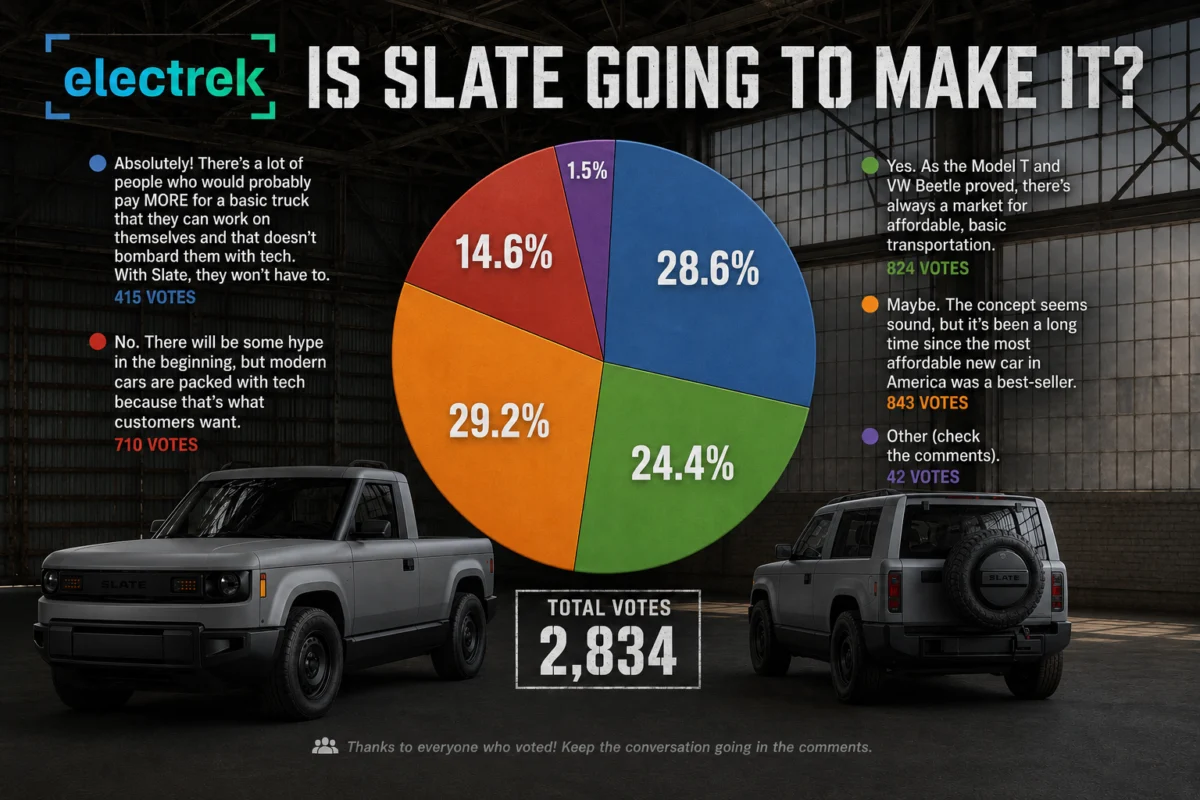
The core of the survey’s inquiry centered on whether Slate Auto’s "back-to-basics" approach and its officially revealed pricing, positioning it as one of the most affordable new vehicles available, would translate into robust demand. The question posed to Electrek readers was stark: "With Slate Auto’s pricing finally revealed, the back-to-basics truck is OFFICIALLY one of the most affordable new vehicles you can buy – but will that low price drive demand? In other words: is Slate going to make it?"
This question arose amidst considerable excitement surrounding the Jeff Bezos-backed venture, which has been positioned as a disruptor in the burgeoning electric vehicle (EV) segment, especially for pickup trucks. However, the survey’s findings paint a picture far more nuanced than the initial fanfare might suggest, highlighting significant competitive pressures from traditional automakers, most notably Ford, and its popular Maverick compact pickup. The concerns extend beyond Ford’s anticipated future EV offerings, focusing instead on the current ICE-powered Maverick and its perceived value proposition.

The pricing of the Slate, set at $25,000 before destination fees, places it in direct contention with Ford’s Maverick, particularly when factoring in Ford’s ongoing "A plan for everyone" pricing strategy, which often brings the Maverick’s retail price down to competitive levels. As Mark Horning, a commenter quoted in the survey, pointed out, "At $25k, plus destination, these are basically the same price as a Maverick with Ford’s current ‘A plan for everyone’ pricing." Horning further elaborated on the perceived cost differential, stating, "By the time I add a spare tire to the Slate, the Mav is cheaper." This observation underscores a key concern for potential buyers: the base price of the Slate may not reflect the total cost of ownership or the essential features expected in a modern vehicle.
Adding to this sentiment, another commenter, Erik, highlighted not only the pricing parity but also a significant difference in vehicle size and inherent value. "It is also a lot smaller than a Maverick," Erik stated. "Compared to what a Maverick offered when it launched for $20k, this is not a good deal yet. This is probably more for former Scion buyers." This comparison suggests that for consumers familiar with the value proposition of similarly priced vehicles from the past, the Slate’s current offering might fall short of expectations, potentially appealing to a niche demographic rather than the broader market.
The analysis by Horning and Erik touches upon critical competitive advantages held by the Ford Maverick, even with its internal combustion engine. The Maverick, despite not being an EV, offers a level of integrated technology, a fully functional infotainment system, four functional doors, and crucially, a well-established nationwide dealer network. This network provides access to factory-trained technicians, a significant factor for consumers prioritizing long-term reliability and accessible maintenance. These elements are often considered "pros" in a buyer’s decision-making matrix and represent tangible benefits that the Slate, with its "back-to-basics" philosophy, may struggle to match, at least initially.
A Divided Opinion: Survey Results Reveal Market Hesitation
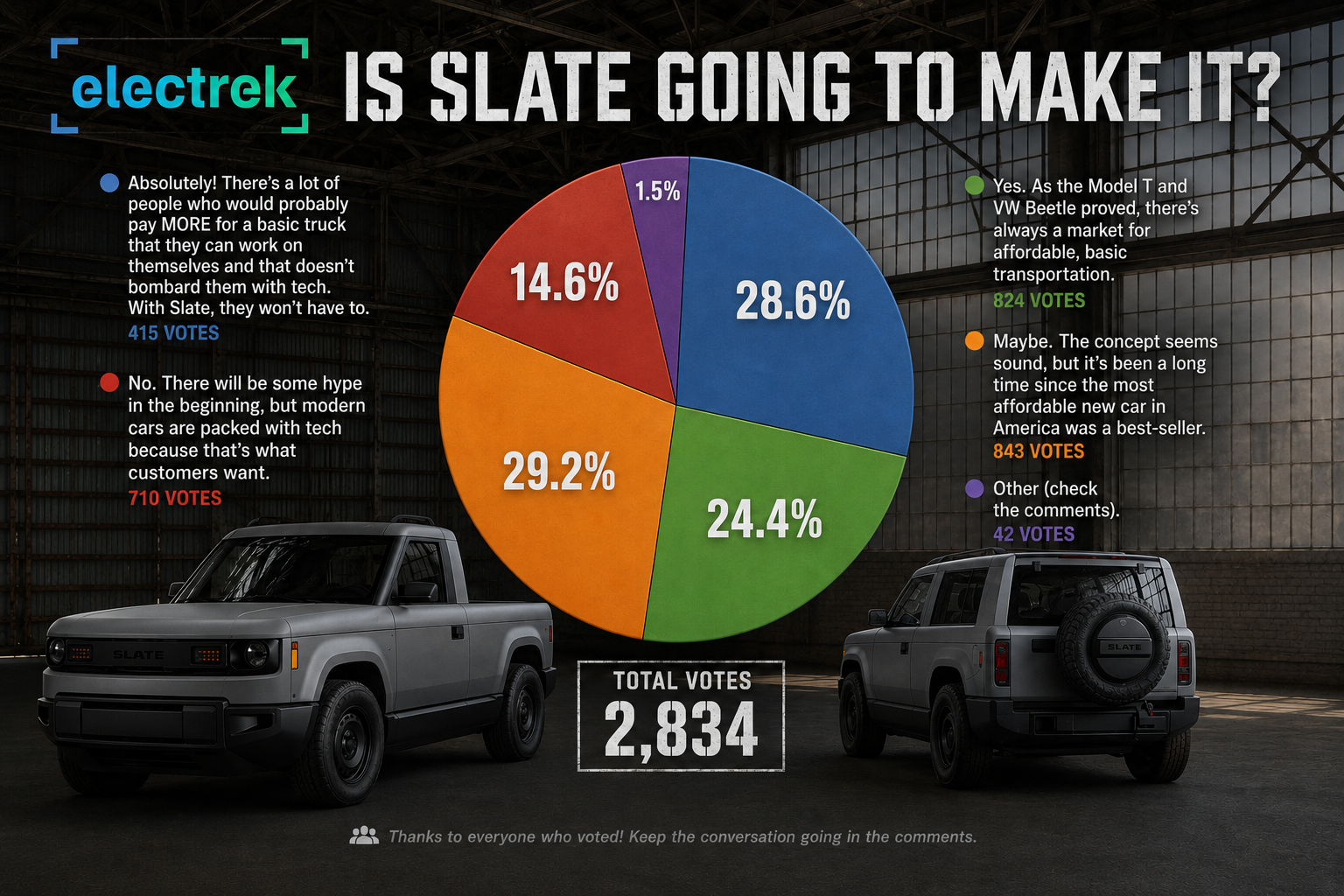
The comprehensive survey results visually depict this division of opinion. Out of the nearly 3,000 responses, a significant portion, totaling 1,553 votes, fell into the "maybe" or "no" categories when asked about the Slate’s market success. Conversely, 1,239 respondents expressed a "yes" or "absolutely" sentiment. This near-even split, with a slight lean towards skepticism, suggests that while there is a dedicated base of supporters for the Slate’s concept, a larger segment of the automotive-buying public remains unconvinced about its long-term viability and market appeal.
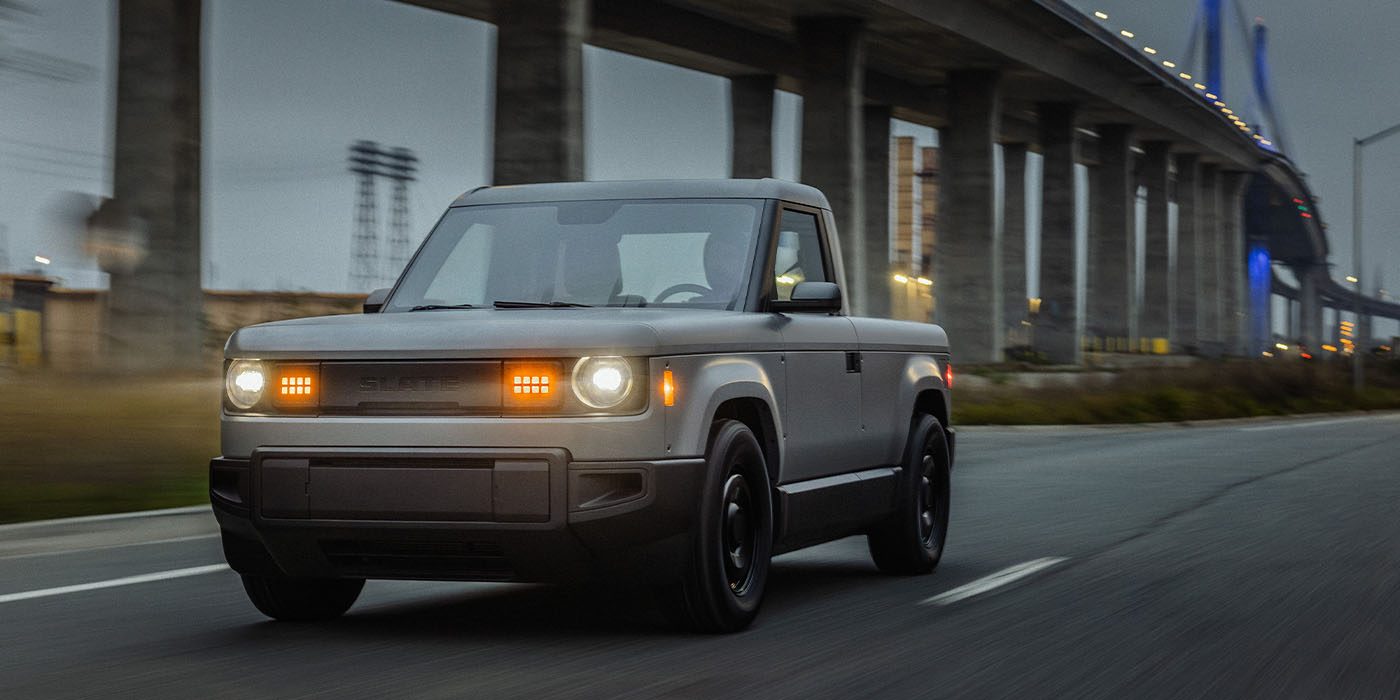
Commenters frequently cited concerns about the Slate’s ability to compete in a market where buyers often seek either a more substantial, imposing vehicle or one with a proven track record of reliability and robust aftermarket support. S25510, a reader, articulated this point: "The problem is that most people who want a truck either desire a land yacht so that they can feel bigger and more capable than others, or need something that they can trust to be reliable and that they can be confident will have after market support long term." This perspective highlights a fundamental challenge for the Slate: its compact, utilitarian design might not align with the traditional truck buyer’s perception of capability and presence.
Furthermore, S25510 questioned the Slate’s potential for commercial adoption: "The Slate could handle a lot of urban work truck jobs but will enough commercial buyers trust that the company will be around and/or have service options close enough? It’s going to be a hard sale unless they can secure some high profile contracts like Rivian did." This concern about company longevity and service infrastructure is a common hurdle for new automotive startups, especially those aiming for fleet sales, which often require substantial guarantees of support and maintenance. The success of Rivian, despite its own challenges, in securing major contracts with Amazon for its electric delivery vans, serves as a benchmark for how new entrants can build trust and scale their operations.
Beyond the fleet market, individual consumer concerns also surfaced. One commenter, REDRAINDROP, revealed they had canceled a pre-order, citing the high cost of a particular accessory as a deciding factor. "The hatchback conversion kit was the reason for me. It was too expensive, considering, I can get a lot more for my money elsewhere," they stated. "I understand I will lose my modularity but I just couldn’t stomach it. I still want it. But I will wait for real world reviews first." This anecdote illustrates how the perceived value of optional features, combined with the availability of alternatives, can influence purchasing decisions, even for early adopters. The desire for "real-world reviews" before committing further suggests a cautious approach from potential buyers, underscoring the need for the Slate to demonstrate its capabilities and reliability in practical use.
A Glimmer of Hope: Niche Markets and Open-Source Potential
Despite the prevailing skepticism, the survey did reveal a contingent of supporters who see significant potential for the Slate, particularly in specialized markets and through its unique design philosophy. The more than 1,200 respondents who voted in favor of the Slate’s success often pointed to its potential as a "blank slate" for customization and its appeal to specific demographics.
MRVC, one of the positive respondents, expressed optimism about the Slate’s prospects, especially within the business and fleet sectors, as well as among younger entrepreneurs and older individuals seeking a more compact truck. "I think it will be huge for business and fleets. Plus younger people starting or taking over businesses and older people that just want a small truck," MRVC commented. The appeal to younger demographics and those seeking functional utility without the bulk of traditional trucks is a key argument for the Slate’s success. MRVC also drew parallels to the customizable nature of vehicles like Jeeps, suggesting that the Slate’s modularity, akin to removable doors and roof sections, could resonate with consumers who enjoy personalization.
A particularly compelling aspect highlighted by supporters is the Slate’s open-source nature. MRVC believes this approach could be a significant selling point, fostering a community of creators and innovators who can develop and showcase unique modifications and use cases. "The open source nature I believe will help it. And could even help sell it. It will probably only take a few creative skilled people showing off what they have done for people that were skeptical to see an accessory and use case they could use." This perspective suggests that the Slate could cultivate a loyal following through its adaptability and the collaborative spirit it encourages, potentially creating a demand driven by a community of enthusiasts rather than mass-market appeal alone.
The mention of "roof options that make sense for fleets and commercial activities" further indicates a strategic focus for Slate Auto, aiming to leverage its platform for practical, business-oriented applications. This could involve partnerships with upfitters and accessory manufacturers to develop specialized solutions for various industries, thereby carving out a distinct market niche.
Broader Implications for the Automotive Industry
The sheer volume of responses to the Electrek survey, approaching 3,000, is a testament to the significant public interest surrounding Slate Auto. This level of engagement underscores that despite the prevailing market conditions, there is a substantial audience keenly observing the trajectory of affordable electric vehicles. The success, or even the notable failure, of a venture like Slate Auto is poised to send ripples through the broader automotive industry.

For manufacturers, the Slate’s existence and the consumer feedback it garners serve as a critical case study. It highlights the ongoing tension between offering advanced technology and maintaining affordability. The Slate’s "back-to-basics" strategy, while potentially alienating some traditional buyers, could also appeal to a segment of the market that feels underserved by increasingly complex and expensive vehicles.
If Slate Auto can successfully navigate the challenges of production, distribution, and long-term support, its impact could be profound. It might force established automakers to re-evaluate their pricing structures and feature sets, potentially leading to more accessible EV options across the board. Conversely, if the Slate falters, it could reinforce the perception that while affordable EVs are desirable, the path to market profitability remains fraught with significant obstacles, especially for newcomers lacking the established infrastructure and brand loyalty of legacy manufacturers.
The competitive landscape, as evidenced by the comparisons to the Ford Maverick, is fierce. While the Maverick’s current ICE powertrain offers a distinct advantage in terms of familiarity and established support, the long-term shift towards electrification means that companies like Slate Auto will continue to have opportunities. However, their ability to capitalize on these opportunities will depend not only on price but also on building consumer confidence, demonstrating reliability, and establishing a clear value proposition that resonates with a substantial segment of the automotive market. The coming months and years will be crucial in determining whether the Slate electric truck can indeed make its mark or will remain a niche curiosity in the evolving EV narrative.