








The release of Probably Stolen: Cyberpunk Shopkeeper Sim, developed by Questing Goose Studio, marks a significant addition to the growing sub-genre of management simulation games that focus on the bureaucratic and moral complexities of operating a business in dystopian environments. Set on a desolate, backwater space station, the title challenges players to manage a retail establishment while navigating a volatile socio-political landscape. The core gameplay loop—balancing inventory management, customer interaction, and legal compliance—places the player in a position of precarious authority, requiring a constant appraisal of risk versus reward.
The Mechanics of Dystopian Commerce
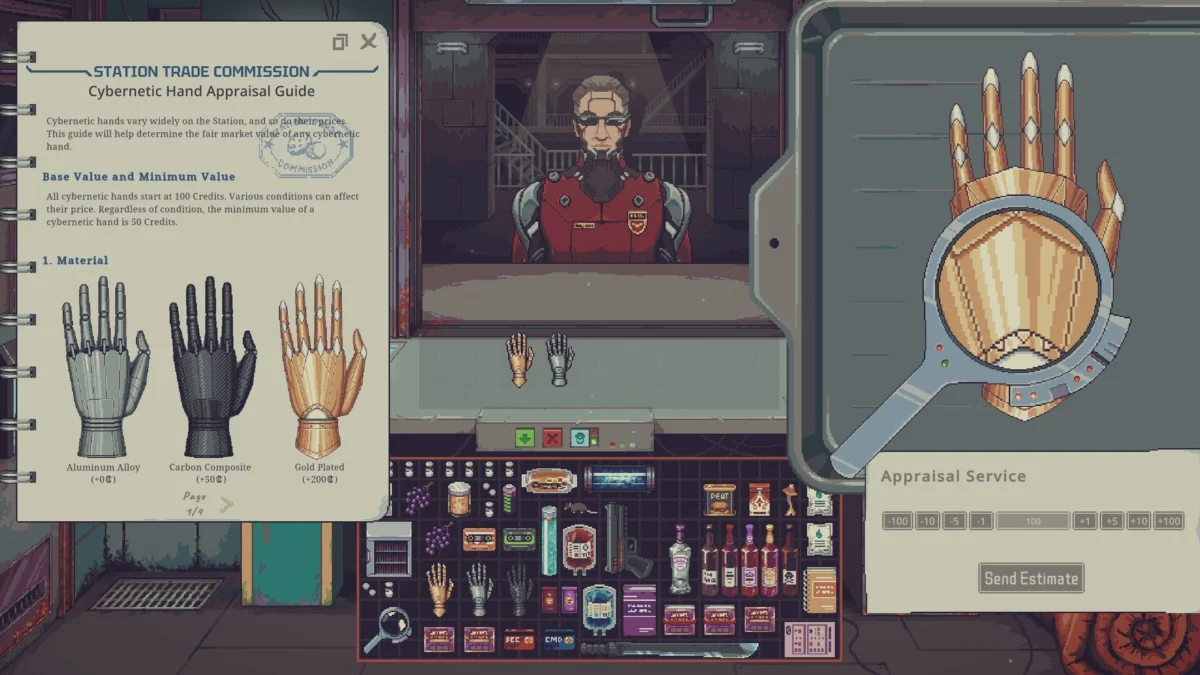
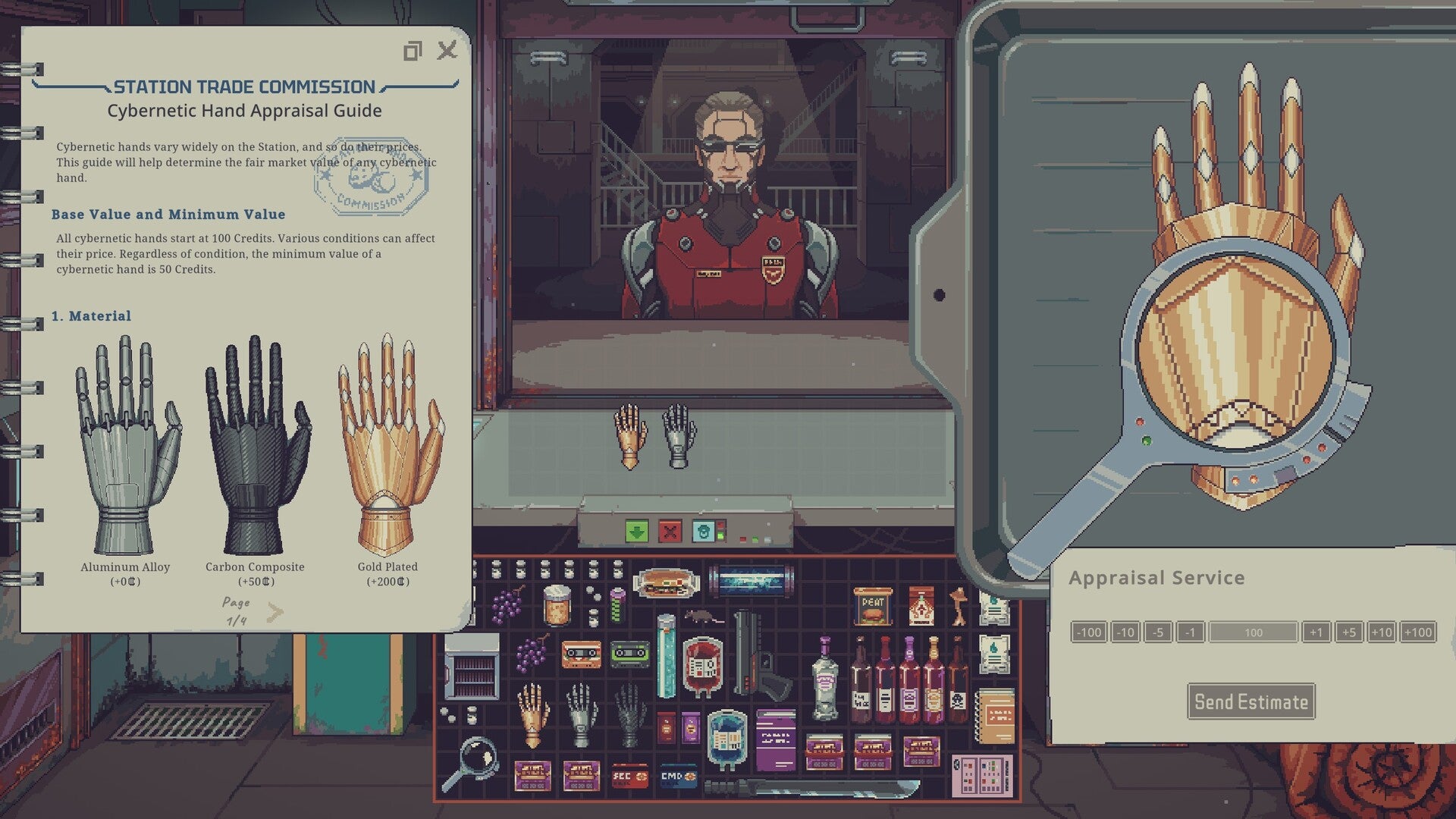
At its foundation, Probably Stolen operates as a resource management simulator that emphasizes the logistical strain of maintaining a shop in a lawless or loosely regulated sector. The player is tasked with daily operations, which include purchasing inventory, managing customer transactions, and maintaining the store’s physical and financial health. Unlike traditional shopkeeping simulations, the game incorporates elements of investigative thriller mechanics. Players must utilize magnifying glasses to inspect goods for authenticity, cross-reference customer identities against security databases, and navigate the competing interests of various factions, including corporate entities, local revolutionary movements, and organized criminal syndicates.
The complexity of the game is rooted in its reactive systems. Every transaction is logged and analyzed by the game’s internal world-state engine, which tracks the player’s reputation among different factions. These reputation tiers are not merely cosmetic; they dictate the availability of specific product lines, the frequency of security inspections, and the likelihood of targeted raids. The studio has emphasized that the game’s economy is designed to be punishing, reflecting the scarcity and danger inherent in its setting.
Chronology of Development and Market Entry
Questing Goose Studio began development on the project with the intention of iterating on the "bureaucratic survival" model popularized by titles such as Lucas Pope’s Papers, Please. The development cycle focused on creating an interactive, menu-driven interface that simulates the overwhelming nature of high-volume retail, contrasted with the physical danger of the nighttime cycle.
The game’s entry into the market was preceded by a series of demonstrations highlighting its varied "professional paths." Players are not limited to a single retail experience; they may choose to specialize in fields such as chemical synthesis, weapon manufacturing, or agricultural distribution. Each of these paths comes with a unique "ruin profile." For instance, specializing in weapons invites intense scrutiny from station security, while the chemistry path leads to legal liabilities related to addiction and health regulations. This branching career model provides a modular framework for the game’s difficulty, allowing players to scale their risk exposure according to their proficiency.
Economic Risk and Moral Accountability
A central theme of the gameplay is the monetization of trouble. The game’s design philosophy suggests that the highest profit margins are consistently attached to the most dangerous or illicit activities. According to the development team, the game is designed to force players into ethical compromises. By choosing to trade in contraband, players secure higher margins but forfeit the stability afforded by legitimate commerce.
This creates a "consequence cycle" that defines the player’s progression. If a player opts for the weapon trade, they must manage the overhead of permits and the constant threat of confiscation. If they pivot to water sales, they face extreme liability issues. These systems are supported by a fluctuating market economy that responds to the player’s actions. If the station experiences a period of civil unrest, the demand for medical supplies and defensive equipment rises, but so does the risk of theft and violence. This dynamic ensures that the player must constantly adapt their business strategy to the external environment.
Contextualizing the Cyberpunk Management Genre
The release of Probably Stolen comes at a time of increased interest in "cosy" or "low-stakes" management simulations set against high-stakes backdrops. While the cyberpunk genre has historically been defined by high-octane action and cinematic narratives, recent indie titles have shifted the focus toward the "day-in-the-life" experience of the average citizen.
Industry analysts have noted that this shift allows for deeper world-building. By focusing on the mundane tasks of a shopkeeper, players gain a more intimate understanding of the game world’s political and economic hierarchy. Where previous titles in the genre might task players with saving the world, Probably Stolen tasks players with the more immediate, relatable, and often more stressful problem of paying the electricity bill and avoiding physical confrontation. This grounded approach provides a stark contrast to the genre’s tropes, offering a localized view of a global dystopia.
Implications for Future Simulation Titles
The reception of Probably Stolen provides valuable data regarding the appetite for high-consequence simulation games. The game’s focus on detailed inventory inspection and the social engineering of faction relations indicates a shift in player expectations toward more granular, system-heavy experiences.
Furthermore, the game’s integration of investigative elements—such as identifying counterfeit hardware or reporting wanted individuals—adds a layer of moral complexity that is often absent in standard retail sims. By requiring the player to act as both merchant and informant, the game forces an engagement with the morality of the setting. The broader impact of this title is likely to be seen in the design of future management games, which may increasingly look to merge bureaucratic simulation with narrative-driven survival mechanics.
Technical Considerations and User Experience
From a technical standpoint, the game utilizes a minimalist, menu-heavy interface to convey the dense information required for store management. While some critics have pointed to the "clipped and flavourless" nature of the in-game writing, the design choice appears intentional, mirroring the cold, transactional nature of the station’s society. The use of atmospheric, synthy soundscapes is designed to enhance the sense of isolation, although the degree to which this contributes to immersion remains a point of contention among the player base.
The game’s reliance on procedurally generated events ensures that no two sessions are identical. As the player progresses, the station’s demographic shifts, and the needs of the population change. This requires a level of long-term planning that elevates the game beyond a simple "clicker" or basic management experience. The challenge for the player is to find a balance between short-term survival and long-term economic stability.
Summary of Gameplay Paths
The variety of trade options offered at the start of the game serves as the primary driver for replayability:
- Gunsmithing: Offers high profit but necessitates high-level security clearance and constant inspection.
- Chemical/Pharmaceutical Trade: Provides steady income but introduces the risk of addiction-related liability and health-code violations.
- Water Merchant: A low-margin, high-volume path that focuses on the basic needs of the station, carrying significant supply-chain risks.
- Fence/Contrabandist: The most profitable path, carrying the highest risk of total business loss through police raids and criminal retaliation.
In conclusion, Probably Stolen: Cyberpunk Shopkeeper Sim serves as a sophisticated exercise in management and risk assessment. By stripping away the glamour of the cyberpunk aesthetic and replacing it with the grinding reality of retail survival, the title offers a compelling, albeit stressful, experience. Whether the player succeeds as a legitimate merchant or a desperate fence, the game consistently emphasizes that in a dystopia, every decision has a quantifiable cost. As the genre continues to evolve, Questing Goose Studio’s latest release stands as a testament to the depth that can be achieved when management simulations are paired with rigorous, consequence-driven world-building.