As the sweltering heat of summer dissipates and the global trail running community shifts its focus from the recovery phases following the 2026 Ultra-Trail du Mont-Blanc (UTMB), the footwear market is pivoting toward autumn-specific performance. September marks a critical juncture in the annual product cycle, characterized by a transition from high-ventilation summer trainers to versatile, durable equipment capable of handling the damp, unpredictable conditions of the shoulder season. This month, manufacturers are emphasizing a blend of cost-effective daily trainers, technical mountain-ready precision tools, and high-performance upgrades to existing flagship models.
The Evolution of the Gravel-Trail Hybrid Market
The intersection of gravel running and trail utility has become a primary focal point for major athletic brands. As runners increasingly seek footwear that can bridge the gap between groomed fire roads and rugged mountain singletrack, the industry has responded with specialized geometry and outsole configurations.
Leading this charge is the Salomon Aero Blaze 4 GRVL, which officially hit the market on September 1. Retailing at $140, this model represents a strategic entry point for runners who require a lightweight daily driver. Weighing in at 8 ounces for a men’s size 9 and 10.5 for a women’s size 10.5, the shoe utilizes a TPU-based midsole foam designed to maximize energy return during tempo-based efforts. The inclusion of 2.5-millimeter lugs suggests a design philosophy centered on versatility; the tread depth is sufficient for loose gravel but shallow enough to prevent the "clunky" sensation often associated with aggressive lug patterns on asphalt. By implementing a thickened lacing system derived from their proprietary Quicklace technology, Salomon aims to provide a secure, anatomical fit that remains user-friendly.
Technical Precision and the Shift to Performance-Driven Design
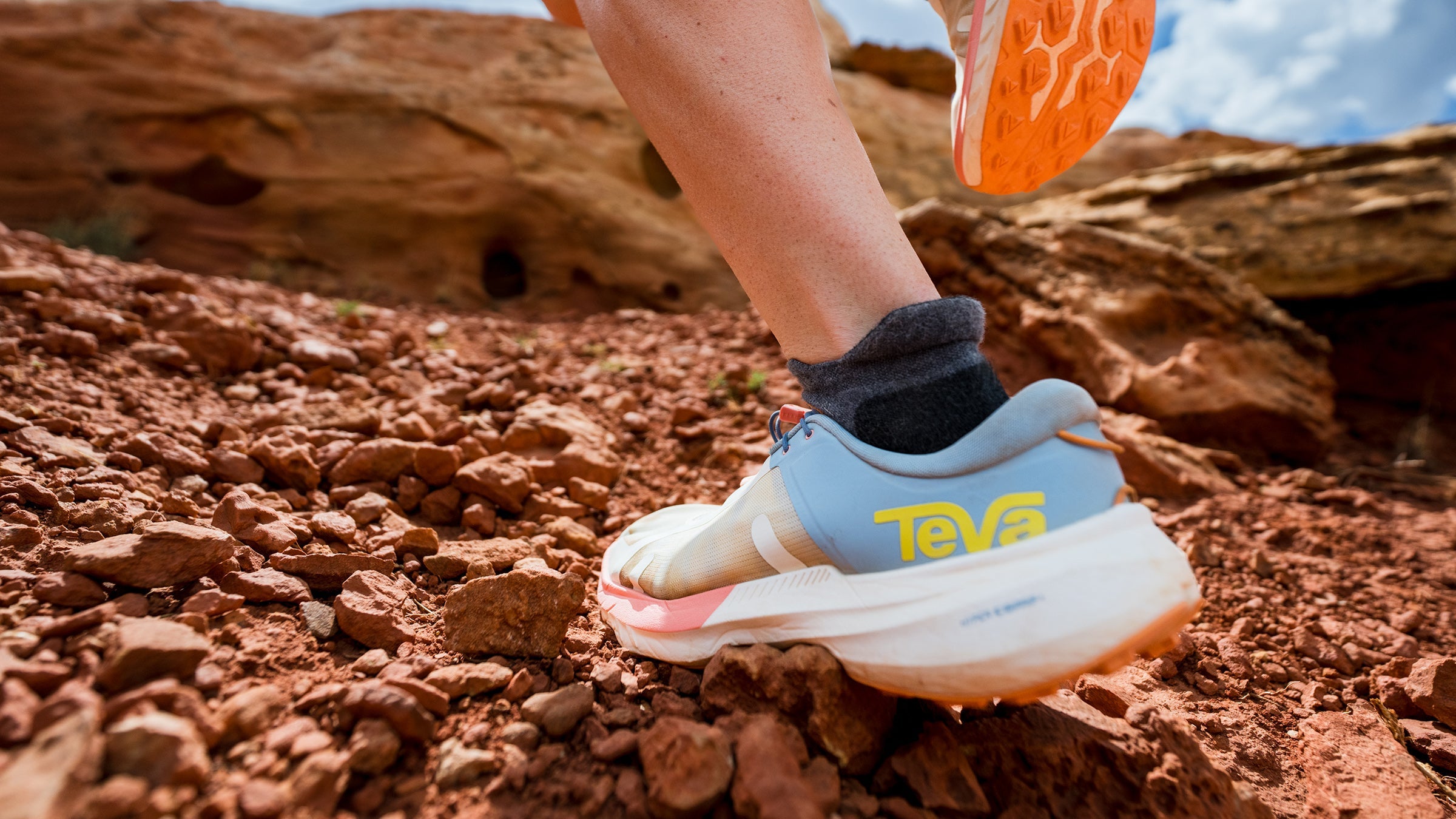
In contrast to the broad appeal of hybrid gravel shoes, the Teva Trailpeak, also released on September 1, addresses the requirements of technical trail runners who prioritize ground feel and agility. This release serves as a significant pivot for Teva, which spent the previous cycle testing the viability of running-specific sandals, such as the Aventrail. Industry analysts noted that while the Aventrail demonstrated innovation in midsole construction, it faced limitations regarding foot security in high-torque environments.
The Trailpeak corrects these structural deficiencies by incorporating a 12-point integrated fit system designed to lock the midfoot in place, mitigating lateral movement during technical traverses. With a stack height ranging from 30.5 to 24.5 millimeters (men’s), the shoe offers a 6-millimeter drop that favors a more natural foot strike. The use of an A-TPU blend in the midsole serves a dual purpose: providing high-rebound cushioning while maintaining the sensitivity necessary for navigating uneven, rocky terrain. This shift signifies Teva’s serious intention to compete in the performance trail sector, moving away from lifestyle-adjacent gear toward specialized athletic equipment.

Iterative Improvement: The Speedland GS:TAM 2
On September 7, Speedland will introduce the GS:TAM 2, an evolution of its original platform inspired by the iconic trail networks of Mt. Tamalpais. The iterative design process here reflects a trend in the high-end footwear sector: perfecting the upper anatomy to enhance user experience without compromising the integrity of the chassis.
The GS:TAM 2 introduces a revised knit pattern intended to accommodate a broader spectrum of instep heights, addressing feedback regarding the original model’s fit profile. A critical upgrade involves the dual Boa closure system, which has been re-engineered to sit more flush against the foot, reducing the potential for pressure points during long-duration efforts. Furthermore, the ankle collar has been redesigned with a stitch-and-turn construction and increased foam density, targeting the common issue of chafing on sustained climbs.
The midsole continues to utilize a drop-in component, now featuring a proprietary ATPU-beaded foam blend. This, paired with a removable carbon plate and the proven Michelin Fiberlite outsole—equipped with 6.5-millimeter lugs—positions the GS:TAM 2 as a premier choice for high-alpine endurance racing. The 41-34 millimeter stack height places this shoe in the "maximalist" category, providing substantial impact protection for long-distance trail athletes.

Strategic Collaborations and Seasonal Preparedness
September also sees the emergence of cross-disciplinary partnerships and weather-hardened product updates, signaling a broader industry trend toward environmental adaptability.
The collaboration between Black Diamond and Norda, branded as the "BD x Norda 001," serves as a high-profile example of technical equipment synergy. By pairing the Norda 001 silhouette with a suite of endurance accessories—including packs, duffels, and poles—the partnership targets the "fast-and-light" alpine segment. This launch coincides with the increasing trend of trail athletes engaging in self-supported mountain traversals, a discipline that requires equipment capable of withstanding extreme environmental exposure, as evidenced by its recent use in high-altitude endurance tests like the Tour du Mont Blanc.
Furthermore, Nike is responding to the seasonal shift toward colder, wetter climates with the introduction of Gore-Tex versions of the Zegama Trail and Pegasus Trail. These iterations are categorized as essential gear for late-autumn training blocks. The implementation of waterproof, breathable membranes in established models allows runners to maintain their training volume despite adverse weather conditions. This strategy reflects a broader market acknowledgment that the "trail season" is no longer restricted to summer months, but now extends through the onset of winter.

Industry Implications and Market Analysis
The product releases of September 2026 highlight three distinct trajectories in the trail running market:
- Accessibility and Value: Brands like Salomon are leveraging technological advancements to lower the cost of entry for high-performance features, making premium-feeling midsole foams available at the $140 price point. This is likely a response to increased competition and a more price-conscious consumer base.
- Specialization: The move toward technical, low-profile shoes like the Teva Trailpeak demonstrates that, despite the popularity of maximalist cushioning, there remains a robust demand for shoes that prioritize precision, agility, and tactile feedback.
- Endurance-Oriented Innovation: Premium models like the Speedland GS:TAM 2 emphasize that there is a dedicated segment of the market willing to invest in replaceable components—such as drop-in midsoles and carbon plates—to extend the functional lifespan of their gear and optimize performance for specific terrain profiles.
As these products move from launch to mass adoption, the primary metric for success will be their performance in the varied, often unpredictable conditions of autumn. For the average trail runner, the sheer volume of new options suggests a need to align footwear choice with specific terrain goals—whether that involves high-speed gravel tempo runs, technical mountain scrambling, or protected, all-weather endurance training. The industry’s focus on structural updates, material science, and weather-resistance indicates a maturing sector that is increasingly capable of meeting the nuanced needs of an expanding and more demanding trail-running population.