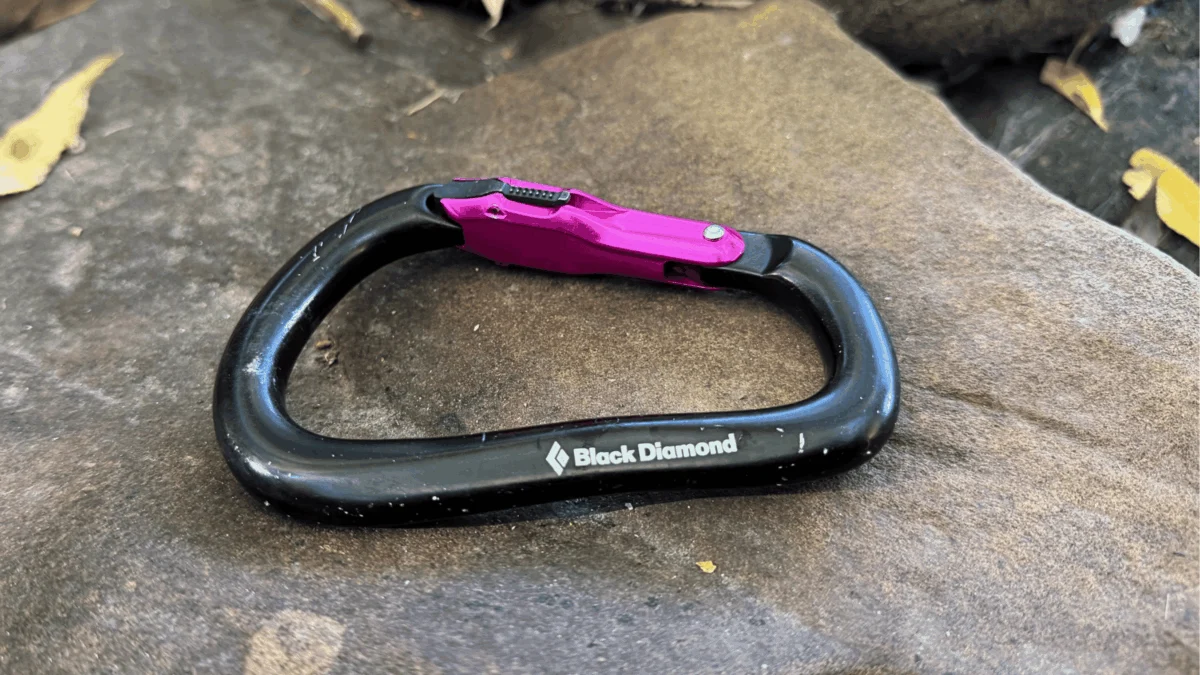
The Black Diamond Magnetron, a piece of climbing equipment that once commanded legendary status before being discontinued, has officially returned to the market as of September 2026. Its re-release marks a significant moment for the climbing industry, signaling a shift in how manufacturers address the demand for "cult" gear while navigating the logistical challenges of high-precision manufacturing. The return of the Magnetron, specifically the RockLock model, comes after years of speculation, secondary-market hoarding, and intense digital discourse within the climbing community.
A Chronology of the Magnetron
The Magnetron’s history is a study in the intersection of innovative design and market viability. When first introduced years ago, the carabiner was hailed as a breakthrough in locking technology. By utilizing magnetic arms that interacted with a steel insert in the nose of the carabiner, the device offered a self-locking, triple-action mechanism that allowed for seamless, one-handed operation.
However, the complexity of the manufacturing process—which required high-tolerance magnetic components—rendered it expensive to produce. By the mid-2010s, Black Diamond removed the Magnetron from its primary product lineup, opting to focus on more cost-effective and traditional screw-gate or twist-lock designs.
In the years following its discontinuation, the Magnetron achieved "mythical" status. Much like the Silent Partner rope-solo device or the legendary C3 cams, Magnetrons became highly sought-after collector’s items. On secondary platforms such as eBay and Facebook Marketplace, used units frequently sold for two to three times their original retail price. This "hoarding" phenomenon underscored a deep-seated preference among a segment of the climbing community for the specific ergonomic advantages the magnetic system provided.
The 2026 Relaunch and Market Response
The decision to bring the Magnetron back was signaled in August 2026, when Black Diamond initiated a pre-sale for the updated RockLock version. The response was near-instantaneous, with the initial inventory depleting within hours.
Industry analysts suggest that the rapid sell-out of the pre-sale batch is indicative of a broader trend: the "reissue economy" in outdoor gear. Much like the fashion and consumer electronics industries, the outdoor sector has seen a surge in consumers willing to pay a premium for legacy designs that were once deemed too expensive for mass-market production.
The new version of the Magnetron utilizes the familiar RockLock pear-shaped silhouette. Designed primarily for belaying, rappelling, and anchor management, the carabiner’s wide basket provides ample space for multiple ropes or hitch configurations. However, at a weight of 92 grams, it is significantly heavier than many modern, weight-conscious alternatives, positioning it as a specialized tool rather than a general-purpose piece of hardware.
Technical Analysis: Design and Utility
From a technical standpoint, the Magnetron operates on a fundamental principle of magnetism rather than mechanical springs. This allows for a smooth, consistent locking action that does not rely on the friction-heavy mechanisms found in traditional auto-lock carabiners.
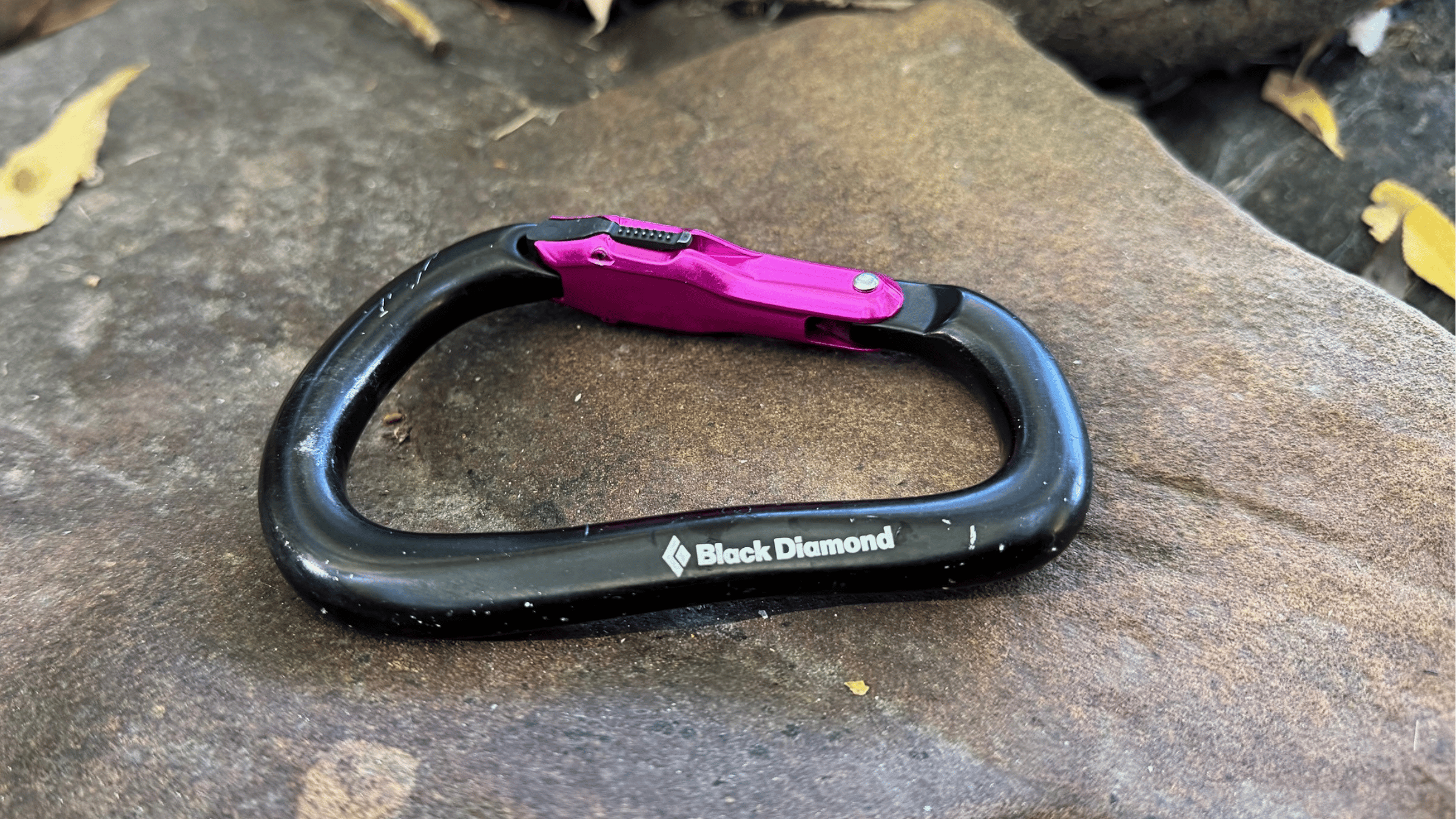
However, the design is not without its limitations. The reliance on magnets introduces potential points of failure in specific environments. Sand and micro-particulates, common in desert climbing environments, can accumulate between the magnetic arms and the carabiner nose. If debris enters these interfaces, it can impede the gate’s ability to lock securely. Furthermore, extreme cold—a common factor in alpine and ice climbing—has historically been a concern for magnetic hardware, as the physical properties of the materials can fluctuate under freezing conditions.
Despite these caveats, the carabiner offers distinct advantages. The narrow nose profile remains a high-utility feature, allowing the device to be clipped into cramped chain anchors, crowded masterpoints, or aging fixed pitons that often prove difficult for bulkier gate designs.
Economic and Environmental Implications
At a retail price point of $55, the Magnetron occupies the premium tier of the carabiner market. For context, standard locking carabiners typically range from $15 to $30. The price reflects not only the complexity of the magnetic components but also the high R&D costs associated with re-engineering a product that was previously deemed unsustainable at scale.
The resurgence of this product raises questions regarding the sustainability of such specialized hardware. While the Magnetron offers unique convenience, it requires a higher degree of maintenance than traditional mechanical lockers. Users are advised to regularly clean the magnetic contacts to ensure the system remains operational, a maintenance burden that does not exist for standard screw-gate carabiners.
The Shift in Consumer Demographics
The demographic interest in the Magnetron has evolved significantly. While the original iteration was aimed at general climbers, the 2026 re-release is being marketed toward a specific subset of "fair-weather" or institutional climbers who prioritize ease of use and long-term durability over the weight-saving requirements of alpine and high-altitude endeavors.
Social media trends leading up to the release highlighted a disconnect between the "pro" climbing community—who often prioritize minimalist, lightweight gear—and the enthusiastic hobbyist market, which values the tactical "click" and security of the Magnetron’s design. This divergence is likely to define the success of the product in the coming years.
Future Outlook and Product Roadmap
Black Diamond has indicated that the current release is part of a broader strategy to reintroduce magnetic technology to its lineup. Reports suggest that a smaller version of the Magnetron, based on the Vapor Lock design, is slated for release in 2027. This expansion will likely test whether the market’s appetite for magnetic gear extends beyond the current large, pear-shaped format.
For now, the return of the Magnetron stands as a landmark event in gear manufacturing. It serves as a reminder that consumer sentiment can dictate the lifecycle of products, even those that manufacturers initially deem obsolete. Whether the Magnetron will maintain its status as a premium, niche item or evolve into a staple of modern climbing remains to be seen, but the immediate market demand suggests that the "magnet obsession" is far from cooling down.
The climbing community, now armed with a fresh supply of these devices, will likely provide the real-world data needed to determine if the 2026 iteration solves the reliability issues of its predecessor. For the time being, the Magnetron is back, and for those who have spent the last decade scouring the secondary market, the wait is officially over.