While industries such as banking and retail have undergone massive technological transformations over the past two decades, the global insurance sector has largely adhered to a centuries-old operational blueprint. For the average consumer, buying an insurance policy has traditionally been an exercise in passive compliance: paying an annual premium, keeping fingers crossed that nothing untoward happens, and filing a retrospective claim when disaster strikes—followed by a lengthy waiting game for a payout.
However, this traditional business model is currently experiencing a profound structural shift. Fueled by the exponential rise of artificial intelligence (AI), the Internet of Things (IoT), and smart home hardware such as automated water shut-off valves, precision leak detectors, and whole-home surge protectors, the InsurTech sector is rapidly reshaping the insurance landscape. The core philosophy of property insurance is shifting away from retroactive reimbursement and pivoting aggressively toward proactive damage prevention.
Market Trajectory and Economic Projections
Although InsurTech still represents a minor segment of the staggering global insurance market—which the Allianz Global Insurance Report recently valued at approximately €6.9 trillion (around £5.9 trillion)—its growth trajectory is steep and undeniable. According to market research firm Mordor Intelligence, the global InsurTech market is currently valued at roughly $1.34 trillion (£1.01 trillion) and is projected to expand significantly to $2.44 trillion (£1.85 trillion) by 2031.
Geographically, the United Kingdom has emerged as one of the largest and most rapidly expanding markets for these innovations. Industry reports indicate a domestic market size of roughly $53.53 billion (£40.48 billion), driven primarily by rapid advancements in AI-driven claims automation, IoT telemetry, and sophisticated digital underwriting tools. As insurers look for ways to trim administrative expenses and lower high indemnity payouts, technological integration is moving from the fringes to the center of product development.
The Telematics Precedent: Learning From Motor Insurance
To understand the current direction of smart home insurance, industry experts frequently point to the evolution of the motor insurance sector over the past fifteen years. The introduction of telematics devices—commonly referred to as "black boxes"—fundamentally altered how policies are priced and monitored. By tracking real-time driving data, including speed, braking intensity, and cornering habits, insurers were able to transition away from blunt demographic assumptions toward dynamic, behavior-based pricing models. Young and high-risk drivers, in particular, benefited from lower premiums by demonstrating safe driving habits behind the wheel.

Insurance professionals argue that this exact data-driven methodology is now applicable to property and cybersecurity coverage. Scott Thomson, Insurance Client Partner at NTT Data, notes that while companies possess more than enough operational data to make informed underwriting decisions, the traditional management of claims remains stubbornly reactive.
"The problem is that the way insurers manage claims is very reactive," Thomson observes. According to his analysis, real-time data feeds not only empower consumers through dynamic pricing structures, but they also allow insurance carriers to dramatically slash operational expenditures (OpEX) and indemnity spend—the actual physical cost of property damage—by catching anomalies early through automated AI triage.
Nouran Moustafa, Practice Principal and Executive Financial Advisor at Roxton Wealth, which manages portfolios for property landlords and high-net-worth individuals, echoes this sentiment. "The future of insurance should be less ‘something went wrong, here is a cheque’ and more about ‘technology helped stop it going wrong in the first place,’" she states.
Plugging the Domestic Leak: The Battle Against Water Damage
In the realm of property insurance, the single most pervasive and costly domestic threat is not dramatic fires or forced-entry burglaries, but rather water damage. Hidden behind walls, running beneath floors, and maintained under constant internal pressure, plumbing systems represent a massive liability for both homeowners and carriers.
According to Paul Vacquier, CEO of the US-based plumbing technology firm Beagle Services, water damage accounts for a staggering $14.5 billion paid out in annual insurance claims in the United States alone. Because water invariably seeks the path of least resistance, even a microscopic hairline fracture in an aging supply line, a failing washing machine hose, or a corroded water heater can lead to catastrophic indoor flooding.
"It’s the largest non-catastrophic loss paid by the carriers," Vacquier explains. "While you can’t stop a hurricane, the technology does exist to prevent, or at least dramatically mitigate, this loss from occurring in the first place."

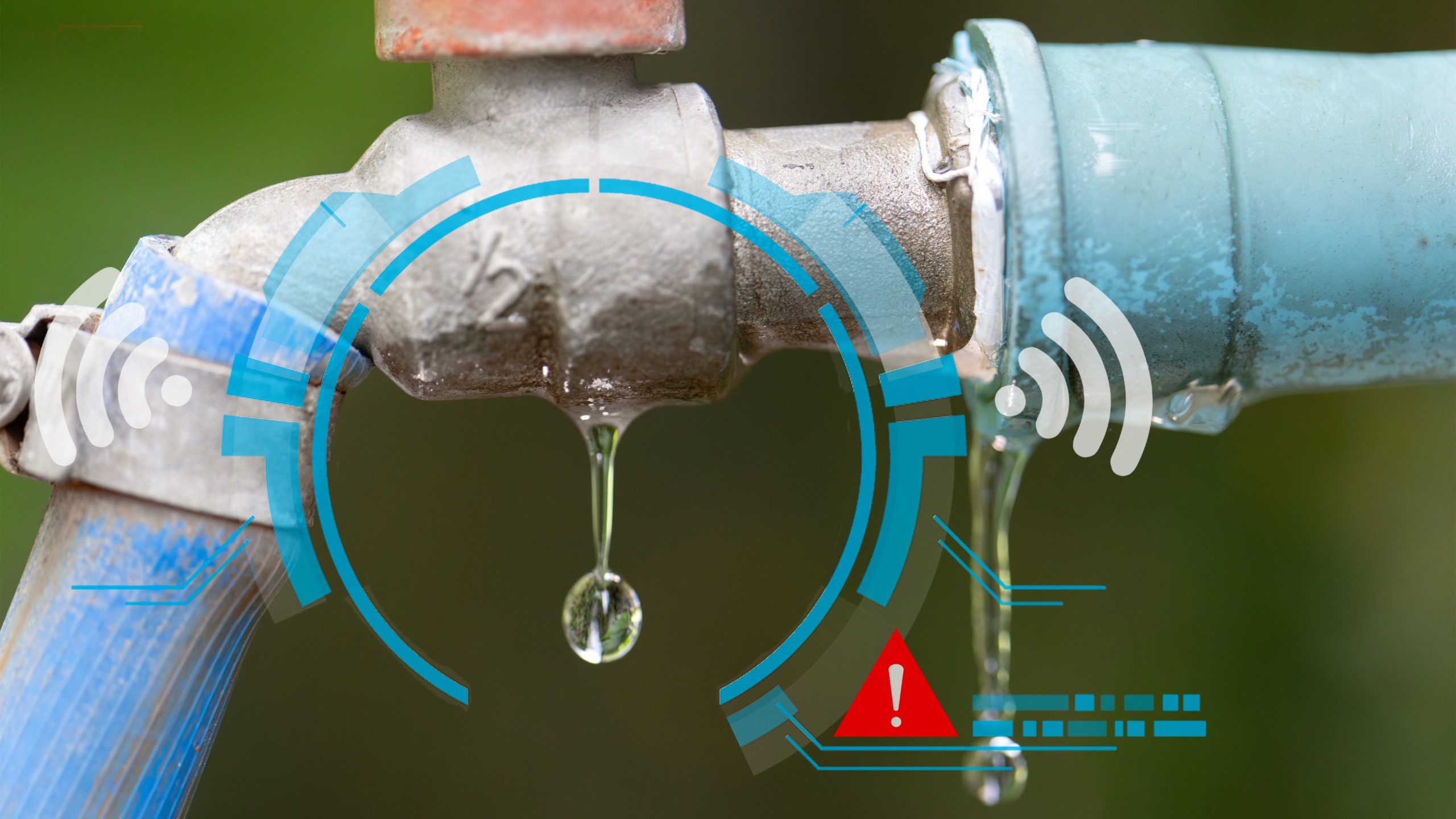
Beagle Services operates as a loss-prevention hardware distributor through US insurance channels, assisting homeowners in deploying multi-layered defenses. These range from basic, battery-operated puck-style IoT sensors placed under dishwashers and water heaters to non-invasive acoustic flow monitoring hardware like the LeakBot.
Developed initially in the UK by HomeServe Labs and currently owned by Ondo InsurTech plc, the LeakBot device clips directly onto household pipes. It detects continuous flows as minute as 5ml per minute and monitors sudden temperature fluctuations, catching hidden, slow-moving pipe leaks long before they result in structural rot or ceiling collapses.
Several prominent insurance providers have integrated LeakBot into their policy frameworks, offering the clip-on hardware entirely free of charge to customers. Early adopters include Westfield in the United States, as well as LV= and Hiscox in the UK. When Hiscox became the first UK insurer to introduce the technology back in 2020, Phil Thorn, then Head of Propositions, remarked that spotting hidden, slow-moving leaks early is essential because they ultimately generate the most severe structural damage.
Beyond Detection: Automated Water Shut-Off Valves
While acoustic clip-on monitors provide vital early warnings, the market has also seen a surge in automated, inline water shut-off valves connected directly to the mains supply. Companies like Beagle offer monitoring services that flag abnormal pressure spikes and continuous drips, allowing automated systems or human response teams to intervene before a pipe bursts.
Peter Kravchuk, Founder of Seattle-based New Day Construction, emphasizes the distinction between simple alarms and total cutoff solutions. "While a battery-powered puck under a sink will chirp at you, a flow-shutoff valve installed at the main line actually closes the water off when it detects an abnormal flow pattern, and that’s a different category of protection entirely," Kravchuk notes.
Nick Nastos, a Real Estate Broker at Chicago Property Shop, highlights the vulnerability of vacant properties and holiday homes. "I’ve walked into flats after a January freeze where a single burst supply took out ceilings, flooring, and a tenant’s belongings on the floor below," Nastos explains. "The damage almost never starts as a flood. It starts as a slow drip behind a washing machine or under a water heater for weeks."
For landlords managing residential portfolios, transitioning to a preventative insurance model reduces administrative burdens significantly. Nouran Moustafa argues that rather than burying landlords in excessive regulatory paperwork, housing policies should prioritize mandatory alarms and leak monitors. "This is going to be massive for tenants, for landlords, and for insurance providers," she asserts.
Expanding Into Smart Home Ecosystems and Electrical Safety
While plumbing remains the primary frontier for domestic loss prevention, InsurTech innovations are rapidly expanding into home security and electrical safety. In the UK, Sky Protect Home Insurance—underwritten by global insurance giant Zurich—exemplifies this convergence. Launched in May 2023, the platform blends traditional buildings and contents insurance with real-time data feeds from unified smart home hardware, including video doorbells, indoor security cameras, motion sensors, and leak detectors.
By integrating these devices into a single companion app, the service utilizes real-time monitoring and automated alerts to help homeowners address minor security breaches or early-stage leaks before they escalate into formal claims. Tim Bailey, Zurich’s UK CEO, noted at the launch that the partnership aims to combine smart technology with traditional underwriting to provide financial peace of mind when the unexpected occurs.
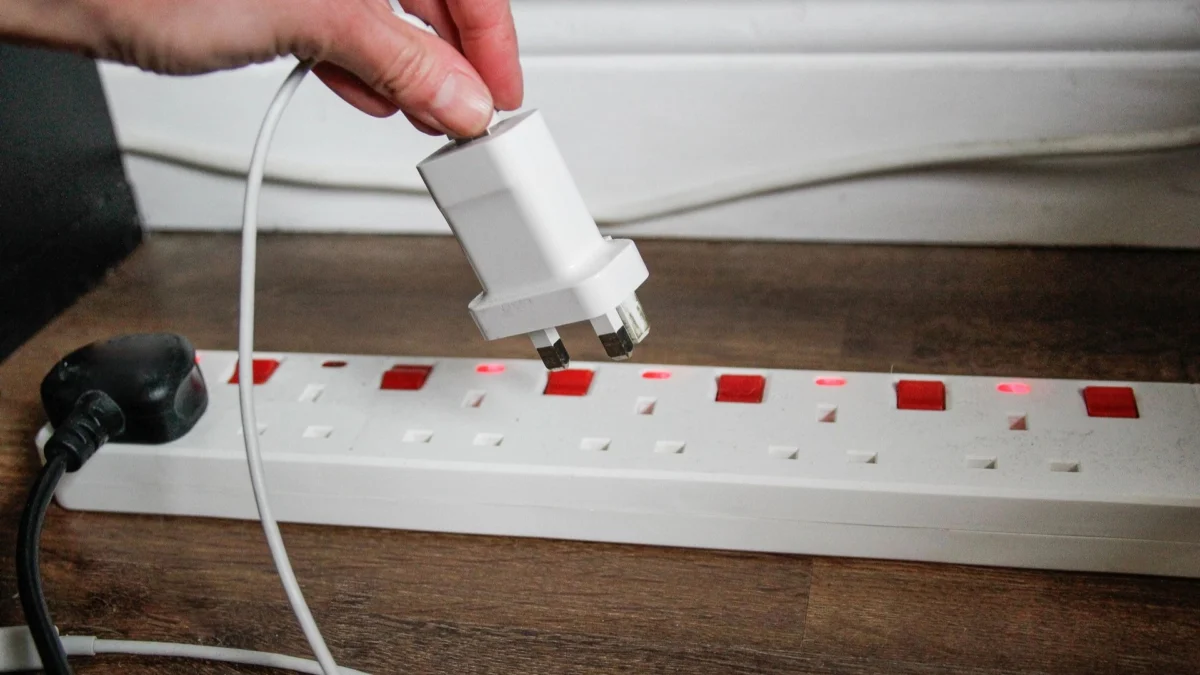
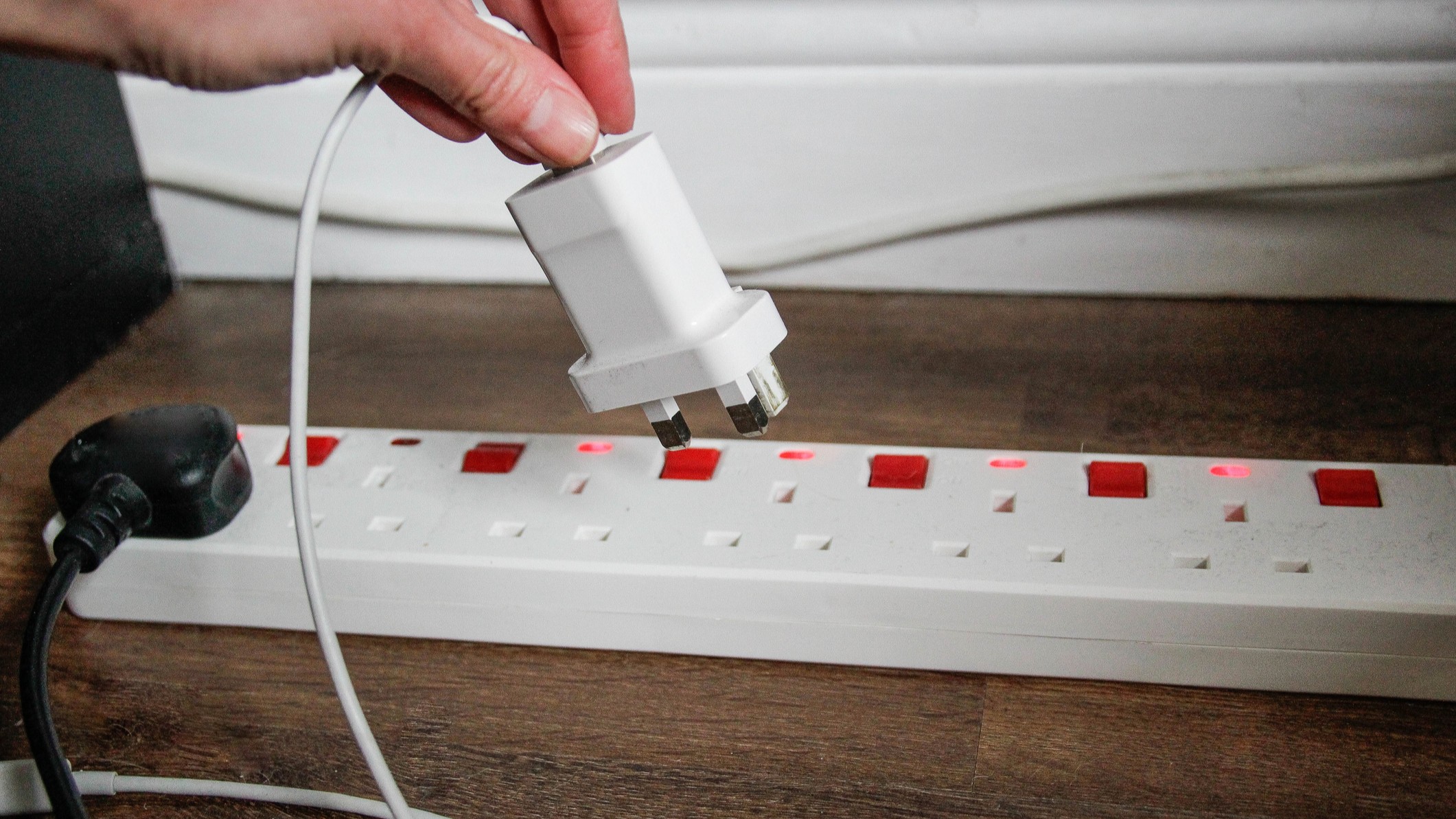
Concurrently, electrical safety is emerging as a critical focus area, albeit one that is rarely integrated directly into standard insurance packages. Transient overvoltages—commonly known as power surges—pose a persistent threat to sensitive modern electronics and major household appliances. Triggered by external grid switching, lightning strikes, or internal appliance cycling, these voltage spikes can fry circuit boards and spark electrical fires.
To counteract these hazards, whole-home Surge Protective Devices (SPDs) can be installed directly at the main electrical panel. "Whole-home surge protection is the other piece homeowners rarely ask about," says Peter Kravchuk. "A protective device mounted at the panel is a small line item during a panel upgrade and covers everything downstream. Plug-in strips can’t do that job on their own." These panel-mounted devices act as automated safety barriers, instantly diverting dangerous excess current into the home’s grounding system during a surge event.
Incentives, Discounts, and Privacy Challenges
To encourage adoption, specialized tech manufacturers are directly linking hardware utilization to financial incentives. For example, US users who purchase smoke, carbon monoxide, or combination alarms from X-Sense and subscribe to its Protect+ Elite professional monitoring service ($49.99 annually or $4.99 monthly) can generate official monitoring certificates through the company’s mobile application.

By submitting these certificates to their insurance carriers, policyholders in certain states can qualify for homeowners insurance discounts of up to 15%. Similar dynamics are visible in the pet insurance market, where digital-first disruptors like Lassie and Waggel integrate with active wearable trackers such as Tractive. By rewarding policyholders for preventative care, these companies lower overall veterinary claim frequencies while returning millions in premium savings back to consumers.
Despite these clear financial and safety benefits, the widespread adoption of InsurTech is not without valid concerns. Smart home devices—ranging from smoke detectors and security cameras to smart locks—require significant upfront hardware investments and generate vast amounts of sensitive consumer data.
Taimur Ijlal, an Information Security Leader at Proxy Coupons, cautions against the hidden vulnerabilities of connected ecosystems. "Once a sensor, camera, or smart lock starts reporting to a third party, it becomes both an attack surface in your home and a data pipeline out of it," Ijlal warns.
The fragility of backend data pipelines was underscored by a recent security incident involving Dublin-based InsurTech firm Companjon, a subsidiary of La Mobilière. The company suffered a major data exposure via an unprotected Apache Kafka data stream, leaking millions of records including personally identifiable information and travel itineraries. Such incidents highlight the risk that third-party vendor vulnerabilities can pose to consumer trust.
Consequently, industry cybersecurity experts advise consumers to thoroughly vet InsurTech products by asking critical questions: Who owns and retains the device telemetry data? What is the manufacturer’s security patch policy? And what are the implications for policy coverage if a smart device fails or loses connectivity?
The Outlook for Property Insurance
As the insurance industry continues its gradual evolution, the integration of IoT telemetry, AI-driven claims processing, and preventative hardware appears poised to define the future of property coverage. Just as telematics transformed motor insurance and wearable trackers reshaped pet health policies, smart home technology is altering the fundamental relationship between consumer and carrier.
The overarching transition from a reactive "something went wrong, here is a cheque" philosophy to a proactive "technology stopped it going wrong in the first place" framework offers clear advantages. For homeowners willing to navigate data privacy considerations and invest in preventative infrastructure, the reward is a potent combination of enhanced domestic security, minimized property damage, and lowered insurance premiums—marking a structural evolution that benefits all stakeholders across the housing ecosystem.