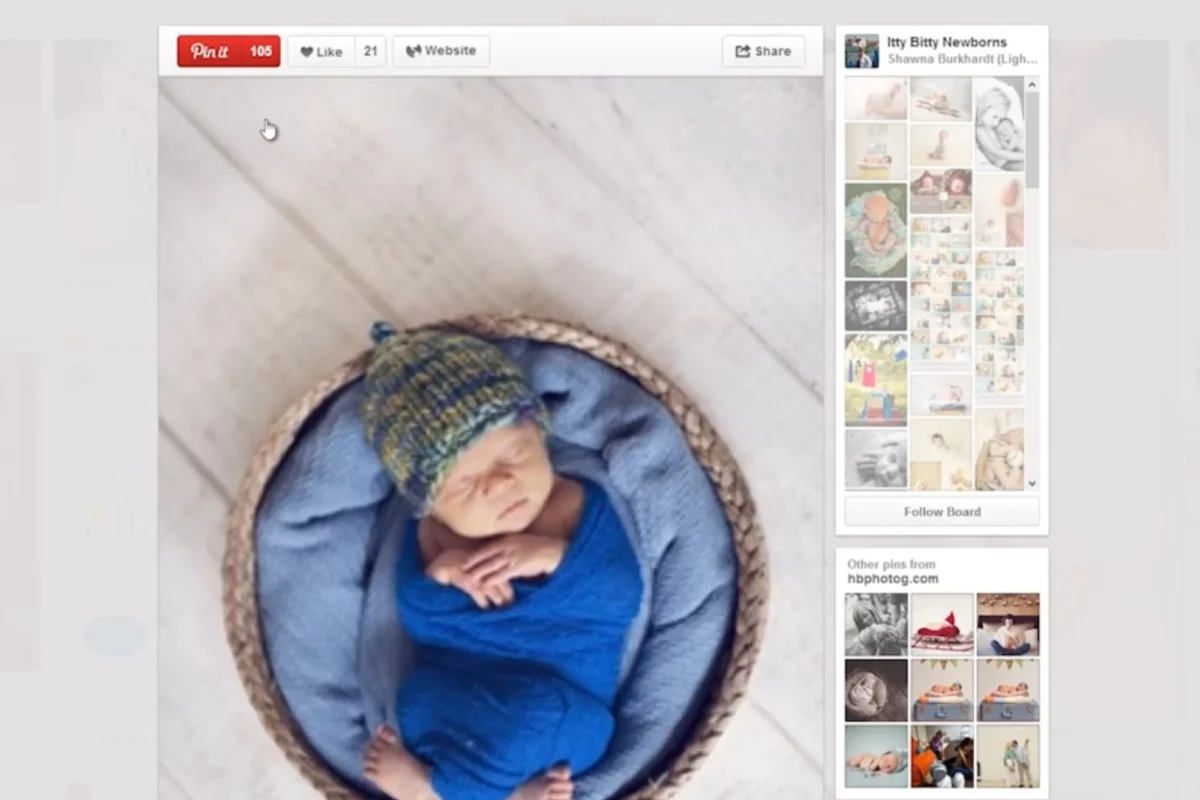
In the contemporary landscape of professional photography, the success of a creative project is increasingly dependent on the alignment between the photographer’s artistic intent and the client’s expectations. A mood board—a curated collection of visual references, color palettes, and stylistic cues—has evolved from a niche artistic tool into a critical business asset. By establishing a shared visual language, these compilations serve as the cornerstone for editorial, commercial, and portrait photography, ensuring that all stakeholders operate within a unified framework of objectives.
Defining the Professional Mood Board
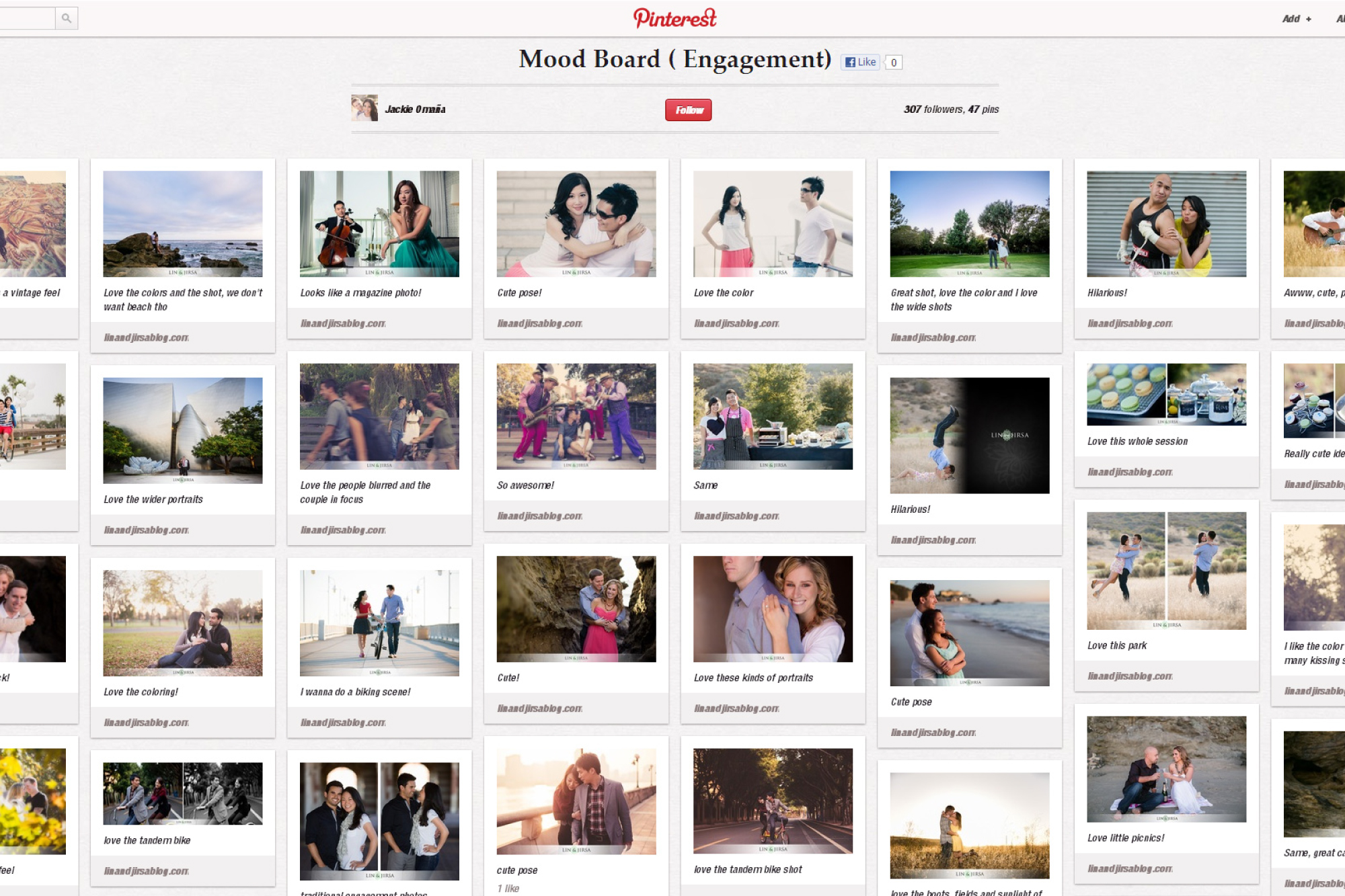
At its core, a mood board is a strategic document. It is not merely a collection of aesthetic preferences but a roadmap for production. When properly utilized, it bridges the gap between abstract concepts and concrete execution. While the format is flexible—ranging from Pinterest boards and digital PDFs to physical collages—the function remains consistent: to distill the "look and feel" of a shoot before the camera is ever engaged.
Industry best practices suggest that a mood board should prioritize the photographer’s previous work. By asking clients to select images directly from a photographer’s portfolio, the artist ensures that the client is drawn to their specific aesthetic, lighting style, and post-processing techniques. This approach mitigates the risk of "creative dissonance," where a client requests a stylistic outcome that contradicts the photographer’s established identity.
Chronology of the Pre-Production Phase
The integration of a mood board into the standard photography workflow typically follows a structured timeline:
- The Inquiry Phase: Upon the initial consultation, the photographer introduces the concept of visual planning to gauge the client’s creative intuition.
- The Curation Phase: The client is tasked with gathering 10–20 reference images that resonate with their vision. This usually occurs 2–4 weeks before the scheduled shoot.
- The Review Phase: The photographer analyzes the board to identify potential logistical conflicts or misalignments in expectations.
- The Final Brief: A collaborative discussion settles the final constraints, lighting requirements, and location logistics, solidifying the production plan.
Visual Communication and the Reduction of Ambiguity
The primary utility of the mood board lies in its capacity to bypass linguistic limitations. Many clients lack formal training in photography terminology, often relying on imprecise descriptors such as "bright," "moody," or "HDR" to convey complex lighting setups. Data from industry surveys indicates that miscommunication regarding stylistic expectations is one of the leading causes of client dissatisfaction.
By providing a visual baseline, the mood board eliminates the ambiguity inherent in verbal descriptions. When a client points to a specific image, the photographer can instantly discern technical details—such as depth of field, color temperature, and framing—that would otherwise require an extensive, and often confusing, technical dialogue.
Mitigating Unrealistic Expectations
A critical function of the mood board is the management of logistical feasibility. It is common for clients to curate images that are impossible to replicate within a single session. For example, a client may pin images taken during the "golden hour" alongside high-contrast midday shots and moody, low-light interior photography.

By mapping these references against the reality of the shoot’s time, location, and budget, the photographer can proactively negotiate expectations. This process allows for constructive problem-solving. Rather than declining a request, the photographer can offer a solution: perhaps scheduling two sessions to achieve different lighting conditions, or adjusting the shot list to better utilize the available environment. This proactive management helps maintain the professional integrity of the shoot while ensuring the client feels heard and accommodated.
Addressing Stylistic Divergence
While a mood board is an excellent tool for collaboration, it also serves as a diagnostic instrument for the photographer. If a client’s mood board is predominantly composed of work from other photographers whose styles are diametrically opposed to their own, it serves as an early warning signal.
Industry experts note that attempting to mimic a competitor’s style often leads to subpar results, as photographers are rarely at their best when forcing a departure from their natural workflow. By addressing these discrepancies early in the process, the photographer can determine whether the project is a viable fit or if the client needs to be redirected to a creator whose portfolio more closely aligns with their vision. This level of transparency protects both parties from the frustration of an unsatisfactory final product.
The Ancillary Benefits of Digital Distribution
Beyond the immediate scope of the photoshoot, the use of collaborative digital tools like Pinterest offers significant marketing advantages. When clients engage in the curation process, they are actively interacting with the photographer’s digital footprint. Each image pinned from a photographer’s blog serves as a backlink, increasing the photographer’s search engine optimization (SEO) and driving organic traffic to their website.

This "free marketing" effect turns the pre-production phase into a tool for business growth. By encouraging clients to share these boards on social media, photographers leverage their clients’ networks to reach new, qualified leads who are already familiar with their visual aesthetic.
Beyond the Aesthetic: The WAVE Methodology
While the mood board is indispensable for visual planning, seasoned professionals acknowledge its limitations. A mood board can dictate the style of a photograph, but it cannot always identify the client’s underlying priorities. To bridge this gap, many photographers have adopted the Wall Art Vision Exercise (WAVE).
The WAVE methodology focuses on the "why" rather than the "what." It moves the conversation from "what poses do you like?" to "how do you intend to display and use these images in your home or business?" By identifying the end-use of the photographs—whether for a formal portrait on a mantelpiece, a website banner, or a social media campaign—the photographer gains a deeper understanding of the client’s true needs. This exercise ensures that the production phase is not only visually satisfying but also strategically sound.
Broader Implications for the Photography Industry
The shift toward more structured, collaborative pre-production reflects a broader trend in the creative economy. As the barrier to entry for professional-grade equipment lowers, the value proposition of a professional photographer increasingly shifts from technical proficiency to project management and client experience.

The implementation of mood boards—and the associated professional communication they foster—positions the photographer as a consultant rather than a mere technician. This transition is essential for sustaining long-term growth in a saturated market. By standardizing the use of visual references, photographers can ensure that their creative output is consistently aligned with client needs, thereby reducing project friction and enhancing overall brand reputation.
In conclusion, the mood board is far more than a decorative collage. It is a vital instrument for visual communication, a buffer against unrealistic expectations, a diagnostic tool for creative fit, and an engine for digital marketing. When integrated into a comprehensive workflow that includes deep-dive consultations like the WAVE, it allows photographers to deliver high-value results while maintaining the creative autonomy necessary for excellence in their field. The photographers who master this process are those who successfully transform individual shoots into enduring, collaborative partnerships.