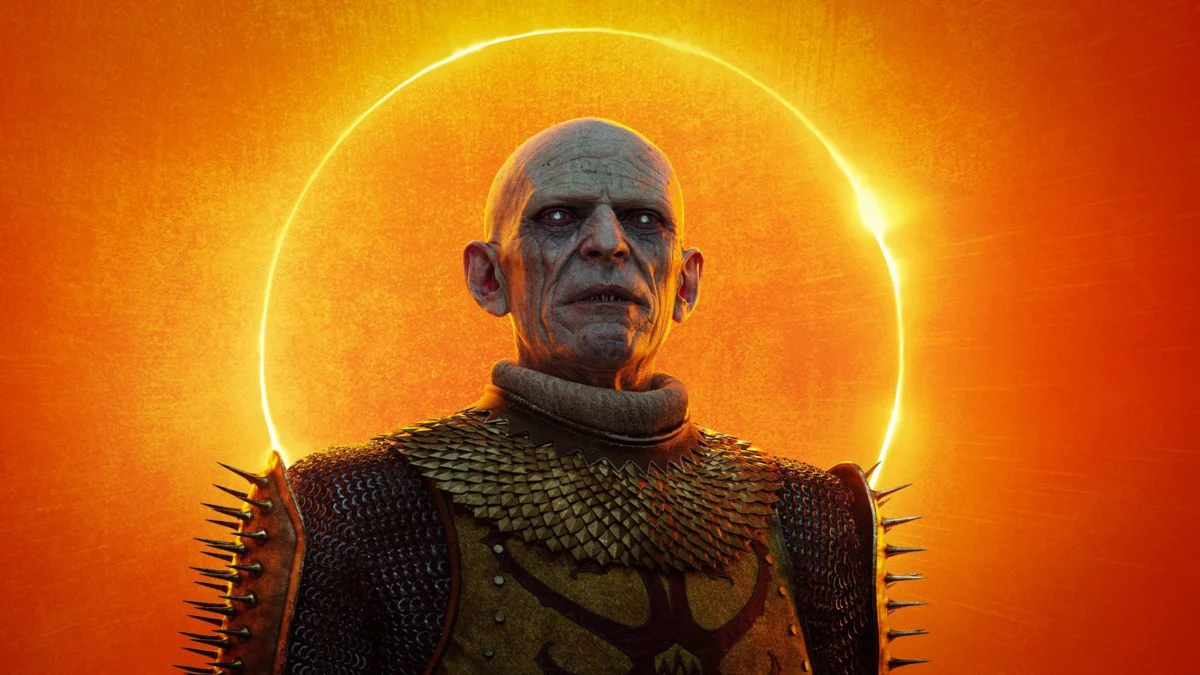
In a significant announcement that resonates deeply within the gaming community, the highly anticipated medieval vampire role-playing game, The Blood of Dawnwalker, is confirmed to launch on a traditional, fully functional physical disc. This decision stands as a notable counterpoint to the prevailing industry trend towards digital-only releases and discs that serve merely as authentication keys. Konrad Tomaszkiewicz, the esteemed game director, personally confirmed this commitment in a recent interview, stating simply, "Yes, it is coming to the disc." This affirmation was further solidified by publisher Bandai Namco, who clarified that "The full game data is on disc, with a day-one patch recommended," assuaging concerns that the physical copy might require extensive downloads to be playable.
This commitment to physical media arrives at a pivotal moment, as the gaming world grapples with a deepening divide between digital convenience and the enduring appeal of tangible ownership. The news has been particularly welcomed by a segment of players increasingly vocal about game preservation and consumer rights, especially in the wake of recent developments that signal a more pronounced shift towards digital distribution by major platform holders and publishers.
The Growing Digital Divide: Industry Context
Over the past decade, the video game industry has steadily transitioned from physical retail to digital storefronts as the primary means of distribution. This shift has been driven by several factors, including reduced manufacturing and shipping costs for publishers, direct access to consumer data, and the ability to implement immediate patches and content updates. For many players, digital downloads offer unparalleled convenience, eliminating the need to visit brick-and-mortar stores and allowing instant access to games upon release. However, this evolution has not been without its critics, who raise concerns about game ownership, long-term preservation, and the potential for digital content to become inaccessible if storefronts close or licenses expire.
The debate surrounding physical versus digital media has intensified dramatically with recent announcements from industry giants. Sony Interactive Entertainment, a stalwart of console gaming, recently revealed plans to cease producing PlayStation game discs by January 2028. This strategic pivot, while aligning with broader digital trends, has sparked considerable consternation among consumers and preservationists alike. The implications are far-reaching, potentially impacting backward compatibility for future PlayStation consoles and significantly altering how players access and own games in the coming years.
Adding fuel to the fire, Rockstar Games, known for its blockbuster Grand Theft Auto series, announced that Grand Theft Auto 6 will ship with a physical box containing only a digital download code, rather than a game disc. This move, perceived by many as a symbolic gesture of the physical disc’s diminished utility, triggered a wave of outrage across social media platforms and gaming forums. Players expressed frustration over paying for what is essentially an empty box, highlighting the perceived erosion of value in physical purchases. These incidents underscore a growing anxiety within the gaming community regarding the future of physical media and the implications for game ownership and historical archiving.
"The Blood of Dawnwalker": A Counter-Narrative Emerges
Amidst this landscape of accelerating digitalization, Rebel Wolves’ decision to release The Blood of Dawnwalker on a full physical disc emerges as a deliberate and significant statement. For game director Konrad Tomaszkiewicz and his team, this is not merely a logistical choice but a philosophical one, acknowledging a foundational aspect of game collecting and preservation that many players cherish. The clarification from Bandai Namco that the disc will contain "the full game data" provides crucial reassurance, distinguishing The Blood of Dawnwalker‘s physical release from those that require substantial day-one downloads, which often negate the very purpose of a physical copy for many consumers.
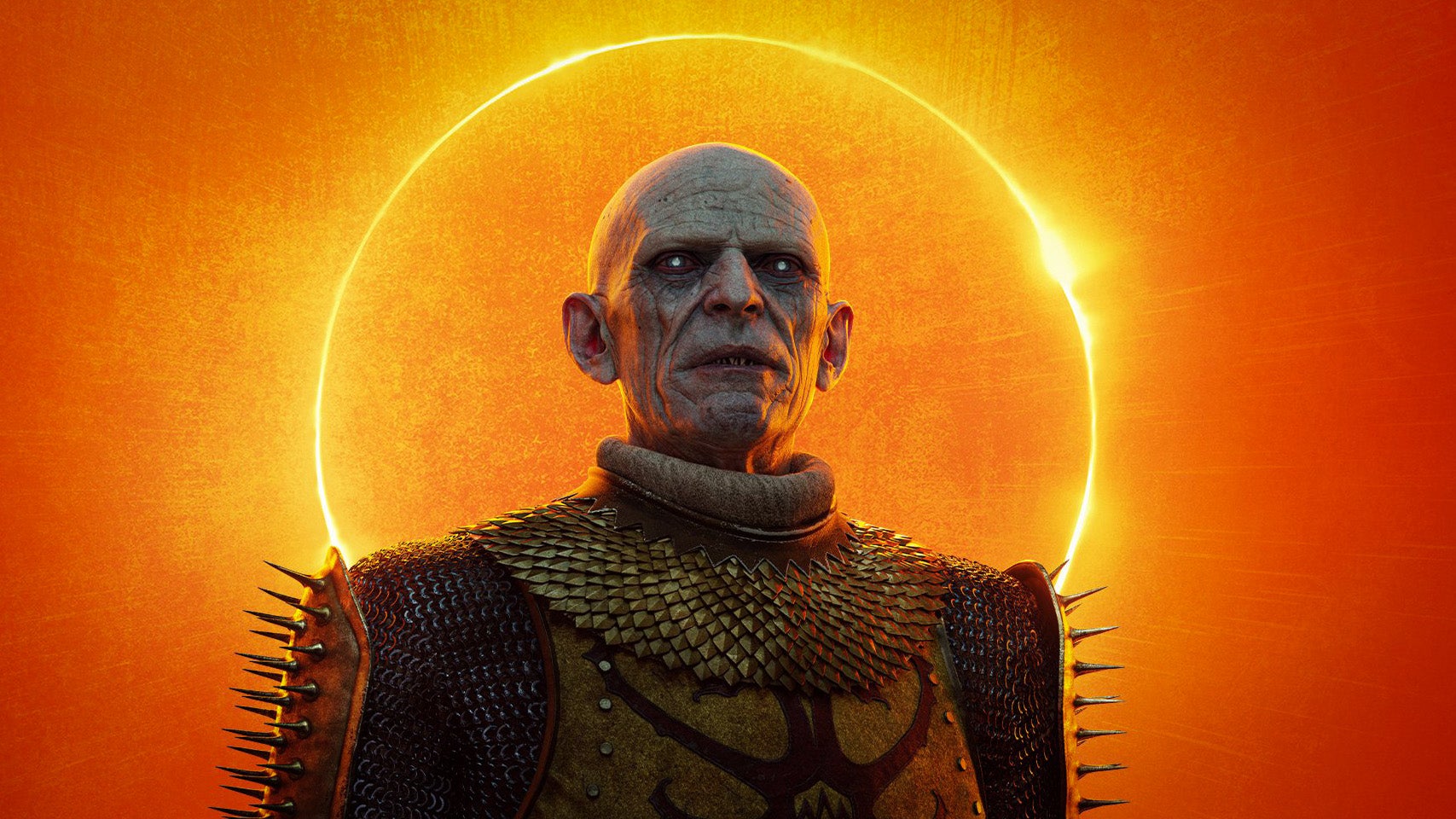
While a "day-one patch recommended" is standard practice in modern game development, addressing last-minute bug fixes, performance optimizations, and minor content additions post-manufacturing, the core functionality of the game remaining on the disc is paramount. This approach ensures that, years down the line, should digital storefronts change or internet access become an issue, players will still be able to install and experience the game without relying on external downloads.
The developer’s rationale can be inferred to stem from a deep understanding of gamer sentiment and a commitment to longevity. Rebel Wolves, founded by veterans with a pedigree in creating rich, narrative-driven RPGs, likely recognizes the value players place on having a tangible, self-contained product. In an era where games can be delisted, digital licenses revoked, or online services shut down, a physical disc offers a degree of permanence and independence that digital purchases cannot always guarantee. This stance not only caters to a vocal segment of the player base but also positions The Blood of Dawnwalker as a champion of consumer choice and historical preservation within the industry.
The Debate on Game Preservation and Ownership
The conversation surrounding physical media is inextricably linked to the broader issue of video game preservation. Historically, physical cartridges, discs, and other formats have served as the primary means of archiving video games, allowing them to be played and studied decades after their initial release. This has been crucial for understanding the evolution of the medium, supporting academic research, and enabling new generations to experience classic titles.
However, the digital era presents unique challenges to this model. Digital-only games are inherently vulnerable to server shutdowns, storefront closures, and licensing expirations. When a digital store ceases operations (as seen with the Wii Shop Channel or, more recently, scares surrounding older PlayStation stores), games purchased through that platform can become inaccessible, effectively disappearing from existence for future players. Furthermore, many digital titles rely on always-online DRM (Digital Rights Management) or server authentication, rendering them unplayable if these services are discontinued. This transforms what was once considered a purchase into a potentially temporary license, eroding the traditional concept of game ownership.
The commitment of The Blood of Dawnwalker to a full disc release directly addresses these concerns. It offers players a tangible asset that is less susceptible to the vagaries of digital infrastructure. For collectors, archivists, and everyday players alike, a physical disc provides a sense of security and long-term access that is increasingly valued. It also supports the secondary market for games, allowing players to buy, sell, and trade titles, a practice that is largely absent in the digital realm where licenses are typically non-transferable. The ongoing outcry, even in comments sections for games like Marvel’s Wolverine (which will come on a disc), demonstrates the profound emotional and practical investment players have in physical media.
Broader Implications for the Gaming Ecosystem
The decision by Rebel Wolves and Bandai Namco to prioritize a full physical disc for The Blood of Dawnwalker carries several broader implications for the wider gaming ecosystem:
For Developers and Publishers: While manufacturing and distribution costs for physical media are higher than purely digital releases, this move could offer a significant public relations advantage. In a crowded market, standing out by catering to a specific, passionate segment of players can generate goodwill and positive buzz. It also allows developers to differentiate their product and appeal to consumers who actively seek out physical versions, potentially boosting initial sales among this demographic. For smaller studios or those launching new IPs, such a stance can help build a loyal community base.

For Retailers: The continued support for physical discs, even for select titles, provides a lifeline for traditional game retailers. While digital sales dominate, physical releases still drive foot traffic and allow for a diverse product offering. This also impacts the used game market, which relies entirely on the circulation of physical copies, offering consumers more affordable access to games and extending the lifecycle of titles beyond their initial sales window.
For Consumers: Most importantly, this decision offers choice. In an increasingly digital-first world, consumers who prefer physical media for reasons of ownership, collection, preservation, or simply slower internet speeds, are given a viable option. It provides reassurance that their investment in The Blood of Dawnwalker will not be solely dependent on the continuous operation of digital storefronts or online services. This caters to a diverse range of player preferences and acknowledges the value of tangible goods in a digital age.
Future Trends: While the overall trend leans digital, the enthusiasm surrounding The Blood of Dawnwalker‘s disc release suggests a persistent, albeit possibly niche, demand for physical media. This could encourage other developers, especially those creating critically acclaimed, single-player experiences, to consider similar strategies. It might also fuel the growth of boutique publishers specializing in limited-run physical editions, catering to collectors and preservationists. The future of game distribution may not be exclusively digital but rather a hybrid model where both options coexist, driven by consumer demand and developer philosophy.
"The Blood of Dawnwalker": An Early Look and Its Significance
Beyond its distribution method, The Blood of Dawnwalker itself is generating considerable excitement based on early previews. The game, a medieval vampire RPG, is set to launch on September 3rd. Initial hands-on impressions from a four-hour preview session were overwhelmingly positive, highlighting several key strengths. The combat system was noted for its impressive depth, suggesting a nuanced and engaging experience for players. Furthermore, the game’s ambitious ideas around sandbox freedom and the intriguing mechanic of limited time were reported to work exceptionally well, promising a unique and immersive role-playing journey.
These early insights position The Blood of Dawnwalker as one of the more interesting RPGs to emerge in recent years, with the potential to be a significant breakout success. Its quality and innovative design choices, combined with its developer’s principled stance on physical media, lend added weight to its impending release. It is not just a game; it is a statement, a tangible representation of a particular philosophy regarding game creation, ownership, and accessibility.
Conclusion: A Hybrid Future for Gaming?
The decision by Rebel Wolves and Bandai Namco to release The Blood of Dawnwalker on a complete physical disc represents more than just a distribution choice; it is a significant cultural marker in the ongoing evolution of the video game industry. In an era increasingly dominated by digital downloads and the impending obsolescence of physical media for some major platforms, this move champions player choice, game preservation, and the enduring value of tangible ownership.
While the convenience and economic advantages of digital distribution are undeniable and will continue to shape the industry’s trajectory, The Blood of Dawnwalker‘s approach underscores that a substantial segment of the gaming community still values the permanence and independence offered by physical discs. This strategic decision, combined with promising early previews of the game’s quality, positions The Blood of Dawnwalker not only as a potentially groundbreaking RPG but also as a powerful symbol in the broader debate about the future of game accessibility and archiving. It suggests that a hybrid future, where both robust digital and physical options coexist, might be the most comprehensive way to serve the diverse preferences and needs of the global gaming audience, ensuring that games remain playable and cherished for generations to come.