As the seasonal transition from summer warmth to crisp autumn weather unfolds across North America, outdoor enthusiasts and industry professionals alike are recalibrating their equipment lists for cooler climates. In September 2026, the editorial staff at Backpacker magazine embarked on a rigorous testing schedule, spanning from late-season paddling excursions in northern lakes to high-altitude reconnaissance in South America for incoming snow, and traversing Wisconsin’s historic Ice Age Trail. These field tests serve a dual purpose: vetting contemporary outdoor innovations and finalizing evaluations for the highly anticipated 2027 Spring Gear Guide. During these expeditions, three distinct products emerged as standout additions to the modern backpacker’s inventory: a versatile survival knife, a novel sublingual caffeine supplement, and high-performance alpaca wool socks.
The Chronology of Autumn Field Testing
The rigorous evaluation cycle began in early September 2026, as northern hemisphere daylight hours began to shorten and temperatures dropped significantly. Backpacker’s editorial team deployed to distinct geographical regions to subject commercial gear to environmental extremes. The testing timeline included:
- Early September: Finalized late-season flatwater and whitewater paddling tests to evaluate water-shedding and quick-dry capabilities of apparel and accessories.
- Mid-September: Deployed expedition personnel to South American cordilleras to assess cold-weather performance metrics and high-altitude durability.
- Late September: Commenced comprehensive field trials along the Wisconsin Ice Age Trail, a 1,200-mile footpath tracing the continental glaciation edge from the last Ice Age. This segment specifically targets footwear, pack ergonomics, and survival tools destined for the 2027 Spring Gear Guide.
Through these varied terrains—ranging from humid marshlands and damp woodlands to high-altitude scree fields—the editorial board identified specific equipment that outperformed baseline expectations in weight distribution, material science, and functional utility.
Outdoor Element Flicker Feather: A Paradigm Shift in Survival Cutting Tools
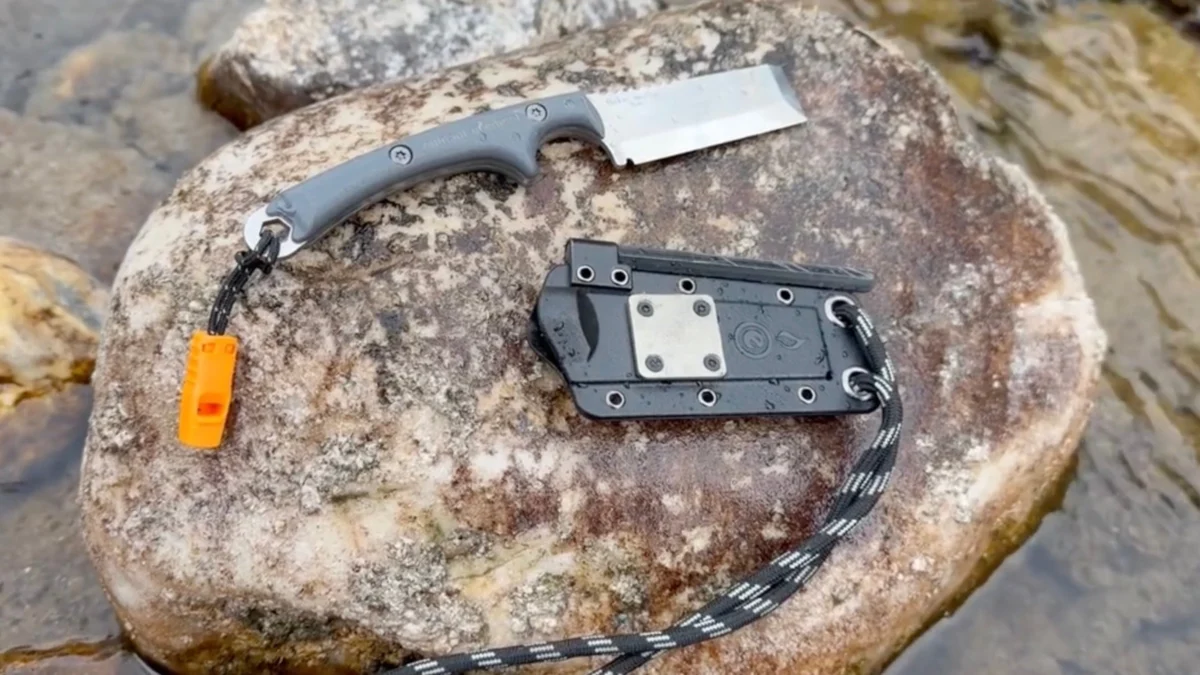
Among the harvested data from the Ice Age Trail tests, the Outdoor Element Flicker Feather adventure survival knife drew significant technical analysis from Associate Editor Will Brendza. Retailing at approximately $60, the implement challenges traditional fixed-blade market pricing while introducing unconventional design geometry.
Design and Technical Specifications
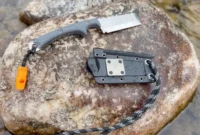
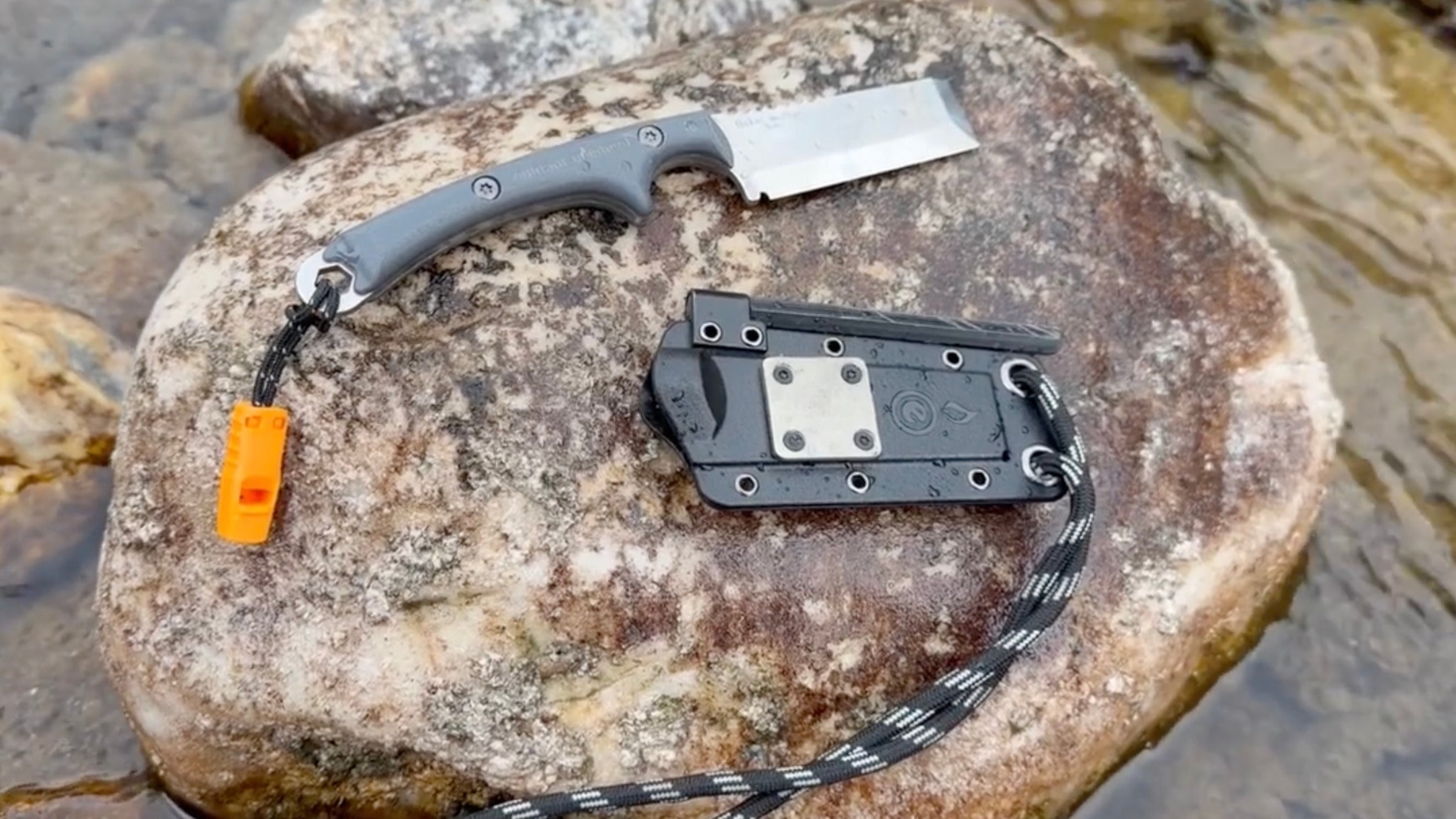
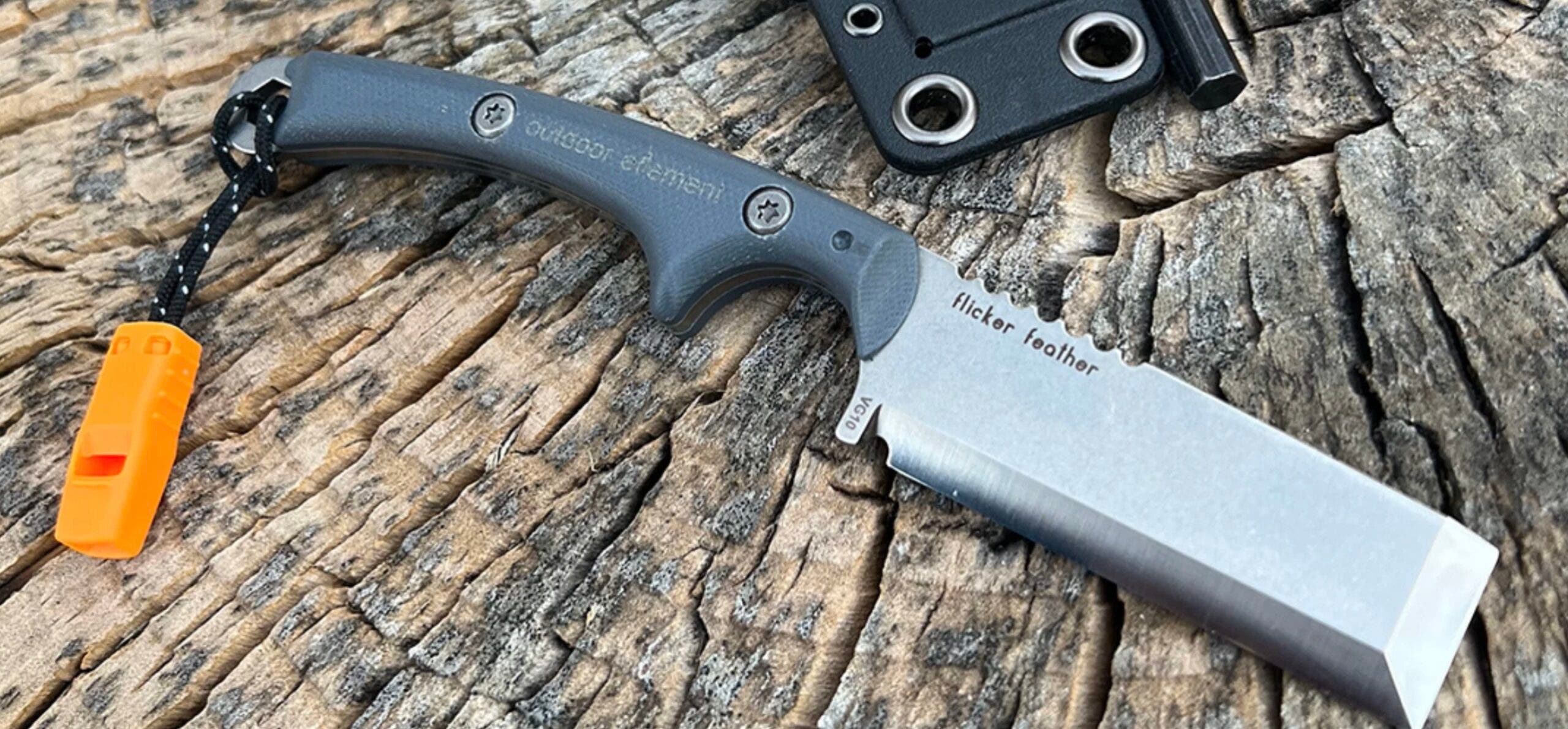
Classified technically as a "survival chisel," the Flicker Feather departs from standard drop-point or clip-point fixed blades. Constructed from VG10 stainless steel—a high-carbon alloy celebrated for its edge retention and corrosion resistance—the blade features a flat, chisel-like tip that terminates in a second, perpendicular cutting edge. This configuration enhances utility for scraping, chiseling, and fine wood-working tasks.
However, ergonomic and manufacturing constraints were noted during testing. The chisel grind is single-bevelled, meaning the blade faces exclusively in one direction. Consequently, prospective buyers must select a left- or right-handed variant depending on manual dominance, limiting cross-user versatility within a shared gear cache.
Sheath Integration and Emergency Ecosystem
The primary innovation of the Flicker Feather lies in its engineered storage system. The hard-plastic sheath incorporates a mechanical locking mechanism that secures the blade against jarring impacts, a critical safety feature for dynamic movement over rugged terrain.
Beyond retention, the sheath functions as a multi-tool survival ecosystem. It integrates:
- A heavy-duty metal clip designed for secure attachment to webbing, backpack sternum straps, or waistbelts.
- An integrated lanyard enabling neck-carry configurations.
- A built-in sharpening plate to facilitate field-honing of the VG10 steel.
- A ferrocerium (ferro) rod for weather-resistant fire ignition.
- A high-decibel survival whistle embedded directly into the knife’s pommel.
Industry Analysts note that pricing a multi-functional survival tool at the $60 threshold disrupts a market segment typically dominated by standalone knives that require aftermarket purchases for fire starters and sharpeners.
Paka Trail Crew Socks: Material Science Advancements in Footwear Comfort
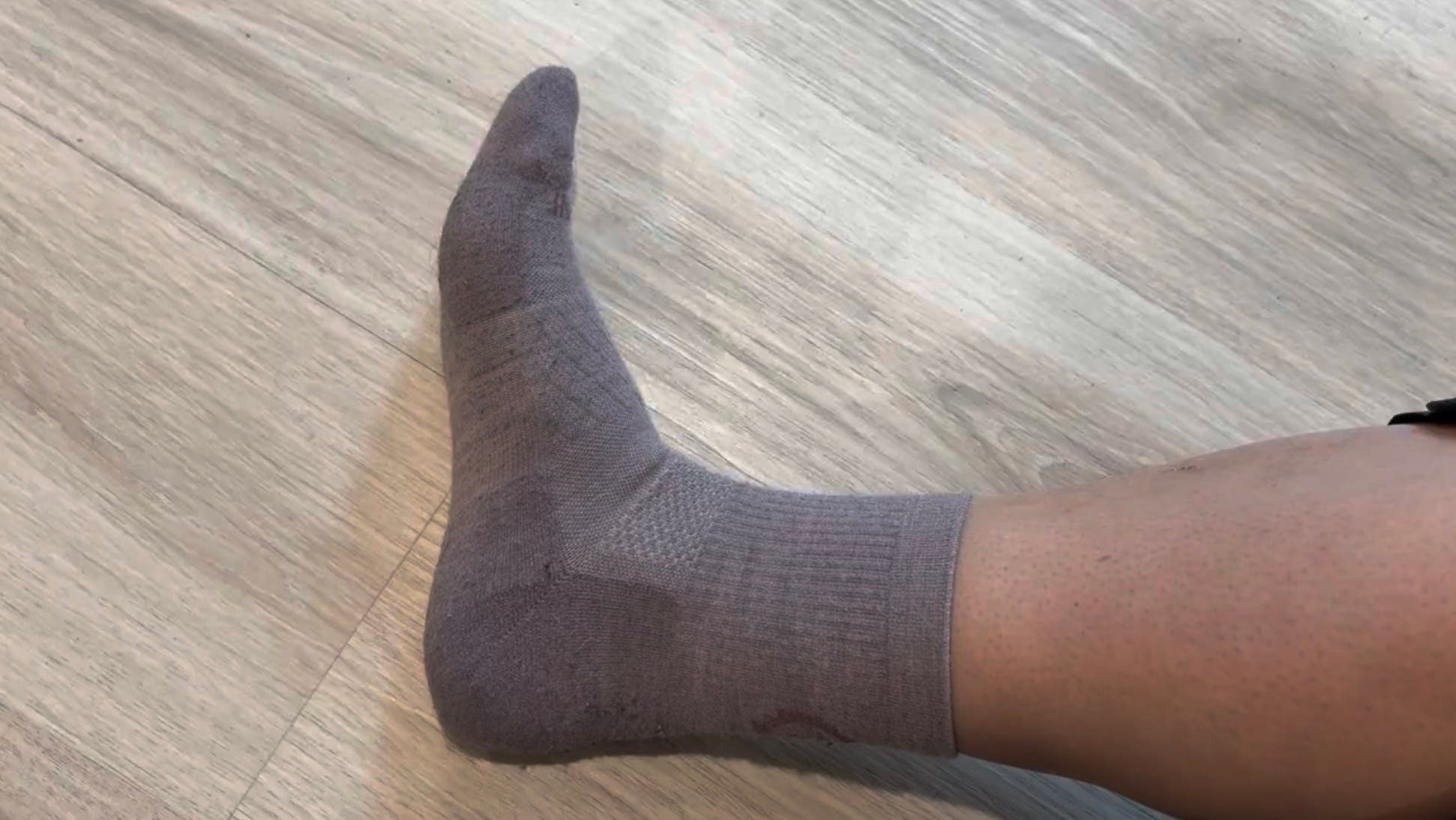
Foot blister prevention and moisture management remain persistent challenges in long-distance backpacking. Senior Editor Zoe Gates evaluated the Paka Trail Crew socks, priced at $25, which represent a broader industry shift away from traditional sheep’s wool toward alternative animal fibers such as alpaca.
Comparative Material Analysis
While merino wool has long reigned as the gold standard for thermoregulation and anti-microbial odor resistance in outdoor apparel, alpaca fiber exhibits distinct physiological properties. According to textile research cited by manufacturers and verified through field use, alpaca fibers are semi-hollow, allowing for enhanced thermal retention without proportional increases in weight. Furthermore, alpaca fleece contains no lanolin, rendering the material naturally hypoallergenic and less prone to holding moisture compared to untreated sheep’s wool.
Performance Metrics on the Trail
During multi-mile evaluations across varying substrates, the Paka Trail Crew socks demonstrated several technical advantages:
- Weight and Drying Time: Alpaca fiber is documented as significantly lighter than sheep’s wool and exhibits lower water retention rates, facilitating rapid drying cycles following river crossings or heavy perspiration.
- Ergonomic Mapping: The design features light compression across the arch to prevent mid-foot slippage and bunching.
- Durability Reinforcement: The heel cushioning zone extends upward along the Achilles tendon. Field technicians noted that this modification successfully mitigated friction points commonly caused by the rigid collars of trail running shoes and cycling footwear, where standard athletic socks traditionally fail.
Editor-in-Chief Adam Roy’s Assessment of Buzz Bomb Caffeine Powder
Addressing the physiological demands of pre-dawn alpine starts—often referred to in mountaineering as "alpine starts"—Editor-in-Chief Adam Roy tested the Buzz Bomb Caffeine Powder, marketed at $25 for a 20-packet supply.
Pharmacokinetics of Sublingual Delivery
Unlike conventional energy drinks or hydration powders designed for dilution in water, Buzz Bomb employs a sublingual delivery mechanism. Users pour the 1-gram flavored powder directly beneath the tongue, where mucosal membranes absorb the active compounds rapidly into the bloodstream, bypassing the digestive tract.
Comparative Nutritional and Stimulant Profile
Standard commercial energy beverages frequently contain between 150mg and 300mg of caffeine per serving, frequently accompanied by high sugar loads and carbonation that can cause gastrointestinal distress during high-output aerobic activity. In contrast, each serving of Buzz Bomb delivers a controlled 50mg of caffeine—roughly equivalent to a single cup of black tea—mitigating the risk of acute jitters or subsequent energy crashes. Available in fruit-forward formulations such as Lemon Drop and Peach Mango, the product successfully prioritized palate appeal during testing.
Broader Industry Implications and Market Trends
The collective gear selections from the Backpacker editorial team highlight prevailing consumer and manufacturing trends within the outdoor recreation sector as the industry looks toward the 2027 product cycle.
First, the integration of multi-use survival systems—exemplified by the Outdoor Element Flicker Feather—reflects a consumer demand for weight reduction through product consolidation. By merging edge-retention metallurgy, fire-starting capabilities, and signaling devices into a single secure unit, manufacturers address the ultralight backpacking ethos without sacrificing emergency preparedness.
Second, the pivot toward alternative biological fibers, such as alpaca wool in the Paka Trail Crew socks, underscores a growing emphasis on sustainable, high-performance textiles that outperform traditional synthetics in odor control and thermal regulation while reducing ecological footprints.
Finally, the popularity of alternative stimulant delivery systems like sublingual caffeine powders illustrates a continuing demand for micro-dosed, highly portable nutritional aids that minimize liquid weight in backcountry packs. As field testing continues across diverse global environments through the remainder of the year, these products establish a high benchmark for the forthcoming innovations slated for public release in the spring 2027 retail window.