After more than a decade since the last installment and over 25 years since players last journeyed through the revered fantasy world of Enroth, the foundational setting for the series’ first three titles, the Heroes of Might & Magic franchise has officially entered a new era. Heroes of Might & Magic: Olden Era, a highly anticipated reboot, launched into Steam Early Access on April 30th. Developed by Unfrozen and backed by a significant collaboration between industry giants Ubisoft and Hooded Horse, the project also boasts the invaluable creative input of series creator Jon Van Caneghem, signaling a serious commitment to reviving this cherished jewel in PC gaming’s crown.
This reboot arrives with considerable expectations, tasked with reintroducing the beloved blend of strategic overworld exploration, deep role-playing mechanics, and intricate turn-based tactical combat to a new generation of players, while simultaneously satisfying the long-standing fanbase. Early impressions from players new to the series highlight a game that immediately feels familiar to its predecessors, yet offers a nuanced experience that has captured their interest.
A Legacy Reborn: The Heroes of Might & Magic Saga
The Heroes of Might & Magic series holds a unique and revered place in the history of PC gaming. Originating in 1995 from New World Computing, it quickly distinguished itself with its innovative fusion of exploration, resource management, city-building, and tactical combat. The series’ zenith is often considered Heroes of Might & Magic III, released in 1999, which garnered critical acclaim and a dedicated global following, establishing many of the core mechanics and aesthetic sensibilities that define the franchise.
Following the commercial struggles of its original publisher, 3DO, the Might & Magic intellectual property was acquired by Ubisoft in 2003. Subsequent titles under Ubisoft’s stewardship, while generally well-received, often struggled to fully recapture the magic and widespread appeal of the earlier games, particularly HoMM III. The franchise entered a period of dormancy after the last main series game, leaving a significant void in the hybrid strategy genre. The decision to reboot the series now, more than two decades after its most iconic entry and a decade after the last title, reflects a strategic move to capitalize on renewed interest in classic PC game genres and a growing market for sophisticated strategy experiences.
The return of Jon Van Caneghem, the original architect of both Might & Magic and Heroes of Might & Magic, is particularly noteworthy. His involvement lends significant credibility and a guiding vision to Olden Era, ensuring that the reboot respects its roots while evolving for contemporary audiences. Van Caneghem’s experience, which even extended to working on rival real-time strategy titan Command & Conquer in the 2010s, underscores his broad expertise in the strategy genre. This collaboration between Unfrozen’s development prowess, Ubisoft’s publishing might, Hooded Horse’s strategic insights, and Van Caneghem’s foundational expertise positions Olden Era as a potential standard-bearer for the series’ future.
Early Access Deep Dive: Familiarity Meets Modern Design

Initial player experiences with Heroes of Might & Magic: Olden Era indicate that the game immediately resonates with the core tenets of the series. Players assume control of one or more heroes, guiding them across expansive maps dotted with valuable resources, lurking monsters, and strategic buildings. The fundamental loop of exploration, resource acquisition, and military expansion remains intact and compelling.
Exploration and World Map Dynamics:
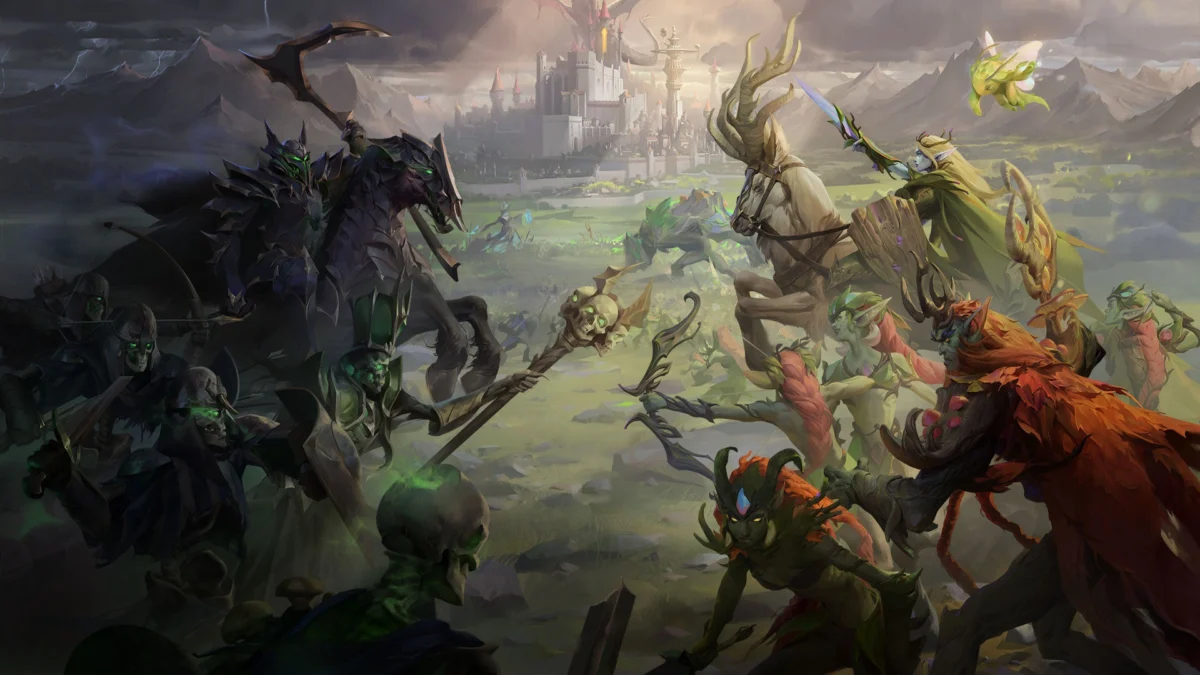
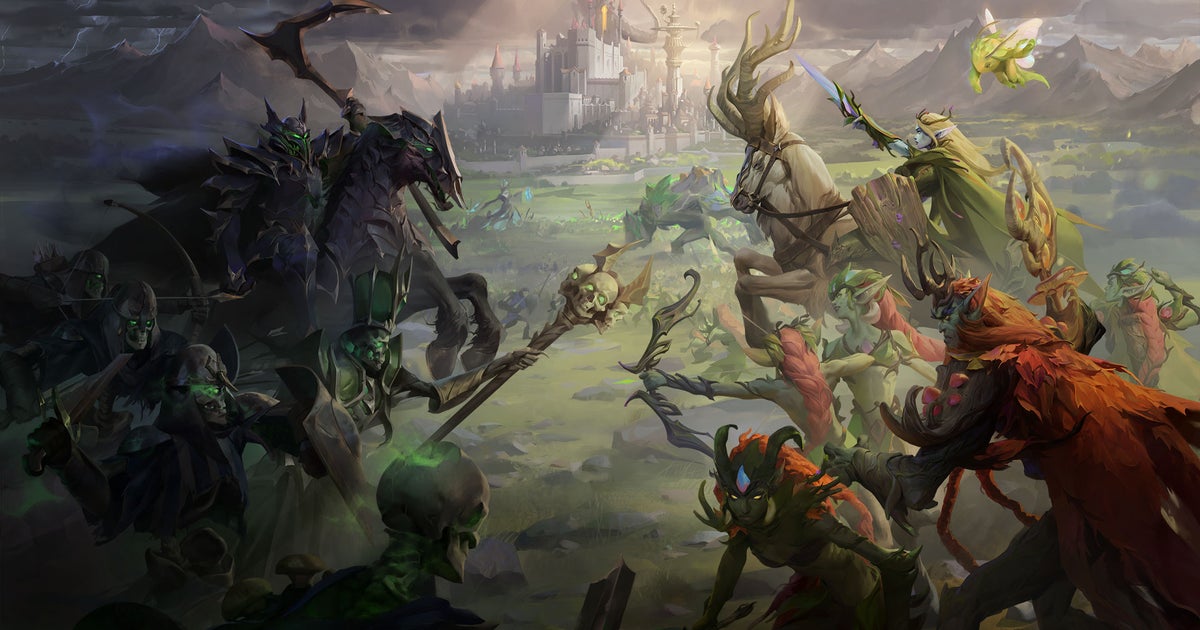
The world map is characterized by its "magpie-friendly presentation," described by some as a "kid’s treasure map." It features a vibrant, almost cluttered, arrangement of diverse biomes—woodlands, deserts, mountains, and lakes—each generously "heaped with gold, gems and other valuables" for heroes to collect. This visual style, while initially drawing comparisons to mobile gacha games or even animated fantasy parodies like Shrek due to its "olde worlde presentation," reveals an innocent charm upon closer inspection. The maps are alive with "animate minutiae," such as dragons circling ruins, chickens clucking by windmills, and the distant sounds of golems hammering iron in hillside forges, contributing to a bustling and immersive environment.
Heroes navigate this world using a pool of movement points each day, allowing them to gather resources, activate shrines that buff their skills, or recruit units from various camps. Engaging hostile monsters transitions the gameplay into turn-based battles, a critical component of the HoMM experience.
City Management and Strategic Development:
Upon capturing a city, players can expand its infrastructure by constructing buildings that facilitate unit recruitment, unlock potent battle spells, and generate vital gold. This city-building aspect is crucial for sustaining armies and advancing strategic goals. However, early feedback from players suggests that city customization can feel like "a slight drag," particularly when managing multiple cities with significant overlap in upgrade paths. The interface for city management has also been noted as "a little muddled," with confusing color choices for on-screen buttons making it difficult to discern which units are available for hire versus those requiring more cash or facilities. These observations highlight areas for potential refinement during the Early Access period.

The Nuances of Turn-Based Combat:
The combat system in Olden Era is a central pillar of its gameplay. Battles unfold on a hex-grid battlefield where stacks of units are positioned on opposite sides. Players take turns maneuvering their troops to engage the enemy in melee or ranged combat. Initially, new players found the combat "surprisingly shallow," noting a lack of obvious choices, minimal impact of attack direction, and difficulty in immediately gauging unit effectiveness. This led some to miss the automated AI combat feature present in earlier HoMM titles (though it is confirmed to be present in Olden Era via a small button on the battle screen).
However, as players delve deeper, the combat reveals significant strategic depth. Turn order, determined by unit initiative, proves to be profoundly important. The "wait" button, allowing a unit to delay its turn to the end of the queue, becomes a powerful tool for manipulating enemy counter-attacks and orchestrating optimal engagements. For example, using tougher units like minotaurs to absorb an enemy’s single counter-attack before fragile infiltrators deliver a delayed, unretaliated strike.
Subtle buffs and debuffs further enrich the tactical landscape, such as damage drop-off for ranged attacks over long distances or bonus damage for mounted units charging into combat. While these elements create numerous opportunities for strategic orchestration, players have noted that the user interface could do a better job of communicating these effects, often requiring players to "digging into unit descriptions" to understand their full impact.
Hero involvement in combat, though peripheral, is also critical. Heroes can cast magic attacks by spending focus points accumulated as units deal and receive damage. These spells can turn the tide of battle, softening up powerful enemies before melee units engage. The challenge for new players, however, is often remembering to utilize these hero abilities amidst the unit management. As one player recounted, siege battles become particularly engaging, allowing for tactics like "teleporting kamikaze cavalry through the walls" to distract archers while catapults assault the gates. When facing another hero, the spellcasting element introduces a dynamic "duel alongside the battle."

Visuals, Audio, and the Realm’s Plight
The presentation of Heroes of Might & Magic: Olden Era leans heavily into an "olde worlde" aesthetic. While some early reactions found the visuals "a little jarred" and reminiscent of certain mobile game advertisements, the overall art direction is crafted to evoke a sense of classic fantasy. City screens, particularly for the human faction, feature "choirs singing ‘glorious’ in the background," creating a grand, if at times "Bit Much," atmosphere. The sound design extends beyond the cities, with distinct audio cues like "golems hammering iron in a hillside forge" and the "cheering troops of enemy heroes," adding to the bustling world map experience.
The narrative unfolds through an engaging story campaign, which players have described as having an "optimal amount of dialogue during quests," complemented by "posh character art and charismatic voice-acting during the cutscenes." The overarching plot centers on a mysterious "evil red star" that has caused all fires in the realm to become "eternal," refusing to be extinguished, setting the stage for heroic quests to restore balance.
One player’s initial foray into a scenario as necromancer queen Feuneralla highlighted both the game’s "good hokey fun" and some of its learning curve challenges. Without prior experience or explicit guidance within the scenario, understanding unique faction skills like "Raising Undead" proved difficult, suggesting a need for a comprehensive codex or more revealing tooltips for new players. Despite these initial hurdles, the campaign structure, with its progression and character development, quickly became a source of enjoyment, particularly following the journey of Gunnar and his minotaur guard. Players are also advised to "be wary of battles with villagers," suggesting unexpected challenges can arise from seemingly harmless encounters.

The Collaborative Effort Behind the Reboot
The development of Heroes of Might & Magic: Olden Era is a testament to a significant collaborative effort. Unfrozen, as the primary development studio, brings its expertise to meticulously craft the game’s mechanics and world. The involvement of Ubisoft, the long-term rights holder of the Might & Magic franchise, provides crucial oversight, resources, and marketing reach. Hooded Horse, a publisher known for its focus on deep strategy games, contributes its specialized knowledge of the genre and its community.
Crucially, the guidance of Jon Van Caneghem ensures that the reboot remains faithful to the series’ foundational design principles and spirit. His input is vital in navigating the delicate balance between honoring nostalgia and introducing modern design sensibilities. The decision to launch into Early Access underscores a commitment from all parties to an iterative development process. This phase is designed to gather extensive player feedback, allowing the developers to refine gameplay mechanics, address UI/UX issues, balance units and spells, and ultimately shape the game into a polished final product that meets community expectations.
Anticipating the Full Release: Challenges and Opportunities

The early impressions of Heroes of Might & Magic: Olden Era indicate a promising start for the reboot. Players, even those new to the franchise, are finding themselves engaged by its blend of strategic depth and fantasy charm. The game’s success will ultimately hinge on its ability to evolve through Early Access, addressing initial player feedback regarding city management interface, combat communication, and tutorialization for new mechanics.
One of the primary challenges for Olden Era will be balancing the expectations of its deeply loyal veteran fanbase with the need to attract and retain new players. Veterans will seek faithful adherence to the classic formula, particularly the depth of HoMM III, while new players may require more intuitive interfaces and clearer explanations of complex systems. The game occupies a somewhat niche position within the strategy genre, with few direct competitors offering its specific blend of mechanics, though titles like Songs of Conquest share some similarities.
The positive initial reception, despite minor interface and clarity issues common in Early Access builds, suggests that Unfrozen, Ubisoft, Hooded Horse, and Jon Van Caneghem are "off to a good start." If the development team can effectively leverage player feedback during the Early Access period to polish its rough edges and expand upon its strengths, Heroes of Might & Magic: Olden Era has the potential not only to revive a beloved franchise but also to carve out a significant new chapter for the iconic strategy series in the contemporary gaming landscape. The journey ahead will determine if this venerable series can truly polish up nicely and reclaim its crown within PC gaming.