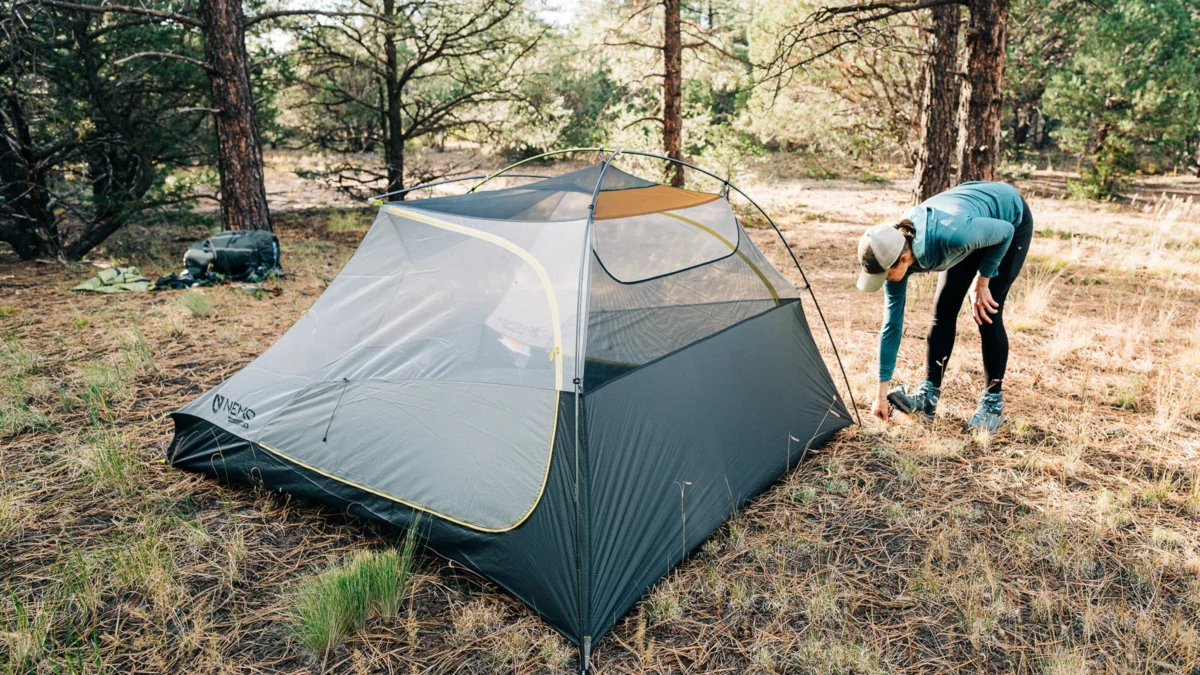
April 2026: Our top pick for an all-around backpacking tent is the Big Agnes Copper Spur UL3, lauded for its exceptional balance of low weight, robust weatherproofing, and ample interior space that comfortably accommodates extra occupants like children or pets without compromising comfort. For budget-conscious adventurers, The North Face Trail Lite 2 emerges as a standout, offering stormworthy performance far exceeding its price point. This year also sees the introduction of the MSR Hubba Hubba HD 2, a rugged shelter designed to excel through the unpredictable conditions of the shoulder seasons.
The evolution of camping gear continues to impress, with tent manufacturers consistently pushing the boundaries of innovation. This 2026 season’s array of three-season shelters exemplifies this trend, featuring ultralight designs optimized for trekking pole support, fortified structures capable of withstanding unexpected winter weather, and spacious, airy sanctuaries suitable for both remote backcountry expeditions and established campgrounds.
At a Glance: The Premier Backpacking Tents of 2026
Each year, the landscape of outdoor equipment sees significant advancements, and the 2026 three-season tent market is no exception. This year’s evaluations focused on tents that offer a compelling blend of weight, durability, livability, and weather resistance, catering to a wide spectrum of outdoor enthusiasts.
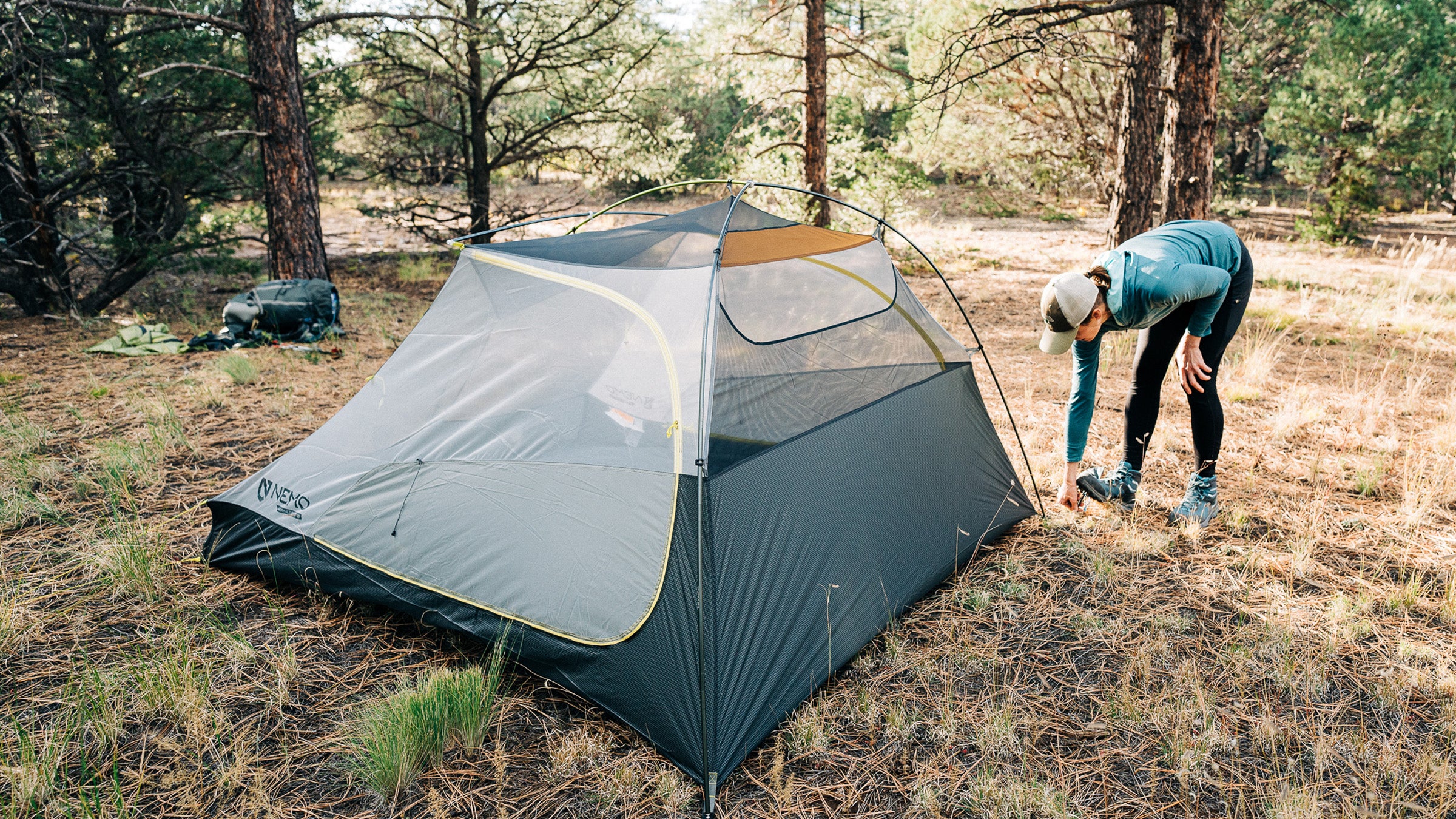
Best Overall: Big Agnes Copper Spur UL3
Weight: 3.8 lbs
Peak Height: 43 inches
Interior Space: 41 sq ft
Vestibule Space: 18 sq ft
Pros:
- Exceptional space-to-weight ratio
- Highly livable interior
- Remarkably versatile for various conditions
- Premium materials and construction
Cons:
- Higher price point
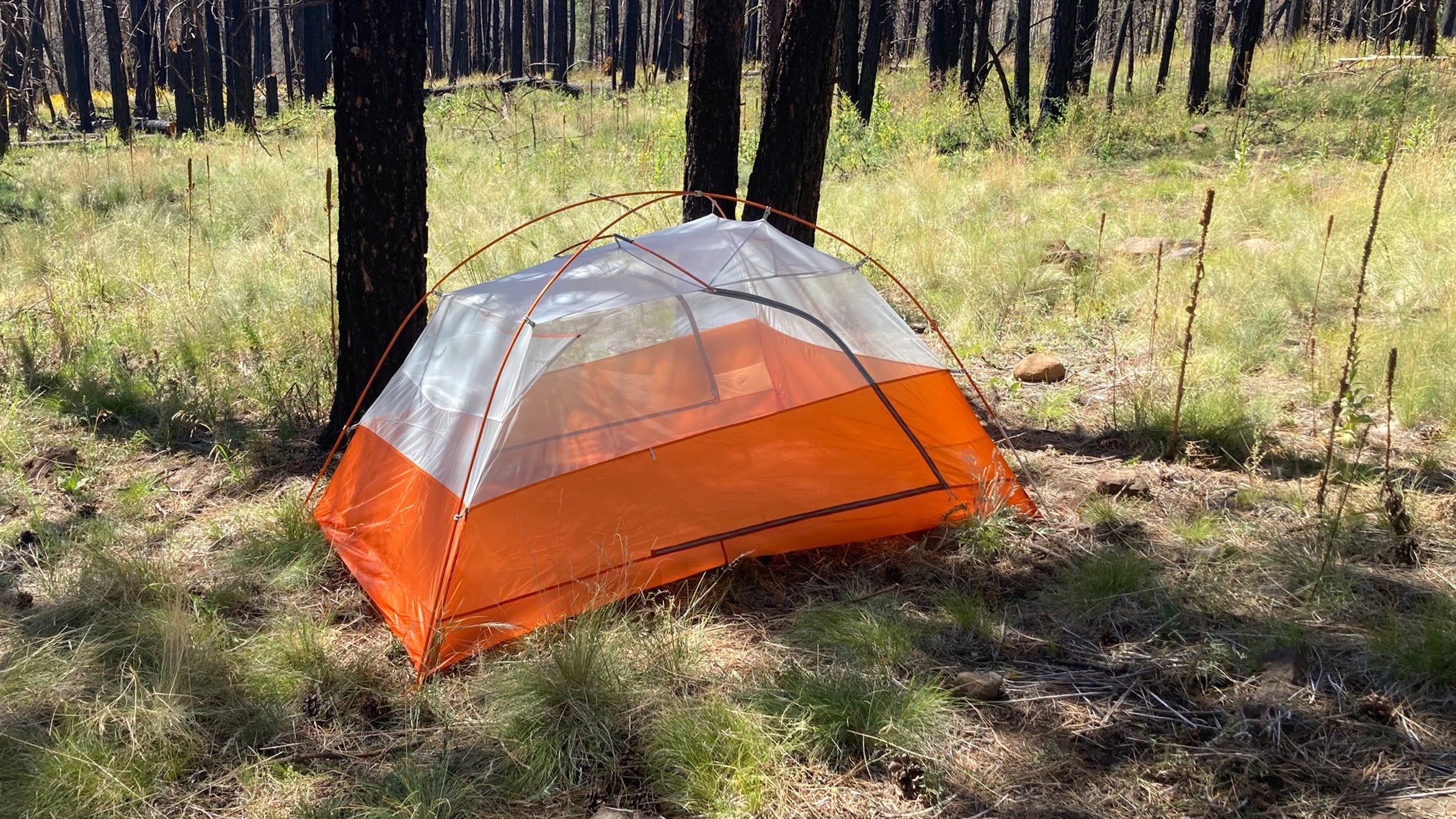
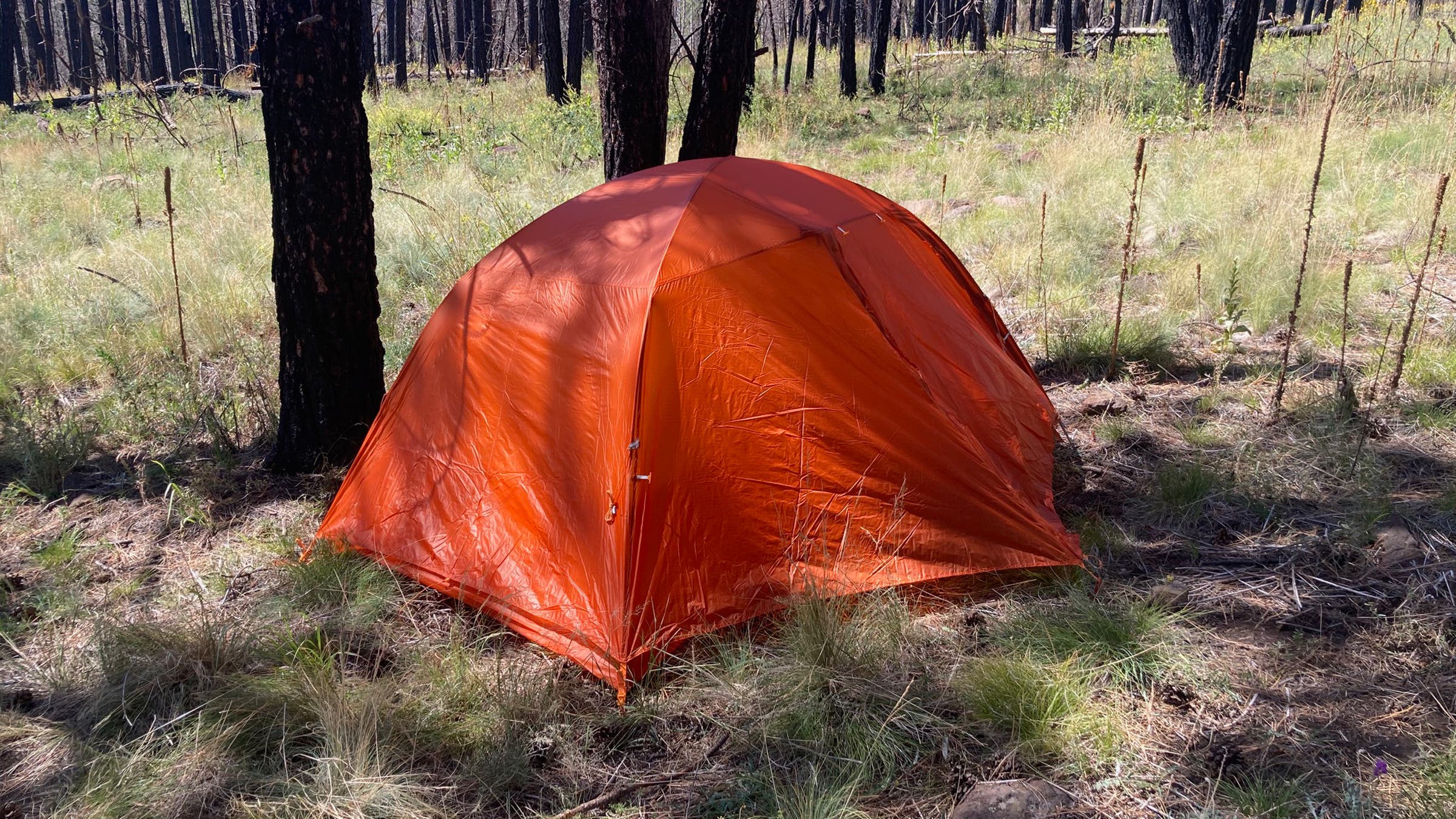
The Big Agnes Copper Spur UL3 continues its legacy as a favorite among discerning backpackers, building upon the strengths of its well-regarded predecessor, the UL2. Its defining characteristics—low weight, superior weatherproofing, and excellent livability—are amplified in this three-person iteration. Weighing in at a mere 3.8 pounds, or approximately 20 ounces per person, the Copper Spur UL3 offers a voluminous 41 square feet of interior space, proving that there are no compromises when it comes to accommodating additional occupants like children or pets, or simply enjoying extra room for gear during solo trips. This tent stands as a true three-season champion.
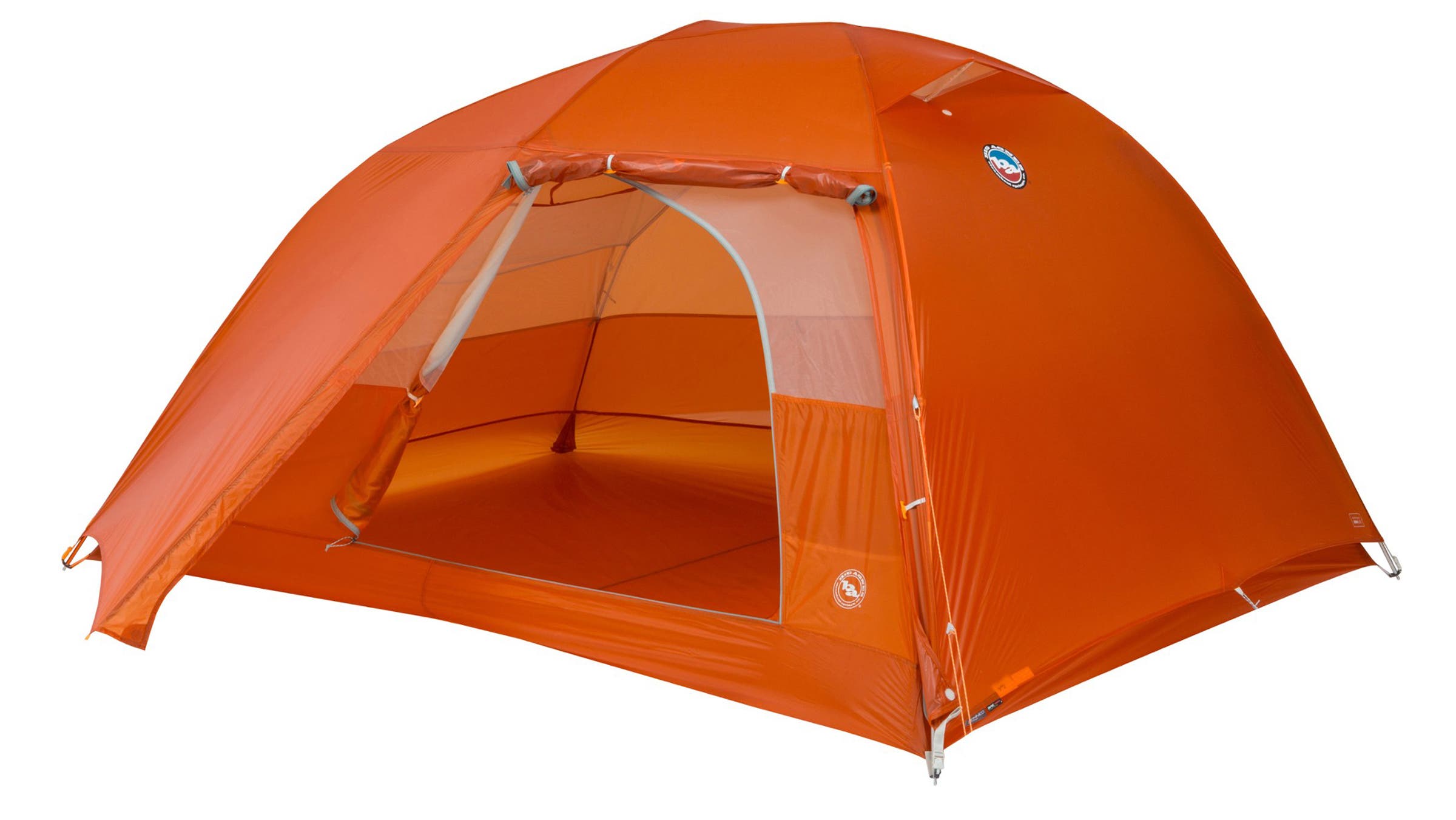
The generous 90-inch length is a significant advantage for taller campers, while the 43-inch peak height allows for comfortable changing and upright sitting within the tent. Complementing the interior space, the 18 square feet of vestibule area provides ample room for three pairs of backpacks and boots, and is exceptionally spacious for two. Inside, four strategically placed storage pockets, including a large overhead pocket, help maintain a clutter-free floor. Testers reported a highly positive experience even with three adults and their cold-weather gear, noting its ample livability during a three-day excursion in Yosemite National Park.
Big Agnes achieves this impressive weight by employing a proprietary "Hyperbead" ripstop nylon fabric. This material, a blend of 15- and 20-denier deniers, is treated with a PFAS-free waterproofing agent. Our field testers found this fabric to be remarkably effective at repelling water, even enduring prolonged overnight soakings in the challenging conditions of Mount Baker National Forest.
The tent’s design features a half-mesh body, which testers found to be highly effective in managing condensation and offering breathtaking views of the night sky on clear evenings. The rainfly extends low to the ground, providing excellent protection, and the overall pitch remained stable even in winds gusting up to 15 miles per hour. The structural integrity is provided by DAC Featherlite aluminum hubbed poles, complemented by a bent cross-pole design. Numerous guy-out points further enhance stability in adverse weather. For those utilizing trekking poles, the tent offers the flexibility to configure the fly doors into an awning, providing shelter for cooking or a shaded area for relaxation during less-than-ideal weather. One tester noted, "If you stake it out correctly, you can fit a small camp chair underneath and have a place to sit down and eat in the shade," a testament to its thoughtful design in varied environments, as experienced in the treeless terrains of Southern Utah.
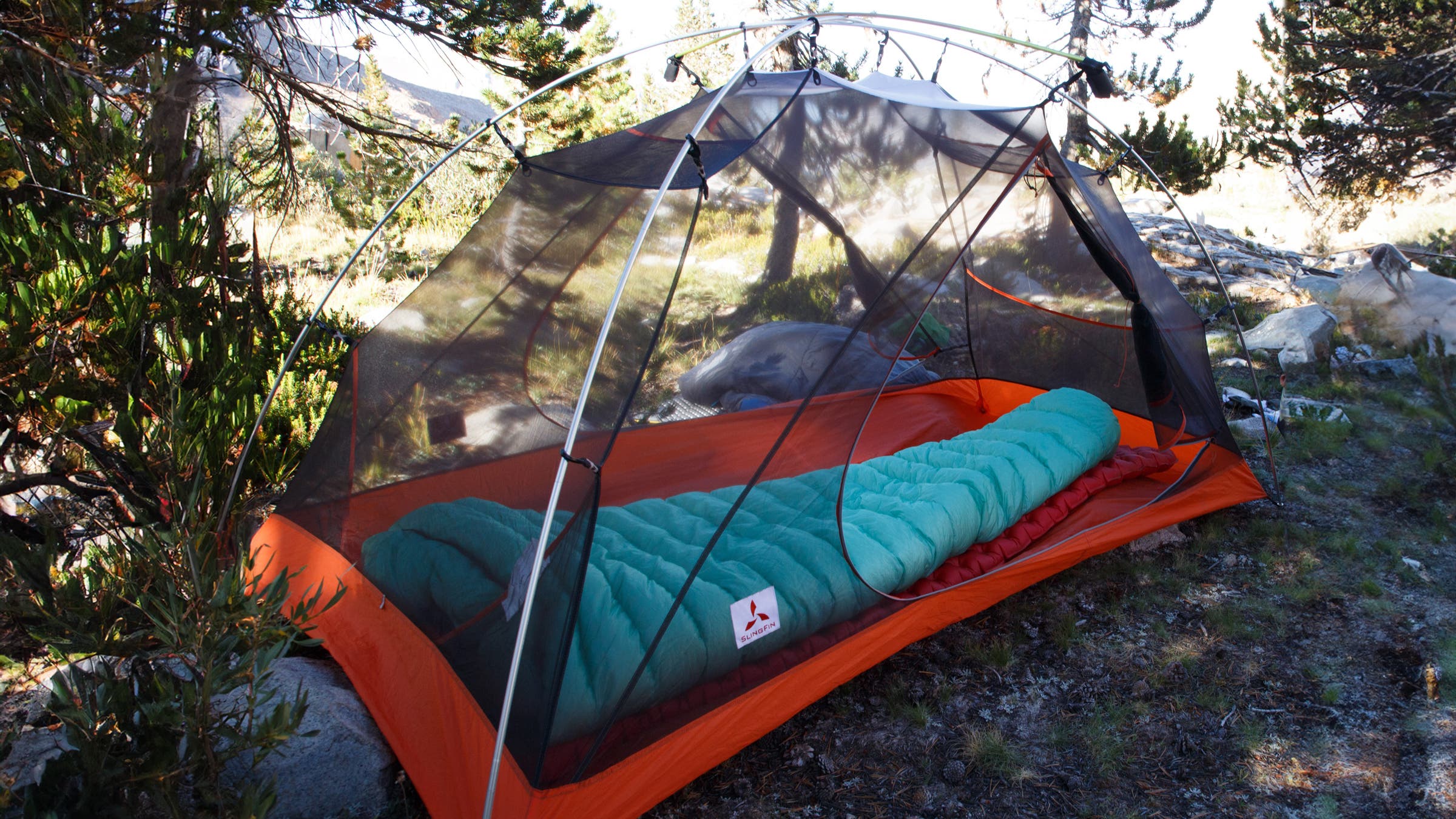
Best Weather Protection: SlingFin Portal 2
Weight: 2.9 lbs
Peak Height: 44 inches
Interior Space: 27 sq ft
Vestibule Space: 17 sq ft
Pros:
- Ultralight design
- Intuitive and quick setup
- Exceptional stability in high winds
- Abundant storage solutions
Cons:
- Slightly smaller interior floorplan
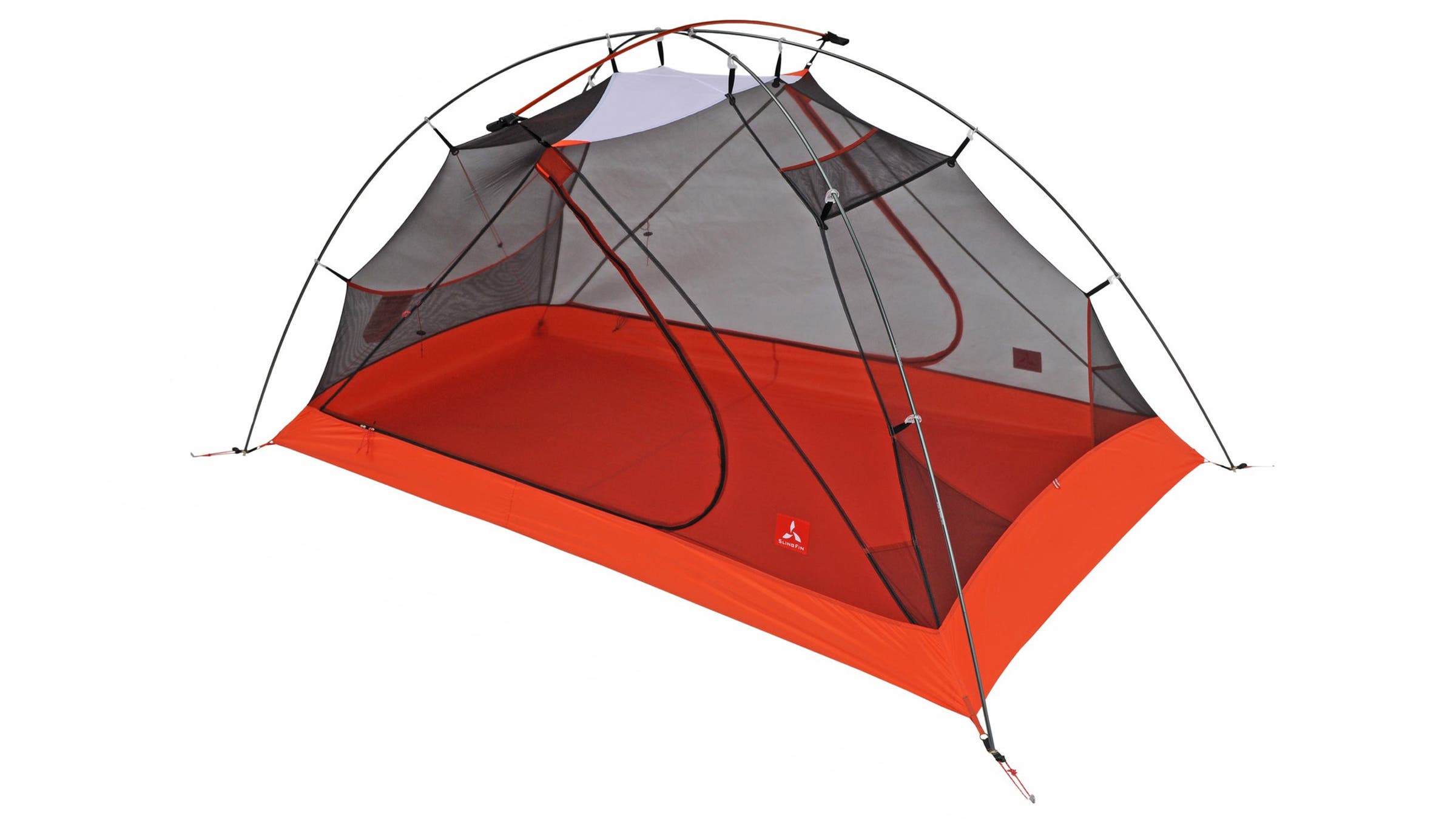
The SlingFin Portal 2, weighing in at just under three pounds, redefines expectations for wind resistance and weatherproofing in a lightweight shelter. Its robust performance is attributed to a unique pole structure featuring three separate aluminum poles, which effectively minimizes the stress points common in hubbed systems. An integrated internal guyline system allows for precise tensioning of the pitch, ensuring remarkable lateral stability. A tester recounted enduring a night with winds reaching 40 mph, stating, "the tent never pancaked on us," during an expedition to Thousand Island Lake in California’s Sierra National Forest.
Further enhancing its weather resilience are ten external guylines and two hook-and-loop trekking pole attachment points on the upper crosspole, providing crucial added stability. "This is a bomber-type tent that’s easy and straightforward to set up," reported one tester. "I would feel completely comfortable camping in any conditions, even a winter storm."
While the 27-square-foot floor of this freestanding tent is standard for its class, it is generously complemented by double doors and over 16 square feet of vestibule space. Excellent ventilation is managed through mesh interior walls and two strategically placed kickstand vents on the rainfly, effectively eliminating condensation even on cool nights in Moab. The tent’s fly is constructed from 10-denier nylon, and the floor from 20-denier nylon. While these materials are on the lighter side, testers found no issues with durability during rigorous testing, including camping on abrasive sandstone in Utah and rocky terrains in Colorado.
The interior comfort is further enhanced by an above-average peak height of 44 inches, facilitating easy clothing changes and extended card games during inclement weather. The tent boasts seven thoughtfully placed pockets—two on the ceiling, two at the head, two on the sides, and one at the foot—ensuring that small essentials like headlamps are always organized and accessible.
Most Livable: REI Half Dome 2
Weight: 5.75 lbs
Peak Height: 40 inches
Interior Space: 31.8 sq ft
Vestibule Space: 18 sq ft
Pros:
- Expansive interior floorplan
- High degree of durability
- Excellent value for the price
- User-friendly setup
Cons:
- Heavier than many competitors
- Slightly lower peak height compared to some models
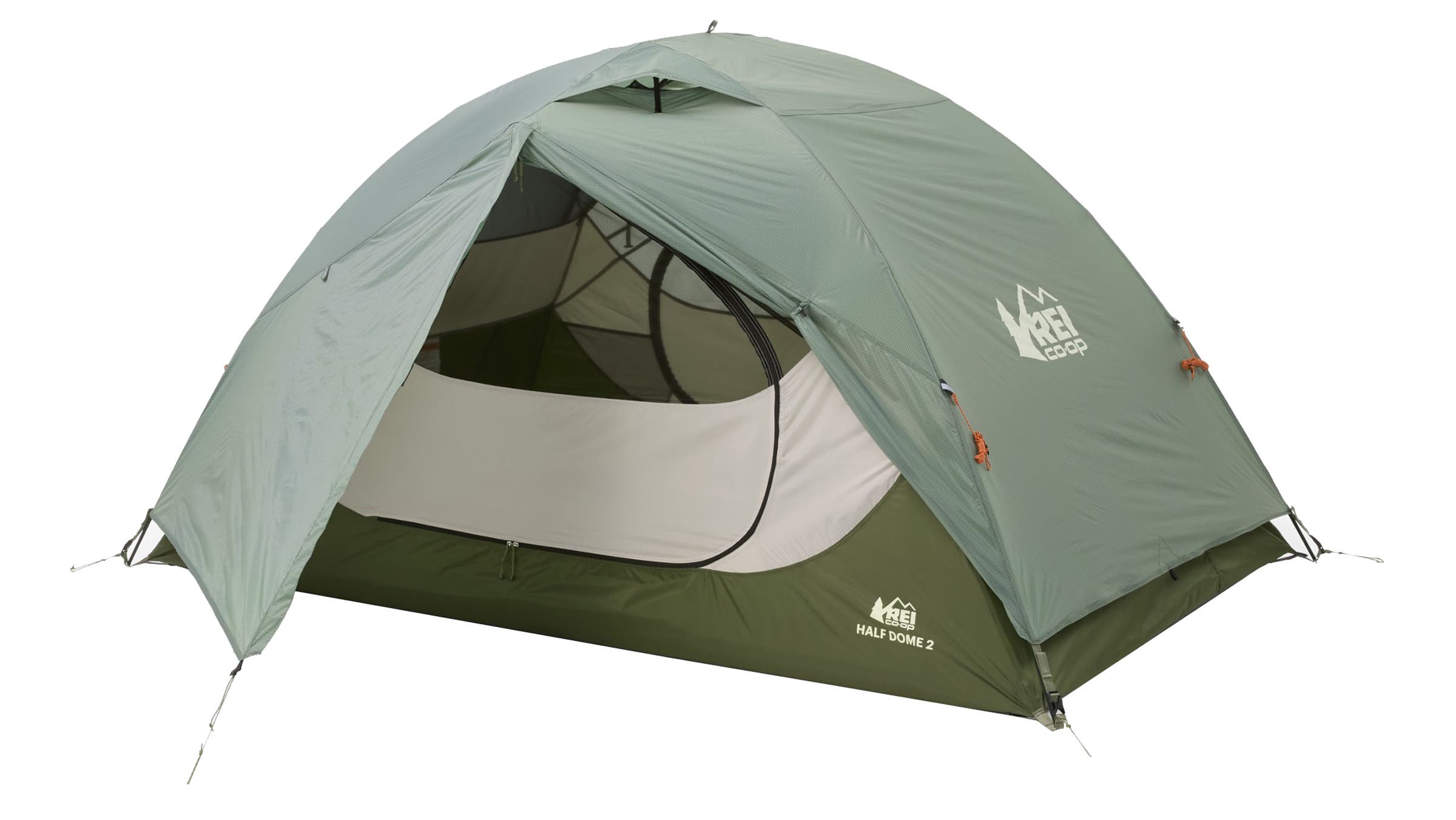
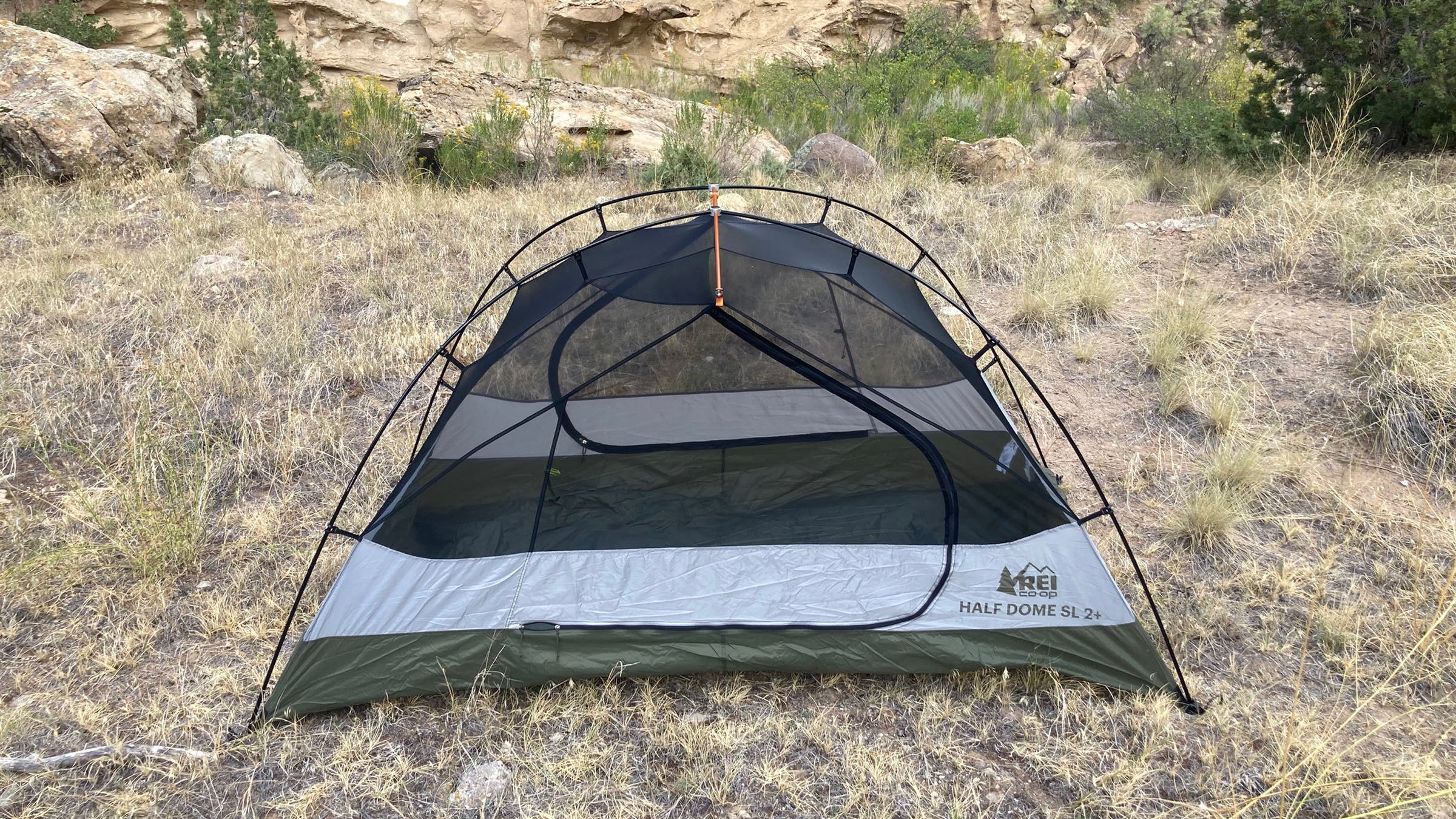
For over two decades, REI’s Half Dome series has been recognized for its superior combination of affordability, livability, ease of setup, and durability, making it a go-to choice for weekend adventurers. Historically, its primary limitation was weather protection, but a significant update in 2025 has addressed this concern. The taller ripstop nylon walls of the updated main tent body now effectively shield occupants from wind, rain, and blowing sand without compromise.
Livability remains the Half Dome’s most celebrated attribute. A revised pole structure expands the tent’s upper volume, compensating for an average peak height of 40 inches with a noticeably larger interior. The tent features a spacious 88-inch floor length, offering over 31 square feet of interior space, along with two nine-square-foot vestibules. Enhancing the overall sense of spaciousness are two large D-shaped doors and ample interior storage, with six pockets—two at each bottom corner and two at the top—providing convenient spots for headlamps, phones, and other small items. One tester, standing at 5’11", reported ample headroom and space to stretch out during a weekend trip to Big Dominguez Canyon, Colorado, adding, "It’s extremely livable for two, and you could even squeak in a dog."
While its weight of over five and a half pounds is substantial by current ultralight standards, this weight directly translates to enhanced durability. REI utilizes a robust 40-denier ripstop nylon for the floor, body, and fly, representing an upgrade from previous iterations. Extensive testing on rocky and sandstone surfaces has instilled confidence in the fabric’s longevity. The inclusion of a 75-denier, seven-ounce footprint further contributes to the tent’s long-term resilience.
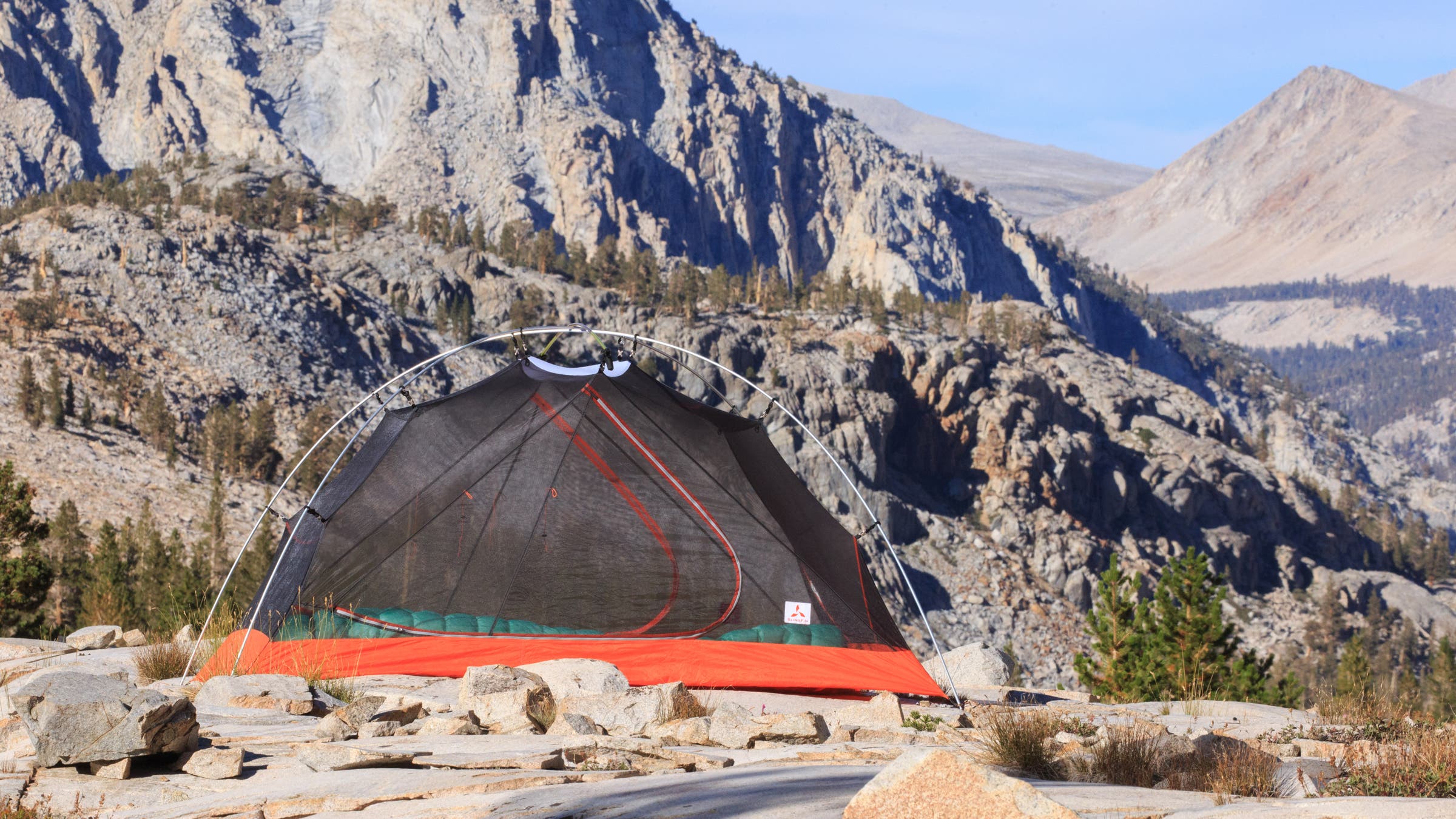
Ventilation is managed through two closeable ceiling vents and generous mesh in the upper tent body, ensuring adequate airflow during cooler nights and while waiting out storms. Testers reported no significant condensation issues during 35-degree nights in western Colorado. Extended rain periods in North Carolina did not compromise the interior, with the footprint and bathtub floor effectively keeping the inside dry. A practical top-loading stuff sack simplifies the packing process, a welcome improvement over the often-challenging side-opening sacks found on other tents. As in past years, the Half Dome continues to offer exceptional value at just over $300.
Most Versatile: Tarptent Double Rainbow
Weight: 2.6 lbs (with aluminum pole)
Peak Height: 42 inches
Interior Space: 30.6 sq ft
Vestibule Space: 16 sq ft
Pros:
- Extremely lightweight
- Affordable price point
- Numerous configuration options
- Durable construction
Cons:
- Potential for condensation in certain conditions
First lauded in 2010 for its low weight, ease of setup, and affordability, the single-pole Tarptent Double Rainbow remains a standout value proposition. The latest iteration boasts enhanced space, improved geometry, and a no-sag fly, making it a highly adaptable choice for backpackers transitioning to trekking-pole shelters.
Key improvements in the new Double Rainbow focus on livability. The 42-inch peak height, combined with a wider top strut, significantly increases headroom and overall interior volume. The 30.6-square-foot floor is more expansive than previous models and many comparable two-person tents, comfortably accommodating two full-sized sleeping pads. One tester, standing at an impressive 6’6", reported that both he and his 6’1" father could sit upright comfortably during a trip in the Pyrenees.
In its standard configuration, the semi-freestanding tent requires careful staking for optimal stability. However, testers found the setup process to be intuitive and logical, even without prior practice, thanks to its simple single-pole design. Conversion to a fully freestanding tent is straightforward: inserting trekking poles (140 cm or longer) into the short ends of the tent allows for a guy-line-free pitch. Furthermore, utilizing trekking poles and guylines to prop up the vestibule awnings creates sheltered outdoor living and cooking spaces. This configuration also enhances airflow, a crucial benefit for managing condensation, which is the primary challenge for the single-walled Double Rainbow, particularly on colder nights.
Regarding weather resistance, a five-inch-high, 30-denier nylon double ripstop bathtub floor and a low-profile fly effectively kept the interior dry during a storm with 35-mph winds in the Western Rockies. The fly is now made from 20-denier polyester nano ripstop, a significant upgrade that eliminates the sagging issues previously associated with sil-nylon versions of the Double Rainbow. At a price of $284, this shelter continues to represent exceptional value.
Best Budget Tent: The North Face Trail Lite 2
Weight: 5.1 lbs
Peak Height: 41 inches
Interior Space: 30 sq ft
Vestibule Space: 16 sq ft
Pros:
- Highly affordable
- Simple and quick setup
- Robust weather protection for the price
- Durable construction
Cons:
- Higher weight compared to premium models
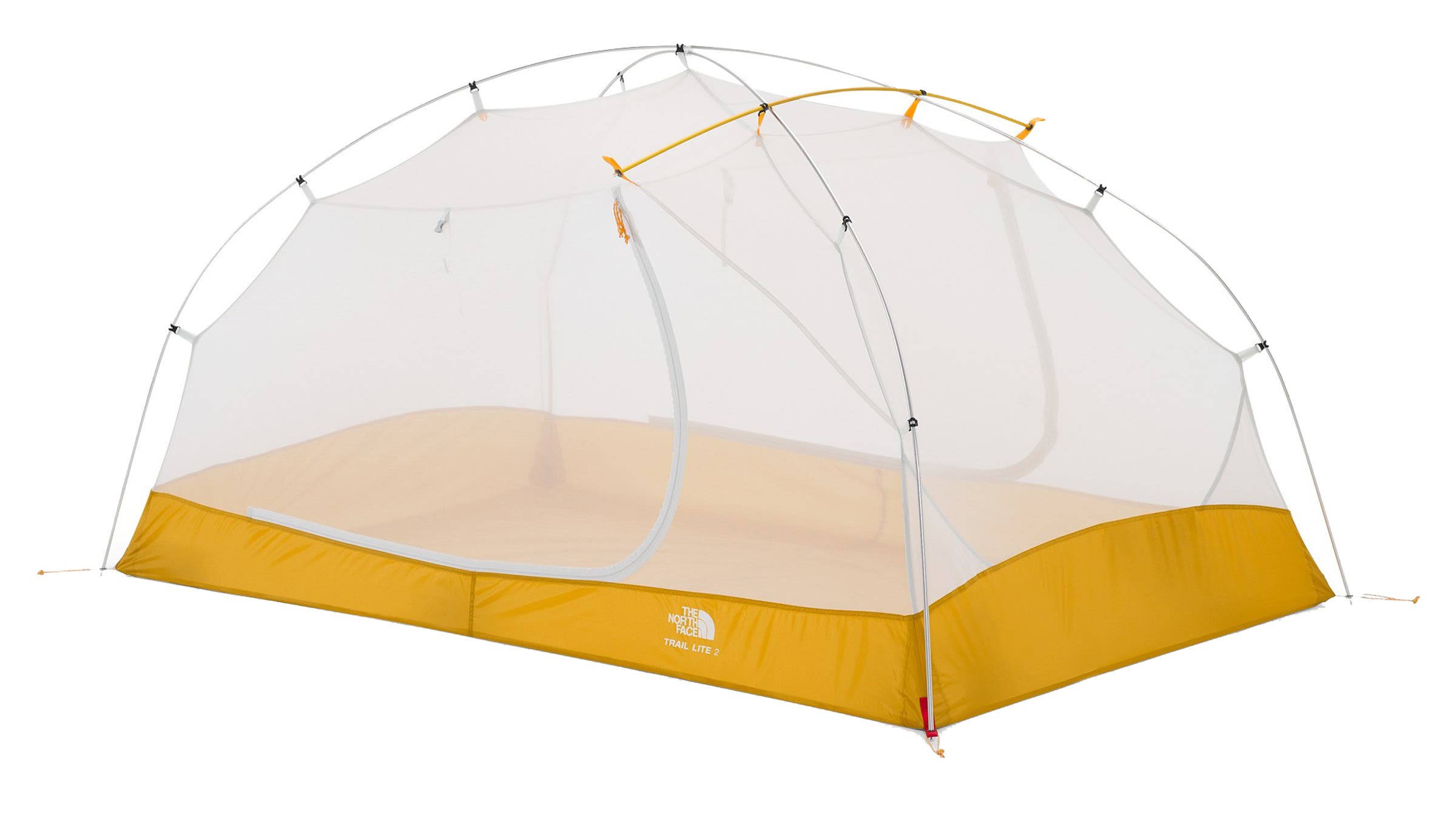
Securing a budget-friendly tent is generally straightforward, but finding one that provides reliable shelter through shoulder-season storms is a rarer find. The North Face Trail Lite 2, priced at $325, stands out as an exception. This double-walled tent features robust 9.5-millimeter aluminum poles, a 20-denier nylon ripstop fly with a 1,200-millimeter water-repellent coating, and a substantial 75-denier polyester bathtub floor. While the heavier floor material adds weight, it significantly enhances the tent’s durability on rough terrain and its ability to keep out dirt and moisture. One tester from Baxter State Park in Maine remarked, "This is a three-season tent that I would feel comfortable pushing into the early winter. It would perform fine in a light snow event because of its thick poles."
Testers confirmed the Trail Lite 2’s stability in sustained winds, effectively deflecting gusts up to 45 miles per hour. The inclusion of four pre-attached guy lines simplifies the process of securing the tent in adverse conditions. The absence of a dedicated fly vent emphasizes the tent’s focus on weather protection, though the all-mesh body ensures adequate ventilation and allows for stargazing on clear nights, with testers reporting no significant condensation issues.
The 41-inch peak height is maximized by pre-bent poles, contributing to a comfortable interior. A six-foot-tall tester noted after two nights in Big Cypress National Preserve, "I was able to sit up straight in all four corners of the tent without touching the tent body or ceiling." Overhead and side pockets facilitate organization, enhancing the utility of the 31-square-foot floorplan. Two eight-square-foot vestibules are situated outside the generously sized doors, providing ample space for large packs or for cooking in foul weather. The North Face Trail Lite 2 is an outstanding budget option for backpackers, offering a compelling blend of price, livability, ease of setup, and weather protection that rivals much more expensive tents.
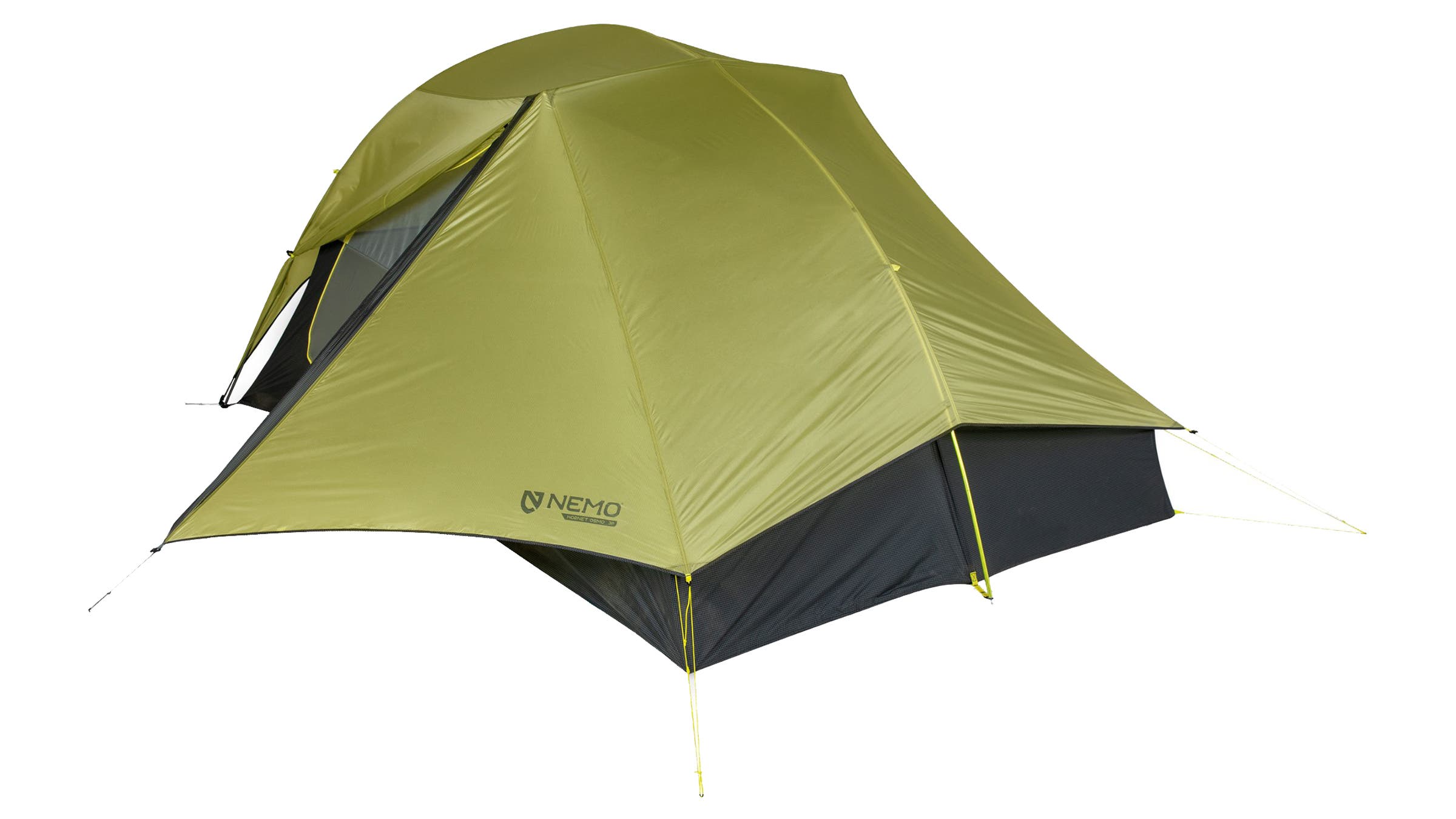
Best Space-to-Weight Ratio: NEMO Hornet OSMO 3
Weight: 3.3 lbs
Peak Height: 44 inches
Interior Space: 40 sq ft
Vestibule Space: 17 sq ft
Pros:
- Extremely lightweight for its capacity
- Utilizes sustainable materials
- Highly livable interior
- Compact packability
Cons:
- Limited interior storage space
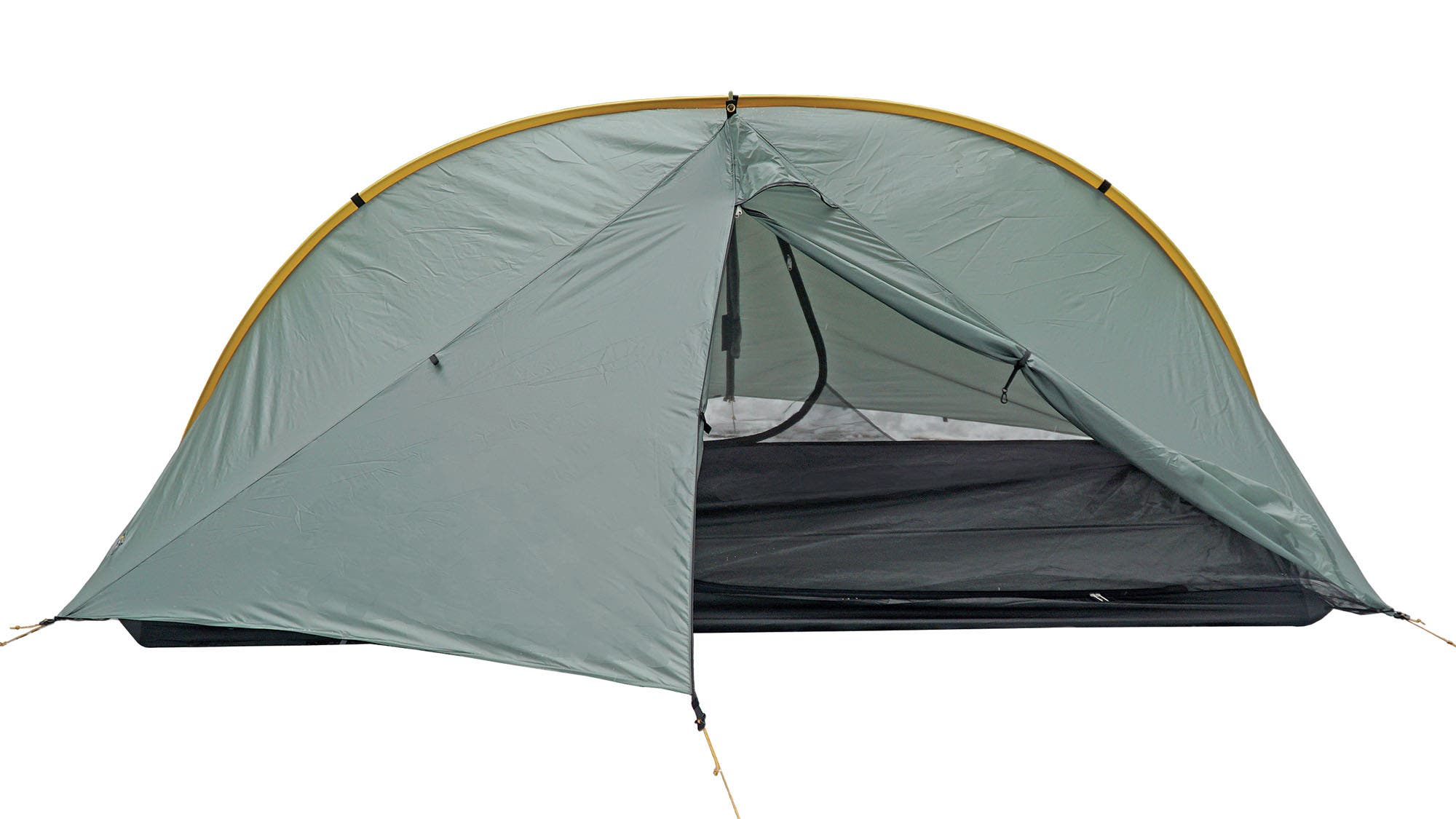
NEMO’s double-walled Hornet tent has always been a strong contender, but the three-person version elevates its performance. It achieves an exceptional space-to-weight ratio, adding 12 square feet of interior space for only 13 ounces more than its two-person counterpart, making it an attractive upgrade even for two-person expeditions.
At just over three pounds, the Hornet is easily manageable on long treks while providing ample room for three tall backpackers. It features a generous 44-inch peak height, 40 square feet of interior space, and an 88-inch length. The two 8.6-square-foot vestibules are adequately sized, with each capable of holding a large pack and boots, though storage for three substantial packs can be tight. The tent body compresses down to the size of a Nalgene bottle, and with only one hubbed pole, its packability is truly remarkable. A tester from Durango, Colorado, a Wilderness Medical Instructor, observed, "My 6’4" partner could lay down without hitting his head or feet on the ends of the tent. It was the roomiest, most comfortable backpacking tent he’s experienced."
This two-door tent is constructed from NEMO’s 100% recycled OSMO fabric, a proprietary blend of nylon and polyester that demonstrated resilience in inclement weather. Another tester reported, "It’s a three-season tent, but it still handled a surprise snowstorm with gusty winds around 25 miles per hour. I stayed dry and comfortable inside," during an experience on New Mexico’s 11,400-foot Mt. Taylor. Condensation was notably absent, even with three occupants, thanks to the three-quarter mesh body and pop-out vents.
Best Shoulder Season Shelter: MSR Hubba Hubba HD 2
Weight: 3.9 lbs
Peak Height: 40 inches
Interior Space: 32 sq ft
Vestibule Space: 16.5 sq ft
Pros:
- Exceptional durability
- Superior waterproofing
- Excellent ventilation
- Abundant interior organization and storage
Cons:
- Below-average peak height
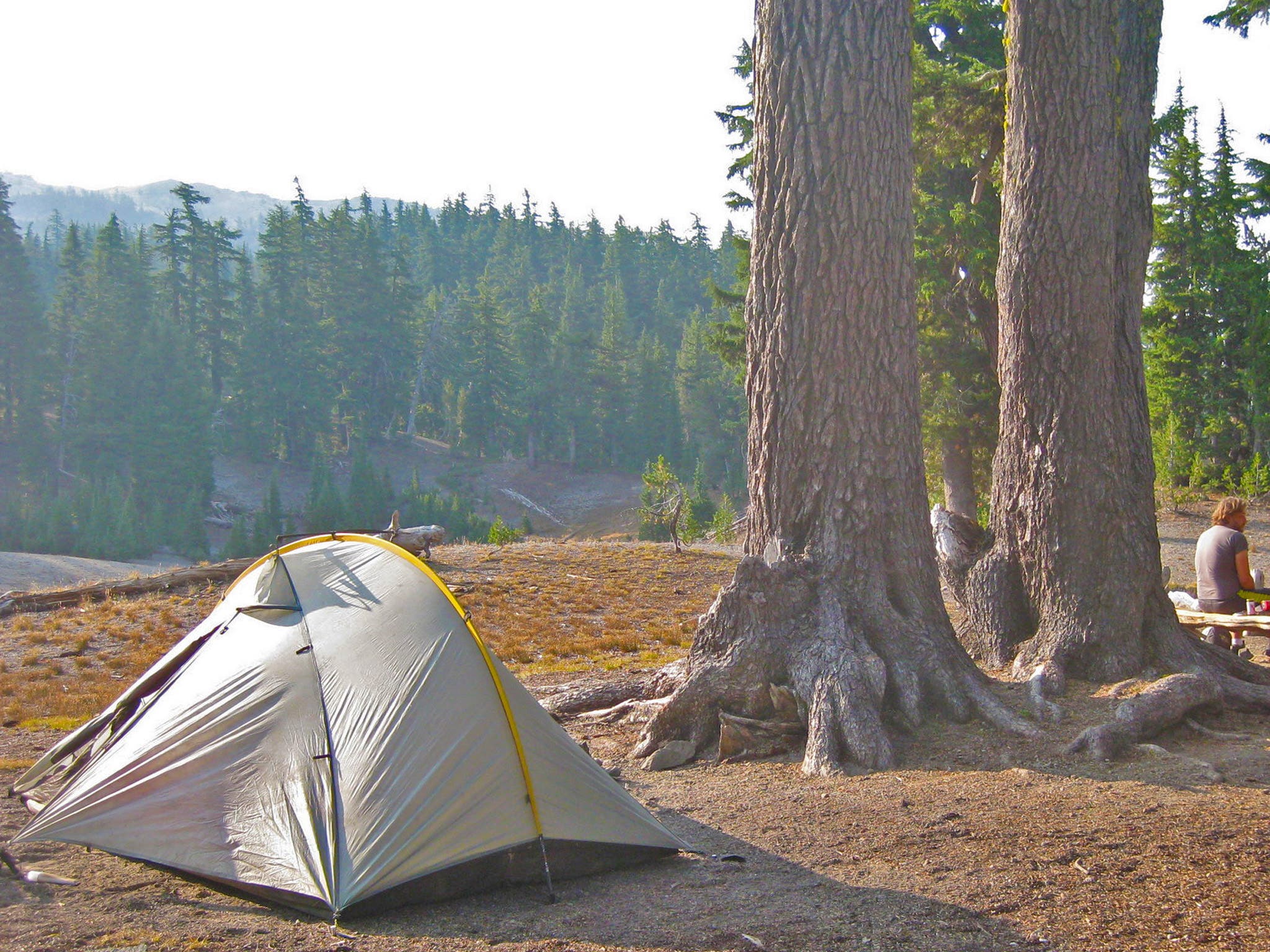
The MSR Hubba Hubba line has long been a favorite among testers for its balanced combination of weight, livability, and weather protection. The Hubba Hubba HD 2 refines this formula specifically for shoulder-season and high-elevation adventures, where weather can be unpredictable, temperatures drop, and winds are often fierce.
This double-walled tent features a reinforced, solution-dyed 20-denier ripstop nylon fly and tent body, paired with a 30-denier nylon floor. It also includes additional guy line attachments for enhanced stability. A key distinction from its lighter counterparts is the tent body’s construction, which is almost entirely solid fabric rather than mesh. "The tent body created a strong external barrier that really helped hold in heat," reported a tester after a four-day trek on the Teton Crest Trail in Grand Teton National Park. "My tent was significantly warmer than those of my friends, who were using all-mesh tents." Testers encountered heavy downpours without leaks, thanks to the HD model’s 3000-millimeter PU-coated fly. This robust fabric construction does add weight and reduces ventilation compared to the lighter Hubba Hubba LT model, but testers experienced only minimal condensation, attributed to four small corner windows that facilitate airflow.
Interior organization is a standout feature, with multiple long wall pockets, an overhead gear loft, and a side-loading stuff sack for easy packing. The interior space is identical to the LT model, offering a generous 32 square feet of living area. However, the peak height remains at a below-average 40 inches, though it still allows for comfortable sitting and changing. The tent packs down to approximately the size of one and a half paper towel rolls, which testers deemed acceptable given its robust construction and performance.
Other Backpacking Tents We Tested
KUIU Mountain Star 2 ($499): Testers appreciated the weather protection and stability of the Mountain Star 2, designed for extended trips in fall and early winter. However, livability was a concern for some, with a low peak height of 38 inches and a comparatively small 29 square foot interior space, which felt cramped for taller individuals.
NEMO Dragonfly 3 ($435): While larger than the NEMO Hornet 3p, the Dragonfly 3 is heavier and offers less vestibule storage. Testers found it livable and easy to set up, but ultimately concluded the Hornet provided a slightly better overall value for backpackers.
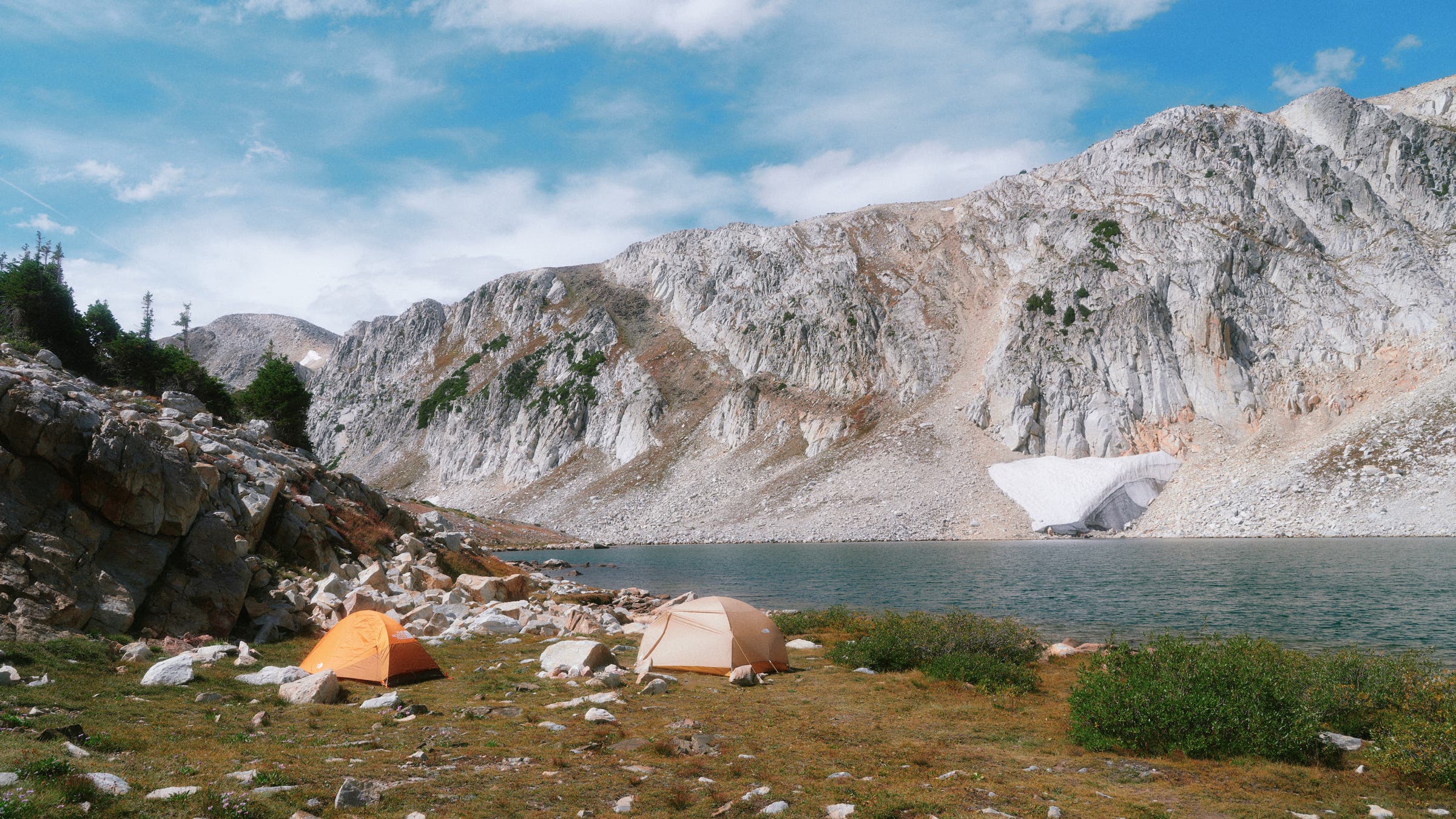
Mountain Hardwear Aspect 2 ($580): The Aspect received praise for its all-around performance, including its three-quarter mesh design which proved effective in dusty desert conditions, and its durable 40-denier floor construction suitable for rocky terrain. However, its limited storage, with less than 10 square feet of vestibule space, was a drawback for two people and their gear.
How to Choose a Three-Season Tent
Capacity, Size, and Vestibules
The initial consideration when selecting a tent is its capacity. Beyond the stated number of occupants, examine the interior square footage to ensure it meets your specific needs. For individuals over six feet tall, the tent’s length is crucial; a few extra inches can make a significant difference in sleeping comfort. Vestibule space is also a key factor, particularly for those who backpack in colder months and carry more gear.
Weight vs. Durability and Weatherproofing
The ideal tent strikes a balance between livability, weather protection, and durability, often at the cost of increased weight. Evaluate your typical hiking distances and comfort level with carrying weight. Some campers prioritize a larger floor plan and ample headroom, even if it means carrying a five-pound tent, while others opt for minimal weight, accepting some reduction in comfort.
When considering weatherproofing, assess the environments you most frequently visit. Campers in humid climates have different needs than those in arid, mountainous regions. Tents with all-mesh bodies offer superior ventilation in hot weather but provide less protection against wind, rain, and sand. For areas prone to heavy rain or severe weather, invest in tents with more robust, waterproof fabrics and stronger poles. Heavier floor materials, while adding weight, significantly enhance durability on abrasive ground.
Freestanding vs. Semi- vs. Non-Freestanding Designs
Tent pitching mechanisms are another important consideration. Freestanding tents utilize a pole structure for support and can be pitched on any surface without guylines, offering ease of setup but limited adaptability in challenging conditions. Semi- and non-freestanding tents, while employing poles (either structural aluminum or trekking poles), require guylines for stability. This necessitates more practice and skill but allows for greater flexibility in pitching and fitting into tight spaces. These designs typically weigh less due to fewer included poles.
A Pro Tip for Tent Buyers
Always investigate the return policies of retailers and manufacturers. The most accurate assessment of a tent’s suitability comes from using it in real-world conditions. Many stores and brands allow for the return of used products without penalty, providing a valuable opportunity to test a tent before committing to a purchase.
How We Tested Backpacking Tents
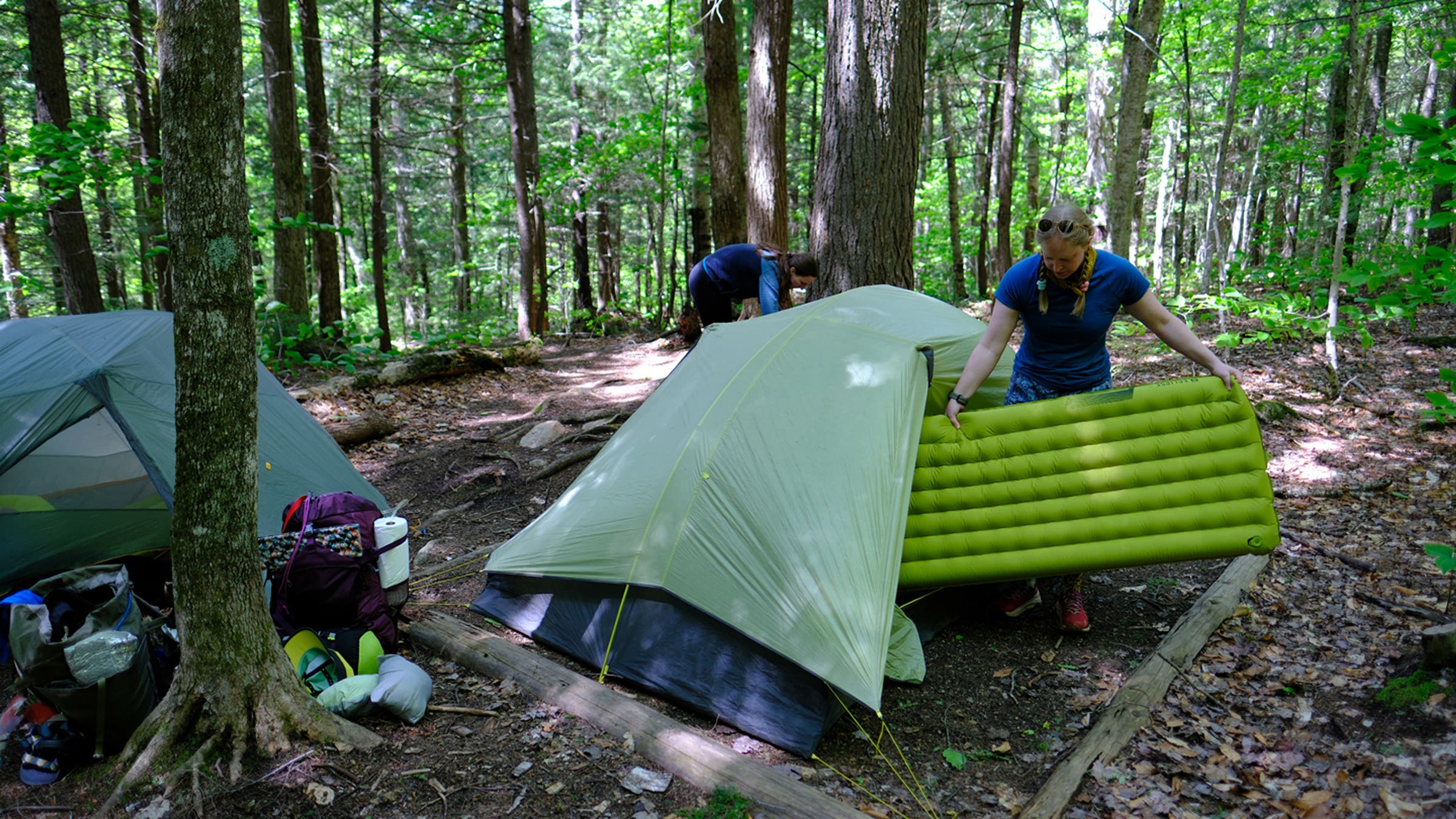
Our rigorous testing process involved a cross-country network of experienced testers. They deployed tents in diverse wilderness areas, from the mountains of Maine to the deserts of California, experiencing a range of temperatures and terrains, from near-freezing alpine environments to triple-digit desert heat. Our testers represent a variety of backgrounds, professions, and genders, including public school teachers and park rangers. Throughout the spring, summer, and fall months, they meticulously evaluated each tent based on criteria such as livability, ventilation, design ingenuity, weather resistance, ease of setup, and overall value, alongside less quantifiable, but equally important, intangible factors.
Meet Our Testers
Will McGough has been a fixture in the outdoor writing community since 2015, contributing to publications like Backpacker and Outside. He firmly believes that the most crucial aspect of a tent is the sense of comfort and security it provides, aiming to make users feel at home regardless of external conditions.
Dorn Van Dommelen brings three decades of experience in Alaska’s backcountry, coupled with a lifelong passion for backpacking that began in his childhood in Central Pennsylvania. His expeditions, whether in Denali National Park, the Talkeetna Mountains, or closer to home in Chugach State Park, are always accompanied by a comprehensive set of maps and a well-worn copy of Nietzsche’s Thus Spoke Zarathustra.
Mark Post serves as a Police Officer in the Town of Palisade, Western Colorado. His recreational pursuits focus on exploring the diverse landscapes of the Rocky Mountains, including the high country, where he actively tracks elk, bears, and deer.