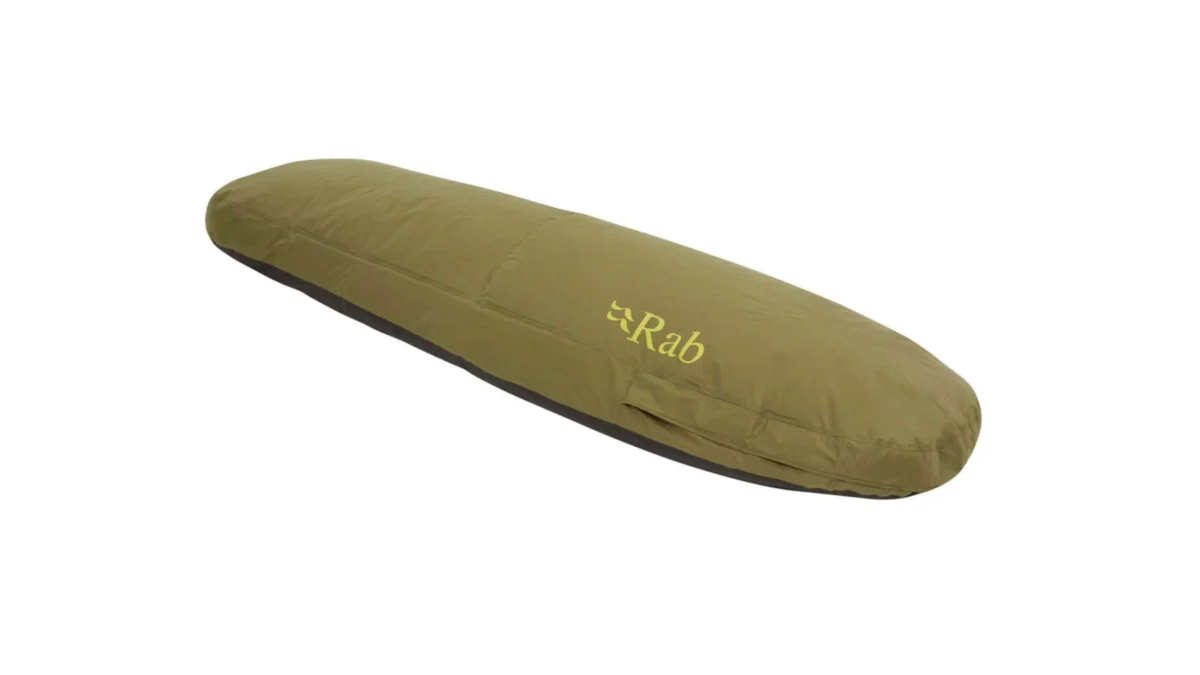
The evolution of backcountry shelter technology over the past two decades has largely left traditional bivy sacks behind in favor of ultra-lightweight, multi-wall tents. Modern backpackers and mountaineers typically prefer the expanded living space, easier entry, and improved ventilation found in standard tents. However, extreme alpine environments and deep-winter expeditions often demand alternative gear strategies where ounces translate directly to safety and efficiency. For minimalist adventurers who can manage the spatial constraints, the Rab Storm Bivy reintroduces the bivy sack as a formidable, highly weather-resistant option capable of enduring severe winter storms.
Recent retail promotions have brought renewed attention to this niche shelter category, with major outdoor outfitters listing the Rab Storm Bivy at $135—reflecting a 30 percent discount—and the lighter Rab Alpine Bivy at $182, marked down by 35 percent. These price points have triggered fresh discussions within the backpacking community regarding the viability of bivy sacks for modern winter mountaineering, ski touring, and fast-and-light alpine ascents.
Main Facts and Technical Specifications of the Rab Storm Bivy
Weighing in at 1 pound 3.3 ounces, the Rab Storm Bivy occupies a specific middle ground between emergency bivys—which are essentially glorified plastic sheets designed for survival situations—and full-fledged four-season mountaineering tents. The shelter is engineered around durability and weather defense, utilizing high-denier technical fabrics that distinguish it from fragile ultralight gear.
The upper assembly of the Rab Storm Bivy is constructed from a robust 40-denier polyurethane-coated nylon ripstop fabric. This material is specifically chosen to block driving snow, heavy rain, and abrasive high-altitude winds. Beneath the sleeper, the floor utilizes a heavier 70-denier fabric designed to resist punctures from ice crystals, sharp rocks, and frozen terrain while preventing ground moisture from seeping through under body weight.
With a footprint measuring 19.8 square years of floor space, the bivy is dimensioned to accommodate bulky, high-loft winter sleeping bags without compressing the insulation—a common flaw in narrower bivy designs that can lead to cold spots. Furthermore, the Rab Storm Bivy incorporates a strategic mesh panel protected by an overlapping storm flap secured with hook-and-loop closures. This feature addresses the traditional Achilles heel of bivy sacks: internal condensation. By allowing regulated airflow while blocking direct precipitation, the design minimizes moisture buildup during freezing nights.
Chronology and Evolution of the Bivy Sack in Modern Mountaineering
The bivy sack—short for bivouac sack—originated as a minimalist, waterproof cover designed to slide directly over a sleeping bag, eliminating the need for tent poles, stakes, and guylines. Throughout the mid-to-late 20th century, bivvies were standard issue for alpine climbers tackling vertical rock faces and emergency bivouacs where pitching a tent was physically impossible.
As synthetic fabric technology advanced in the 1990s and 2000s, manufacturers introduced breathable waterproof membranes like Gore-Tex to bivy construction, reducing the suffocating condensation issues that plagued early plastic and coated-nylon models. However, the explosive growth of lightweight tent design in the 2010s—driven by advanced siliconized nylons (silnylon) and carbon-fiber trekking-pole tents—overshadowed the bivy market. Tents offered vestibules for gear storage, sit-up room for stormy weather lock-ins, and vastly superior psychological comfort during extended trips.
By the mid-2020s, bivy sacks had largely been relegated to ultra-endurance trail runners, minimalist fastpackers, and hardcore winter mountaineers. The introduction of advanced air-permeable membranes, such as Pertex Shield Air, initiated a secondary evolution in ultralight shelter design. This led to products like the Rab Alpine Bivy, which shaves approximately 3 ounces off the weight of the Storm Bivy by utilizing a breathable 15-denier Pertex Shield Air upper paired with a 40-denier nylon bathtub floor. This evolution highlights a growing split in the outdoor market: while general backpackers embrace multi-person shelters, extreme winter specialists continue to demand hyper-specialized, single-person envelopes that can be anchored directly into snowpacks.
Comparative Data: Rab Storm Bivy Versus Alpine Bivy and Standard Shelters
Analyzing the utility of the Rab Storm Bivy requires examining its specifications against alternative shelter categories currently available on the market.
Traditional four-season mountaineering tents, while offering structural stability and ample interior volume, frequently tip the scales between 5 and 8 pounds. For a solo climber or ski mountaineer, carrying a four-season tent imposes a heavy physical penalty in terms of packed volume and energy expenditure. In contrast, the Rab Storm Bivy at 1.2 pounds allows an expedition member to drastically reduce pack weight, enabling faster movement through avalanche terrain and technical passes.
When compared to its sibling model, the Rab Alpine Bivy, the Storm prioritizes raw durability over absolute weight savings. While the Alpine Bivy achieves a lower weight profile through its 15D Pertex Shield Air upper, the Storm Bivy’s 40D upper and 70D floor provide an extra layer of defense against abrasive ice, jagged granite, and sustained high-velocity winds common on exposed ridgelines.
However, spatial metrics reveal inherent trade-offs. While a 19.8-square-foot floor is generous for a bivy, it lacks vertical headroom. Users cannot sit upright to cook meals, organize gear, or wait out a multi-day storm in comfort. In severe weather, occupants must remain horizontal, relying on stove attachments or pre-cooked rations.
Industry Responses and Expert Perspectives
Mountain guides and outdoor gear specialists offer nuanced perspectives regarding the resurgence of interest in technical bivy sacks. While few recommend them for casual weekend backpackers, winter specialists view them as indispensable tools for specific operational parameters.
"When you are operating above tree line in January, wind is your primary adversary," notes an alpine guide based in the Rocky Mountains. "A tent with a large surface area acts like a sail. In winds exceeding 50 miles per hour, pole failure is a constant risk. A low-profile bivy sack lays flat against the snow, effectively shedding wind energy. If you know how to anchor it properly with skis, ice axes, or deadmen anchors, it will hold fast in conditions that demolish standard three-season tents."
Conversely, wilderness educators emphasize the psychological toll of bivy camping. Claustrophobia remains the primary reason users abandon bivy sacks after a single trial. Being zipped entirely inside a waterproof envelope with minimal visibility can induce severe anxiety during prolonged storms. Manufacturers like Rab attempt to mitigate this by incorporating structured wire hoops or generous entry flaps, but the fundamental nature of the shelter remains restrictive.
Furthermore, thermal regulation requires careful management. Because bivy sacks rely entirely on the user’s body heat and sleeping bag insulation to stay warm, improper layering or damp base layers can rapidly compromise thermal efficiency in sub-zero environments.
Broader Impact, Market Implications, and Future Outlook
The current promotional pricing of the Rab Storm Bivy and Alpine Bivy at major outdoor retailers highlights a strategic shift in inventory management for specialized alpine gear. As supply chains fluctuate and consumer spending habits pivot toward multi-functional or ultra-specialized niches, manufacturers are discounting technical gear to capture dedicated subsets of the outdoor community.
The enduring appeal of the bivy sack points to a broader philosophical divide in outdoor recreation: the tension between comfort and minimalism. As ultra-endurance racing, fastpacking, and lightweight winter mountaineering gain popularity, the demand for hyper-minimalist gear is expected to persist. Designers are likely to continue refining air-permeable fabrics that balance high waterproof ratings with exceptional breathability, potentially solving the historical condensation problems that limited bivy adoption.
Ultimately, the Rab Storm Bivy is not designed for the casual camper seeking a comfortable wilderness retreat. It is a specialized, uncompromising survival tool engineered for mountaineers, winter backpackers, and alpinists who prioritize speed, low weight, and absolute weather resistance over interior living space. For those willing to accept its spatial and psychological limitations, the Rab Storm Bivy remains a reliable and protective shelter capable of withstanding the harshest elements the winter mountains can deliver.