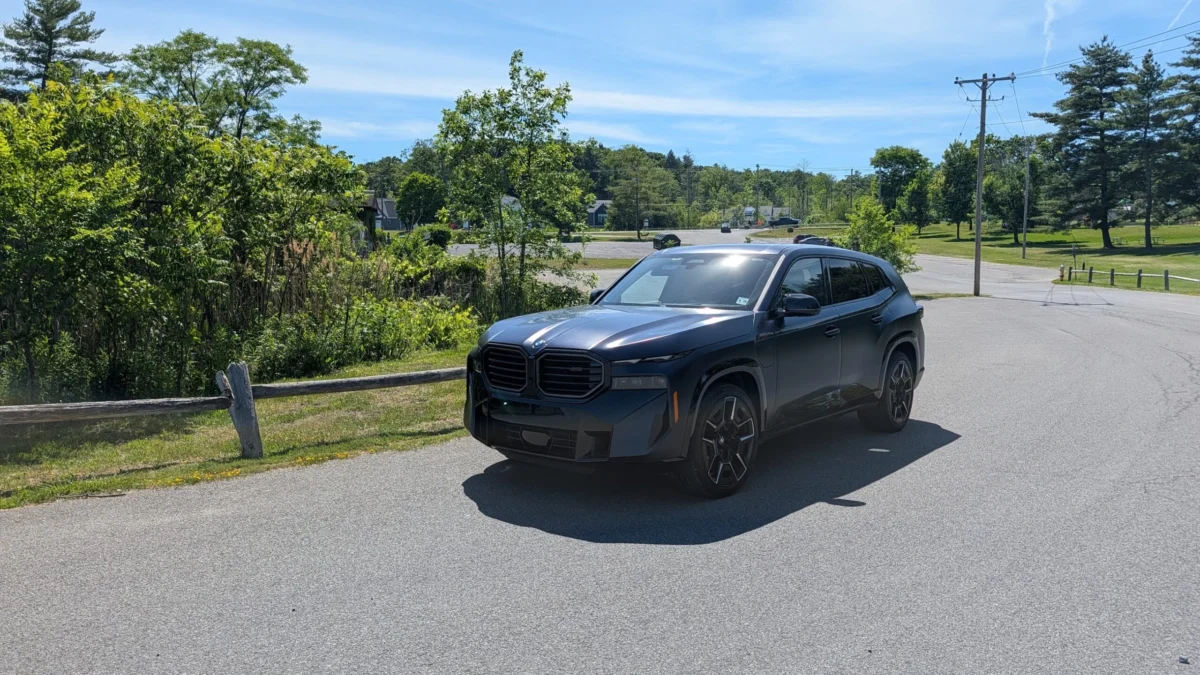
The automotive world is no stranger to polarizing designs, and the BMW XM has certainly ignited a fervent discussion since its inception. While some critics have pointed to its unconventional styling and position within BMW’s esteemed M division, a closer examination reveals a compelling argument for its existence as a logical, albeit ambitious, evolution from the iconic M5 sedan. The M5 has long been the benchmark for blending everyday practicality with exhilarating performance, a duality that the XM attempts to replicate in an entirely different, and arguably more challenging, segment: the high-performance SUV.
This analysis delves into the merits and drawbacks of BMW’s most divisive vehicle to date, exploring whether this bold new entrant can carve out its own identity and potentially even overshadow its illustrious sedan sibling in specific use cases.
Performance Prowess: A Straight-Line Rocket with Cornering Compromises
On paper, the BMW XM, particularly in its "XM Label" guise as tested, presents a formidable case for outright performance. The heart of this beast is a potent 4.4-liter BMW M TwinPower Turbo V-8 engine, augmented by an integrated electric motor, a plug-in hybrid powertrain that collectively unleashes a staggering 738 horsepower and an equally impressive 738 lb-ft of torque. This colossal output translates into breathtaking acceleration. Anecdotal evidence from driving the XM suggests that achieving highway speeds is an almost instantaneous affair, with the speedometer quickly becoming a cause for concern. The sheer force of acceleration is a testament to BMW M’s engineering prowess, demonstrating that electrification can indeed amplify traditional internal combustion engine performance to unprecedented levels.
However, the definition of performance extends beyond mere straight-line speed. Here, the XM’s SUV architecture begins to reveal its limitations when directly compared to a lower-slung, more dynamically focused sedan like the M5. The XM’s significantly larger dimensions, increased weight, and taller stance are palpable, particularly when navigating winding roads. The absence of air suspension, a feature often found in luxury SUVs of this caliber, exacerbates noticeable body roll during spirited cornering. While BMW has clearly strived to imbue the XM with M-level handling dynamics, the laws of physics dictate that a vehicle of its size and weight will inherently exhibit different characteristics than a finely tuned sports sedan. Despite these challenges, it’s crucial to acknowledge that the XM’s handling remains remarkably composed and capable for an SUV of its stature, a credit to the advanced M xDrive all-wheel-drive system and the M Sport Differential.
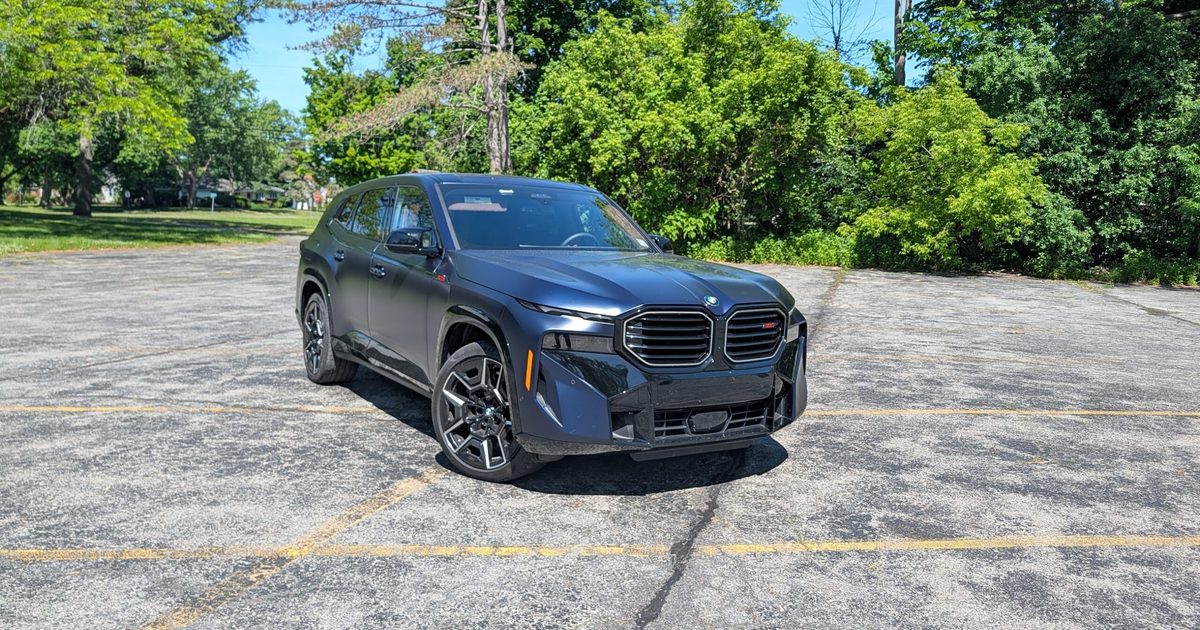
For drivers whose primary concern is a vehicle that can seamlessly transition from daily commuting to track-day dominance, the M5 likely retains its crown. The XM can certainly be taken to the track, and its presence of a "violent" sport mode further underscores its performance aspirations. However, the sheer physicality of the XM, its size and mass, serves as a constant reminder of its inherent limitations in such demanding environments. This encourages a more measured approach, particularly on challenging and technical circuits where the M5’s agility and nimbleness would undoubtedly offer a superior experience. The author’s experience ripping through the Catskills, while reportedly fun, also highlighted this inherent constraint, with the XM’s overall dimensions prompting a degree of caution in more demanding sections.
The XM’s Reign on the Open Road: A Long-Distance Champion
Where the XM truly begins to differentiate itself and stake its claim is in the realm of long-distance comfort and touring. A direct comparison to a previous road trip in a 2025 BMW M5 underscores this point vividly. A lengthy journey from Albany, NY, to Long Island for an event called "The Bridge" left the author feeling the physical toll of the M5’s performance-tuned chassis. While the M5 excels in delivering an engaging driving experience, its ride quality is decidedly firm, making extended periods behind the wheel a less than luxurious affair.
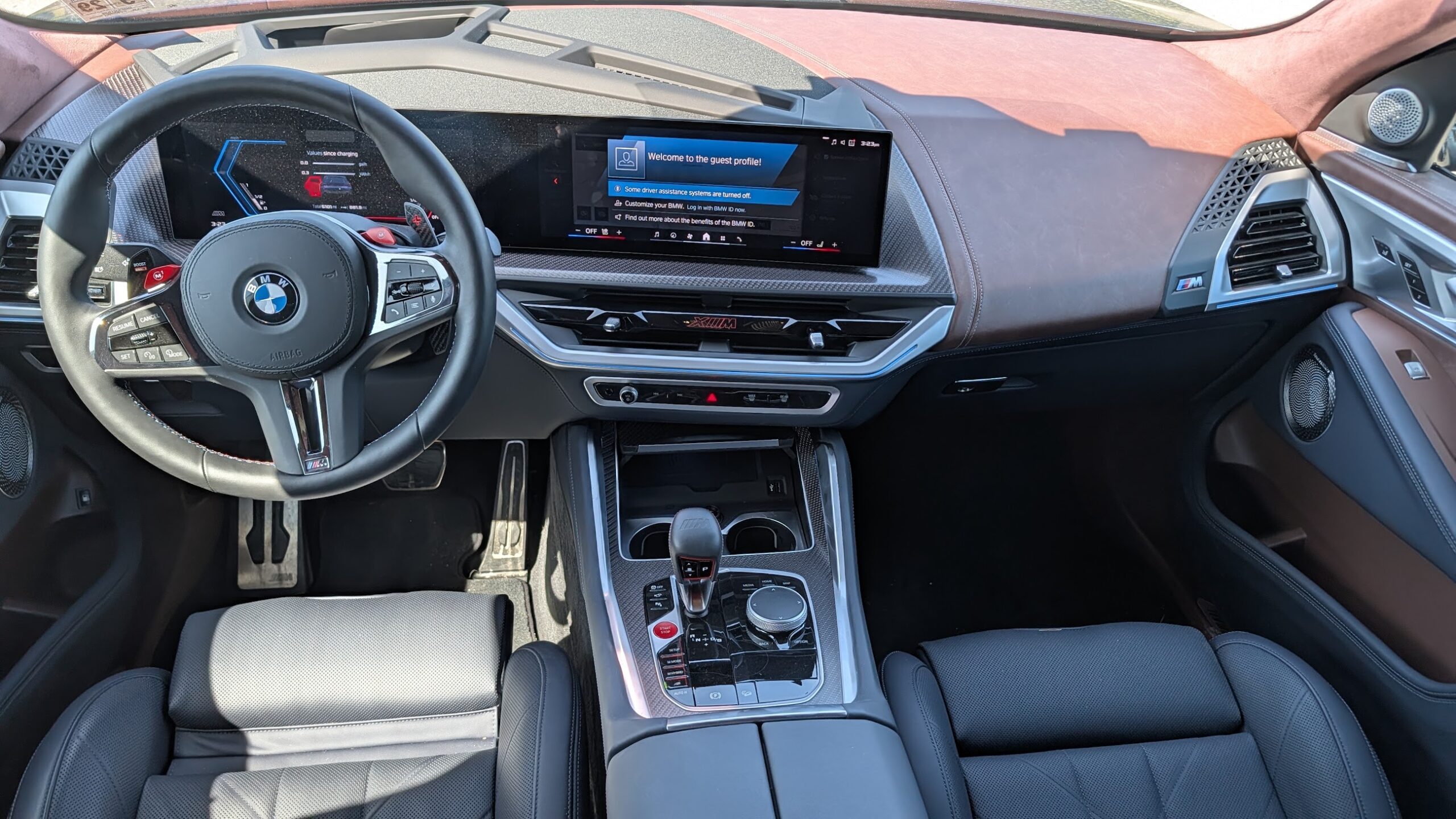
In stark contrast, the BMW XM transforms the concept of a long-distance drive. It embodies the comfort and refinement expected from BMW’s more mainstream SUV offerings, while simultaneously delivering a potent performance package. At highway speeds, the XM glides with an effortless smoothness, a hallmark of BMW’s engineering. The interior is a sanctuary of luxury, featuring meticulously crafted materials and an array of amenities designed to pamper occupants. Vented and heated massage seats actively combat fatigue, ensuring that even the longest journeys feel less taxing on the body. The elevated driving position also contributes to a more relaxed and ergonomic experience compared to the more ingress/egress challenges presented by a lower-slung sedan.
The trade-off for this elevated comfort and performance is, predictably, fuel economy. The XM’s fuel consumption, particularly when driven with enthusiasm, is not for the faint of heart or the budget-conscious. However, for those prioritizing the unique blend of blistering performance and supreme long-distance comfort, this is a justifiable compromise. The need for more frequent fuel stops is a minor inconvenience when weighed against the overall pleasure of traversing hundreds of miles in such a refined and powerful machine. The XM, in this context, emerges as a supremely capable and enjoyable grand tourer, a role that the M5, with its uncompromising focus on sportiness, is less suited to fulfill.
Practicality Unveiled: More Than a Sedan, But Not a Traditional Large SUV
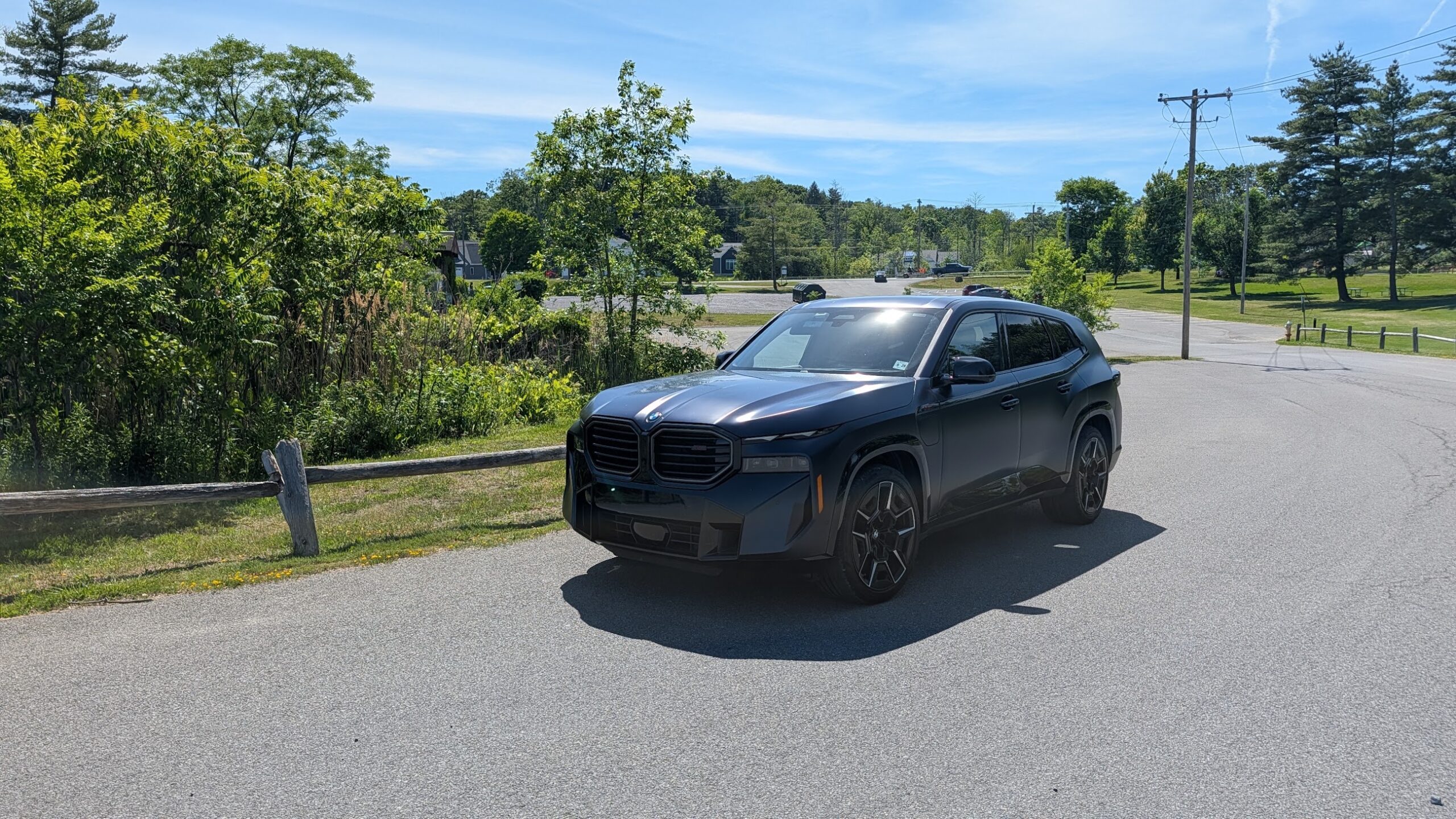
The practicality quotient of the BMW XM is a significant point of discussion, especially when juxtaposed with the M5. As a two-row, full-sized SUV, the XM offers a substantial increase in utility over a traditional sedan. It boasts 18.6 cubic feet of cargo space with the rear seats in their upright position, expanding to an impressive 64.3 cubic feet when the rear seats are folded down. While these figures may not place it at the pinnacle of the large SUV segment, they represent a considerable advantage for carrying luggage, groceries, or recreational equipment compared to the M5’s more constrained trunk volume.
Furthermore, the XM’s 8.7 inches of ground clearance is a notable asset, offering a greater degree of confidence when traversing uneven terrain or encountering obstacles that would give a lower-slung sedan like the M5 pause. The M5’s ground clearance, typically less than five inches, necessitates a vigilant approach to driveways, speed bumps, and elevated curbs to avoid scraping the front splitter. This increased ride height, coupled with the M xDrive All-Wheel-Drive System and M Sport Differential, equips the XM for light off-road excursions, adding another layer of versatility to its practical appeal. This capability, however modest, broadens its usability beyond paved roads, a domain where the M5 is strictly confined.
The XM’s Identity Crisis: Navigating a Crowded BMW Lineup
Despite its impressive specifications and unique proposition, the BMW XM faces its most significant challenge not from external competitors, but from within its own esteemed manufacturer’s lineup. The XM is undoubtedly a capable performance SUV, but its struggle to unequivocally shine in a stable brimming with exceptional vehicles is a valid observation.
For buyers seeking a well-rounded SUV that excels in most aspects, the BMW X5 often emerges as a more sensible and arguably more universally appealing choice. Its blend of comfort, technology, and performance, while perhaps not reaching the extreme heights of the XM, offers a more balanced package for a wider range of consumer needs.
When considering a performance-oriented SUV, the BMW X7, particularly in its M60i guise, presents a compelling alternative. It offers significantly more interior space and luxury appointments than the XM, often at a comparable or even lower price point, while delivering a remarkably sporty driving experience. The X7 M60i demonstrates that BMW can achieve exceptional performance in a larger SUV format without necessarily resorting to the XM’s radical design language or unique powertrain configuration.
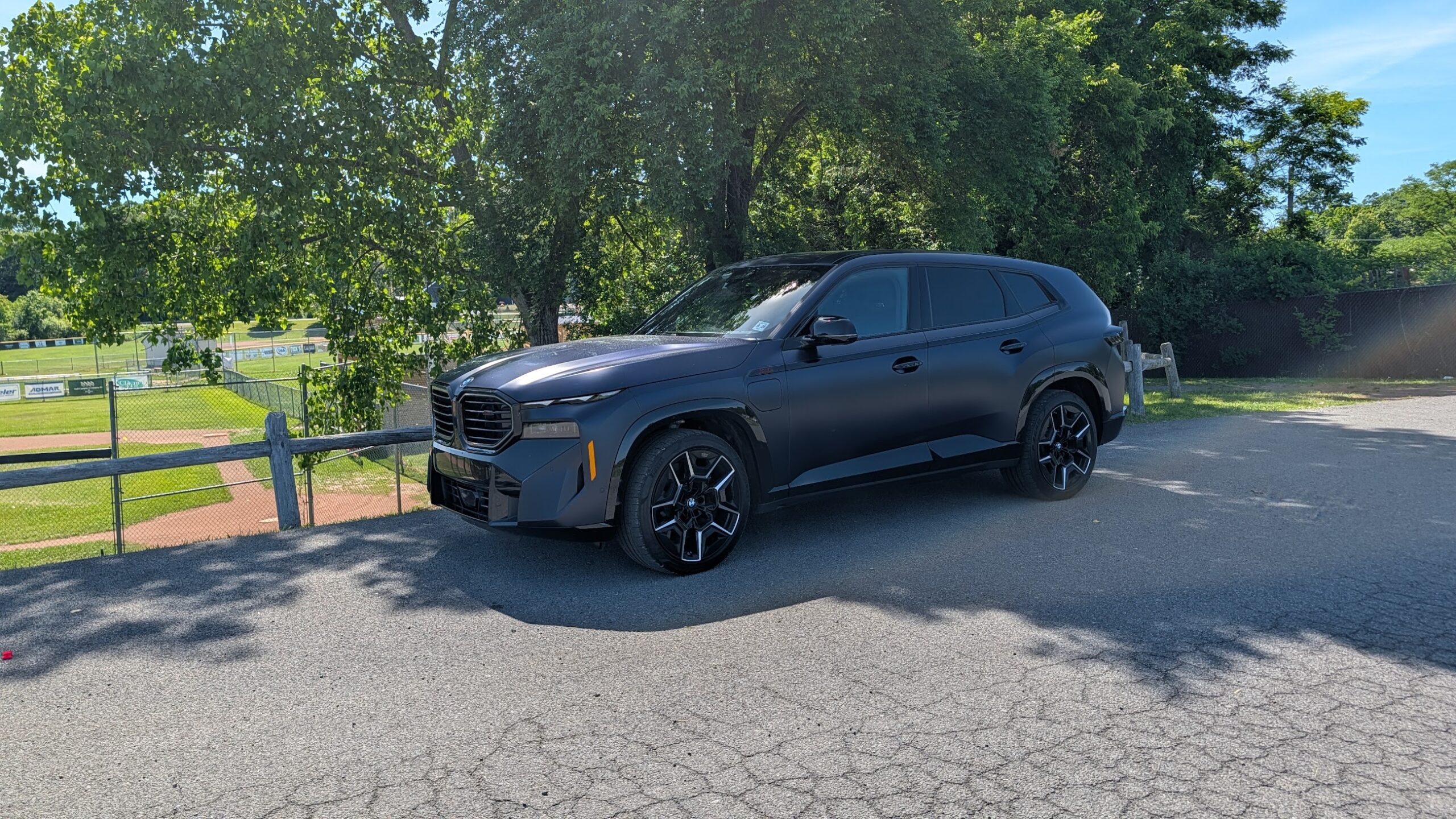
For the purists and those whose primary focus remains on unadulterated performance, the classic M3 and M5 sedans continue to represent the pinnacle of BMW’s driver-focused engineering. These vehicles offer a more direct connection to the road, superior handling dynamics, and a legacy of motorsport pedigree that the XM, by its very nature as an SUV, cannot fully replicate.
The existence of the XM can be understood as BMW’s exploration of an emerging niche: a high-performance, plug-in hybrid SUV with a bold and distinctive aesthetic. While the individuals who opt for the XM are unlikely to be disappointed with its capabilities, its position in the market is undeniably expensive and somewhat isolated. It occupies a space where its unique attributes are highly specific, and where other BMW models, with their established strengths and broader appeal, often present more compelling options for a wider spectrum of discerning drivers. The question remains whether this niche will expand sufficiently to justify the XM’s long-term strategic importance within the BMW M portfolio.
Technical Specifications of the Reviewed BMW XM Label:
Pricing & Packages:
- Base MSRP: $159,600.00
- Total Suggested Retail Price: $163,275.00 (including $1,175.00 destination charge)
- Added Options: M Driver’s Package ($2,500.00)
Performance & Drivetrain:
- Engine: 4.4-Liter BMW M TwinPower Turbo V-8 (32-valve) with cross-bank exhaust manifold and integrated electric motor (Plug-In Hybrid)
- Transmission: 8-Speed M Steptronic automatic transmission with Drivelogic and Launch Control
- Drivetrain: M xDrive All-Wheel-Drive System with M Sport Differential
- Chassis & Handling: Adaptive M Suspension Professional, Active Roll Stabilization, and Integral Active Steering
- Brakes: M Compound 4-wheel ventilated anti-lock disc brakes (ABS) with cross-drilled rotors and black calipers
Fuel Economy & Range:
- Combined Fuel Economy: 47 MPGe (Electricity + Gasoline) / 14 MPG (Gasoline only)
- All-Electric Range: Up to 29 miles
- Charging: Complete charge in approximately 2 hours at 240V (Flexible Fast Charger and NEMA 5-15/14-50 adapter bundle included)
Exterior & Interior Styling:
- Exterior Color: Frozen Tanzanite Blue Metallic
- Interior Upholstery: Night Blue with Vintage Coffee leather upholstery
- Trim & Accents: Carbon Fiber M Signature interior trim, leather dashboard, extended Shadowline trim, and an illuminated kidney grille
- Wheels: 22-inch M Dual-Spoke Bicolor 922M wheels
- Exhaust: Vertical quad exhaust system
Comfort & Convenience:
- Seating: Multi-function front seats with lumbar support, massage, ventilation, and heating; heated rear seats; exclusive M Lounge configuration in the rear
- Climate Details: Heated front armrests and steering wheel, alongside heated and cooled cup holders
- Doors: Soft-close automatic doors and Comfort Access keyless entry
Audio & Connectivity:
- Sound System: Bowers & Wilkins Diamond Surround Sound System
- Interface: BMW Curved Display running iDrive 8.5, featuring Live Cockpit Pro with navigation
- Smart Tech: Apple CarPlay and Android Auto compatibility, Digital Key Plus, and Personal eSIM 5G connectivity
Safety & Driver Assistance:
- Driving Assistant Professional: Includes Highway Assistant (limited term), Traffic Jam Assistant, and Active Cruise Control with Stop & Go
- Parking Assistance: Parking Assistant Plus with Surround View 3D cameras and Park Distance Control
- Security & Recording: Drive Recorder and BMW Assist eCall