The upcoming release of watchOS 27, scheduled for public distribution next week, marks a significant milestone in the evolution of the Apple Watch platform. As Apple prepares to roll out this major software update, the company has officially confirmed the feature set that will define the user experience for millions of current Apple Watch owners. This update arrives in the wake of the recent debut of the Apple Watch Series 12 and the Apple Watch Ultra 4, devices that have introduced groundbreaking hardware capabilities, including a redesigned Health Sensing System and improved silicon architecture. While the latest hardware sets a new standard for internal processing and health monitoring, watchOS 27 ensures that legacy devices remain competitive by bridging the gap between existing hardware and the latest advancements in artificial intelligence and system efficiency.
A New Era of Intelligence on the Wrist
The cornerstone of the watchOS 27 update is the deep integration of Apple Intelligence, the company’s suite of generative AI tools. By bringing these capabilities to the wrist, Apple is shifting the focus of the Apple Watch from a notification-centric device to a proactive, context-aware companion. Siri has undergone a fundamental transformation, utilizing on-device machine learning to provide more nuanced responses and execute complex tasks without needing to offload data to the cloud. This enhancement is designed to reduce latency significantly, allowing users to interact with their devices more naturally while maintaining stringent privacy standards.
Beyond the interface, Apple Intelligence is now woven into the core of the watchOS ecosystem. Apps across the platform are being updated to leverage these new APIs, enabling smarter predictive text, context-aware summaries, and improved categorization of information. This is particularly relevant for the Apple Watch, where screen real estate is limited; by summarizing long messages or distilling complex health data into actionable insights, watchOS 27 aims to provide the right information at the exact moment it is needed.

Chronology of the watchOS 27 Launch
The journey toward watchOS 27 began earlier this summer during Apple’s Worldwide Developers Conference (WWDC), where the company first teased the integration of advanced AI features for wearables. Throughout the summer, developers and public beta testers provided feedback on the stability of the software, leading to a refined candidate build.
The timeline for the release follows a pattern established by previous major software cycles:
- Early June 2026: Initial announcement at the keynote, highlighting the focus on health sensing and AI integration.
- July–August 2026: Extensive beta testing period to optimize battery performance and memory management across various watch generations.
- September 9, 2026: Official unveiling of the Apple Watch Series 12 and Ultra 4, with confirmation that watchOS 27 would be the factory-installed operating system for these devices.
- Mid-September 2026: The scheduled public launch for all compatible Apple Watch models, ranging from the Series 6 and newer to all generations of the Apple Watch Ultra and SE.
Enhancements to Health and Wellness
Cycle Tracking has received a comprehensive update in watchOS 27, reflecting Apple’s ongoing commitment to reproductive health. The update introduces more granular data entry options and improved predictive analytics, which utilize the watch’s advanced sensor suite to offer more accurate windows for fertility and cycle health. By cross-referencing historical data with real-time vitals—such as wrist temperature and heart rate variability—the software provides a more holistic view of the user’s physiological state.
This focus on health is complemented by broader system improvements aimed at optimizing background processes. Engineers have spent significant time refining how the operating system handles background tasks, particularly for high-intensity apps that rely on real-time data streaming. Users can expect improved power efficiency, which is critical for those who rely on the Apple Watch for long-duration activities or continuous sleep monitoring.
Evolution of the User Interface: Smart Stacks and Faces
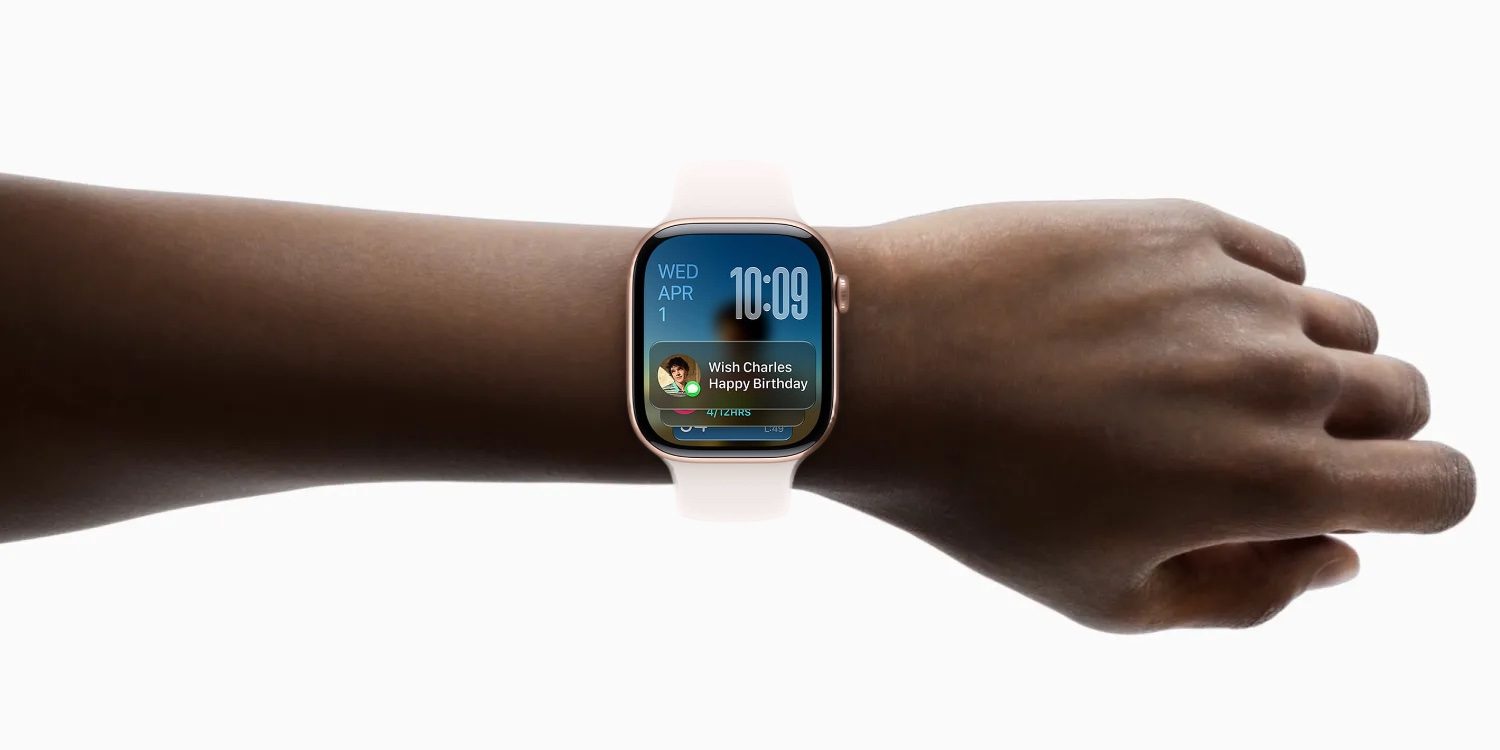
The Smart Stack feature, which debuted in previous versions of watchOS, receives a major functional upgrade in this release. In watchOS 27, the stack becomes more dynamic, using machine learning to surface widgets based on location, time of day, and historical usage patterns. For instance, a user arriving at a transit station will automatically see their digital ticket widget, while a user starting their morning routine will be presented with weather updates and their first calendar appointment.
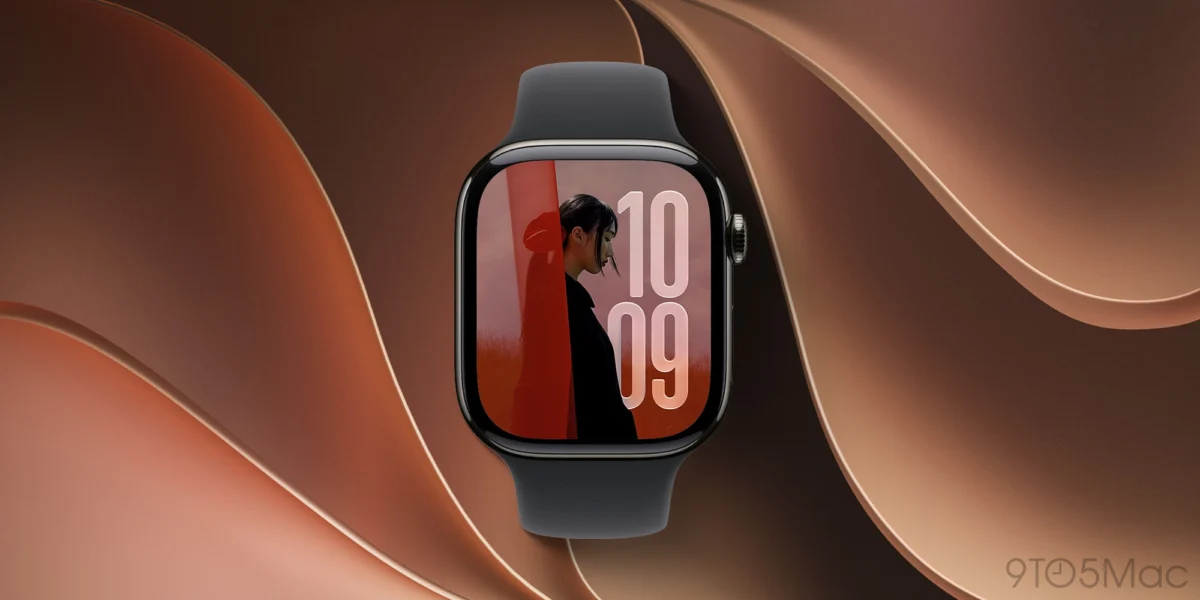
Watch faces also remain a focal point of personalization. The update includes new design options that take advantage of the high-refresh-rate displays found on the latest models. These faces are not merely aesthetic; they are designed to be information-dense, allowing for more complications to be displayed simultaneously without cluttering the interface. The typography and color palettes have been overhauled to improve legibility under direct sunlight, a direct response to feedback from users of the Ultra line of devices.
Implications for the Ecosystem
The release of watchOS 27 serves as a strategic move to extend the lifespan of older devices. By optimizing the operating system to run efficiently on older processors, Apple is addressing concerns regarding planned obsolescence. However, some advanced features, specifically those requiring high-compute Apple Intelligence, will naturally perform better on the Series 12 and Ultra 4 due to the inclusion of the latest neural engine processors.
Industry analysts suggest that this strategy is intended to sustain high attachment rates for the Apple Watch. By providing significant software value even to those who do not upgrade to the latest hardware, Apple maintains a strong user base that is deeply integrated into the ecosystem. The move toward on-device AI also aligns with the broader industry trend of prioritizing data privacy, as fewer user requests are processed on external servers.

Security and Performance Standards
As with all major software updates, watchOS 27 includes critical security patches. Apple has underscored that the security architecture of the watch has been hardened against potential exploits, reinforcing the device’s role as a trusted endpoint for authentication and health tracking. Users are encouraged to review the security documentation provided on Apple’s support portal, which details the specific vulnerabilities addressed in this iteration.
It is important to note that while the update promises improved features, the impact on battery life remains a variable. Apple has cautioned that performance can fluctuate depending on the specific model and the age of the device’s battery. The company recommends that users ensure their devices have sufficient charge before initiating the update and encourages them to consult the official support pages if they experience unexpected battery drain during the first few days of use, as the system often performs background indexing immediately after installation.
Looking Ahead
As the ecosystem continues to evolve, the distinction between the hardware and software experience is becoming increasingly blurred. With watchOS 27, Apple is demonstrating that the future of the wearable category lies not just in better sensors, but in the intelligence of the operating system. Whether through the more natural interactions offered by the upgraded Siri or the intuitive data presentation of the Smart Stack, the update represents a significant leap forward in usability.
For developers and third-party app creators, this update provides a new toolkit to build more complex, AI-driven experiences. The potential for apps to react to a user’s environment in real-time opens up new possibilities for navigation, productivity, and health management. As the public release date approaches, the excitement among the tech community is palpable, with many eager to see how these software improvements will translate to their daily routines.

For those considering an upgrade, the combination of the new hardware in the Series 12 and the software maturity of watchOS 27 presents a compelling case for investment. However, for the millions of current users, the update serves as a powerful reminder that their existing devices remain capable, relevant, and increasingly intelligent. As Apple continues to push the boundaries of what is possible on the wrist, watchOS 27 stands as a testament to the power of iterative, software-led innovation in the wearable space.