The technology sector has long watched Apple refine its flagship smartwatch lineup, moving incrementally through iterative design shifts. However, the release of the Apple Watch Ultra 4 marks a distinct turning point for the Cupertino-based tech giant, introducing the most substantial internal hardware overhaul the Apple Watch series has experienced since its inception. Designed specifically for endurance athletes, outdoor enthusiasts, and power users, the Ultra 4 introduces a revamped optical heart rate sensor, advanced on-device audio intelligence features, expanded battery profiles, and a dynamic Readiness Score system that places Apple in direct competition with dedicated fitness ecosystems like Garmin, Whoop, and Oura.

Background Context and Evolution of the Ultra Series
Since Apple first launched the Ultra line to capture market share from specialized rugged sports watch manufacturers, consumers and critics alike have praised its robust titanium chassis, bright display, and extended battery life. Yet, software limitations and physiological tracking depth often kept dedicated triathletes and ultramarathoners tethered to rival brands. With the Apple Watch Ultra 4—tested alongside the companion Apple Watch Series 12—Apple has systematically addressed these gaps.
The device is anchored by the new S11 chipset, which incorporates architectural advancements derived from the A20 Pro chips found in the iPhone 18 Pro lineup. This silicon upgrade enables a secure audio processing exclave within the chip, facilitating localized, on-device audio intelligence capabilities without compromising user privacy or requiring a constant connection to a companion iPhone. Furthermore, the hardware foundation requires an iPhone 11 or newer running iOS 27, ensuring deep ecosystem integration while setting clear boundaries for legacy device compatibility.
Hardware Innovations and Battery Performance
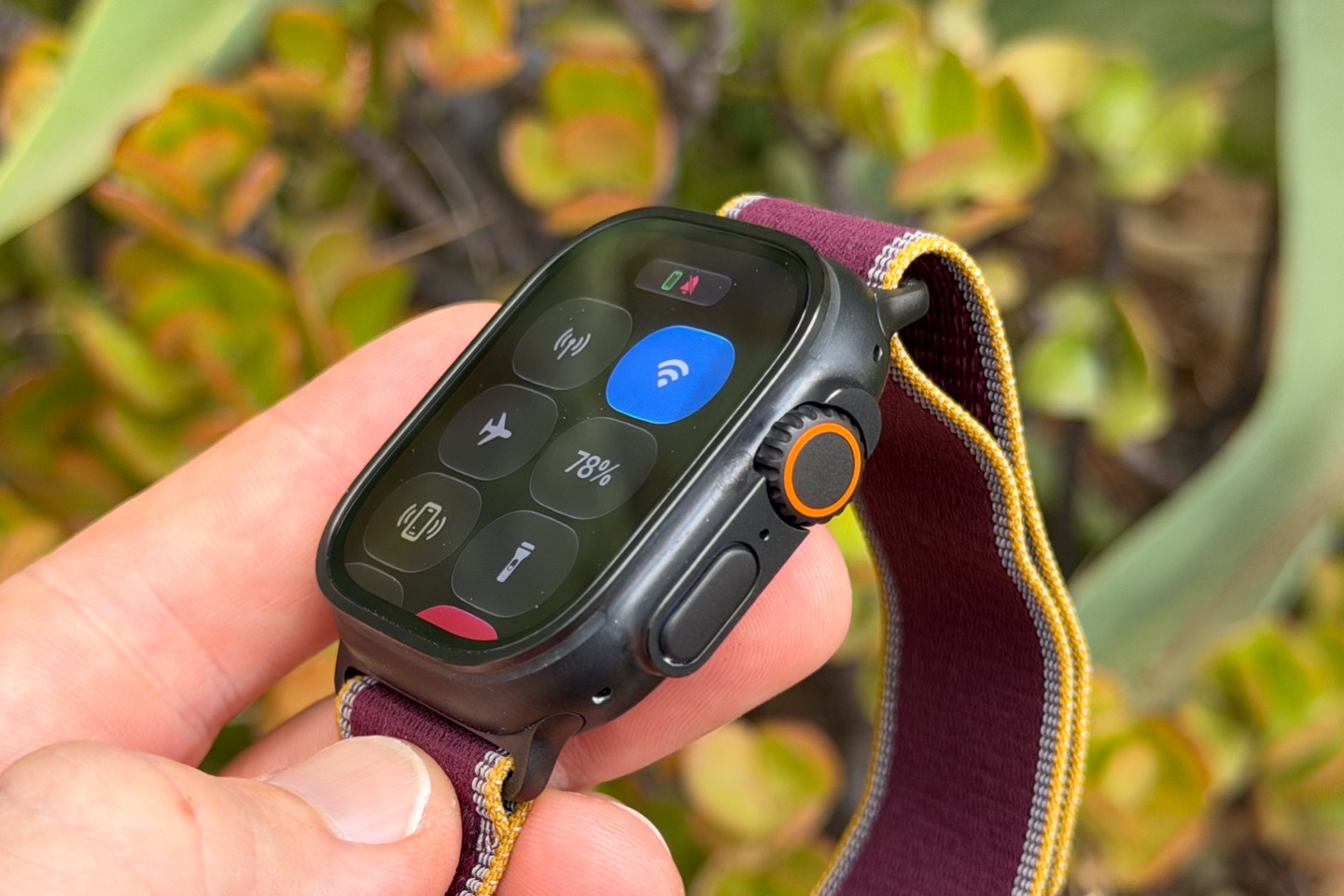
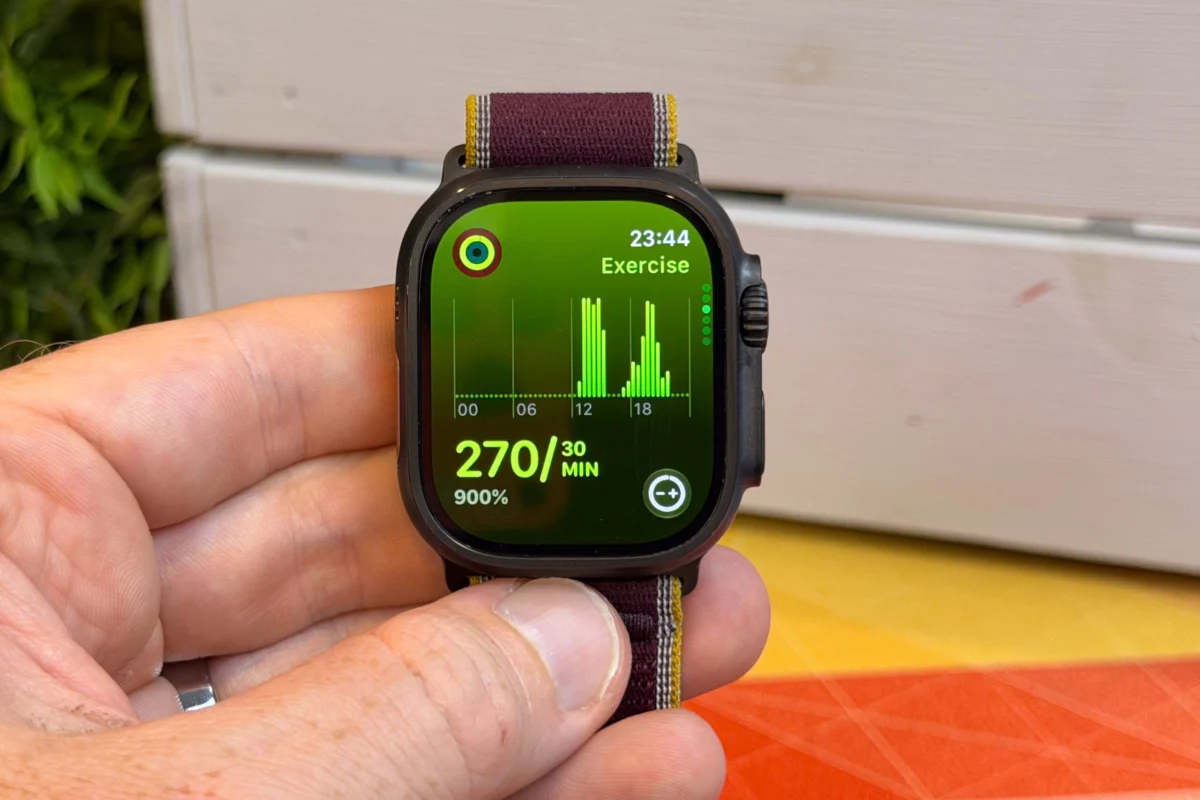
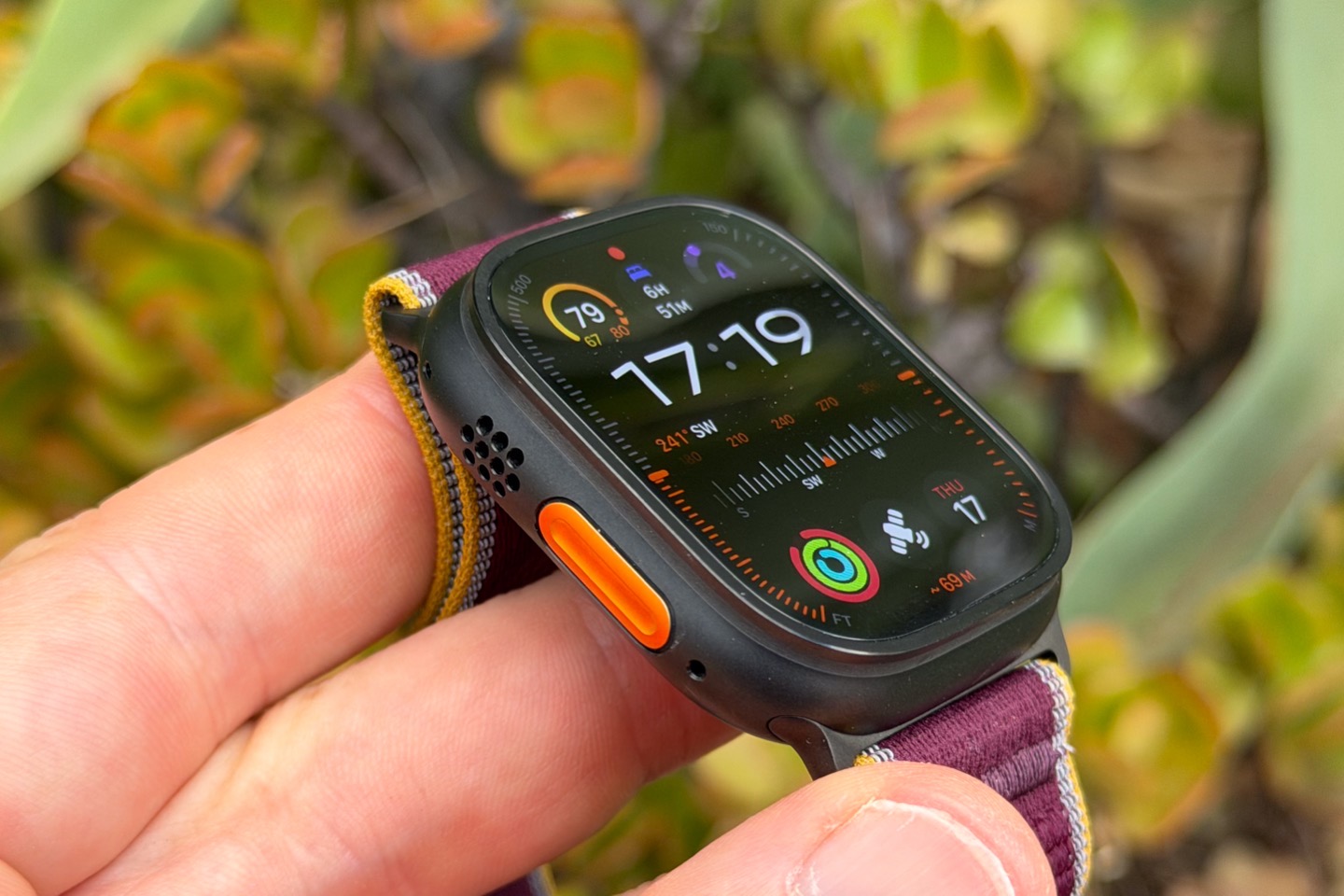
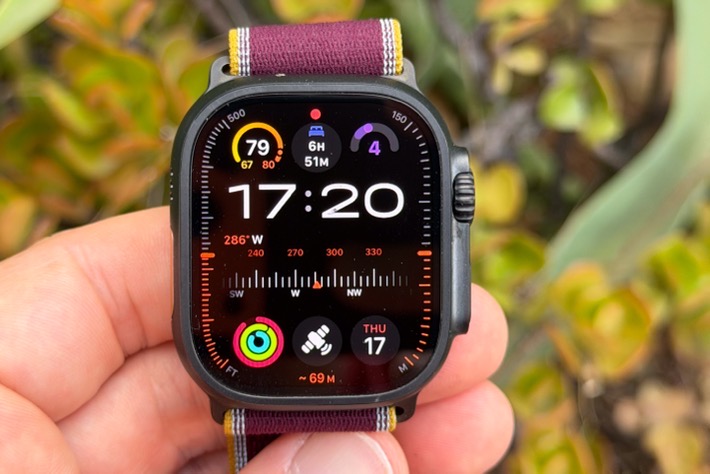
Externally, the Apple Watch Ultra 4 maintains the familiar aesthetic of its predecessor, utilizing a 1.98-inch sapphire crystal display capable of a blistering 3,000 nits of peak brightness in direct sunlight, while dynamically scaling down to a dim 1 nit in dark environments. The physical interface remains anchored by three customizable controls: the Digital Crown, the side button for system controls, and the signature high-visibility orange Action Button on the left flank, which can be programmed to launch workouts, record laps, or execute custom shortcuts.
Beneath the surface, however, hardware engineers have overhauled power management and sensor architecture. The Ultra 4 officially delivers a standard battery life exceeding two days, translating to approximately 50 hours of mixed usage under normal conditions. For endurance athletes, Apple has introduced two notable power-saving configurations:
- Extended Mode: Pushes GPS battery life to 25 hours by disabling the always-on display and running form metrics, while batching cellular operations.
- Max Extended Mode: Delivers up to 45 hours of continuous GPS workout tracking while maintaining a standard 1-second multi-band GPS update rate and 5-second heart rate recording intervals, though the on-screen metrics display shifts to a 5-minute rolling average and disables custom workout alerts and splits.
Charging capabilities have also been optimized. Through a combination of redesigned internal algorithms and minor hardware tweaks within the charging cable, the device can achieve an 80 percent charge in 45 minutes and a full 100 percent in 75 minutes. Notably, a rapid 15-minute charge provides up to 18 hours of normal use, while a 5-minute quick charge yields enough power for 10 hours of sleep tracking.
The New Optical Heart Rate Sensor and Clinical Scrutiny
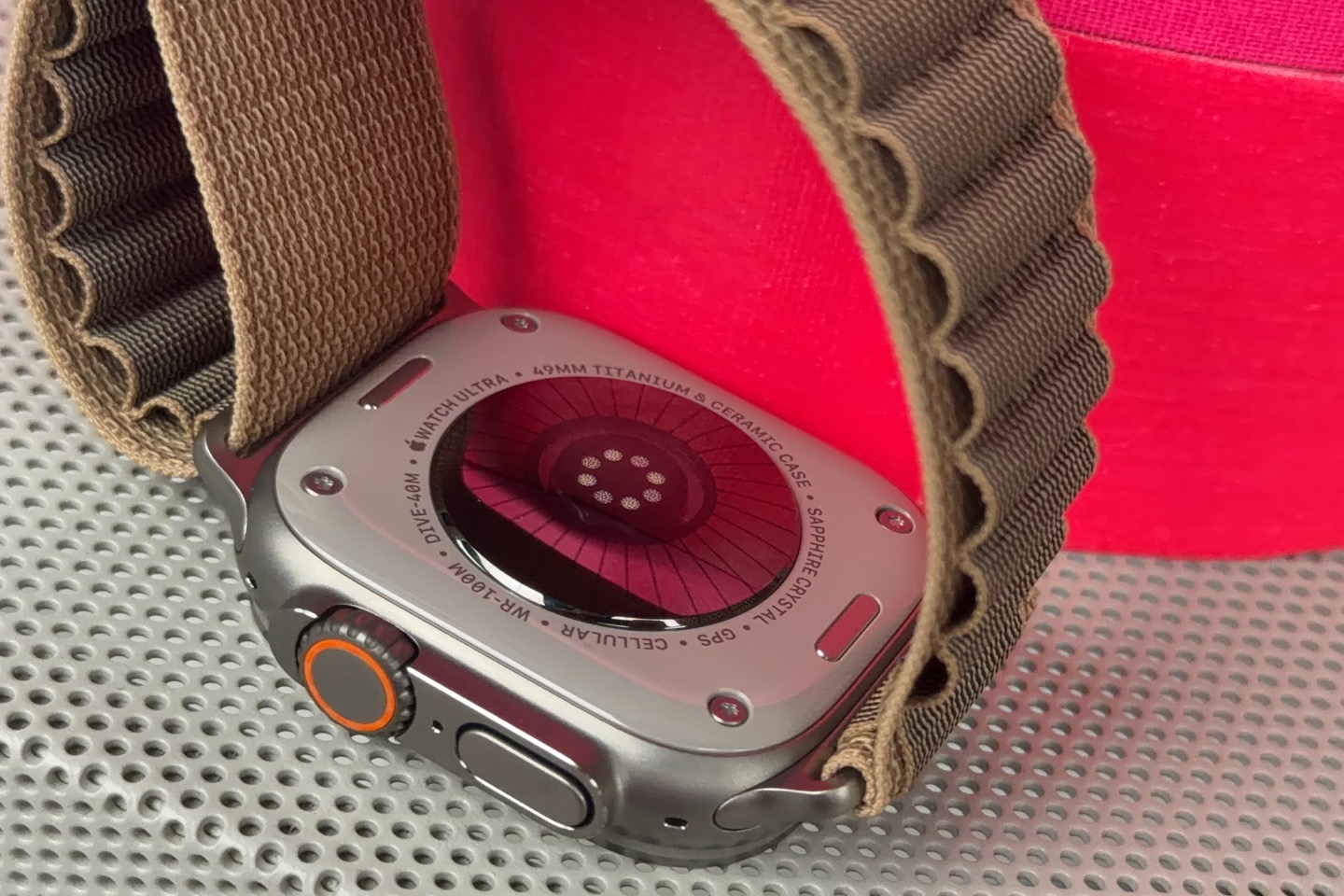
Perhaps the most scrutinized component of the Apple Watch Ultra 4 is its entirely redesigned optical heart rate sensor. Apple’s engineering team increased the electrode surface area to improve electrocardiogram (ECG) accuracy, integrated denser photodiodes for superior workout data capture, and placed a revised LED array below to enhance 24/7 resting heart rate readings. Additionally, the physical sensor bump on the rear crystal has been made thinner compared to previous iterations.
To support the accuracy of this new sensor, Apple published a comprehensive white paper backed by a study involving 1,400 participants, a significant portion of whom wore competing athletic watches on their opposite wrists. The study concluded that the Apple Watch Series 12 and Ultra 4 offer the most accurate heart rate sensing available in a wearable device.
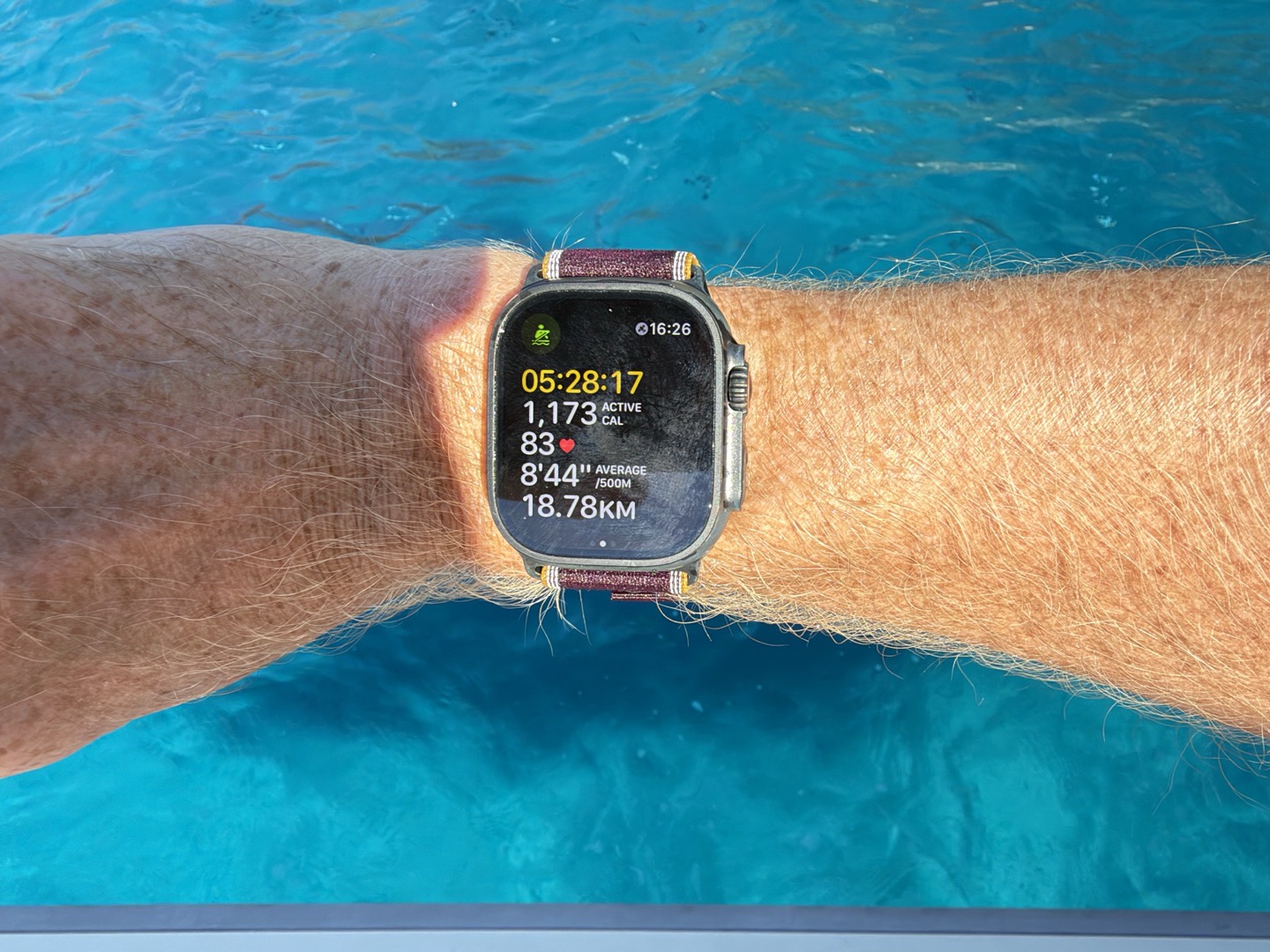
Independent real-world testing across various modalities—including trail running, indoor cycling, high-intensity interval rowing, and track workouts—reveals a nuanced reality. While the optical sensor performs exceptionally well at a macro level, its internal algorithms intentionally omit data points that fall below a designated quality confidence threshold. Rather than plotting potentially erroneous spikes, the watch leaves silent gaps in the data timeline. While this design choice prevents inaccurate data from skewing workout metrics, it introduces complexities when compared against traditional reference chest straps like the Polar H10, which record continuous data every second regardless of signal stability.
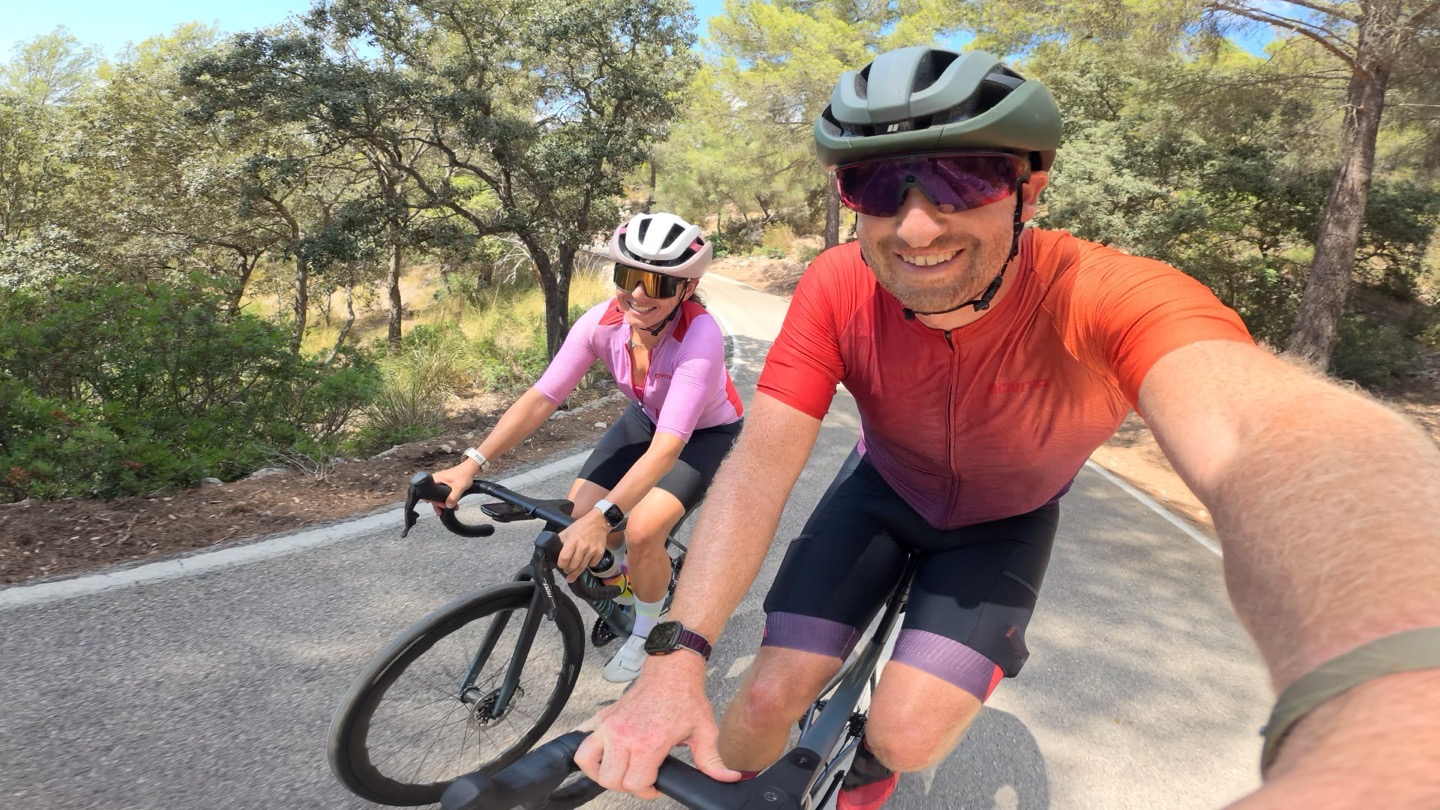
Readiness Score and Vitals Integration
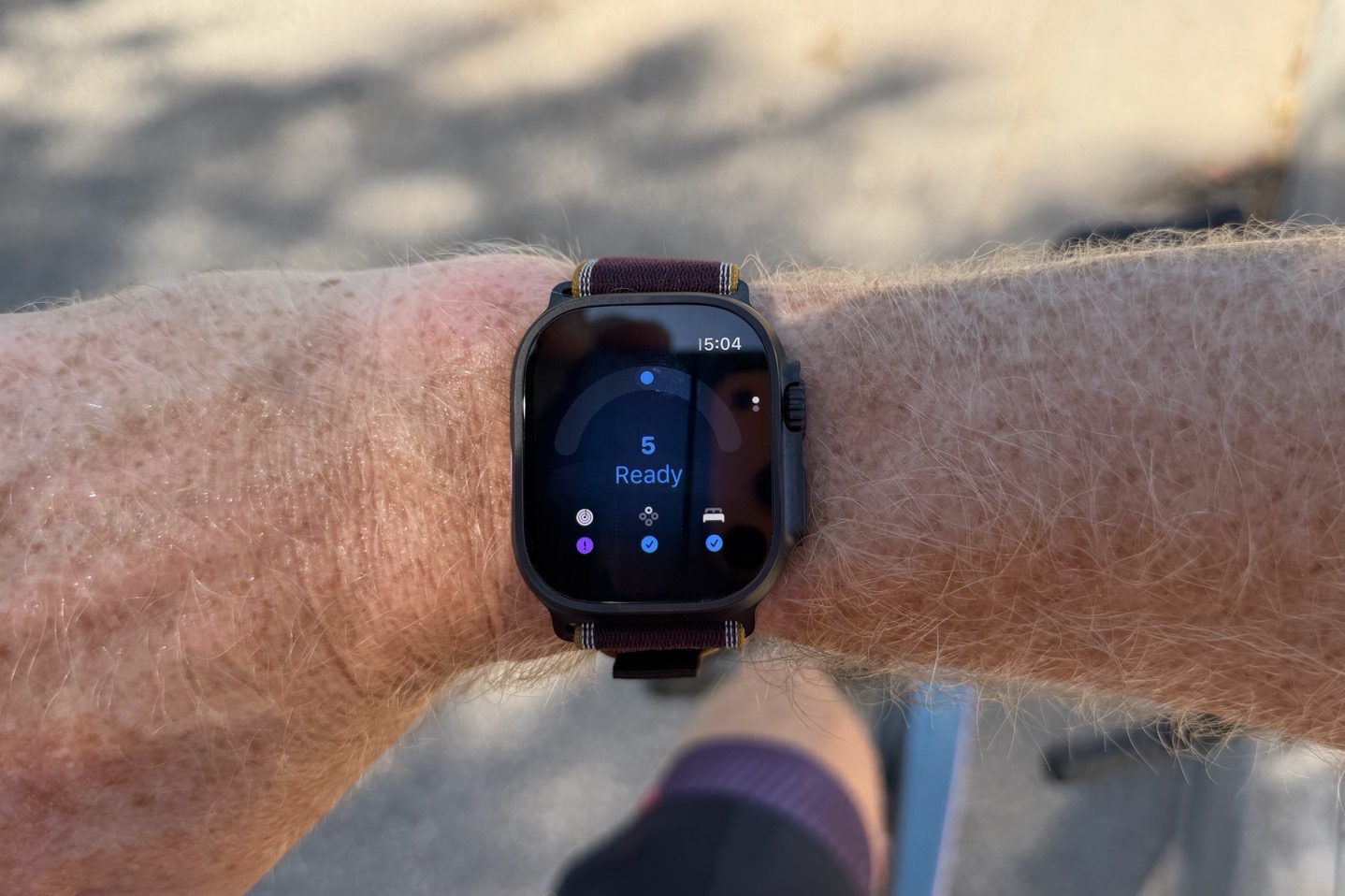
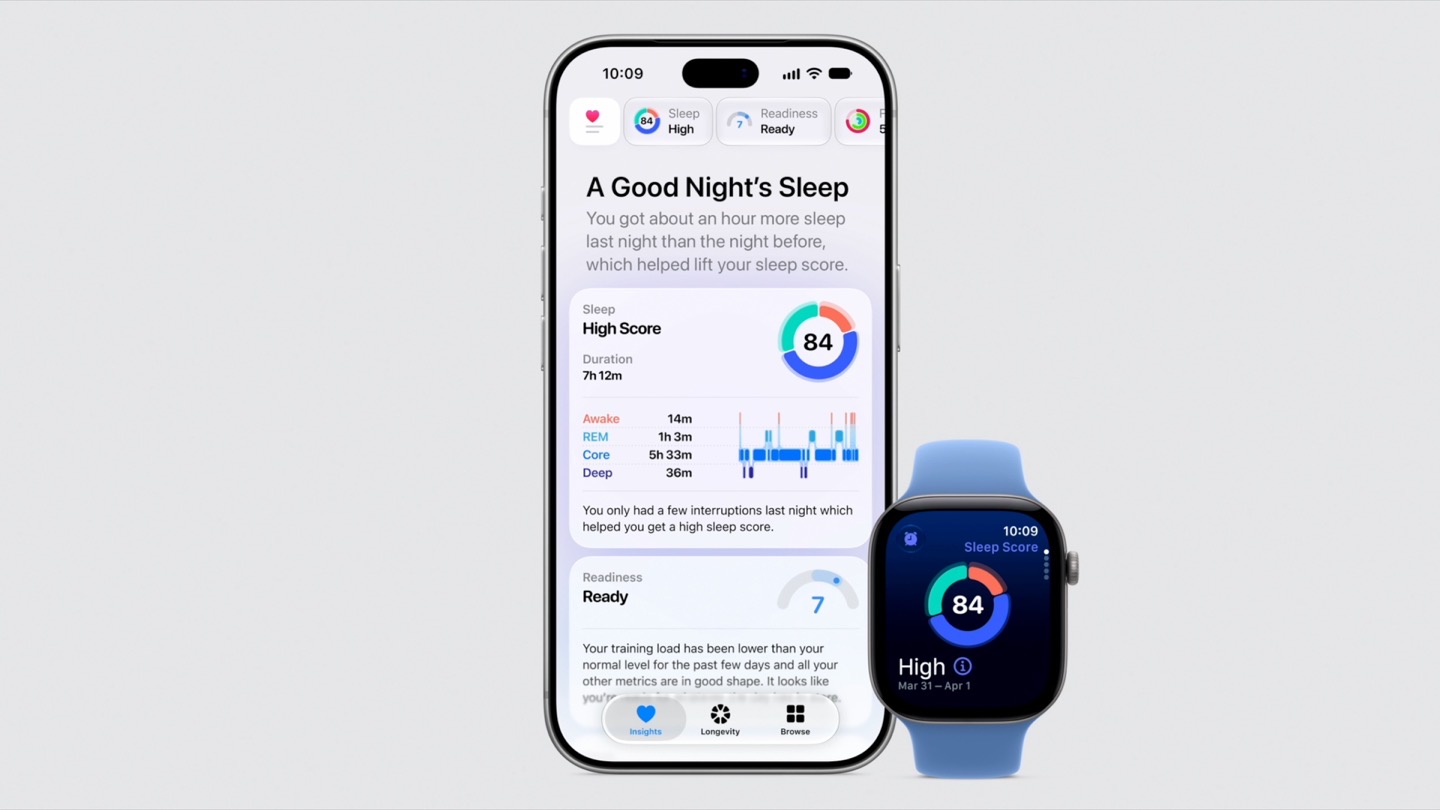
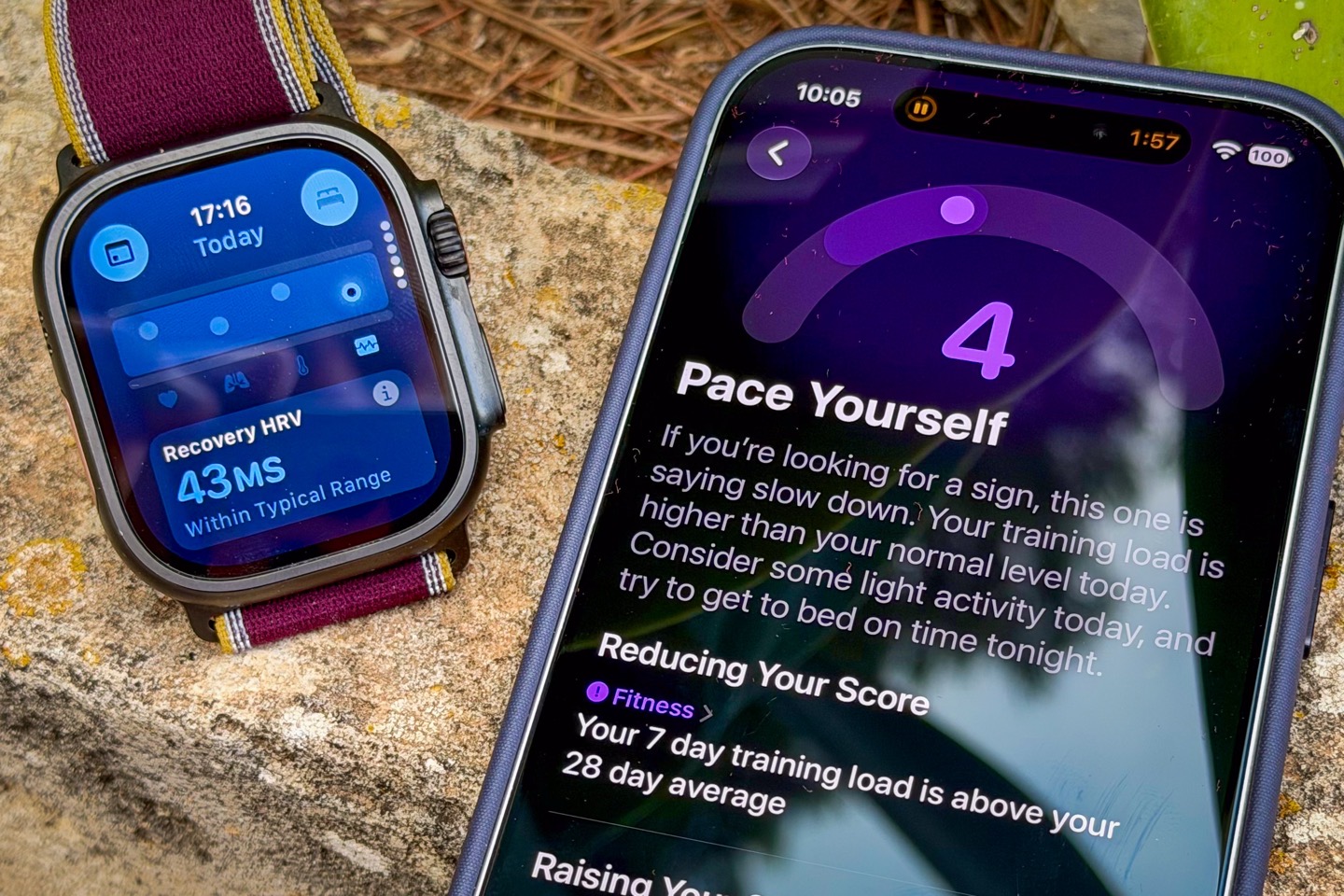
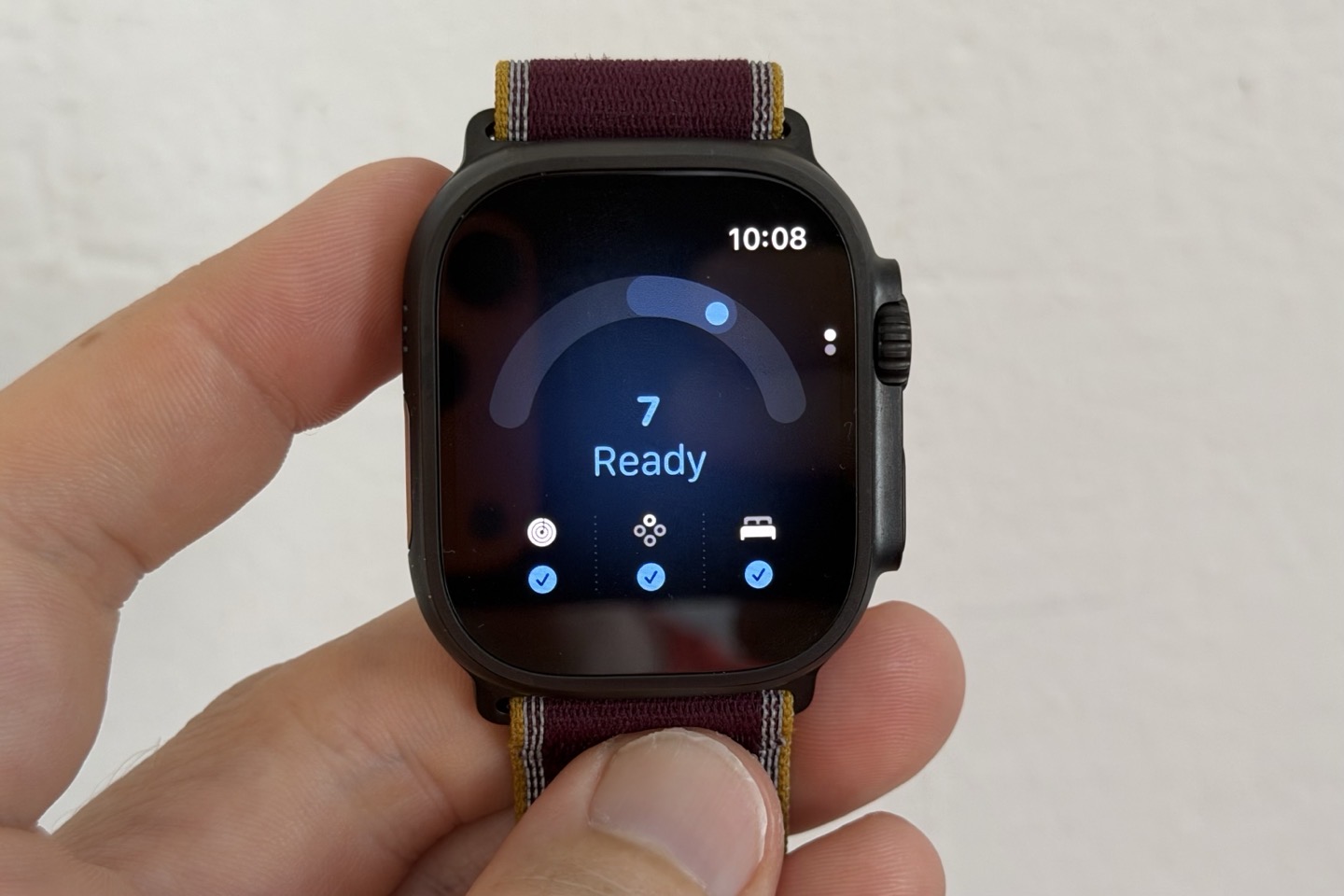
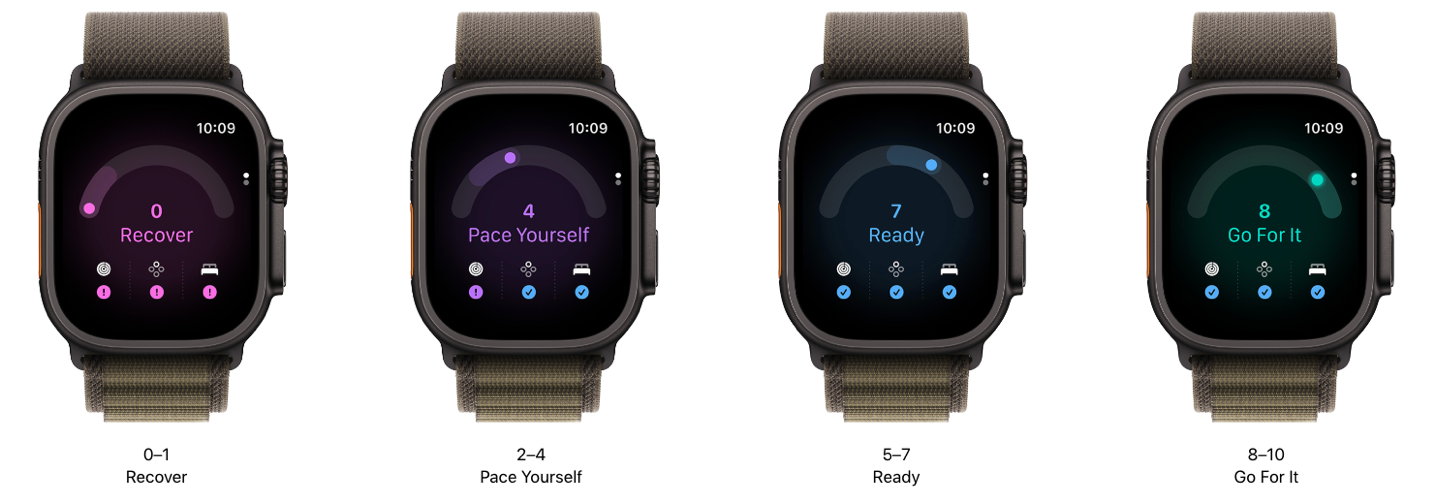
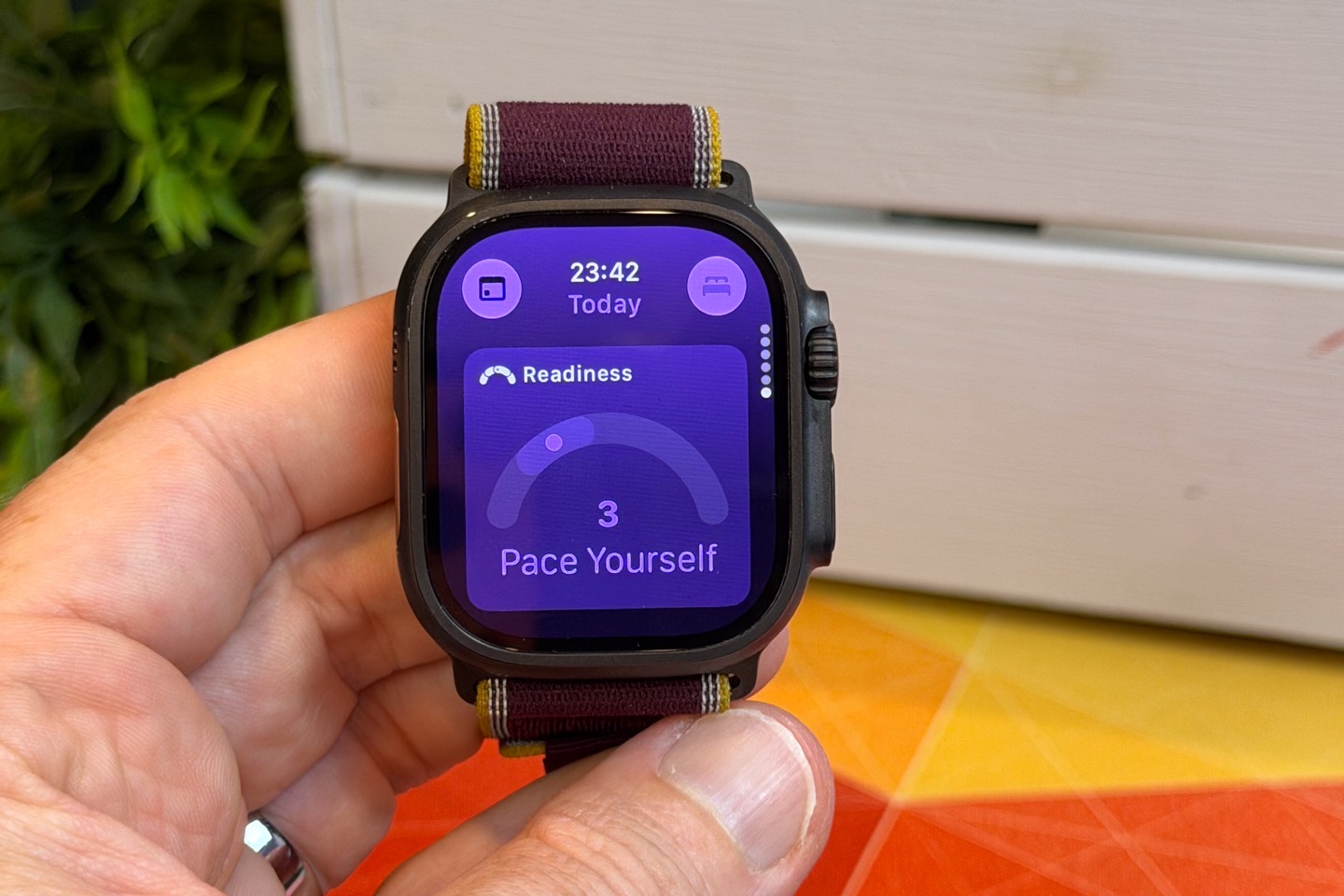
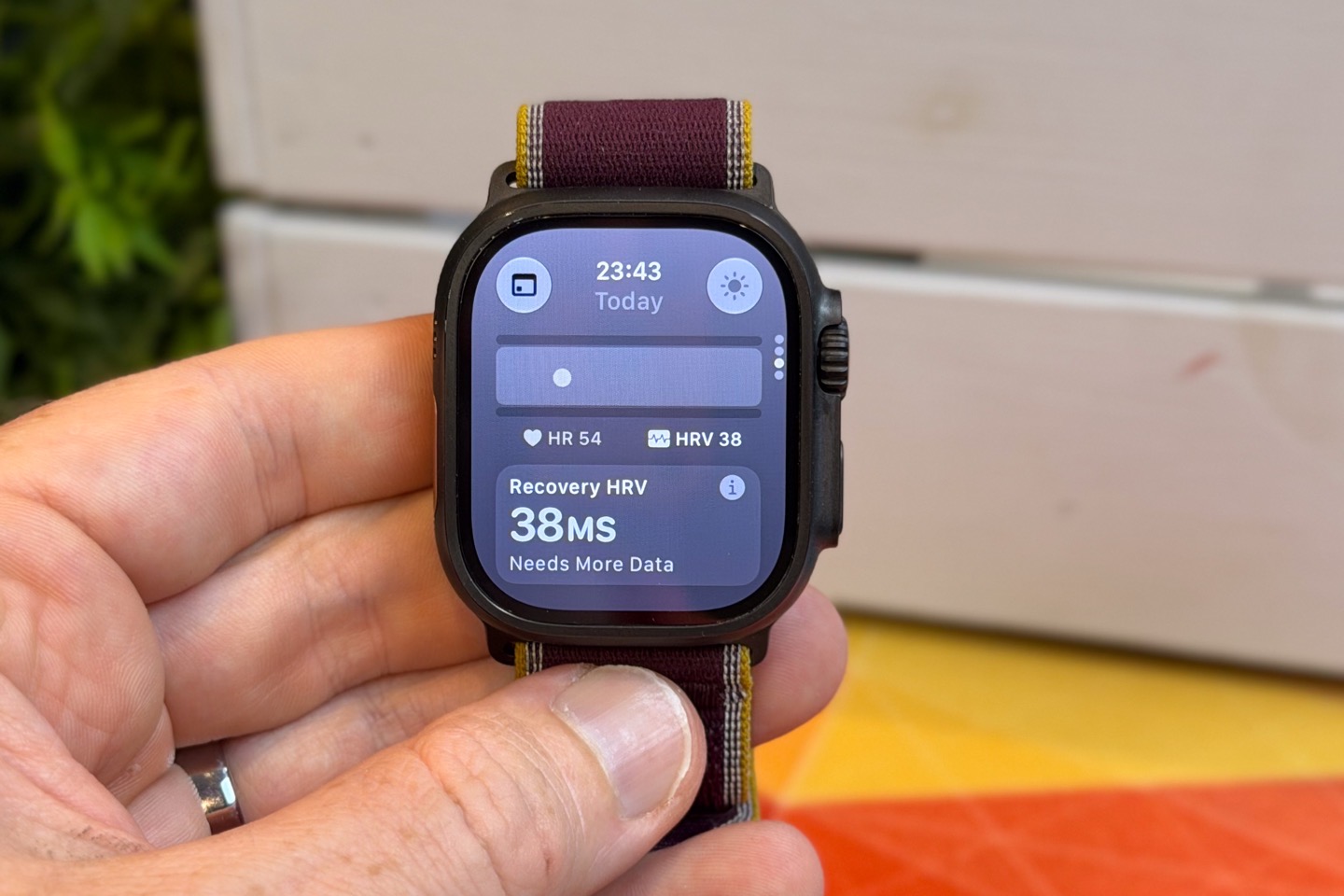
To rival dedicated recovery platforms, Apple has introduced a comprehensive Readiness Score system, available directly on the watch and within the Apple Fitness app. Calculated on a scale from 0 to 10, the score is paired with one of four actionable descriptors: Recover (0–1), Pace Yourself (2–4), Ready (5–7), and Go For It (8–10).

The algorithm synthesizes data from four core pillars:
- Fitness: Quantifying daily workouts and overall physical activity.
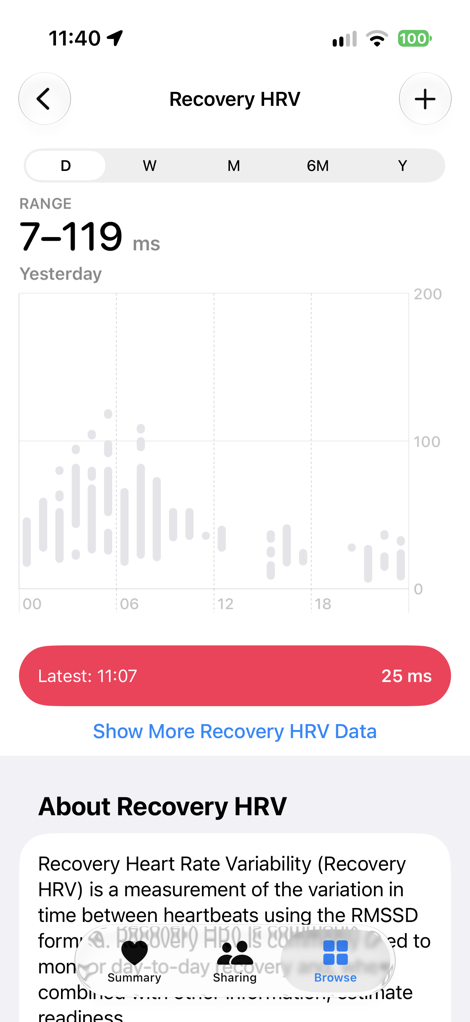
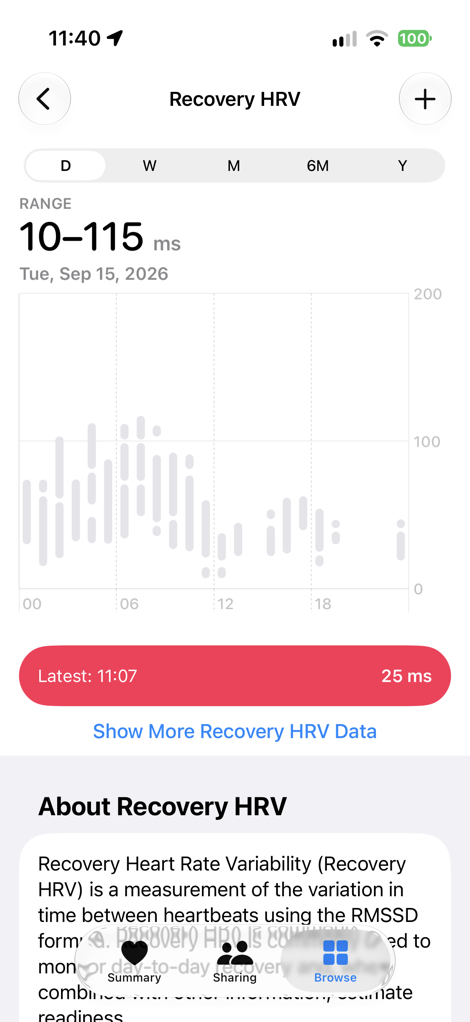
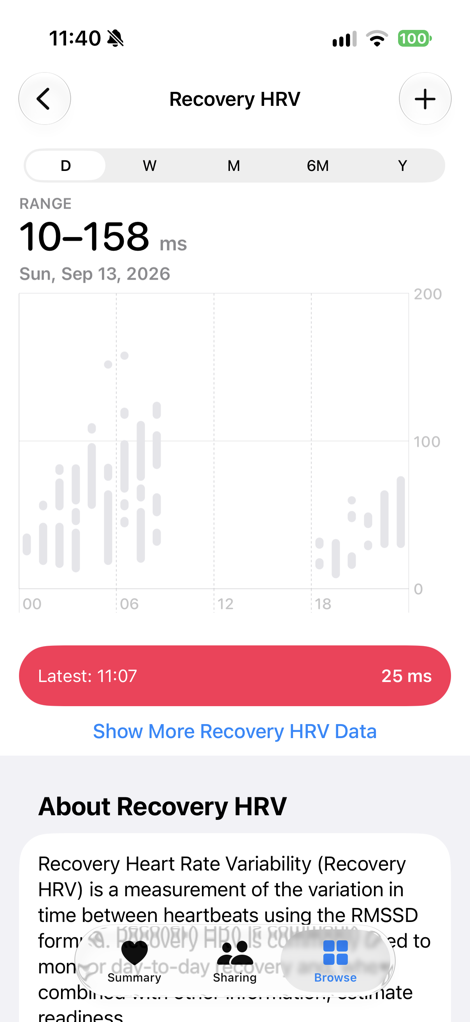
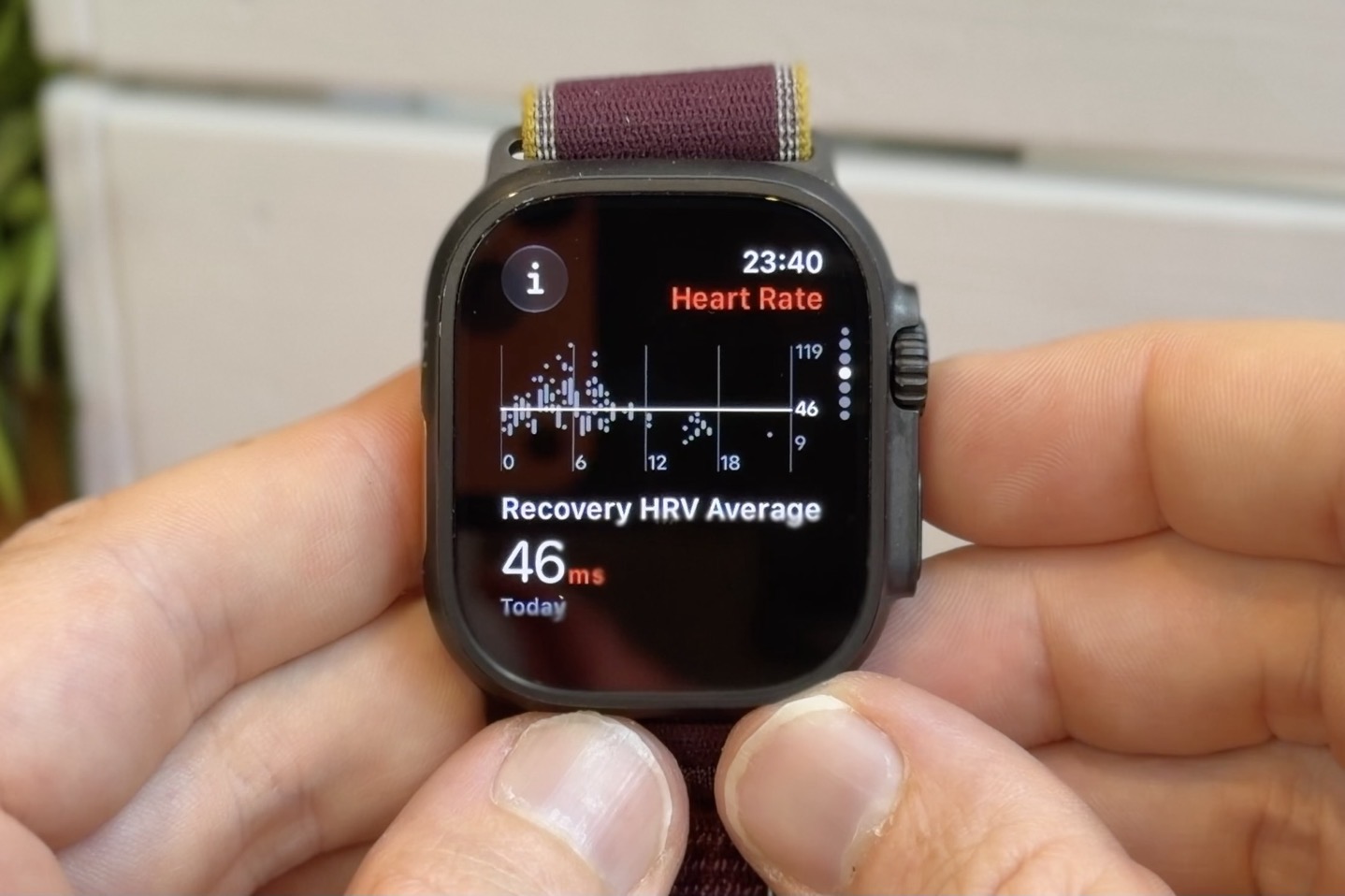
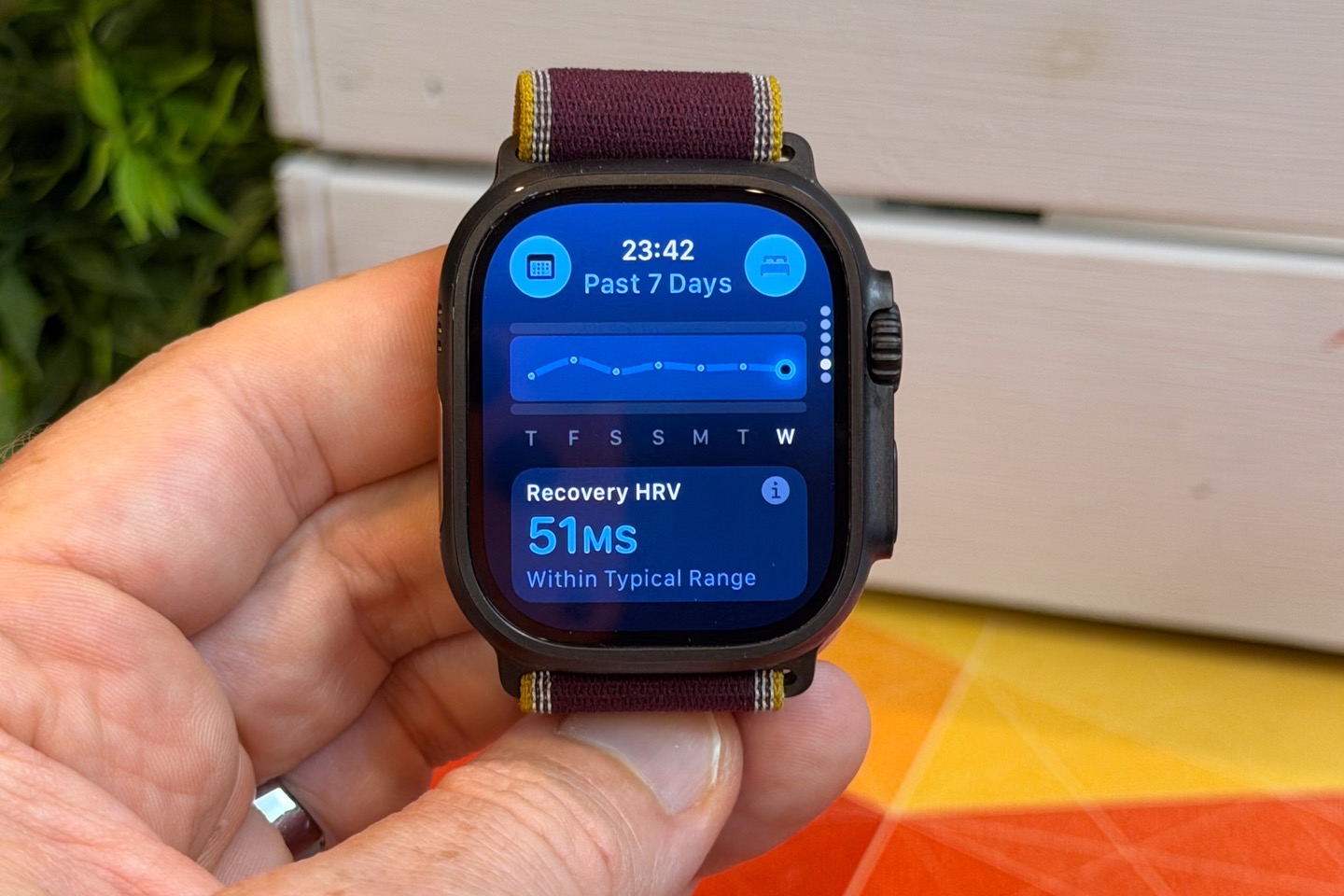
- Overnight Vitals: Tracking resting heart rate, respiration rate, wrist temperature, and overnight heart rate variability (HRV).
- Daylight Vitals: Monitoring daytime resting heart rate and periodic HRV trends.
- Sleep Score: Evaluating sleep duration, consistency, and structural architecture.
Establishing a baseline requires an initial seven-night calibration period with a minimum of four hours of sleep per night. Unlike static daily recovery metrics found in competing ecosystems, Apple’s Readiness Score updates dynamically throughout the day. For instance, completing a rigorous midday cycling session will cause the score to drop to reflect accumulated training load, while a restorative afternoon period can theoretically prompt an upward adjustment.
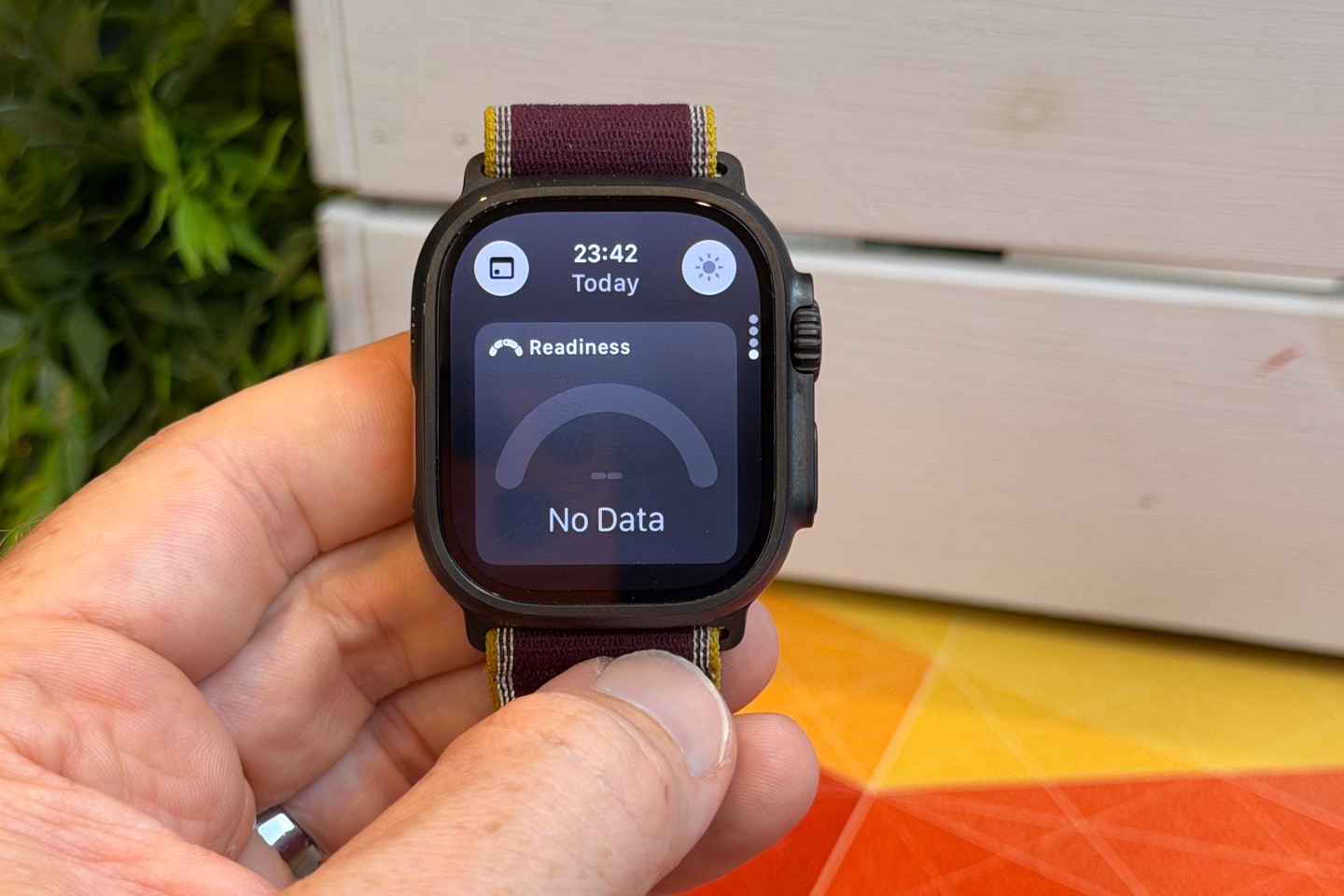
However, early adopters have noted minor synchronization delays between the Apple Watch and companion iOS apps, occasionally resulting in temporary null values or delayed metric updates following high-intensity training sessions. Apple representatives have acknowledged these software teething issues and indicated that performance patches are forthcoming.
Audio Intelligence and Ambient Awareness
The Ultra 4 also introduces localized Audio Intelligence features powered by the S11’s secure processing exclave. Operating entirely on-device without requiring a paired iPhone for immediate processing, these features focus on ambient sound recognition and media identification.
Key audio capabilities include:
- Sound Recognition Alerts: Automatically detects and notifies users of specific ambient noises, such as household doorbells, infant crying, sirens, or breaking glass, displaying localized text alerts directly on the wrist.
- Instant Shazam: Continuously analyzes ambient music in the background via small audio signatures rather than full tracks, instantly displaying song titles upon a simple wrist raise.
- Live Rewind and Siri Recap: Scheduled for release later in the year, these upcoming software additions will allow users to double-tap the Digital Crown for a text transcription of the previous 15 seconds of spoken audio, alongside automated summaries of surrounding conversations.
Implications and Market Outlook
The introduction of the Apple Watch Ultra 4 cements Apple’s commitment to capturing the high-end endurance sports market. By blending rugged titanium hardware with deeply integrated health analytics, dynamic recovery scoring, and advanced on-device processing, Apple has created a formidable multi-sport device.
While certain software limitations remain—particularly regarding native route mapping and deep-dive endurance data visualization compared to established outdoor brands—the Ultra 4 successfully bridges the gap between a high-end smartwatch and a dedicated physiological monitoring tool. As subsequent software updates resolve early synchronization bugs and introduce promised health application overhauls, the Apple Watch Ultra 4 is positioned to remain a dominant force in the premium wearable technology landscape.