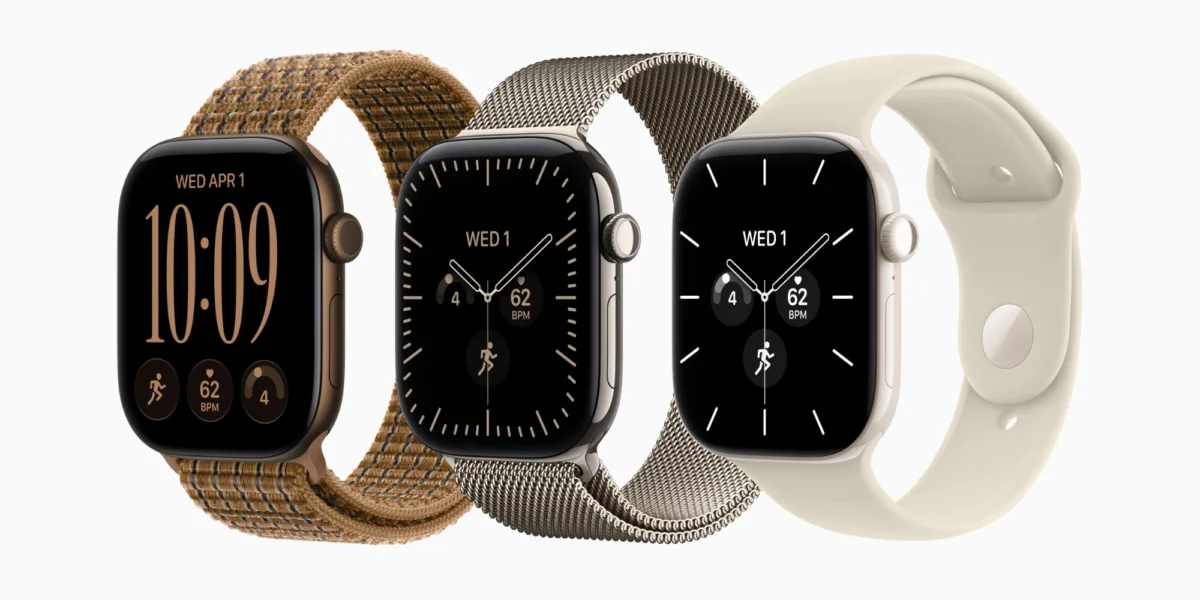
The introduction of the Apple Watch Series 12 and the Apple Watch Ultra 4 has brought a flurry of excitement regarding their overhauled processing architecture and sophisticated new Audio Intelligence features. However, users and early adopters have noted a curious and unexpected omission from the feature set: the automatic handwashing detection and timer. This tool, which debuted during the global health crises of 2020, has become a staple for many users focused on hygiene tracking. Its absence from Apple’s latest flagship wearables suggests a shift in the company’s software priorities or a potential hardware-level deprecation of older, pandemic-era functionality.
Chronology of the Handwashing Feature
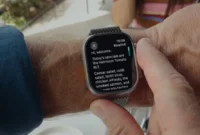
To understand the significance of this omission, one must look back to the introduction of watchOS 7. Announced at the Worldwide Developers Conference (WWDC) in June 2020, the handwashing detection feature was presented as a timely, innovative response to global health guidance. Using the device’s motion sensors and microphone, the Apple Watch was designed to detect the unique movements associated with washing one’s hands and the sound of running water. Once detected, the watch would automatically initiate a 20-second countdown timer, encouraging users to maintain optimal hygiene practices.
For several years, this feature was touted as a primary selling point for the health-focused demographic of the Apple Watch. It was integrated deeply into the Apple Health ecosystem, where users could track the frequency and duration of their handwashing sessions alongside other biometric data such as heart rate, blood oxygen levels, and sleep quality. Throughout watchOS iterations from 7 through 26, the feature remained a consistent presence, supported across generations of hardware ranging from the Series 4 to the Series 11 and the Ultra 3.
The Current Hardware Landscape
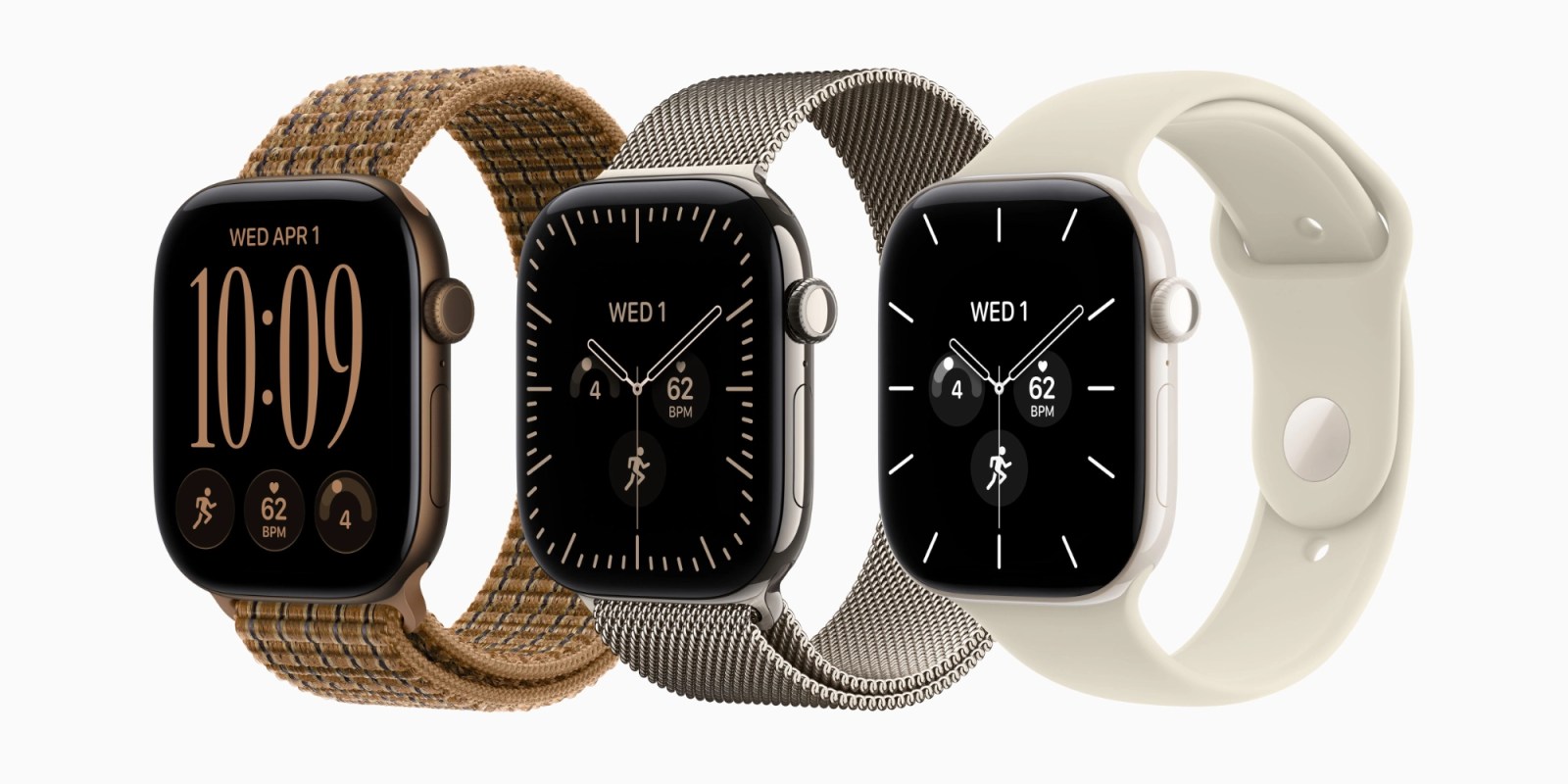
The release of watchOS 27 has maintained the handwashing feature as a valid category within the Apple Health app, including the updated metrics found in iOS 27.2. However, the official documentation provided by Apple regarding hardware compatibility presents a stark contrast to previous years. The support guide for watchOS 27 explicitly excludes the Series 12 and the Ultra 4 from the list of compatible devices for handwashing detection.
This exclusion has created a fragmented experience for users transitioning from older models. A user upgrading from an Apple Watch Series 11 to the new Series 12 will find that a feature they relied upon for years is suddenly unavailable. While the feature continues to function on the Series 11 and Ultra 3, the lack of support on the 2026 hardware iteration marks the first time a standard health-tracking feature has been removed from a new product launch rather than being enhanced or expanded upon.
Analyzing the Hardware Shift: The New Processor
The primary suspect behind this change is the significant architectural overhaul present in the Series 12 and Ultra 4. These models feature a brand-new processor designed to handle intensive, on-device machine learning tasks. This hardware is built to support the company’s new "Audio Intelligence" suite, which includes advanced capabilities like Siri Recap and Live Rewind.
These features require the processor to be in a constant state of high-fidelity audio monitoring and processing. It is plausible that the computational overhead required for these new, complex tasks necessitated a reallocation of system resources. In the internal hierarchy of features, it is possible that Apple engineers determined that the handwashing detection algorithm—which relies on continuous, low-power sensor polling—conflicted with the new power-management protocols or the specific neural engine requirements of the new chip.

Alternatively, this could be a deliberate pivot by Apple. As public health focus has shifted since the peak of the 2020 pandemic, the demand for a dedicated handwashing timer may have statistically declined among the broader user base. By removing this feature, Apple may be attempting to streamline the user interface and prioritize battery longevity for the more advanced AI-driven tasks that define the Series 12 and Ultra 4 experience.
Broader Implications and User Impact
The removal of a previously standard feature raises questions regarding the consistency of the Apple Watch software experience. For users who prioritize health and wellness tracking, the Apple Watch has long been marketed as a comprehensive tool. When features are silently removed without a clear explanation or a replacement, it creates uncertainty regarding the long-term reliability of health-tracking metrics.
Furthermore, the integration of data within the Apple Health app creates a "data gap." If a user has years of historical handwashing data, that longitudinal record will effectively stall upon upgrading to the newest hardware. While this may seem trivial to some, for individuals who use the watch for clinical or personal habit-tracking, the loss of data continuity is a non-trivial issue.
Industry analysts suggest that this pattern may be the beginning of a broader culling of legacy software features. As the Apple Watch hardware becomes more powerful, the software is becoming increasingly specialized. If the company continues to focus on "Audio Intelligence" and more complex generative AI tasks, we may see more legacy sensors and software routines being phased out in favor of these newer, resource-heavy applications.

Official Stance and Future Outlook
As of this writing, Apple has not issued a formal statement regarding the exclusion of handwashing detection on the Series 12 and Ultra 4. The company’s support documentation remains the only official word on the matter, essentially confirming that the feature is not supported on this specific hardware.
The silence from the company is consistent with its typical approach to minor feature deprecation. Often, when features are removed, they are simply omitted from documentation without a dedicated press release or public acknowledgment. However, the intensity of the reaction from the user community—many of whom utilize the feature daily—suggests that Apple may face pressure to clarify whether this is a permanent removal or a temporary software limitation that could be addressed in a future watchOS 27 update.
For now, the situation remains a point of curiosity for tech enthusiasts and a point of frustration for power users. Whether this represents a strategic shift toward more "intelligent" hardware or a simple case of resource management in a new, more powerful processor, the fact remains that the Apple Watch landscape is changing. Users looking to upgrade to the Series 12 or Ultra 4 must now weigh the benefits of the new Audio Intelligence features against the loss of established health-tracking capabilities.
As we look toward future watchOS updates, the tech industry will be watching closely to see if other legacy features are similarly affected. The evolution of the Apple Watch is clearly moving toward a more proactive, AI-integrated assistant, and in that transition, some of the more passive, sensor-based habits of the past may be left behind. For the time being, those who rely on the handwashing timer may find themselves holding onto their older Apple Watch models for a little longer than expected.