Apple has officially unveiled watchOS 27, a landmark update that signals a pivotal shift in how the Apple Watch functions as both a communication tool and a health-centric wearable. While previous iterations focused on incremental refinements to the user interface, watchOS 27 introduces deep artificial intelligence integration and architectural changes that allow the device to operate with unprecedented independence from the iPhone. This update, scheduled for a public release this fall, brings the Apple Watch into the era of Apple Intelligence, fulfilling a promise made during the initial redesign of Siri two years ago.

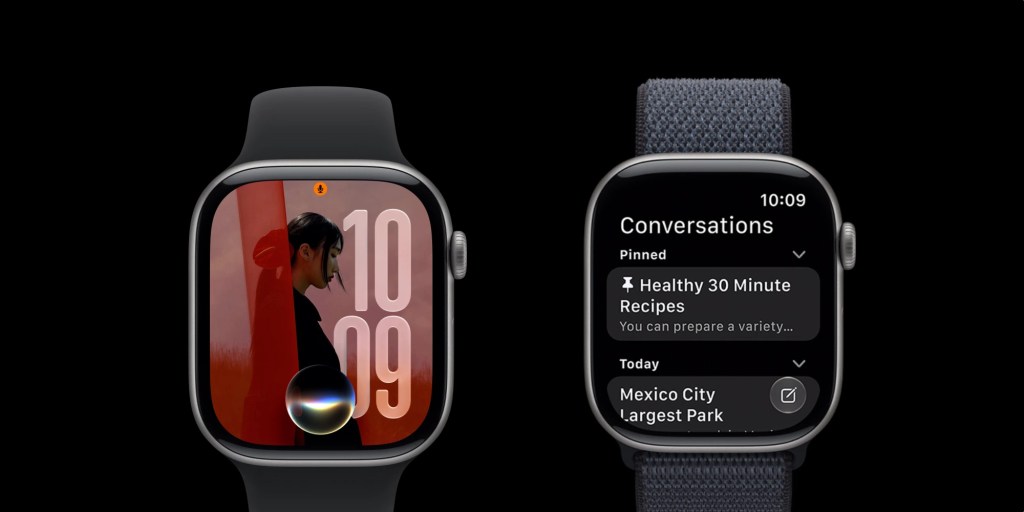
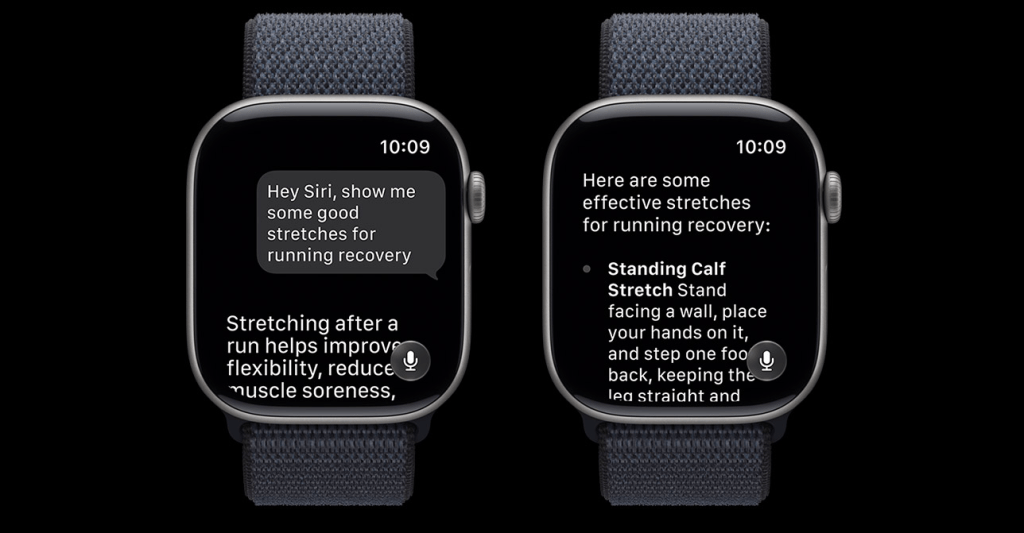
The centerpiece of watchOS 27 is the integration of Siri AI. When Apple first introduced its redesigned Siri and Apple Intelligence suite in 2024, the Apple Watch was largely excluded from the core AI narrative due to hardware constraints and the complexity of on-device processing. With the launch of watchOS 27, that gap has been closed. The Apple Watch now features a dedicated Siri application that is fully synchronized across the Apple ecosystem, including iPhone, iPad, Mac, and Apple Vision Pro. This new Siri is not merely a voice assistant but a comprehensive AI chatbot capable of personal context understanding and sophisticated in-app actions. It leverages broader world knowledge and can interpret complex queries that require cross-referencing data from various native applications. Although Siri AI is not present in the initial developer beta, Apple has confirmed it will debut in English later this year.
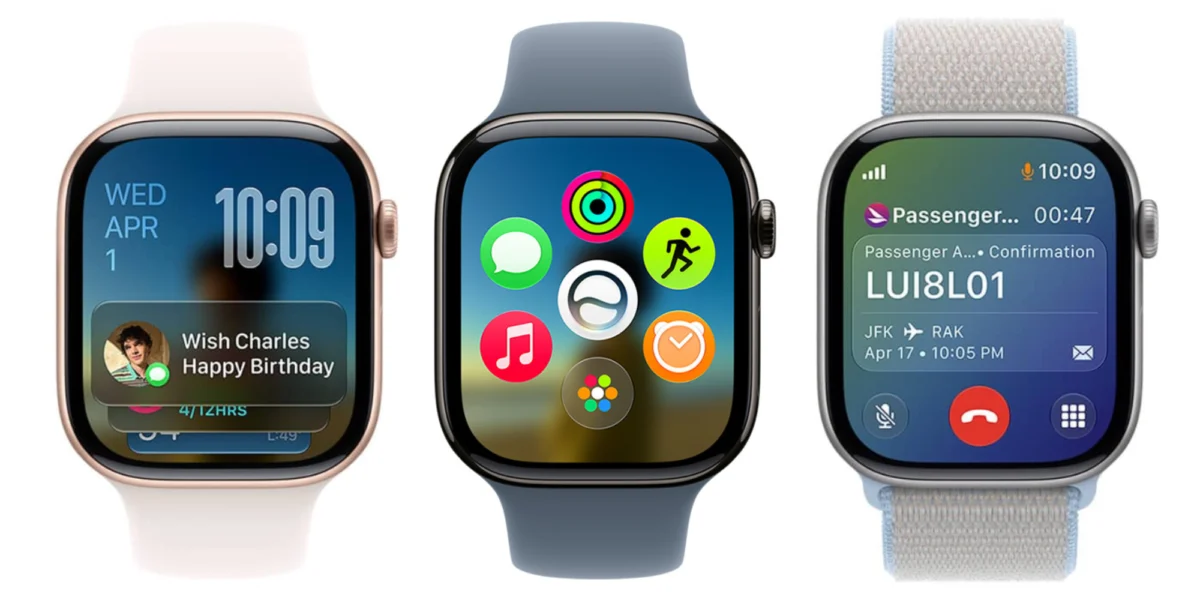
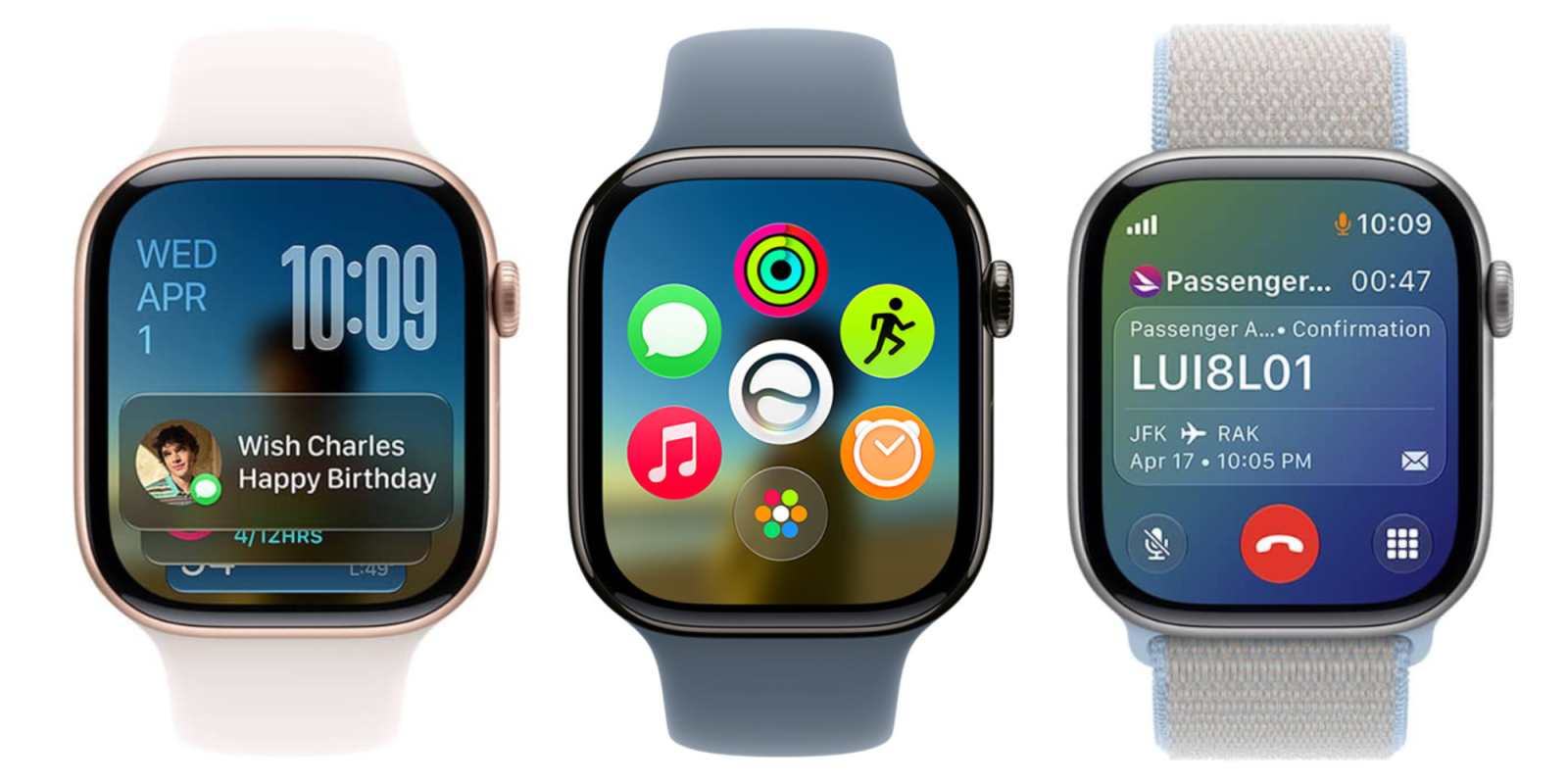
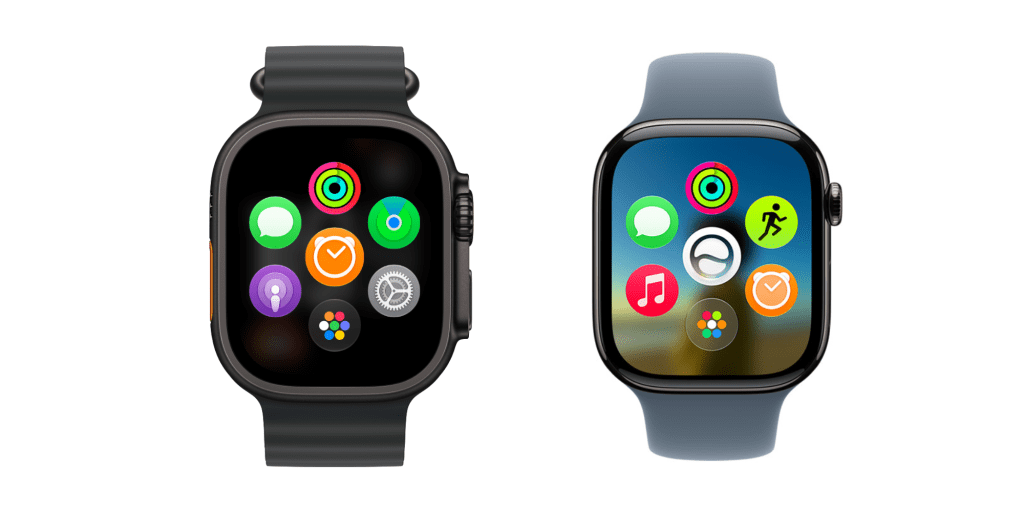
The navigation experience on the Apple Watch has also undergone a significant overhaul with the introduction of the Dynamic App Grid. Accessed by pressing the Digital Crown, this interface replaces the traditional static honeycomb or list views with a curated selection of six Siri-suggested applications. The layout is designed to be predictive; if Siri AI is active, the Siri app occupies the central position, flanked by apps chosen based on recent usage patterns and situational popularity. This system aims to reduce the time users spend scrolling through a long list of icons, instead surfacing the tools they are most likely to need at any given moment. For users who prefer the traditional layout, a dedicated icon remains available to launch the full app grid or list. Furthermore, the Digital Crown functionality has been streamlined: a single click invokes the dynamic grid, a second click returns to the watch face, and a click followed by an upward swipe provides immediate access to the complete application library.
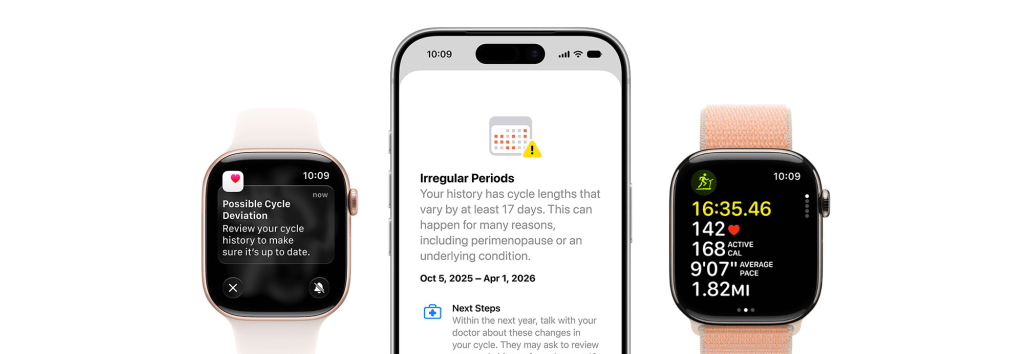
In the realm of fitness and athletics, watchOS 27 addresses a long-standing request from the user community regarding the "Workout Buddy" feature. Initially introduced in watchOS 26, Workout Buddy provided AI-driven coaching and insights but required a tethered iPhone to process data. The latest update enables Workout Buddy to function entirely on-device, allowing runners and cyclists to leave their iPhones behind without sacrificing advanced analytics. The feature has also expanded its linguistic reach, adding Spanish support to its existing English capabilities. Beyond language, the tool now offers deeper insights into performance metrics, including real-time progress tracking for pace, distance, and total workout duration.
Health monitoring continues to be a primary pillar of the Apple Watch value proposition, and watchOS 27 introduces two critical enhancements to its tracking suite. First, the Cycle Tracking application has been significantly expanded to support users transitioning through perimenopause and menopause. The Health app can now analyze logged cycle patterns and provide notifications when data suggests a transition toward perimenopause. This update also includes specialized symptom tracking and a library of educational resources, representing a major step forward in the platform’s commitment to women’s health. Second, for indoor athletes, Apple has refined its motion tracking algorithms to improve the accuracy of treadmill-based workouts. By better interpreting wrist motion and cadence, the software can now provide more precise distance measurements for indoor runs and walks. Additionally, Apple has resolved a long-standing data discrepancy by ensuring that step counts in the Fitness app are perfectly synchronized with those in the Health app across both watchOS 27 and iOS 27.
The user interface receives a functional boost through a new gesture control system. Building on the "Double Tap" gesture introduced in previous models, watchOS 27 adds a "Single Tap" interaction. While Double Tap allows users to open the Smart Stack and cycle through widgets, the Single Tap now enables direct interaction with those widgets. For instance, a user can double-tap to see their Heart Rate widget and then single-tap to launch a live reading. This hands-free interaction model extends to starting workouts from suggestions or controlling media playback via the Now Playing widget. The Smart Stack itself has become more intelligent, automatically surfacing a wider variety of widgets, such as parked car locations, pinned messages, and birthday celebrations.
Ecosystem unification is another theme of this update. The Find My experience on the Apple Watch has been consolidated into a single, unified application, mirroring the interface found on other Apple devices. Previously, users had to navigate three separate icons for people, items, and devices. This streamlined approach is complemented by the inclusion of Precision Finding support for the upcoming AirTag 2 and AirPods Pro 3, as well as the latest iPhone models.
Battery management in watchOS 27 takes a proactive approach rather than a reactive one. The OS now includes a battery optimization suggestion engine. Instead of simply entering a low-power mode when the battery is nearly depleted, the system will send notifications throughout the day suggesting that unused features be disabled to preserve longevity. These suggestions might include turning off "Raise to Speak" for Siri, disabling specific gestures, or pausing "Start Workout" reminders. Users maintain full control, however, as they can choose to override these suggestions and keep their preferred features active.
The update includes several other notable improvements:
- Faster Music Playback: Optimizations in the media engine reduce latency when starting streams or local playback.
- Liquid Glass Update: A refinement of the visual rendering engine that improves text readability through more uniform refraction and enhanced contrast.
- Wallet Integration: Support for custom-generated cards from iOS 27, which can be pinned directly into the Smart Stack for rapid access.
- Call Context: A proactive feature that displays relevant information, such as flight numbers or appointment details, when a user is on a call with a recognized business.
- Child Safety: Expansion of Apple’s communication safety features to the watchOS environment.
The timeline for watchOS 27 follows Apple’s traditional software cycle. Following its announcement at the Worldwide Developers Conference (WWDC), the software is currently available in developer and public beta formats. This period allows developers to optimize their third-party applications for the new Siri AI capabilities and the dynamic app grid. The final public version is slated for release in September, coinciding with the launch of new hardware.
In terms of compatibility, watchOS 27 requires relatively modern hardware to support its AI-heavy features. The update is compatible with Apple Watch Series 9 and later, Apple Watch Ultra 2 and later, and the new Apple Watch SE 3. Older models will not receive the update, likely due to the NPU (Neural Processing Unit) requirements for on-device Siri AI.
Market analysts view watchOS 27 as a strategic move to maintain Apple’s dominance in the premium wearable market. By moving toward a more autonomous device that requires less frequent interaction with an iPhone, Apple is positioning the Watch as a standalone "wrist computer." The inclusion of sophisticated women’s health features and the democratization of AI on the wrist are expected to drive upgrade cycles among existing users. As competitors like Samsung and Garmin continue to refine their fitness and health offerings, Apple’s focus on ecosystem-wide AI integration serves as a significant differentiator.
With the final release expected in just a few months, watchOS 27 represents the most significant architectural update to the Apple Watch since the introduction of the Series 4. It shifts the device from a passive notification hub to an active, intelligent assistant capable of managing health, communication, and daily tasks with minimal user friction.