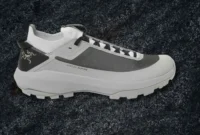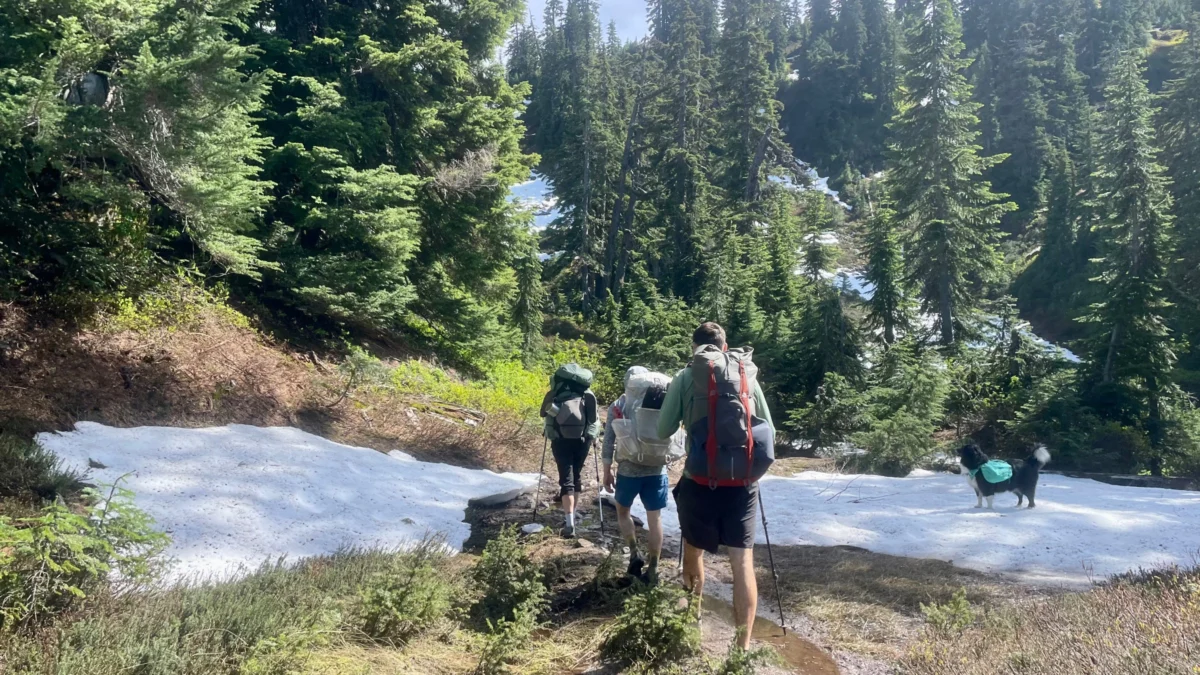
The world of long-distance backpacking operates on a strict culture of utility, innovation, and unspoken social codes. On routes like the Pacific Crest Trail (PCT), the Continental Divide Trail (CDT), and the Appalachian Trail (AT), gear preferences cycle through phases as rapidly as adolescent fashion trends. Bucket hats have definitively replaced baseball caps, heavy leather boots remain a relic of the mid-2000s, and hooded, patterned sun shirts—frequently adorned with novelty prints like donuts—have become the unofficial uniform of the modern trekker. Arriving at a mountain trailhead with antiquated or mismatched equipment can sometimes feel like stepping into a high school cafeteria, where non-conformity risks gentle mockery from trail veterans.
Yet, this micro-culture is far from monolithic. Trail communities develop distinct identities shaped by geography and climate. According to Madelyn Dukart, an experienced long-distance trekker who has crossed several of the country’s premier paths, regional differences heavily dictate equipment adoption. "Ultralight felt very ‘in’ out west in a way that it didn’t out east," Dukart observes, pointing to the contrasting demands of open, arid expanses versus dense, humid, and root-tangled eastern forests.
Despite these regional variations, innovations born within the thru-hiking community rarely stay confined to remote dirt paths. When a piece of gear proves its worth over thousands of miles of punishing terrain, it invariably trickles down into the broader recreational backpacking market. Manufacturers watch these trends closely, utilizing long-distance hikers as the ultimate real-world stress-testers. As the latest trekking season comes to a close, a distinct cohort of new apparel, ultra-light electronics, and sustainable alternatives has emerged as the definitive equipment of the year.
The Rise of Alpha Direct: From Microgrids to Head-to-Toe Fleece
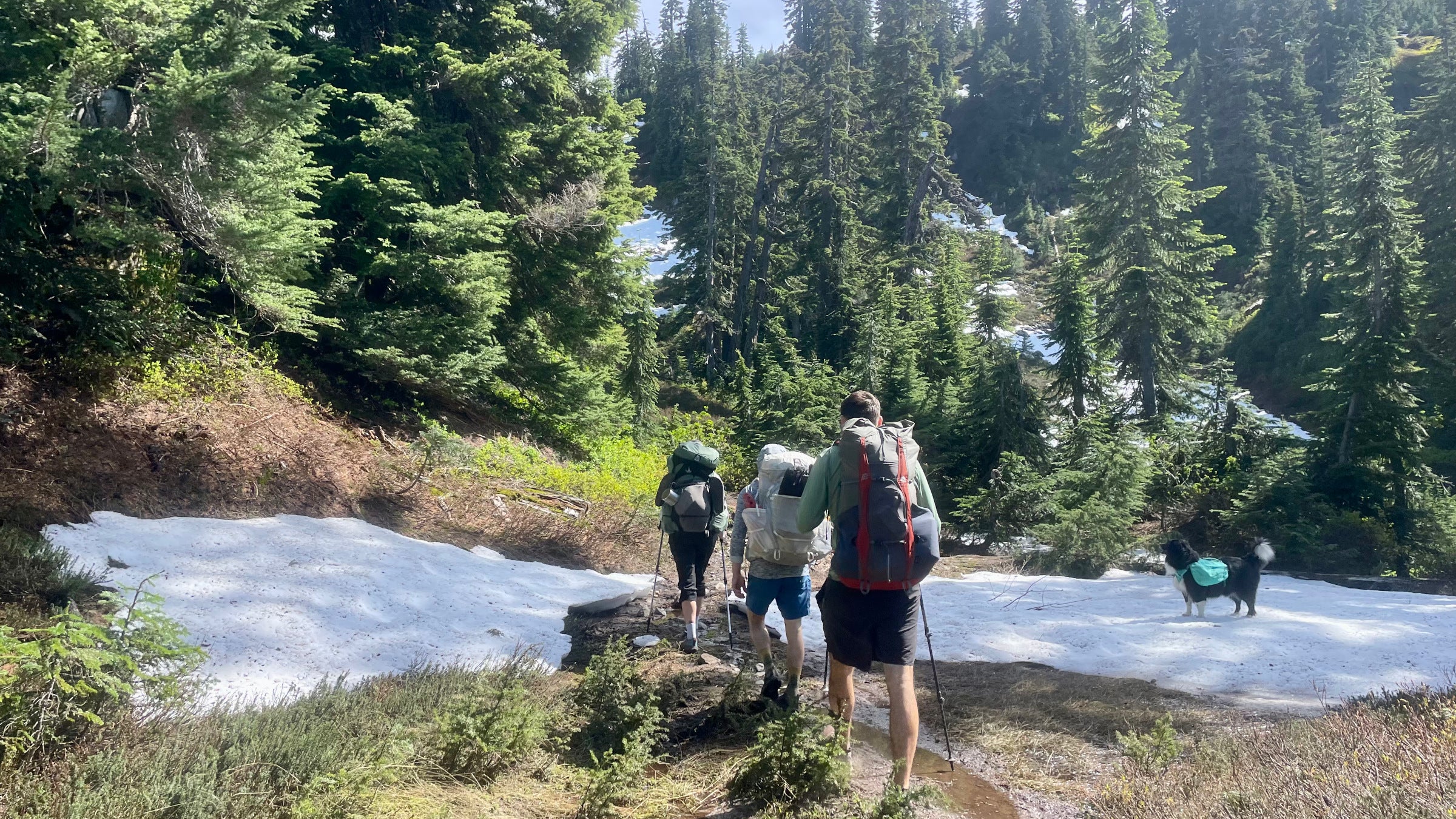
For years, the gold standard for active insulation on long trails was the microgrid fleece hoodie—a breathable, grid-patterned layer prized for its warmth-to-weight ratio. However, over the past season, that paradigm shifted dramatically. The ultra-light, highly breathable fabric known as Alpha Direct has swept through thru-hiking communities, moving far beyond the occasional hoodie to infiltrate nearly every layer of cold-weather apparel.
Mary Pillsbury, owner of 2 Foot Adventures, an outdoor outfitter with strategic locations along the PCT in Julian and Kennedy Meadows, California, has watched this material saturation firsthand. "Just a year or two ago, [thru-hikers] were all about microgrid hoodies, but they definitely have moved on to Alphas," Pillsbury notes.
The appeal is rooted in fundamental physics. Alpha Direct is remarkably lightweight, packs down to a fraction of the volume of traditional fleeces, manages moisture exceptionally well during high-output climbs, and retains insulating properties even when layered beneath a windproof shell. This season, hikers pushed the material to its logical extreme, adopting Alpha Direct pants, beanies, socks, and gloves. For gram-conscious backpackers seeking maximum versatility across shifting mountain temperatures, head-to-toe fleece has become the defining apparel movement of the year.
The 3D-Printing Revolution and Fuel Transfer Devices
Trail towns along major routes are universally defined by one particular feature: the hiker box. These wooden communal bins, stationed at outfitters, hostels, and post offices, are repositories where departing hikers leave behind surplus items and arriving travelers scavenge for essentials. Without fail, every hiker box contains a collection of partially empty IsoPro fuel canisters. Carrying a nearly empty canister out of a resupply town wastes precious carrying capacity, while abandoning it generates unnecessary waste.

To solve this dilemma, fuel transfer devices have become ubiquitous. These pocket-sized valves allow backpackers to consolidate fuel from multiple dying canisters into a single, full container. While metal iterations of these devices have existed for years, their substantial weight kept many purists away.
That calculus changed with the introduction of ultra-light, 3D-printed plastic transfer valves, popularized by cottage brands like Alpenglow Gear. Weighing a mere 2.4 grams, these inexpensive devices have transformed waste management on the trail. "Almost every hiker carries a fuel transfer device thanks to Alpenglow Gear," Pillsbury says. "They are so light and inexpensive; 3D printing is changing the market."
A Conscious Shift Away from Single-Use Plastics
For decades, the standard hydration system for thousands of long-distance hikers was deceptively simple: standard, disposable polyethylene terephthalate (PET) water bottles, most commonly known as Smartwater bottles. They were cheap, universally available at convenience stores across rural America, fit standard squeeze-filters like the Sawyer Squeeze, and weighed almost nothing.
However, environmental consciousness and emerging health data have begun to alter this deeply entrenched habit. "This is the first year I’ve heard thru-hikers talk about microplastics," Pillsbury notes, pointing to a noticeable migration toward reusable, durable alternatives manufactured by specialized brands such as CNOC and Mazama Designs.

Recent scientific studies highlighting the potential ingestion of microplastics resulting from the repeated reuse and degradation of single-use bottles have triggered a psychological shift within the community. Because long-distance backpackers are often drawn to the sport through a foundational appreciation for the natural environment, relying heavily on disposable plastics creates a noticeable ethical dissonance.
"Most people that get involved in outdoor recreation begin with their love for nature, and it can feel dissonant to preach respecting nature while relying on single-use plastics for such a crucial piece of gear," Dukart explains. The introduction of durable, pack-friendly reusable bottles that add minimal weight has provided hikers with a viable way to reconcile their environmental ethics with practical gear requirements.
Pad Pumps Go Ultra-Compact
The ritual of spending five to ten minutes huffing and puffing into an inflatable sleeping pad at the end of a grueling 25-mile day has historically been an accepted chore of backpacking. Inflating pads manually introduces moisture from human breath into the internal chambers of the pad, which can lead to mold growth over a multi-month trek, not to mention the dizziness induced at high altitudes.
The widespread adoption of ultralight, battery-operated and power-bank-compatible pad pumps has effectively eliminated manual inflation for a significant portion of long-distance hikers. Leveraging advancements in micro-motors and 3D-printed casings, cottage and commercial manufacturers have shrunk these devices down to weights and volumes that easily justify their inclusion in a minimalist pack.

Options range from the battery-operated Flextail Zero Pump to the ultra-minimalist Alpenblow Lux micro-inflator, which draws power directly from an existing smartphone or electronic power bank. Walking through a designated thru-hiker campsite at dusk now sounds less like a chorus of deep breathing and more like the faint, steady hum of micro-machinery.
Durston Tents Achieve Critical Mass
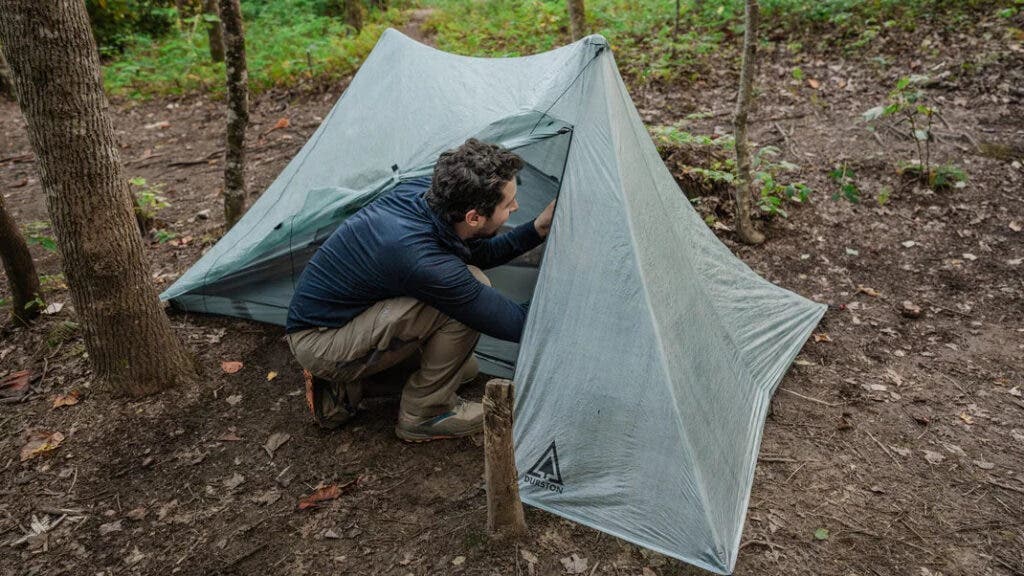
In the shelter category, the Durston X-Mid series has transitioned from a beloved enthusiast favorite into a dominant market force. Designed by outdoor gear designer Dan Durston, these trekking-pole-supported tents have cultivated a fiercely loyal following for several years due to their clever geometry, which places the sleeping diagonals parallel to the poles to maximize interior livability and headroom.
This past season, however, marked a distinct tipping point in adoption rates. Amber Rae Hedman, a seasoned thru-hiker who completed the PCT in both 2022 and 2025 alongside other major routes, notes the sheer ubiquity of the shelters. "It feels like you can hardly walk through a campsite without seeing an X-Mid," she says.
The surge in trail presence is attributed not only to the tent’s performance in high winds and heavy condensation management but also to improvements in manufacturing supply chains. While early iterations suffered from limited batch releases that sold out in minutes and left eager buyers waiting months, more consistent production scaling allowed thousands of hikers to secure the shelters ahead of their spring launches.

The Analog Resurgence: Standalone Cameras on Long Trails
Perhaps the most unexpected trend of the season is the return of dedicated, standalone cameras to long-distance packs. In an era where modern smartphones boast multi-lens computational photography systems capable of capturing stunning landscape images, an increasing number of thru-hikers are making the deliberate choice to carry a separate photographic device—ranging from modern compact mirrorless cameras to vintage film point-and-shoots and disposable cameras.
"Documenting the journey has become such a big part of the thru-hiking experience," Hedman explains. For many modern adventurers, relying entirely on a smartphone creates functional vulnerabilities. Utilizing a phone for navigation apps like Guthook/FarOut, emergency satellite communication, journaling, and photography drains precious battery reserves rapidly, often forcing hikers to carry heavier power banks or ration their device use.
Beyond battery conservation, standalone cameras offer tactile engagement, improved low-light performance, and optical zoom capabilities that a smartphone simply cannot replicate. While carrying an extra electronic device directly contradicts the core philosophy of extreme ultralight backpacking, many hikers have decided that the permanent preservation of their journey is worth the minor weight penalty.
Implications for the Broader Outdoor Industry
The trends dominating long-distance trails this season—from eco-conscious hydration shifts and advanced synthetic fleece insulation to 3D-printed accessory manufacturing and specialized shelter designs—provide a clear window into the future of mainstream outdoor recreation. As cottage industry innovations continue to outpace legacy manufacturing cycles, traditional outdoor brands will inevitably adopt these lightweight, highly specialized solutions. For the broader hiking public, observing what succeeds on the Continental Divide or the Pacific Crest is no longer just about admiring eccentric trail culture; it is a preview of the gear that will line retail shelves in the seasons to come.