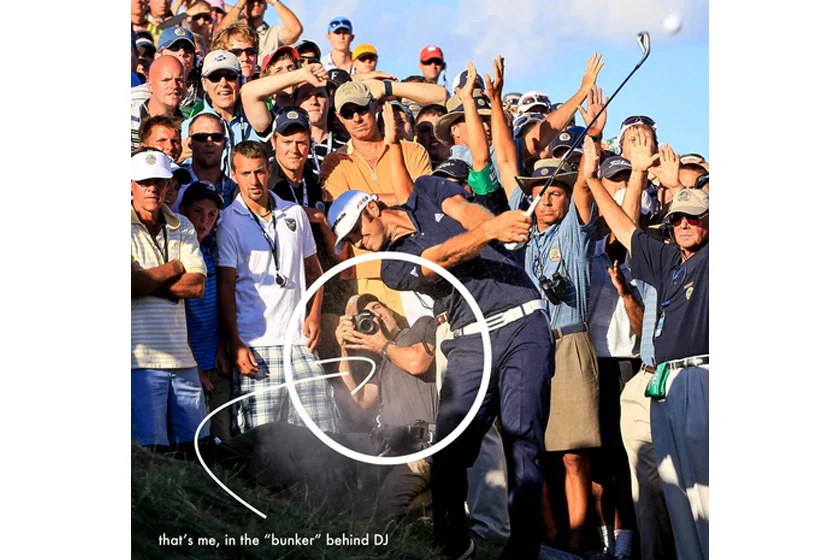
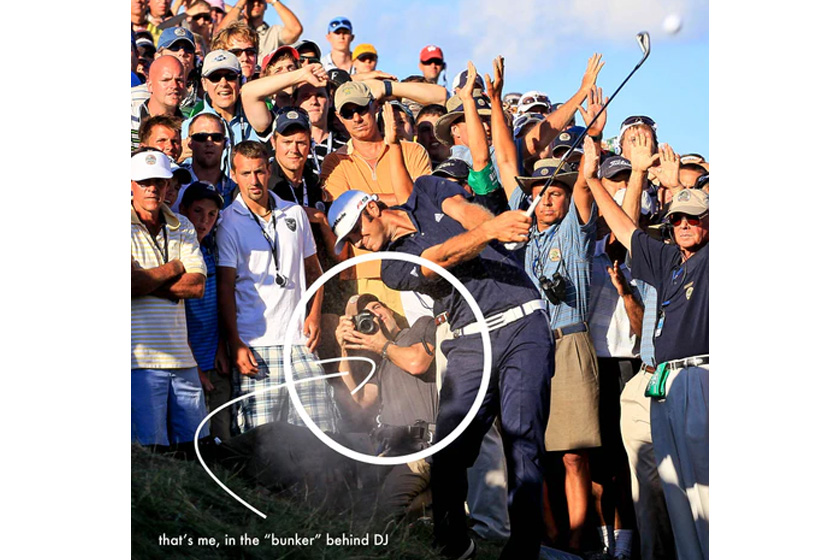
The professional photography equipment industry is currently witnessing a significant shift in design philosophy, spearheaded by veterans who are transitioning from being end-users to primary innovators. At the forefront of this movement is Allan Henry, a former photojournalist for USA Today whose twenty-year career on the sidelines of major sporting events has informed a new approach to "soft goods" and ergonomic transport. By launching the Atlas One system, Henry is challenging the conventional wisdom of mass-market camera bags, prioritizing long-term durability and specialized ergonomics over the rapid-cycle feature bloat common in contemporary consumer electronics accessories.
The Ergonomic Foundation: From USA Today to Atlas Packs
To understand the trajectory of Atlas Packs, one must analyze the physical demands of professional sports photography. During his tenure at USA Today, Allan Henry spent two decades carrying dual camera bodies and "heavy glass"—telephoto lenses that can weigh upwards of 10 pounds each. In this high-stakes environment, an eight-hour championship event is not merely a creative endeavor but a physical endurance test. Poorly positioned harnesses or excess weight do not just cause discomfort; they lead to cumulative physical fatigue that can degrade the quality of a photographer’s output and lead to chronic injury.

This unromantic relationship with gear provided the catalyst for Henry’s transition into design. When he founded Atlas Packs, his initial objective was to solve the problems inherent in backcountry and sports photography. His first major releases, the Adventure and Athlete packs, introduced a hybrid concept: marrying the sophisticated, custom-sized suspension systems found in high-end alpine trekking packs with the specialized, protective storage required for professional camera kits. This formula proved successful within the gear community, earning the Atlas Athlete Pack a Carry Award for Best Camera Bag and establishing the brand as a leader in the technical photography niche.
Chronology of Development: The 365-Day Variable Test
The development of the Atlas One system represents a departure from the "sprawling" design language of Henry’s earlier wilderness packs. While many manufacturers attempt to scale down successful outdoor designs for urban use, Henry opted for a "deliberate deceleration" in his R&D process. Rather than iterating quickly based on digital renderings or short-term samples, Henry initiated a 365-day variable test.
In this methodology, a single finished prototype was used daily for an entire calendar year without a single modification. The objective was to gather multi-seasonal data points on how the technical textiles reacted to various environments. This timeline allowed Henry to observe:
- Panel Settling: How the internal structure of the bag adjusted to weight loads over months of use.
- Environmental Stress: The impact of continuous UV exposure on different technical textiles and the effects of humidity and temperature fluctuations on seam integrity.
- Ergonomic Adaptation: How the frameless, modified yoke system interacted with the human body as the materials broke in.
- Friction and Wear: The identification of natural stress points where dirt and abrasion naturally accumulated on the body panel.
By resisting the urge to make reactionary tweaks after the first few months, the final production pattern for the Atlas One was backed by a full year of empirical evidence, ensuring that the bag’s long-term durability would exceed industry standards for everyday carry (EDC) gear.
Community Integration and the Minimalist Pivot
A critical phase in the Atlas One’s development involved the use of focus groups consisting of existing Atlas customers. Initially, Henry anticipated that his core audience—largely professional photographers and rugged outdoor enthusiasts—would demand a high degree of complexity, including specialized pockets, modular attachment points, and a multitude of camera-centric components.
However, the feedback from these focus groups provided a sharp reality check. The community expressed a clear preference for simplicity over feature density. The two primary demands were uncompromising comfort and flawless build quality. This data allowed Henry to aggressively "strip the clutter away," shifting the design focus toward optimizing core touchpoints and refining internal cleanliness.
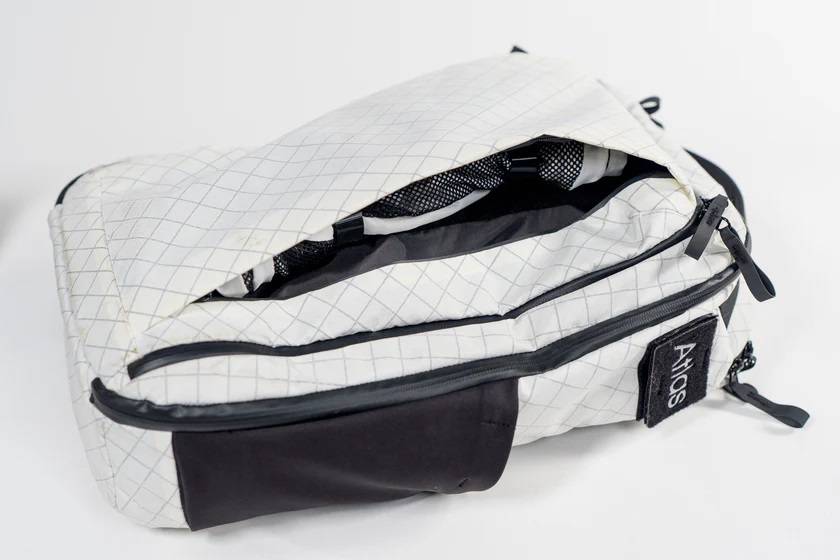
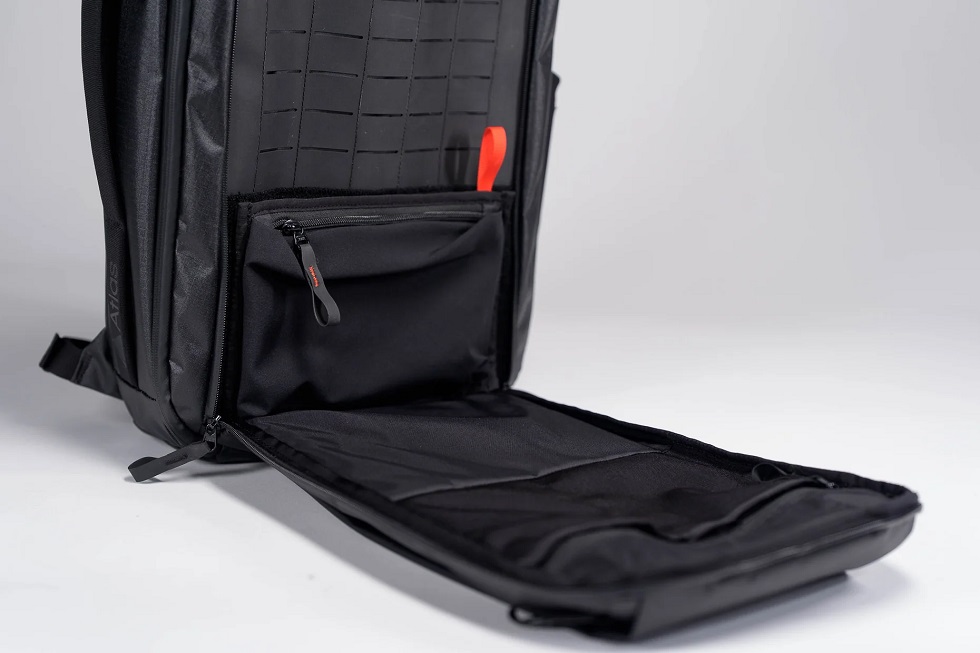
This pivot resulted in the "One Body, One Lens" philosophy. While many travel bags are designed as general-purpose "boxes" that require internal camera cubes or inserts—often leading to "dead space" and inefficient weight distribution—the Atlas One is built around the specific geometry of a streamlined camera setup. The interior is lined wall-to-wall with premium Velex loop fabric, creating a low-profile ecosystem that allows for gear stability without the bulk of traditional padding systems.
Technical Specifications and the Atlas One Lineup
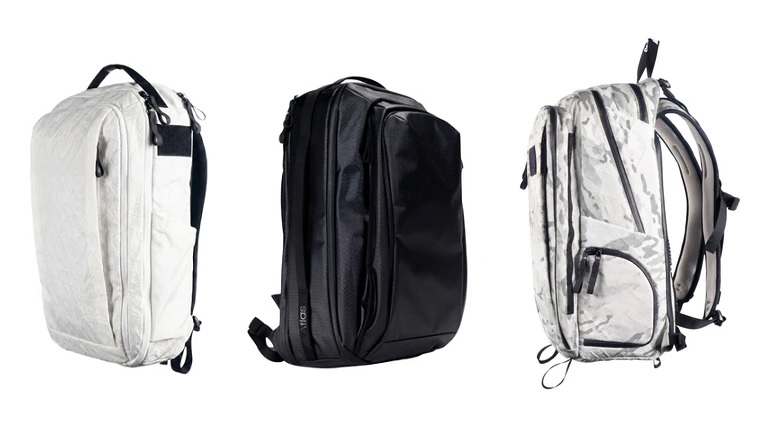
The Atlas One system is categorized into three distinct models, each utilizing a dynamic mix of fabric paneling to alter its character, weight, and pliability. This includes lightweight ripstops on low-impact face panels and high-denier technical textiles on the base and perimeter walls.
- The Day Pack (20–25L): Designed for urban environments, this ultra-compressed pack can flatten to a depth of just 4.5 inches. It is intended for users who require a slim profile for commuting while maintaining the capacity to carry a laptop and a primary camera setup.
- The Getaway Pack (25–32L): A deeper clamshell design optimized for multi-day travel. It is engineered to meet international airline carry-on standards while providing enough volume for personal items alongside professional gear.
- The Mission Pack (27–30L): The most technical of the trio, the Mission utilizes a built-in Origami Camera Core® and a magnetic side door. This configuration is optimized for quick access to larger telephoto setups, catering to photographers who need to move quickly in the field.
A notable aspect of the Atlas business model is the size-agnostic pricing. Henry has opted to price the bags based on the technical complexity and the cost of the textiles used in specific batches rather than the physical size of the bag. This reflects a "direct-to-consumer" philosophy where the value is placed on the material science and manufacturing labor rather than lifestyle branding.
Industry Implications: The Rise of the Independent Micro-Brand
The success of Atlas Packs serves as a compelling proof of concept for the independent micro-brand in a market often dominated by global conglomerates. By managing the entire lifecycle from initial prototyping to direct, small-batch production runs, Atlas maintains the agility of an independent design laboratory. This model allows for:
- Material Experimentation: The ability to vary fabric configurations from batch to batch based on the availability of high-performance textiles.
- Quality Control: Direct oversight of the manufacturing process to ensure that the "flawless build quality" demanded by the community is met.
- Authentic Engagement: A feedback loop where the designer is directly accountable to the end-user, fostering a loyal community of "gear enthusiasts."
Industry analysts suggest that the "deliberate deceleration" practiced by Henry may be a necessary response to the "planned obsolescence" prevalent in the wider consumer goods market. As professional photographers face increasing economic pressures, there is a growing demand for gear that represents a long-term investment rather than a disposable accessory.
Conclusion: A Blueprint for Modern Soft Goods Design
Ultimately, the story of Atlas Packs is not a narrative of mass-market scaling, but one of precision and patience. By stepping away from the sprawling, technical architecture of his earlier backcountry packs, Allan Henry has demonstrated that minimalist design is not about doing less, but about caring more about the fundamentals.
The Atlas One system marks a pivotal shift for the brand, proving that the lessons learned on the professional sidelines and in the alpine wilderness can be successfully translated into a refined, everyday ecosystem. By prioritizing direct community feedback and rigorous, long-term stress testing, Atlas Packs has carved out a unique space in the industry—one where the success of a product is measured by its connection to the user’s physical well-being and its ability to withstand the rigors of daily professional use. As the brand continues to evolve, it remains a benchmark for how independent designers can influence the broader landscape of technical soft goods through intentionality and a refusal to compromise on core ergonomic principles.