The landscape of professional photography has long been defined by a reverence for tradition, particularly within brands that have shaped its history. Leica, a name synonymous with precision engineering and timeless design, has built its M-System upon the foundation of the optical rangefinder. This intricate mechanical system has been the hallmark of M cameras for decades, offering a unique shooting experience that prioritizes direct optical feedback. However, the recent introduction of the Leica M EV1 marks a significant departure, integrating a sophisticated electronic viewfinder (EVF) and prompting a reevaluation of what constitutes the core of the M-System. Initial skepticism, including that of this author, has given way to a surprising realization: the M EV1 not only upholds the M legacy but potentially broadens its appeal to a new generation of photographers.
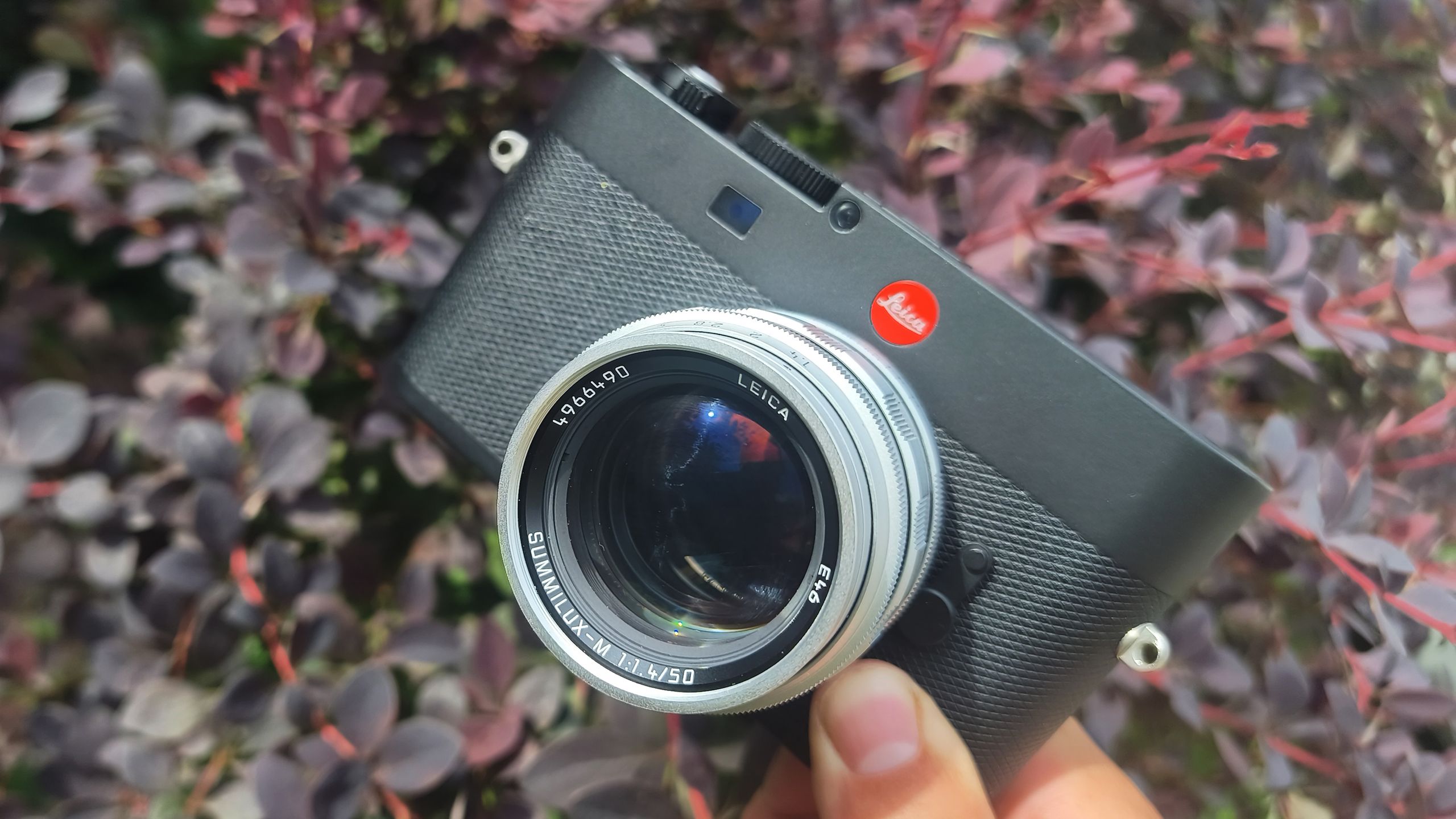
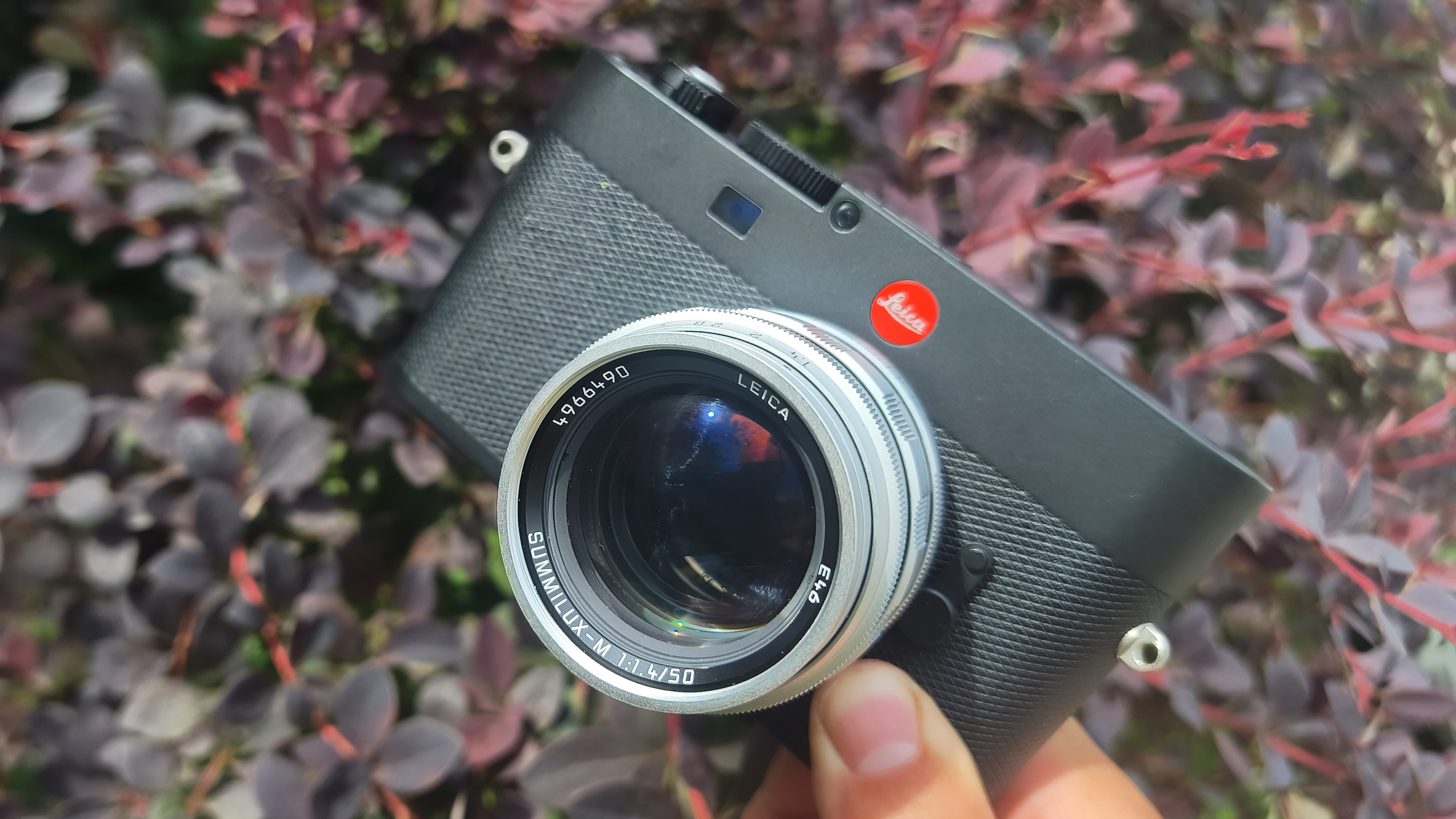
The apprehension surrounding the M EV1 stemmed from a deeply ingrained understanding of the M-System’s identity. For many enthusiasts and professionals, the rangefinder is not merely a component but the very soul of an M camera. Its absence, it was feared, would render the camera hollow, a mere shell of its former glory, stripped of the tactile and visual intimacy that has defined Leica rangefinder photography. This sentiment was amplified by the inherent qualities of electronic viewfinders, which have often been criticized for their perceived lack of clarity, potential for lag, and the digital artifacting that can detract from the immersive photographic experience. The fear was that the M EV1 would feel like a compromise, an attempt to modernize an icon at the expense of its defining characteristics.
A Familiar Form, A Revolutionary Heart
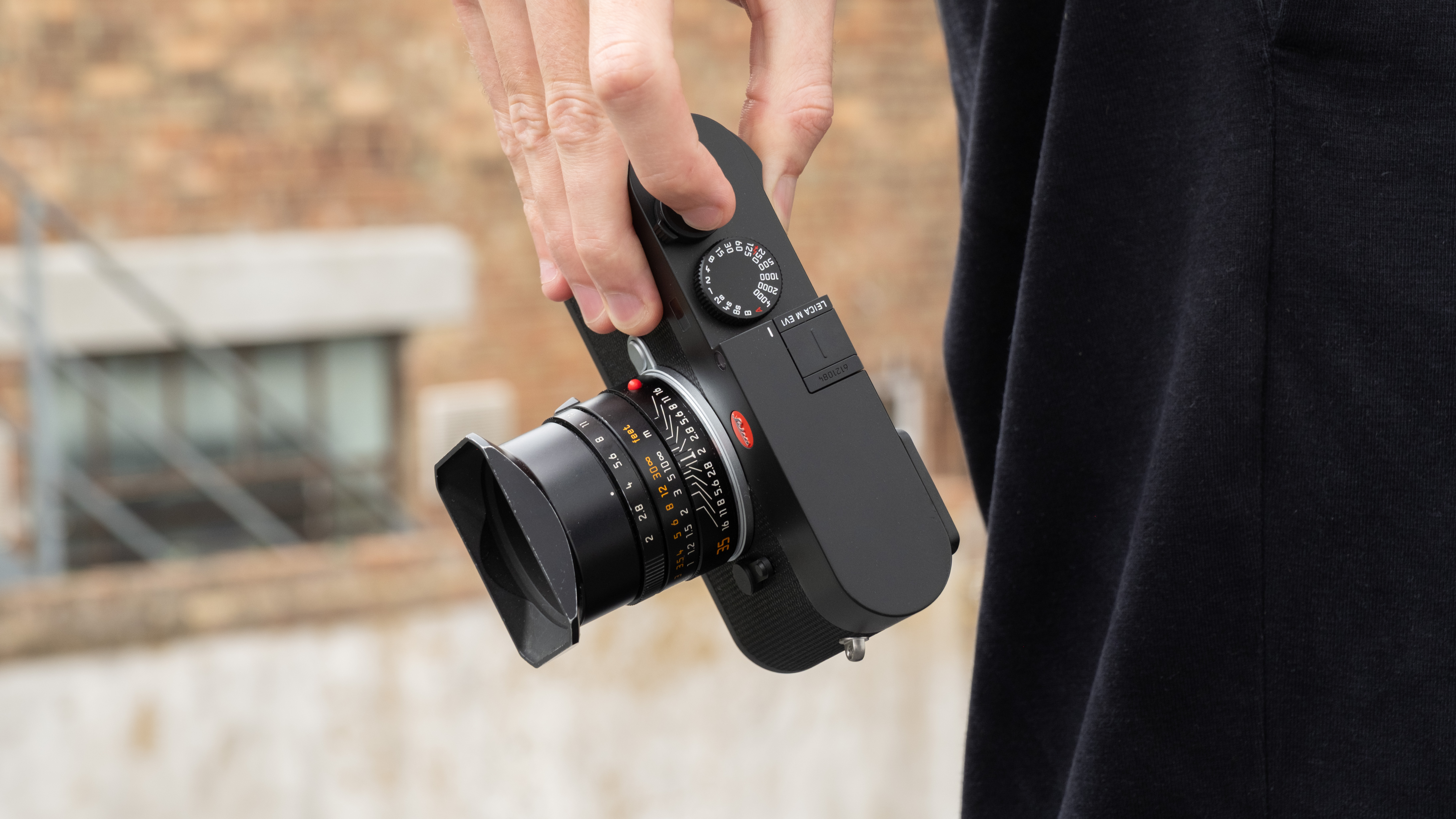
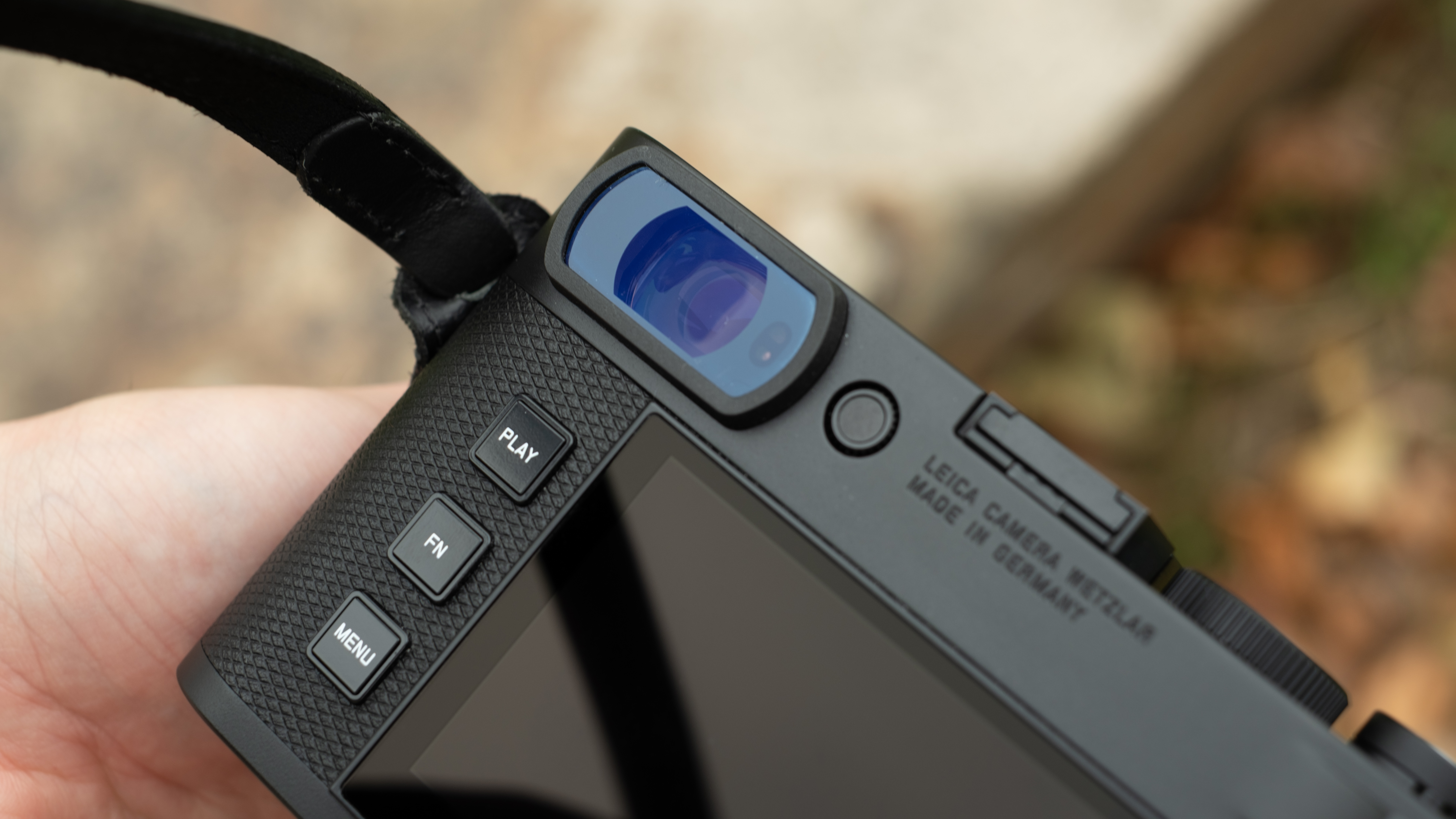
Upon first handling the Leica M EV1, these concerns begin to dissipate. The camera retains the quintessential M-System form factor, an achievement in itself. It does not feel like a hybrid device cobbled together from disparate elements, nor does it resemble other Leica offerings that have already embraced modern digital technologies, such as the fixed-lens Q-series. Instead, the M EV1 feels undeniably like an M camera. The physical ergonomics, the weight distribution, and the tactile response of the controls are all present and accounted for, evoking the familiar sense of confidence and precision that Leica users have come to expect.
In terms of weight, the M EV1 is notably lighter than its rangefinder-equipped counterpart, the Leica M11-P. Weighing approximately 495g with the battery, it offers a tangible difference from the M11-P’s 530g. While this reduction might seem minor on paper, it contributes to a more balanced and perhaps less fatiguing handling experience, especially during extended shooting sessions. Crucially, this reduced weight does not translate to a feeling of diminished build quality. When a lens is attached, the M EV1 achieves a remarkable sense of completeness, its heft and balance perfectly complementing the meticulously crafted optics that are a hallmark of the Leica ecosystem. The camera feels purposeful, solid, and every bit as satisfying to hold as any M-System camera that has preceded it.
The Electronic Viewfinder: Dispelling Doubts
The most significant departure for the M EV1 is its integrated electronic viewfinder. This is the area where initial skepticism was most pronounced. Traditionalists have long championed the optical rangefinder for its direct, unmediated view of the scene, its perceived superior clarity, and the almost three-dimensional "pop" it provides. The fear was that an EVF, no matter how advanced, would fail to replicate this experience and would introduce issues such as lag, eye strain, and a disconnect from the subject.

However, the EVF within the Leica M EV1 has proven to be a revelation. It activates instantaneously upon raising the camera to the eye, a crucial detail for photographers who may have been composing shots using the rear LCD. The depiction of motion is remarkably natural, devoid of the distracting "jelly" effect that can plague lower-quality EVFs, where the image appears to smear or distort during camera movement. The specifications are impressive: a 5.76-million-dot OLED finder offering a 60fps refresh rate and 100% frame coverage. More importantly, these specifications translate into a responsive and enjoyable user experience.
The ability to magnify the live image within the EVF is a particularly valuable feature, especially when utilizing longer or more specialized lenses. For instance, critically focusing with a 135mm Elmarit-M f/2.8, a lens that can be challenging to nail focus with using a traditional rangefinder, becomes significantly more manageable with the M EV1. The EVF allows photographers to zoom directly into the sensor image, confirming focus with a level of confidence that is simply not achievable through a rangefinder. This does not necessarily render the rangefinder experience obsolete, but it offers a distinct advantage in specific scenarios. Ultra-wide lenses, macro photography, and fast prime lenses all benefit from the direct, through-the-lens view provided by the EVF, eliminating the parallax errors inherent in rangefinder focusing.
Innovative Features and Reimagined Controls
Beyond the viewfinder, the M EV1 incorporates thoughtful design choices that enhance its usability. The traditional frameline selector, a physical lever on M cameras used to preview different focal length frame pairs, has been ingeniously repurposed. On the M EV1, this lever can be configured to control focusing assistance and digital zoom. This modernization of a classic control allows users to toggle focus peaking or activate digital crops of 1.3x (producing approximately 39MP images) or 1.8x (yielding about 18MP images). This provides a practical and intuitive way to achieve different focal lengths digitally, breathing new life into a familiar mechanical element.
The debate within the Leica community regarding the "M" designation for this camera is understandable. The M-System has been inextricably linked to the rangefinder for so long that its absence naturally sparks discussion about the purity of the lineage. From a marketing standpoint, it is logical to question whether a camera without a rangefinder should bear the revered "M" moniker. However, from a functional and experiential perspective, the M EV1 undeniably embodies the core principles of M-System photography. It retains the characteristic body, the intuitive controls, the manual focus philosophy, and, crucially, the direct compatibility with Leica’s extensive catalog of M-mount lenses. The fundamental shift lies in the method of composing the shot.
Areas for Refinement
Despite its many strengths, the Leica M EV1 is not without its areas for potential improvement. The internal storage capacity is one such point. With 64GB of internal memory, it matches the original Leica M11 but falls short of the 256GB offered by the M11-P. While 64GB is sufficient for many shooting styles, and an SD card can be inserted for additional storage, a higher internal capacity would have been more in line with Leica’s current premium offerings and offered greater peace of mind for users who shoot extensively in RAW.
A more nuanced concern relates to the handling of RAW and JPEG files, particularly in monochrome. When shooting in a DNG+JPEG configuration with the JPEG set to black-and-white, both the rear LCD and the EVF display a monochrome preview. While this offers a preview of the monochrome output, it limits the ability to assess the scene in color when composing through the EVF. A firmware update that allows for a color view in the EVF while maintaining a monochrome preview on the LCD would be a welcome addition. This would provide the best of both worlds: the immersive, color-accurate view through the finder and the ability to evaluate monochrome rendering on the rear screen.

Implications for the Future of M-System Photography
The introduction of the Leica M EV1 signifies more than just a new camera; it represents a strategic evolution for the M-System. By integrating a high-quality EVF, Leica is democratizing access to its legendary lens system. Photographers who may have been intimidated by the complexities of rangefinder focusing now have a more accessible entry point into the world of M photography. This is particularly relevant for those who have enjoyed the fixed-lens experience of the Q-series but desire the flexibility of interchangeable lenses. The M EV1 bridges this gap, offering the beloved M-System ethos with a modern, user-friendly viewing system.
The impact of this move is twofold: it preserves the core values of the M-System while simultaneously expanding its potential user base. The M EV1 does not diminish the legacy of rangefinder photography but rather complements it, offering an alternative pathway for photographers to experience the unparalleled quality of Leica optics and the deliberate, thoughtful approach to image-making that the M-System embodies.
Conclusion: A Bold Step Forward
The Leica M EV1 has successfully challenged preconceived notions about what an M camera can be. It demonstrates that the "soul" of the M-System is not solely vested in its optical rangefinder but is a more profound essence, residing in the meticulous craftsmanship, the optical excellence, the intuitive controls, and the emphasis on the photographer’s deliberate engagement with the act of creation. The camera’s ability to feel familiar yet revolutionary is a testament to Leica’s engineering prowess.
While minor refinements in storage and firmware could further enhance the user experience, the core achievement of the M EV1 is undeniable. It stands as a testament to Leica’s willingness to innovate while respecting its heritage. For photographers seeking the legendary M-System experience with the benefits of modern electronic viewing, the Leica M EV1 represents a compelling and deeply satisfying proposition. It is a camera that has proven its detractors wrong, a camera that has earned its place within the storied M-System, and a camera that may very well redefine the future of Leica rangefinder photography for a new era. The question is no longer if an M camera can succeed without a rangefinder, but rather how many photographers will embrace this evolution.