The ergonomic demands of modern photography have evolved significantly over the past two decades. As camera systems have shifted from bulky, mirror-based DSLRs to compact, high-performance mirrorless bodies, the accompanying accessories—specifically carrying systems—have undergone a parallel revolution. The standard-issue branded neck strap, once a staple of the photography industry, is increasingly viewed as insufficient for the specialized needs of working professionals. Whether documenting a fast-paced wedding, traversing rugged landscapes for nature photography, or navigating a crowded red-carpet event, the requirement for security, accessibility, and weight distribution has never been higher.
The Evolution of Camera Support Systems
Historically, the camera strap was a static accessory. In the late 20th century, manufacturers bundled basic nylon webbing with every camera purchase. These straps served a singular purpose: preventing accidental drops. However, as camera bodies became heavier with the introduction of pro-grade lenses, photographers began to report chronic neck and shoulder fatigue. By the mid-2000s, this systemic discomfort led to a surge in third-party engineering.
The industry experienced a paradigm shift between 2010 and 2015, defined by the "sling" revolution. Companies like BlackRapid and Peak Design introduced mechanisms that moved the camera away from the cervical spine and toward the hip. This design change was not merely a matter of comfort; it fundamentally altered the workflow of event photographers. Data from professional ergonomics studies suggest that distributing a four-pound camera-lens combination across the torso, rather than the neck, reduces localized pressure by approximately 60 percent, allowing for longer, pain-free shooting sessions.

Categorizing Modern Carrying Solutions
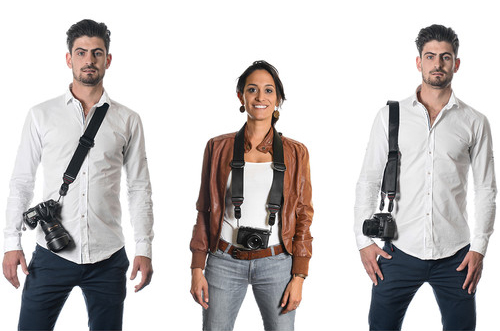
To navigate the current marketplace, photographers must distinguish between four primary categories: neck straps, sling straps, hand straps, and holster systems. Each offers a specific set of trade-offs regarding speed, security, and physical exertion.
Neck and Sling Straps: The Versatile Standard
The neck strap remains the most common interface between a photographer and their gear. However, contemporary designs have moved away from static webbing. The Peak Design Slide series currently stands as a benchmark in this category. Utilizing proprietary "Anchor Link" technology, these straps allow for rapid reconfiguration. The inclusion of internal padding and high-friction surfaces ensures that when worn as a sling, the camera remains stable against the body, mitigating the risk of the camera swinging and striking hard surfaces during movement.

For those requiring a blend of aesthetics and utility, brands like Ona provide leather-based solutions. While traditionalists often prefer the supple feel of Italian-tanned leather, these options generally serve the hobbyist market better than the high-intensity professional sector, as they lack the rapid-adjustment hardware found on synthetic, mission-specific gear.
Hand and Wrist Straps: Precision for Compact Systems
Hand straps, such as the Peak Design Clutch or the Spider Pro Hand Strap, are designed for the "street photographer" workflow. By securing the camera directly to the palm, these devices ensure the camera is an extension of the hand. This is particularly beneficial for photographers using mirrorless systems, where the smaller body footprint can sometimes lead to an insecure grip. Research indicates that using a properly fitted hand strap improves stability during long-exposure handheld photography by providing a secondary anchor point.

Holster Systems: The "Quick-Draw" Efficiency
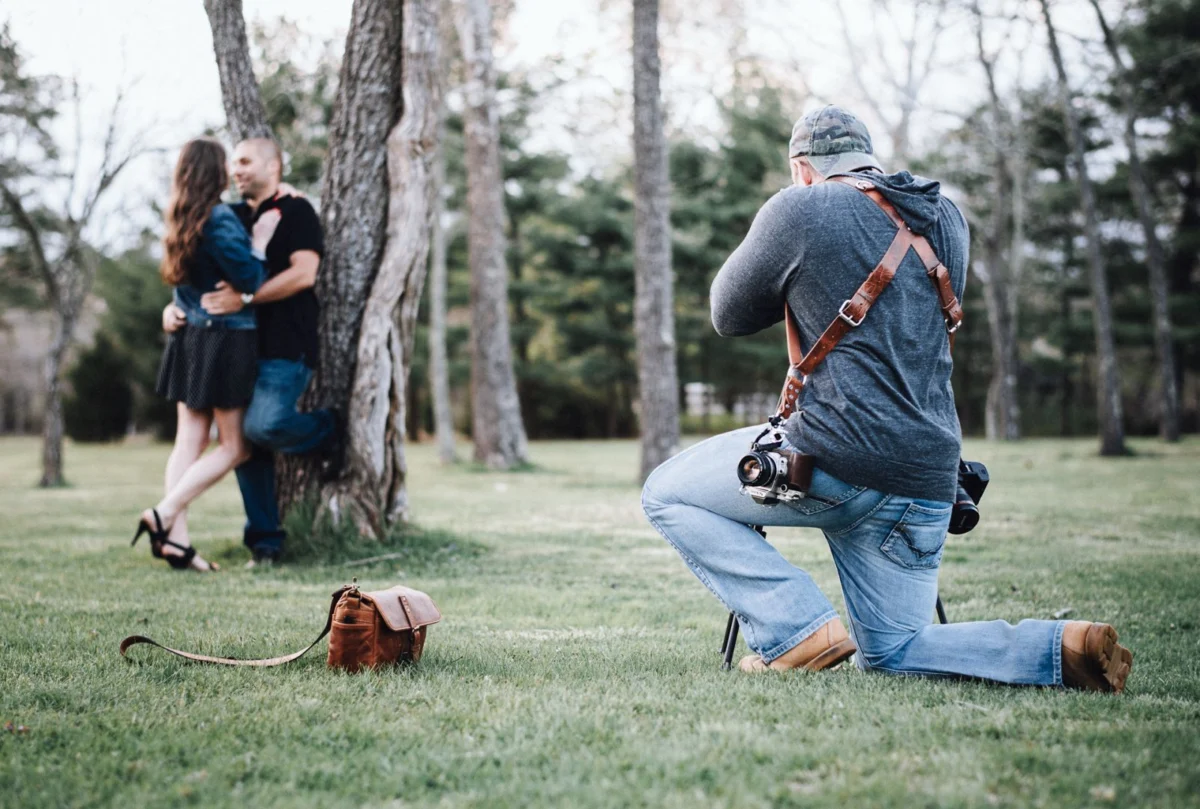
The most advanced segment of the market consists of mechanical holster systems. The Holdfast Gear Money Maker and the Spider Camera Holster represent the pinnacle of this technology. These systems are favored by wedding and sports photographers who frequently switch between multiple camera bodies.
The rationale behind these systems is rooted in efficiency. A dual-holster setup allows a photographer to carry two full-frame bodies simultaneously, effectively eliminating the time lost in swapping lenses. The mechanical locking mechanisms on these holsters have been stress-tested to support upwards of 100 to 200 pounds of force, providing a level of security that exceeds the requirements of even the most rugged field conditions.

Analytical Overview of Market Implications
The transition toward third-party support systems carries significant implications for equipment longevity and physical health. Industry analysis suggests that a significant percentage of "equipment-related accidents"—such as cracked rear LCD screens or damaged lens mounts—occur during the transition from a bag to a shooting position.
Professional associations, including the Professional Photographers of America (PPA), have frequently highlighted the importance of ergonomic health for long-term career viability. The shift toward holster systems is not merely a trend; it is a mitigation strategy against repetitive strain injuries (RSI). Furthermore, the modularity of modern systems, such as the Peak Design Capture Clip, allows for a "hybrid" approach, where a photographer can secure their camera to a backpack strap during a hike and transition to a wrist strap upon reaching the destination.

Strategic Selection Criteria
When evaluating which system to adopt, photographers should consider three primary variables:
- Weight Distribution: If the primary kit exceeds five pounds, a single-point neck strap is discouraged. A cross-body sling or a dual-camera harness (like the Money Maker) is objectively superior for weight management.
- Environment: In high-traffic environments, such as street parades or crowded events, a camera that hangs at the hip on a long sling is more susceptible to accidental impact. A hand strap or a high-mounted holster may provide better control in these settings.
- Deployment Speed: For photojournalists, the "time-to-first-shot" is the critical metric. Systems that utilize quick-release plates or mechanical docks consistently outperform traditional split-ring attachments.
Conclusion
The "best" camera strap is a subjective determination based on the physical profile of the photographer and the nature of the assignment. While the included kit strap may be sufficient for a casual weekend outing, it is rarely the optimal tool for professional output. By moving toward specialized hardware—whether it be a breathable mesh sling or a secure, belt-mounted holster—photographers can improve their physical comfort, secure their high-value assets, and ultimately increase their efficiency in the field.

As technology continues to advance, the integration between camera bodies and support accessories will likely become even more seamless, with manufacturers increasingly designing cameras with proprietary mounting points that accommodate these third-party ecosystems. For the modern photographer, investing in a high-quality carrying system is no longer an optional luxury; it is a fundamental component of a professional toolkit.