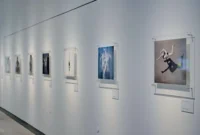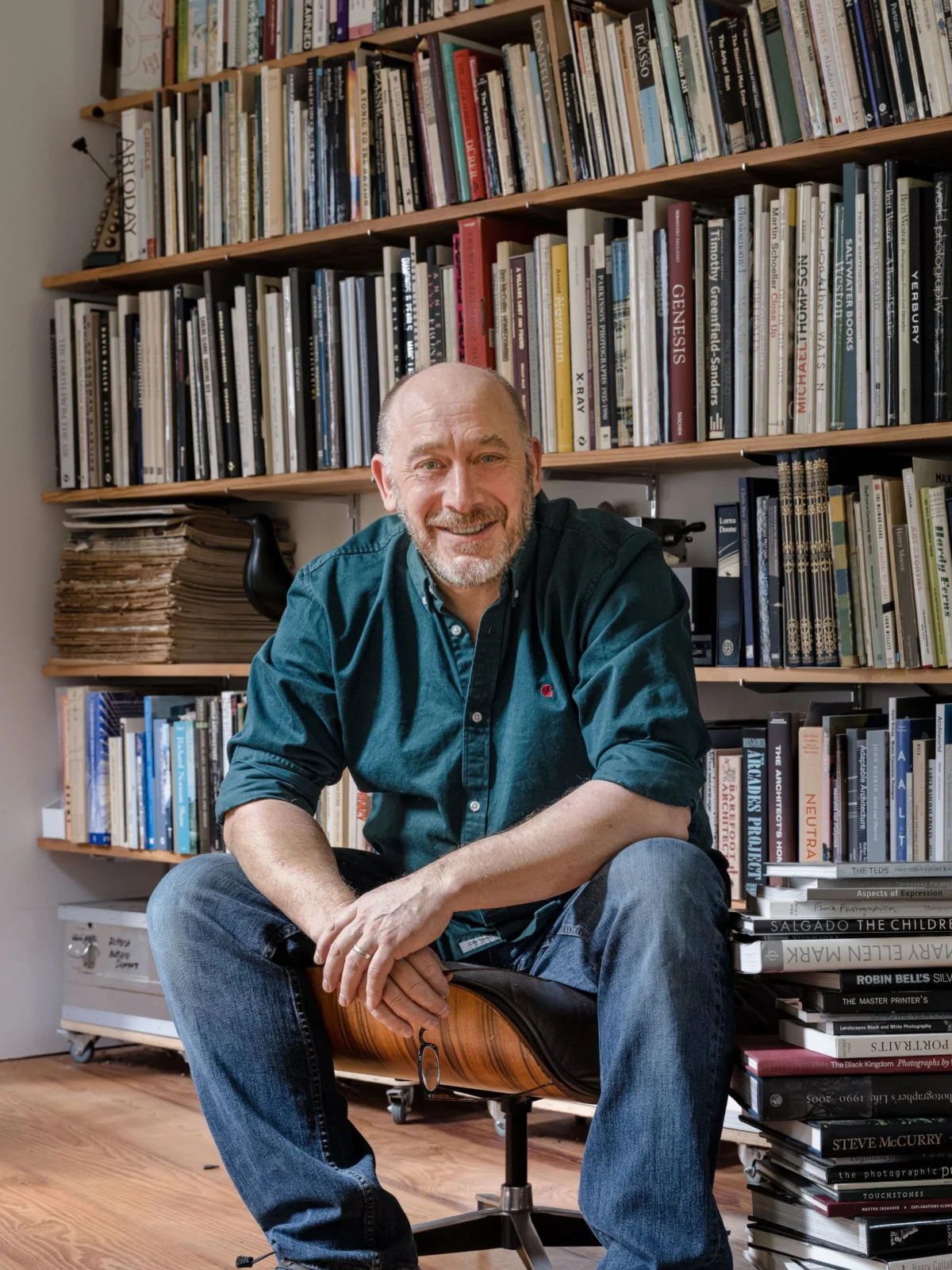
When the public encounters exceptional architecture, their gaze is typically drawn to sleek glass facades, soaring steel frames, and meticulously engineered structures. Yet, the human stories, iterative failures, and philosophical debates that birthed these spaces usually remain hidden behind closed studio doors. Acclaimed architectural photographer Timothy Soar seeks to dismantle this anonymity with his latest exhibition, Reinventing Practice. Currently on display at the Building Centre in London through October 30 as part of the month-long Regenerative Design 2026 program, the exhibition shifts the spotlight from the built environment to the minds shaping it. Featuring intimate portraits of 40 pioneering architects at the vanguard of the British building industry, Soar’s work offers a profound commentary on the intersection of human personality, professional evolution, and environmental urgency.
Shifting the Lens: From Inanimate Structures to Human Creators
For decades, architectural photography has operated under a strict visual grammar: pristine, unpeopled spaces captured in optimal natural light, designed to present a building as a timeless, autonomous sculpture. Soar’s artistic trajectory represents a deliberate departure from this tradition.
"In making the series, I hadn’t really turned away from photographing architecture," Soar explains. "I was trying to extend its photographic language to include the people responsible for making it."
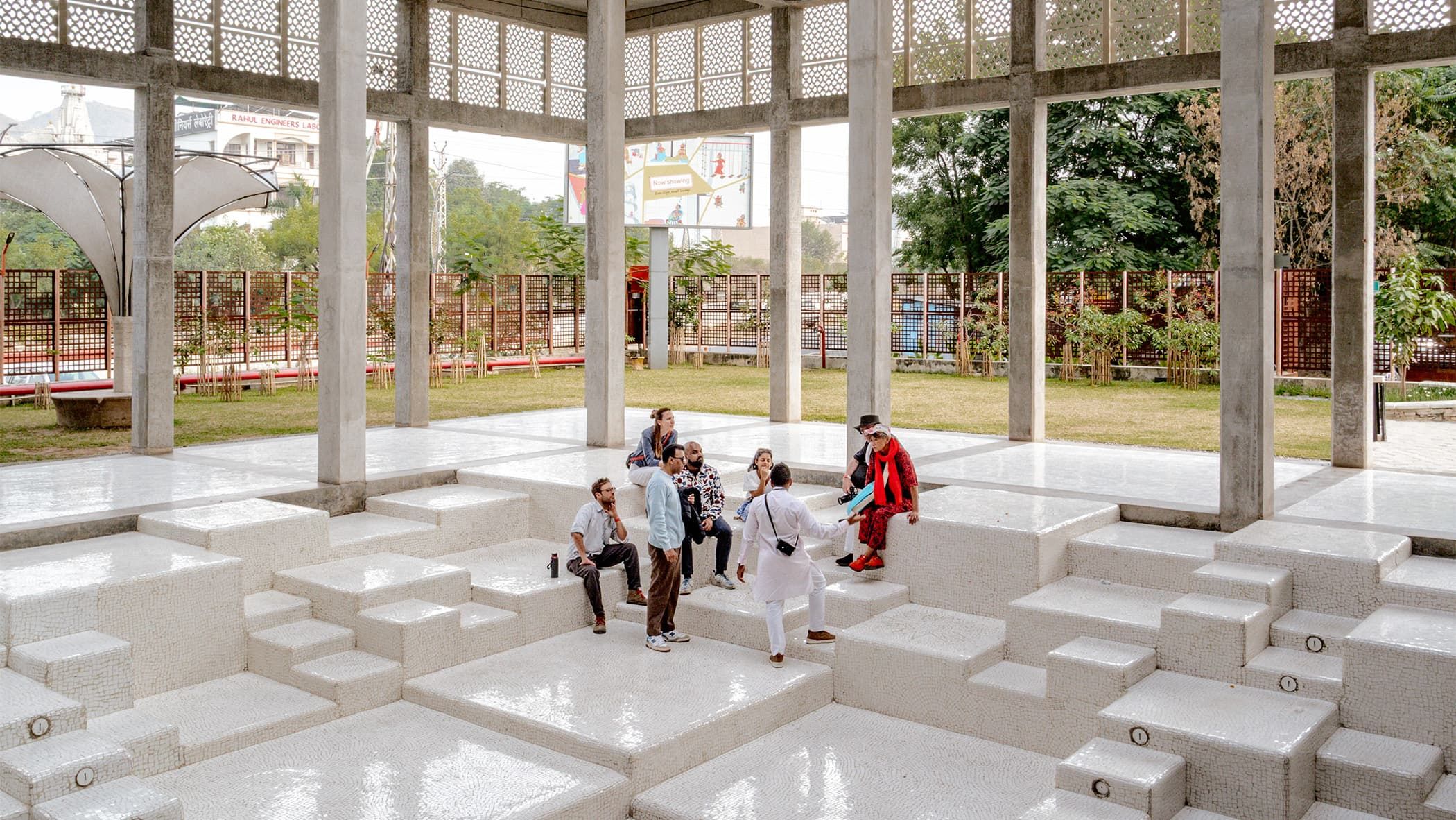
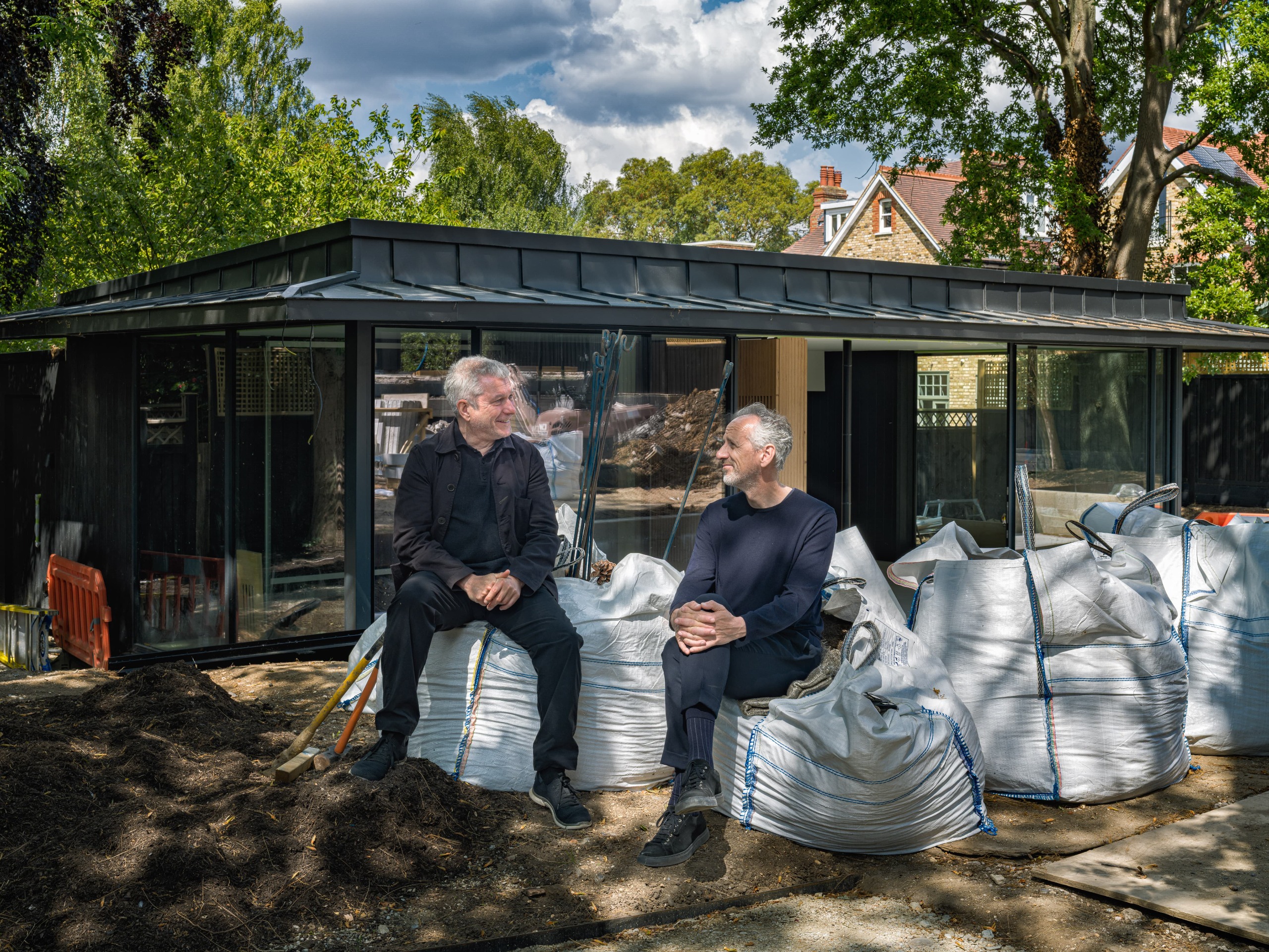
Rather than relying on sterile, corporate headshots that strip subjects of their context, Soar collaborates closely with each architect to capture them within their native habitats—cluttered studios, communal workspaces, or unconventional settings that reflect their working ethos. For instance, a standout portrait features Rupert and Socrates of MCM Architecture casually perched atop massive bags of compost, engaged in animated conversation like old friends. This approach strips away the intimidating aura often associated with elite design firms, revealing approachable, passionate practitioners deeply invested in their craft.
A Two-Decade Evolution: The Technological Shifts Enabling Intimate Portaiture
The intellectual roots of Reinventing Practice trace back more than twenty years to 2004, a pivotal moment in both photography and architectural journalism. Armed with his first digital camera—a Canon 1Ds paired with a tilt-shift lens—Soar encountered a technological breakthrough.
Prior to adopting digital systems, Soar worked extensively with large-format 4×5-inch transparency film. While this medium yielded breathtaking architectural fidelity, it presented immense logistical hurdles when attempting to incorporate living subjects into expansive interiors due to lighting constraints and slow exposure times. The advent of high-resolution digital sensors and specialized tilt-shift optics provided a fast, powerful toolkit capable of balancing ambient interior illumination with human subjects without sacrificing geometric precision.
Shortly after acquiring his new gear, Soar partnered with Isabel Allen, then-editor of the influential Architects’ Journal (AJ). Together, they conceived a collaborative project aimed at humanizing the architectural profession. This partnership culminated in the landmark 2005 edition of 40 Under 40, a widely discussed feature celebrating emerging British design talent.
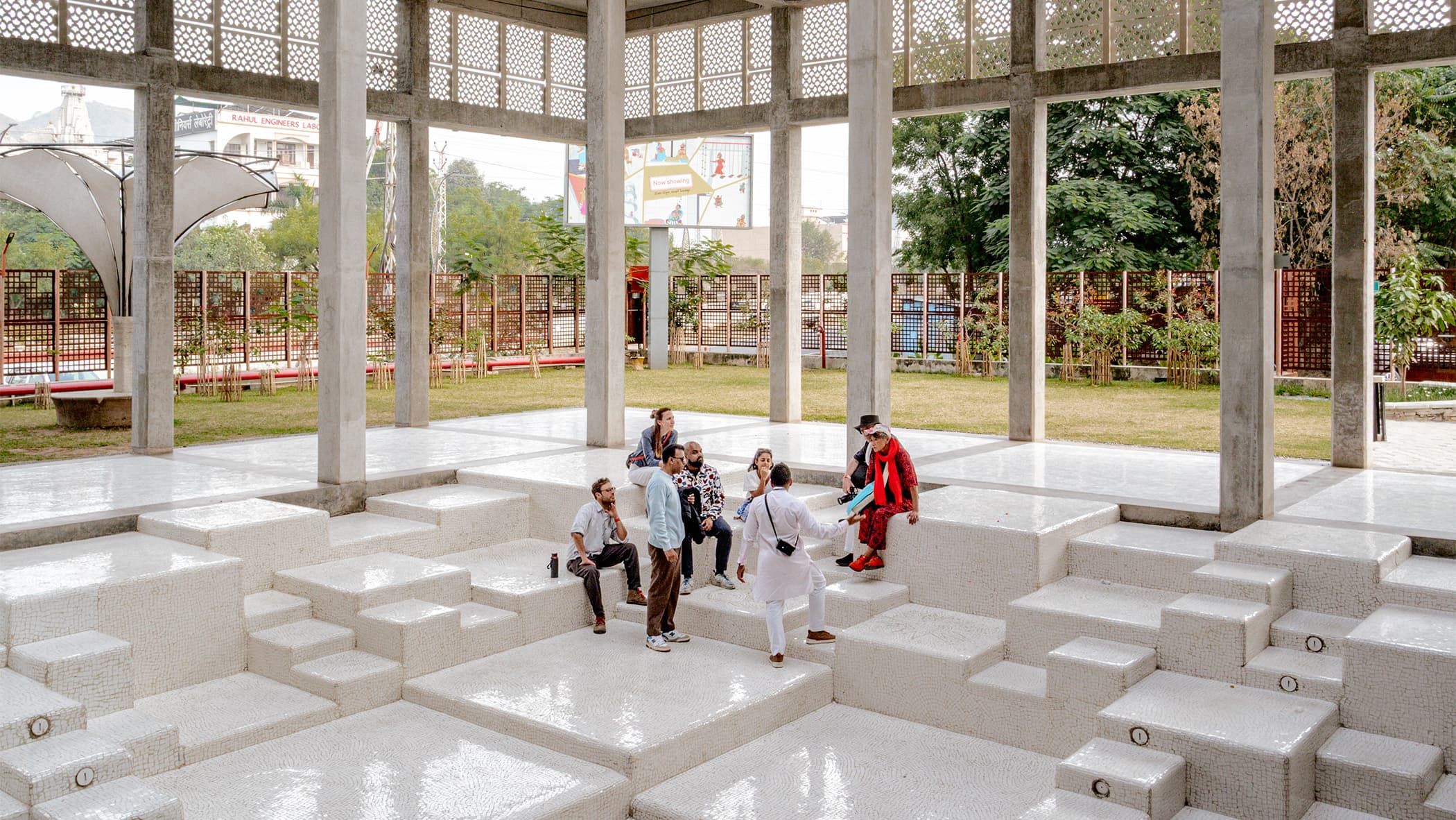
"The series went on to become the most popular feature in the magazine and provoked some splendid, occasionally heated, conversations in the letters pages," Soar recalls.
Two decades later, Reinventing Practice serves as both a spiritual successor and an evolutionary leap from that 2005 milestone. To maintain rigorous visual continuity across the contemporary series, Soar utilized a high-end Fujifilm GFX 100 medium-format camera paired with a Canon TS-E 50mm f/2.8L tilt-shift lens. Shooting consistently at ISO 100 and around f/11—frequently utilizing deliberate shutter speeds of 1/4 or 1/2 second—Soar established a cohesive, documentary-style visual language that binds the diverse portraits together into a unified collective narrative.
The Crucible of Climate Change: Redefining Architectural Responsibility
While Soar’s subjects challenge outdated stereotypes of the solitary, autocratic architect dictating designs from an ivory tower, their most significant departure from tradition lies in their methodology. The contemporary British architectural landscape is undergoing a seismic shift, driven not merely by aesthetic innovation, but by ecological necessity.
According to data compiled by the Royal Institute of British Architects (RIBA), the built environment sector accounts for a substantial percentage of global carbon emissions, making climate change the single greatest threat to the industry’s future viability. Architects today are confronted with unprecedented environmental pressures, ranging from extreme urban heat islands and heightened flood risks to mass demographic shifts and climate-induced migration.
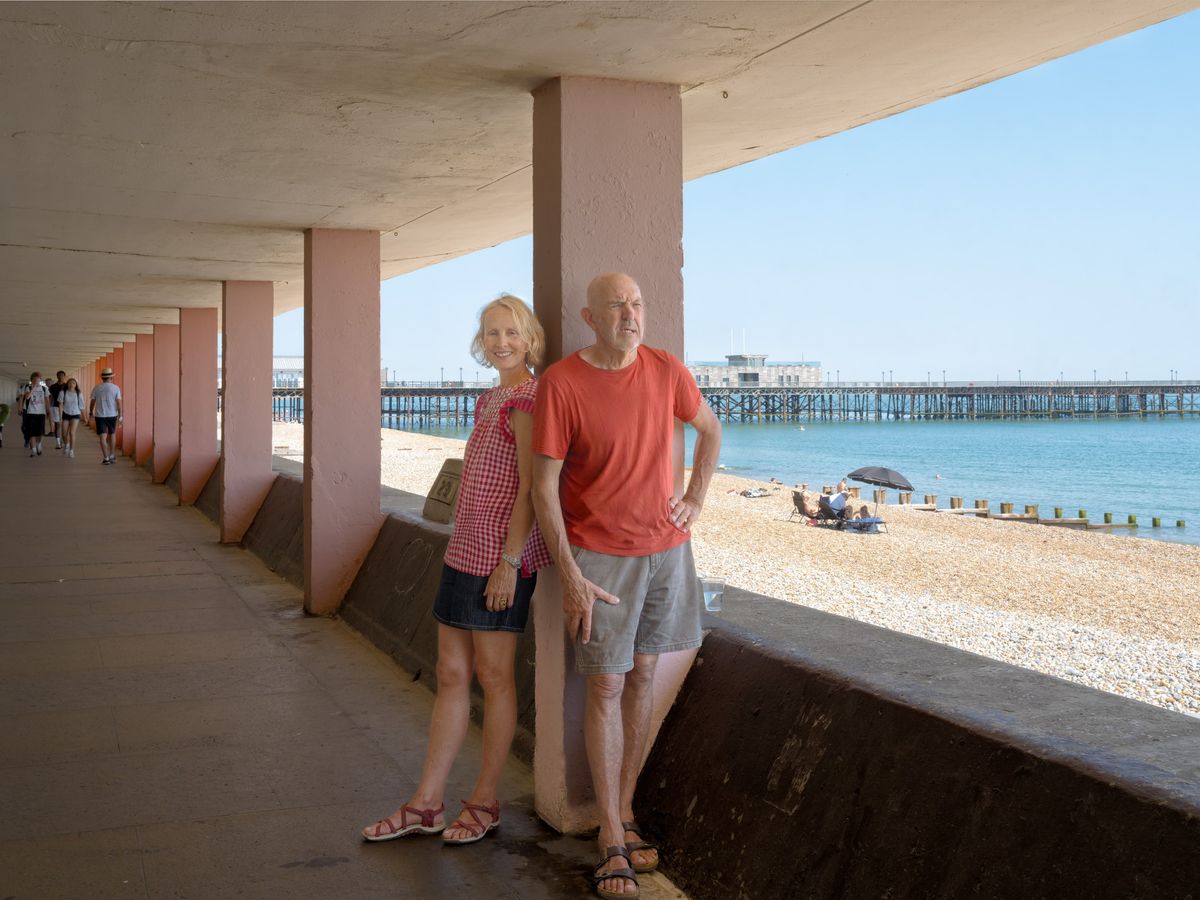
The practitioners featured in Soar’s exhibition are not passive observers of this crisis; they are active combatants on the front lines of sustainable design. Their portfolios showcase adaptive reuse, circular material economies, carbon-neutral construction techniques, and passive cooling strategies designed to future-proof urban centers against rising global temperatures.
Despite the existential gravity of these challenges, Soar notes that the prevailing sentiment among his subjects is remarkably distinct from the ecological doomism often dominating mainstream media cycles.
"I think what I’ve learnt is how optimistic, engaged, and positive these architects are, how much they have to contribute to the debate, and the extraordinary range and imagination of the solutions they’re developing," Soar remarks. "I’ve found their optimism rather moving."
Broader Implications: Bridging the Gap Between Public and Practitioner
The cultural impact of Reinventing Practice extends well beyond the walls of the Building Centre. For decades, a disconnect has persisted between the architectural profession and the general public. Buildings are frequently experienced as imposed realities—either celebrated or criticized—with little public understanding of the socio-economic constraints, environmental mandates, and collaborative negotiations that shaped their creation.
By humanizing the profession, Soar’s exhibition fosters a deeper public literacy regarding the built environment. When viewers gaze upon these portraits, they are reminded that architecture is fundamentally a social act. Every sustainable timber frame, every thoughtfully retrofitted housing block, and every climate-resilient public square is the product of human ingenuity, empathy, and collective resolve.
As the Building Centre’s Regenerative Design 2026 initiative continues to examine how design disciplines can successfully pivot toward regenerative futures, exhibitions like Soar’s serve a vital cultural function. They ensure that in our rush to measure sustainability through quantitative metrics like embodied carbon and energy ratings, we do not overlook the qualitative human element—the visionaries, pragmatists, and optimists who dare to redesign our world from the ground up.