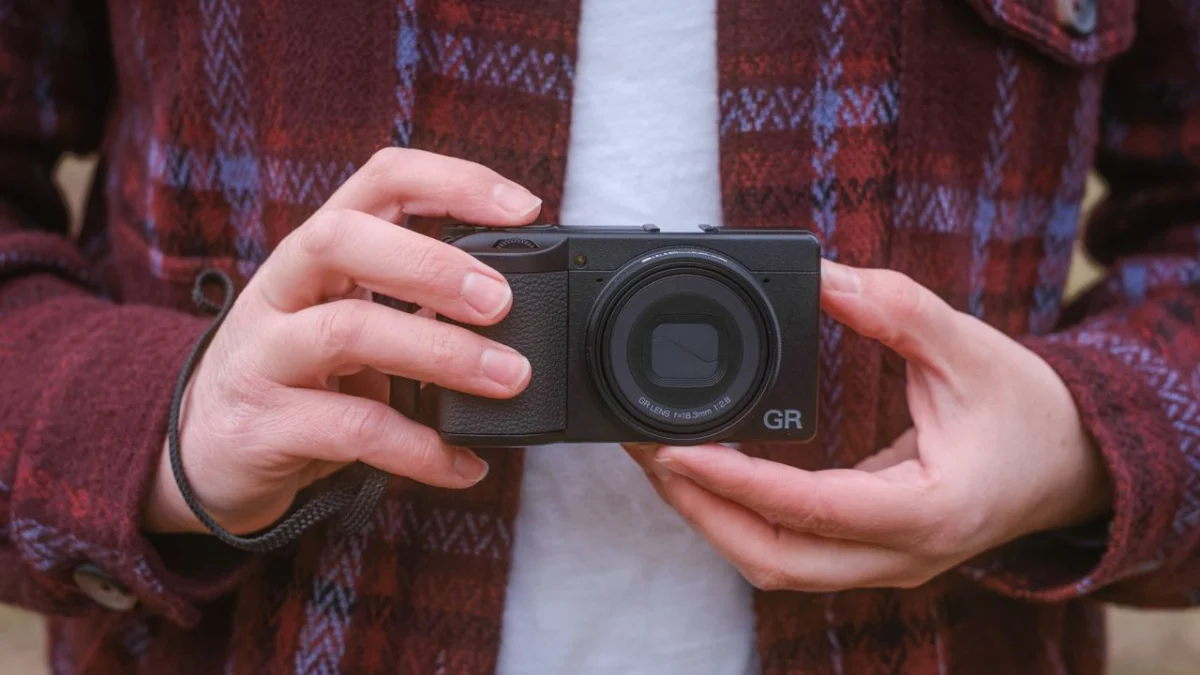
The pocket-sized design and APS-C sensor have cemented the Ricoh GR series as a legendary name in the compact camera market. However, what might initially seem like a single product is, in fact, a nuanced lineup comprising several distinct models, each catering to specific photographic needs and preferences. This article delves into the intricacies of the Ricoh GR IV, GR IV HDF, GR IV Monochrome, GR IIIx, and GR IIIx HDF, exploring their unique features, performance, and target audiences.
The Evolution of an Icon: Understanding the GR Series
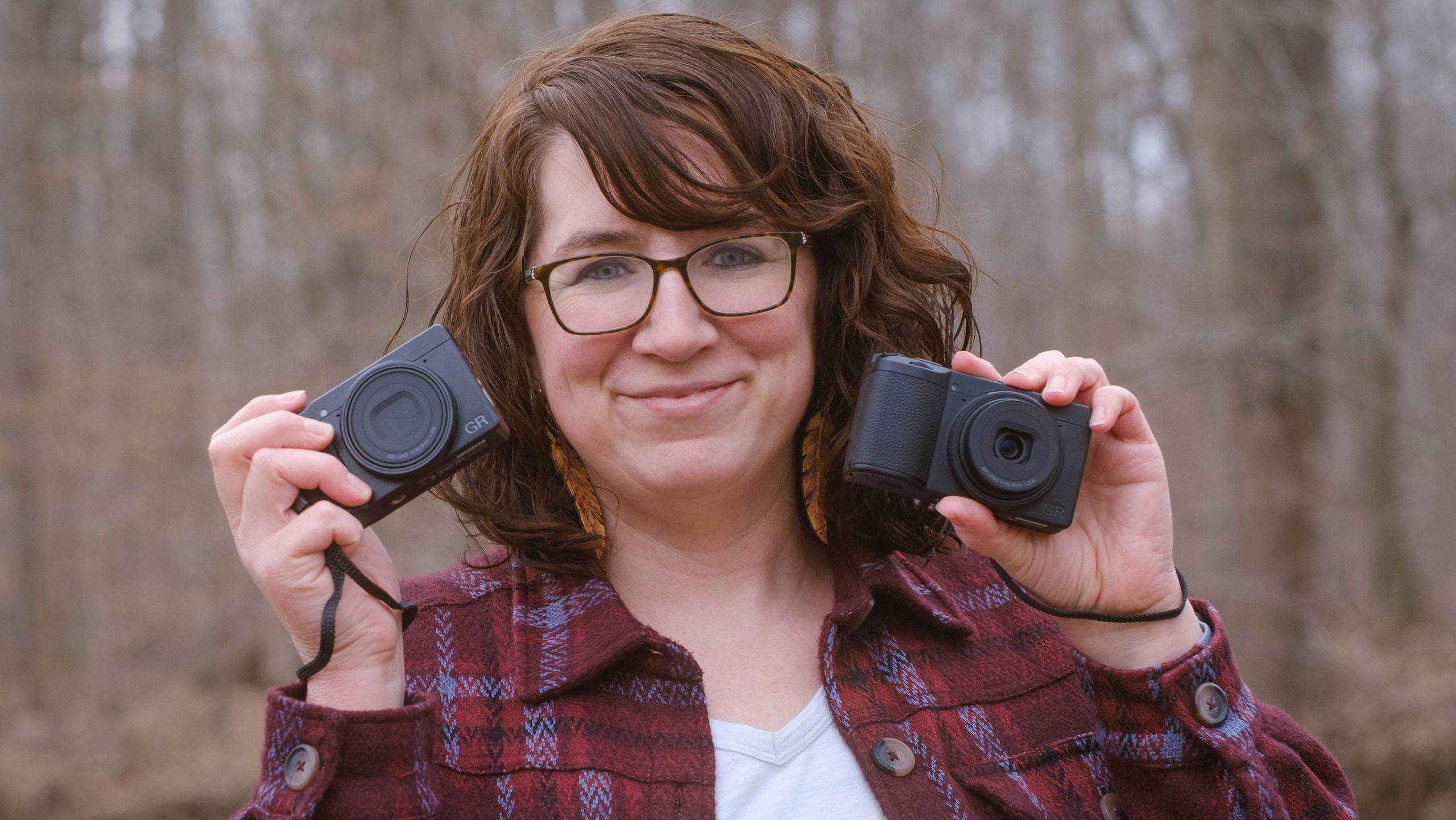
For decades, Ricoh has cultivated a loyal following for its GR series, renowned for its uncompromising image quality within an exceptionally compact form factor. The series’ philosophy revolves around providing professional-grade imaging capabilities in a camera that can be carried anywhere, making it an ideal companion for street photographers, documentary artists, and everyday enthusiasts alike. The introduction of the GR IV in 2025 marks a significant evolutionary step, building upon the successes of its predecessors, the GR III and GR IIIx, while introducing refinements and specialized variants.
Ricoh GR IV: The Benchmark for All-Around Performance
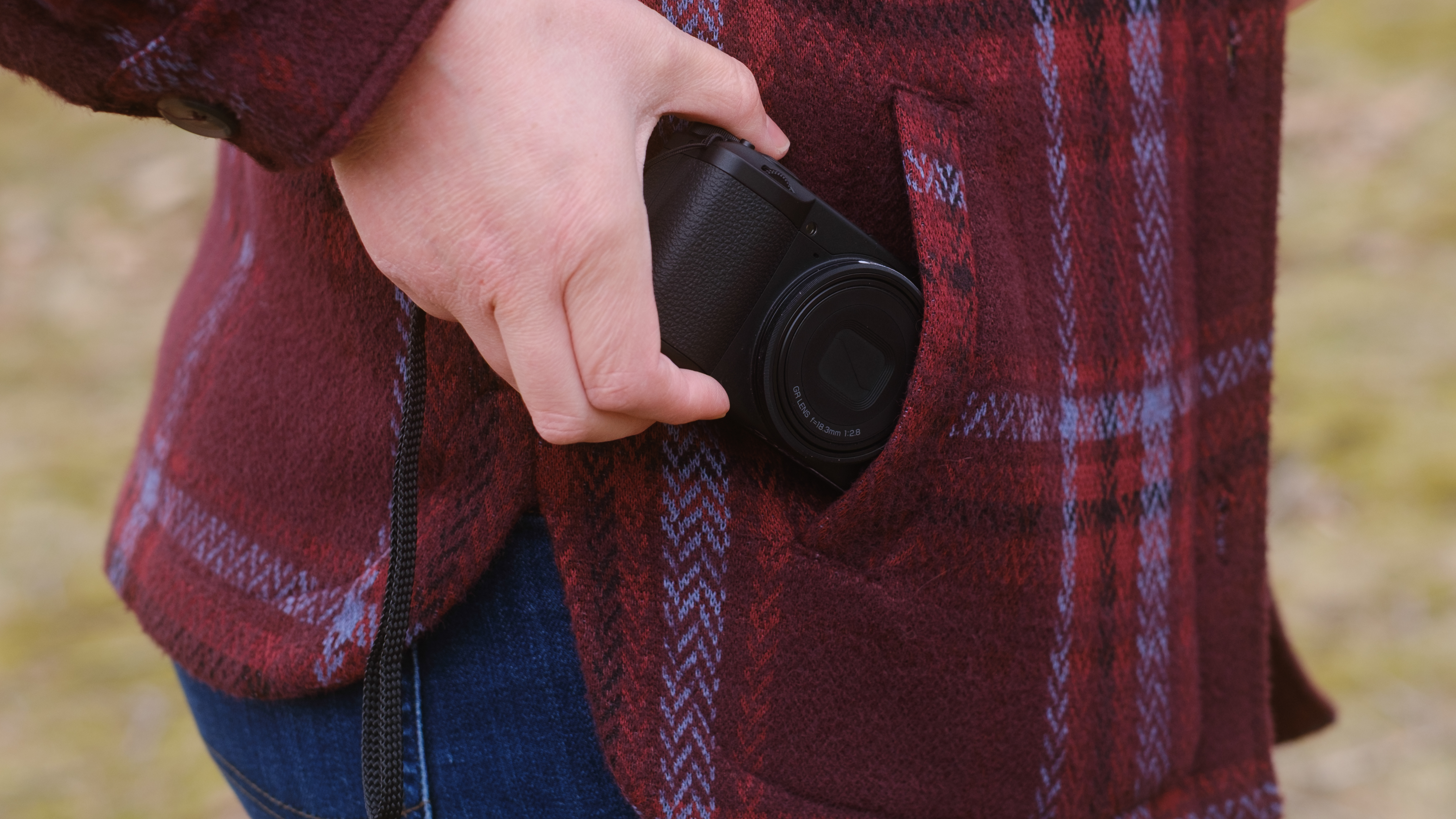
The Ricoh GR IV stands as the current flagship and the most versatile option within the expanded GR series. Released in 2025, it continues the lineage of packing a substantial APS-C sensor into a remarkably small body, measuring just 262 grams. At its core is a 25.74MP BSI CMOS sensor, a modest but impactful resolution upgrade from the 24.2MP sensors found in the GR III models. The real leap forward, however, lies in the integration of the new GR Engine 7 processor. This advanced processing power translates into a discernible improvement in autofocus speed and accuracy, alongside enhanced in-body image stabilization, addressing a long-standing area of potential enhancement for the series.
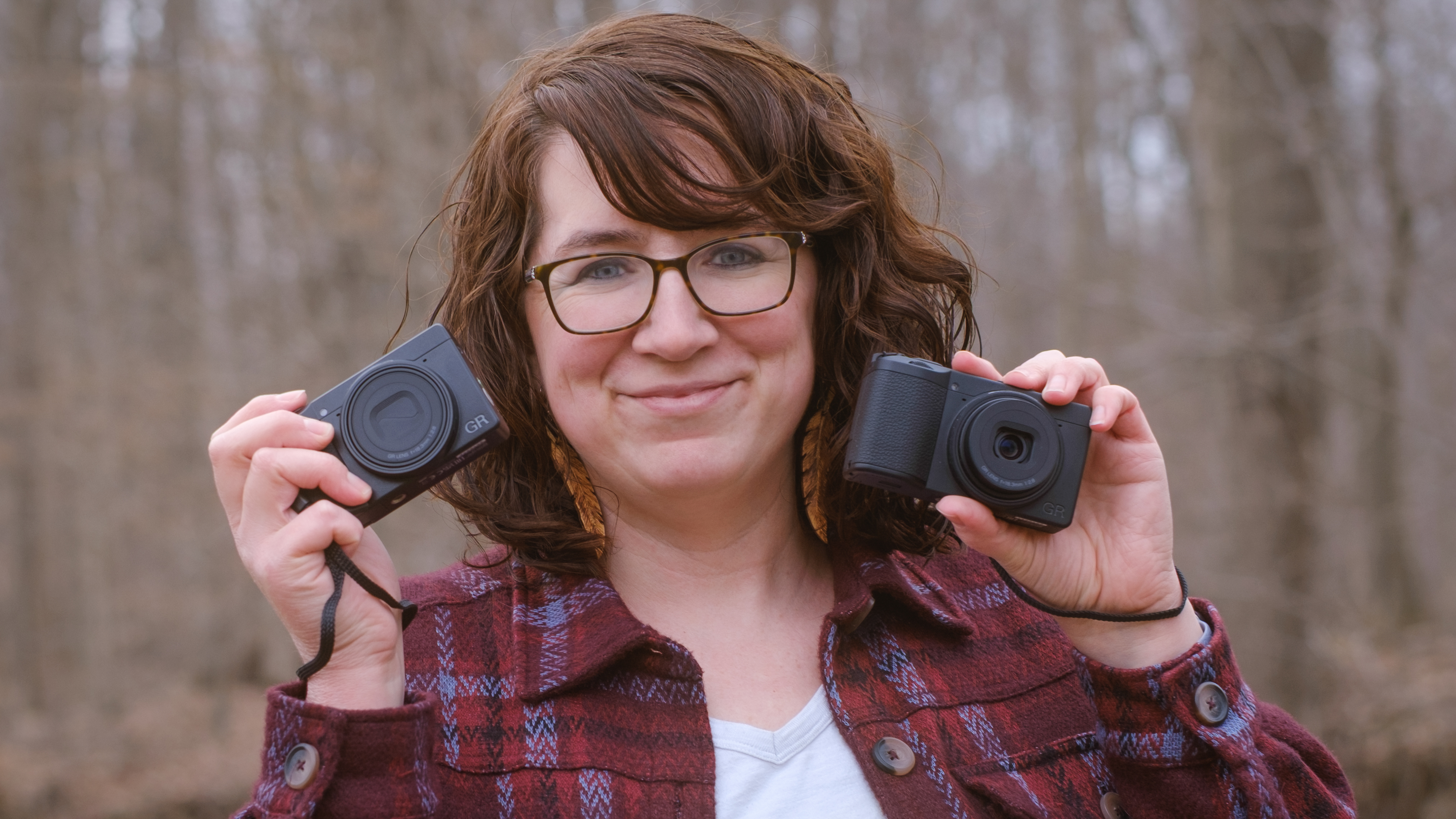
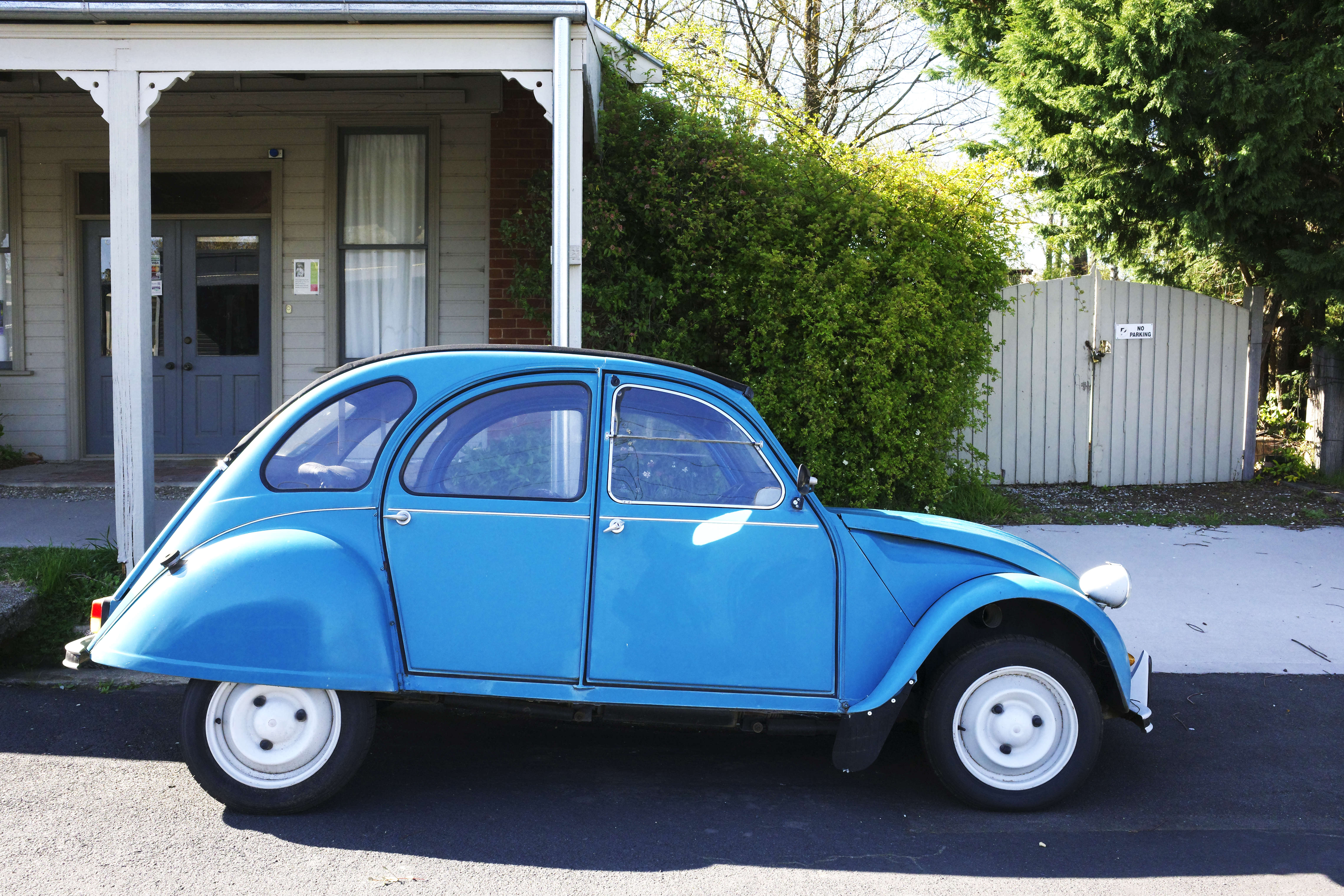
While the GR IV maintains the GR series’ signature 28mm equivalent f/2.8 lens, a focal length celebrated for its suitability in street and landscape photography, its limitations for genres like portraiture remain. The camera’s capabilities are geared towards capturing the immediacy of street scenes and the grandeur of wider vistas rather than isolating subjects with shallow depth of field. Video capabilities, limited to 1080p at 4fps, reinforce its primary purpose as a stills-focused camera, eschewing action and cinematic pursuits for the art of still image capture. The sample images produced by the GR IV showcase its ability to render scenes with clarity and detail, characteristic of its APS-C sensor and refined processing.
Ricoh GR IV HDF: Embracing the Film-Like Aesthetic
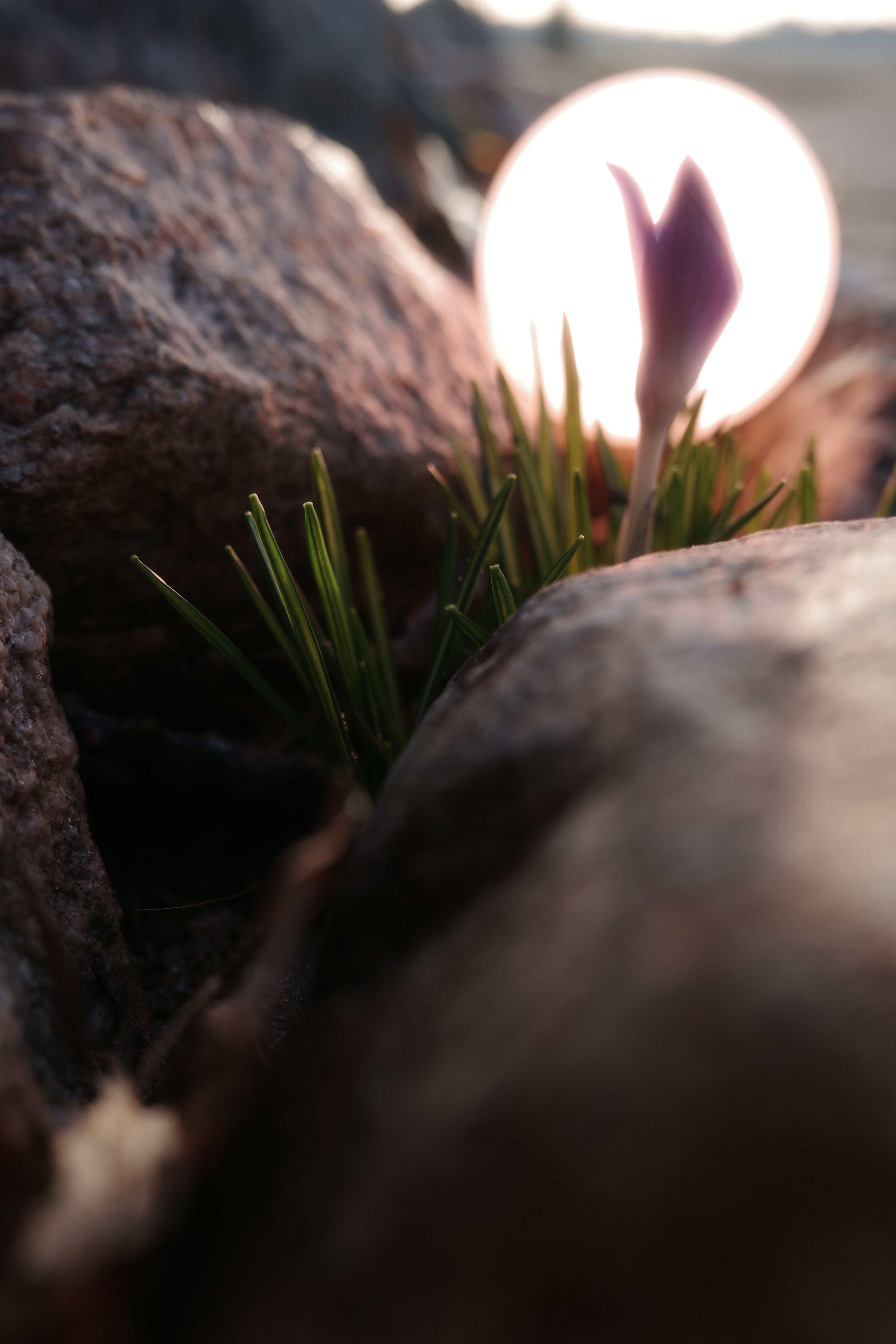
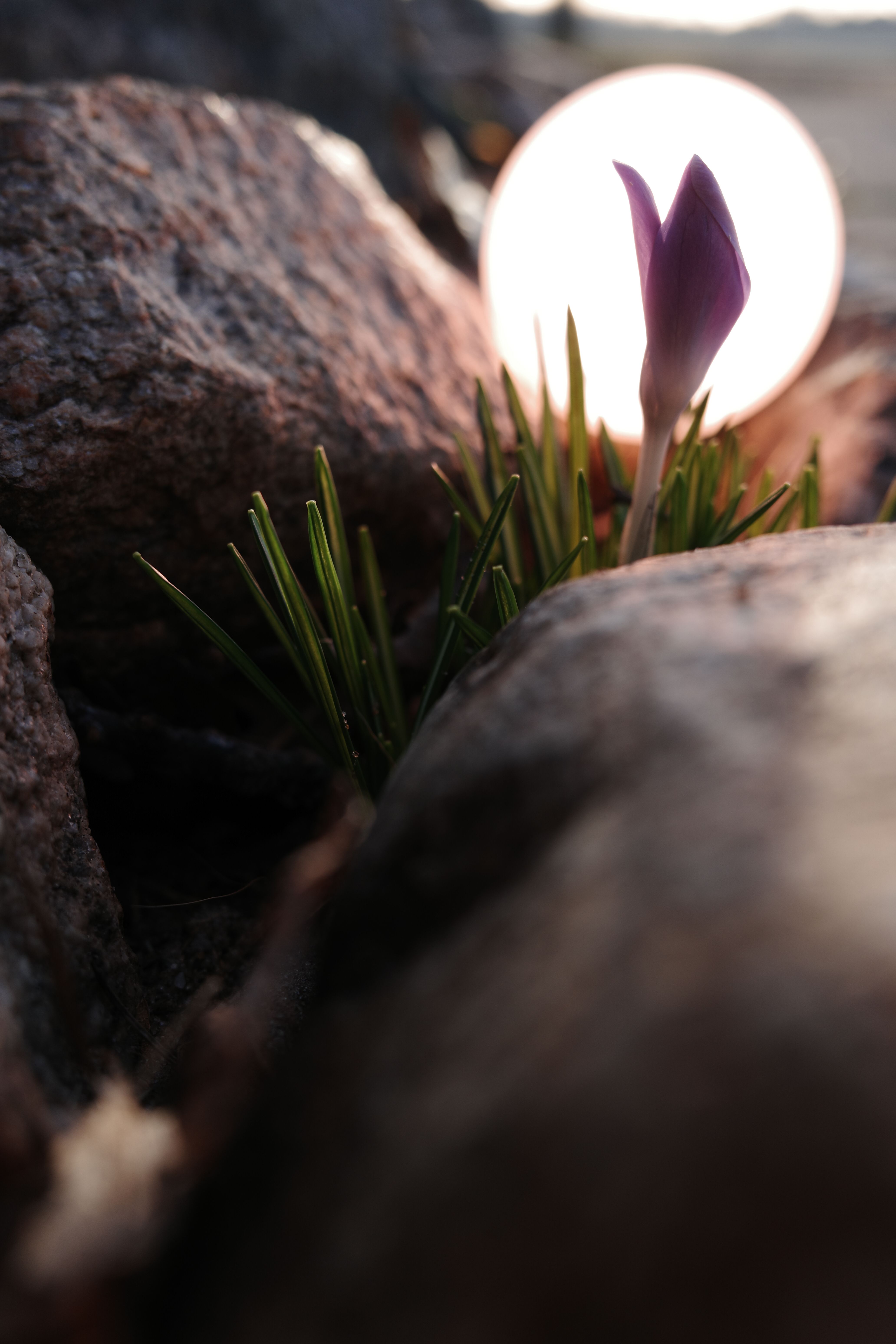
The Ricoh GR IV HDF introduces a unique characteristic to the GR IV, primarily through its integrated diffusion filter. While the standard GR IV features a built-in Neutral Density (ND) filter, useful for achieving longer exposures during daylight, the HDF variant swaps this for a diffusion filter. This specialized filter softens light, creating a characteristic "bloom" around light sources and lending images a dreamy, ethereal quality. For photographers seeking to emulate the aesthetic of classic film photography, the GR IV HDF is an enticing proposition.
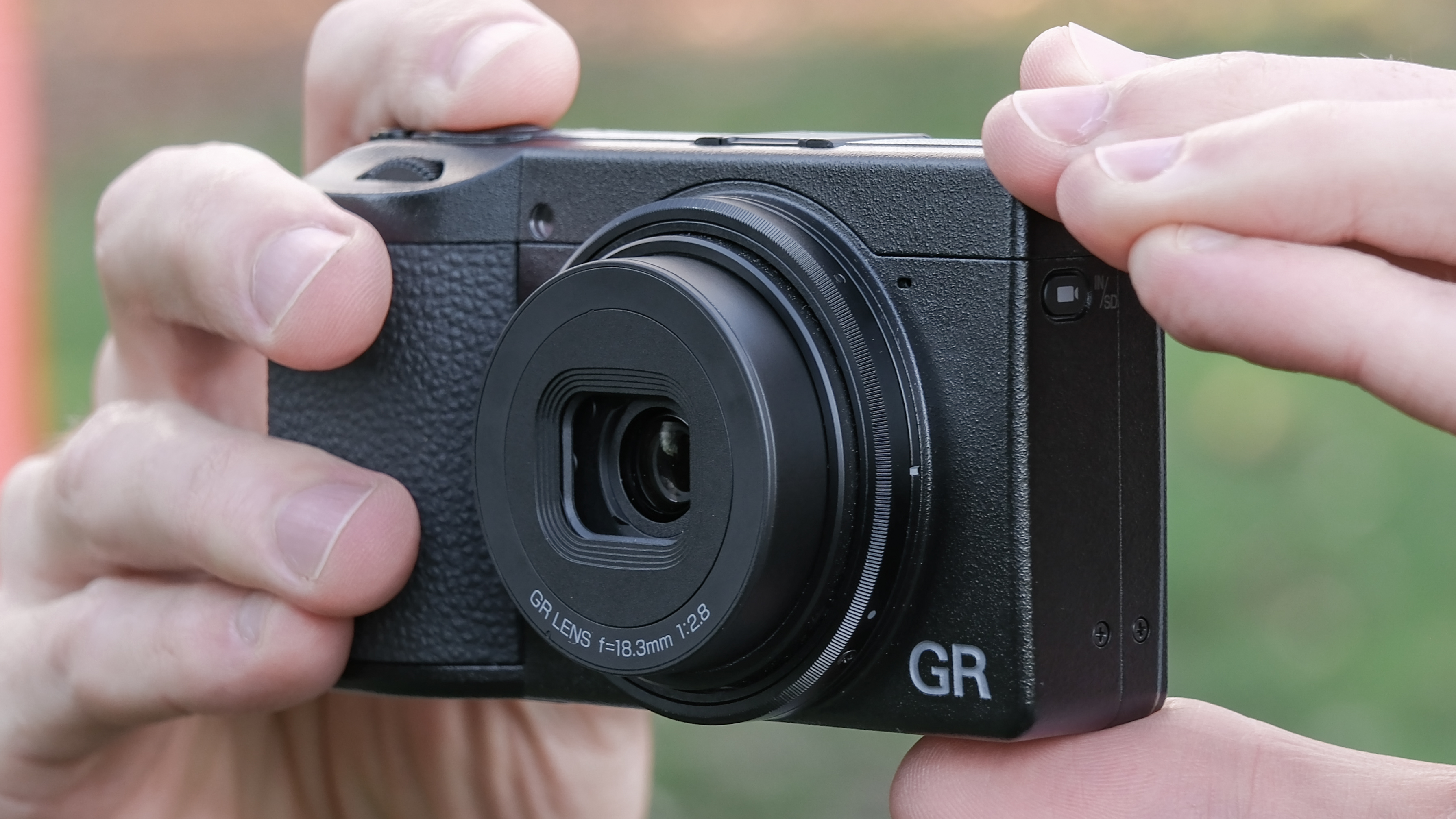
It’s crucial to note that the inclusion of the HDF filter means the absence of the ND filter found in the base GR IV. This trade-off is a deliberate design choice, prioritizing the diffusion effect. Internally, the GR IV HDF shares the same sensor, processor, and compact dimensions as its sibling. However, the HDF filter is an integral part of the camera, and while external diffusion filters can be used with an adapter, this often compromises the camera’s sleek, pocketable profile. The GR IV HDF also commands a slightly higher price point, reflecting the specialized nature of its integrated filter.
Sample images demonstrate the subtle yet significant impact of the HDF filter. The comparison between shots taken with and without the HDF clearly illustrates the softening of highlights and the creation of a gentle glow, particularly noticeable in scenes with strong light sources. This effect, while not universally desired, is a powerful tool for achieving a specific artistic vision, appealing to those who appreciate the nuanced tonality and mood of film.
Ricoh GR IV Monochrome: The Pinnacle of Black-and-White Purity
The Ricoh GR IV Monochrome carves out a distinct niche within the series by dedicating itself entirely to monochrome photography. As its name suggests, this camera is incapable of capturing color images. This deliberate design choice stems from the removal of the color filter array that sits between the lens and the sensor in standard cameras. By eliminating this layer, Ricoh aims to achieve a purer, more direct capture of light and shadow, resulting in images with exceptional detail and reduced noise.
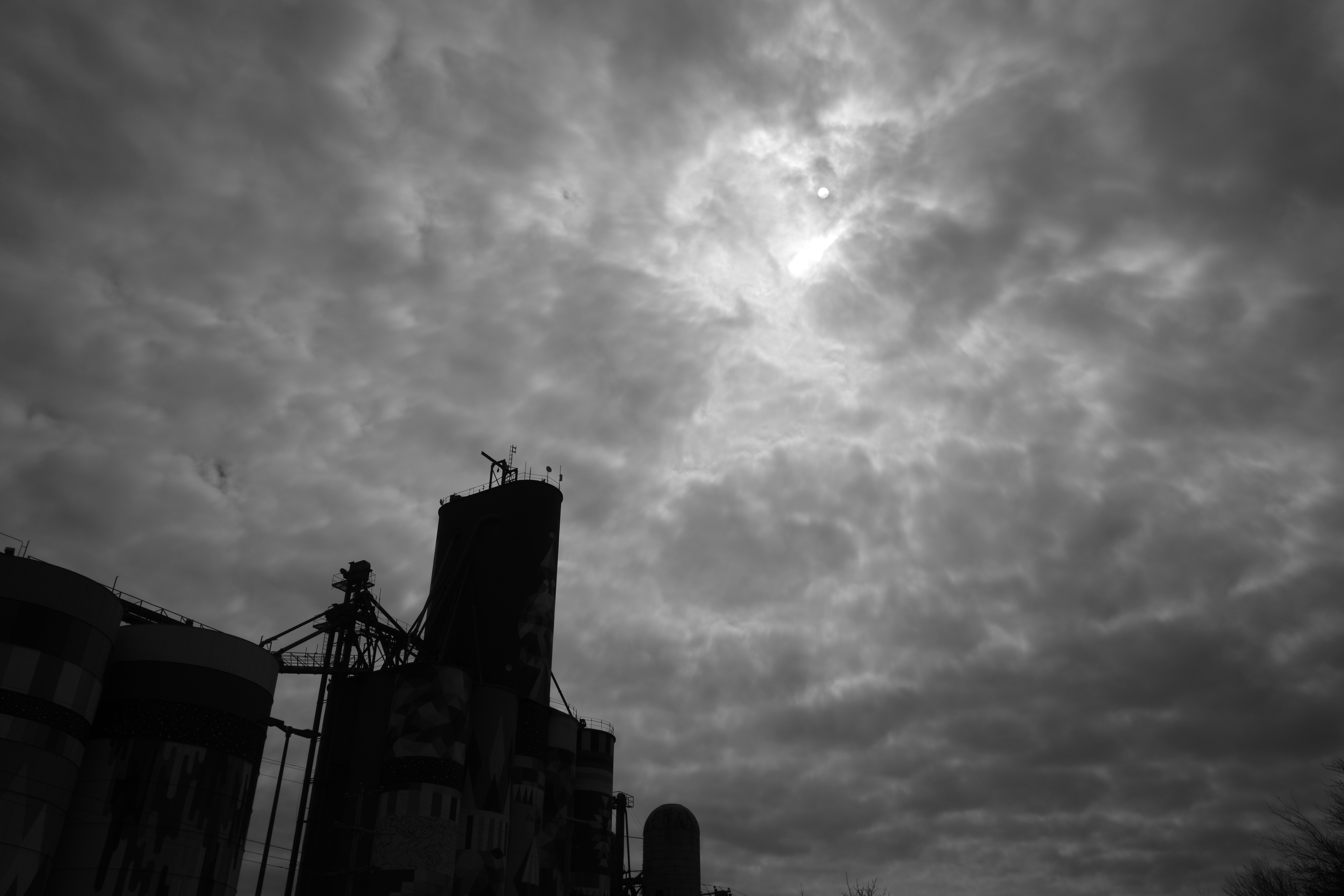
Photographers who have experienced the GR IV Monochrome report a surprising level of image quality enhancement. The absence of the color filter allows for cleaner data capture, leading to significantly reduced noise, even at higher ISO settings. The DNG (raw) files are also noted for their remarkable flexibility in post-processing, offering greater latitude for adjusting highlights and shadows without introducing artifacts. The GR IV Monochrome also features a built-in red filter, which further enhances contrast and drama, particularly in its rendering of skies and textures.
While the GR IV Monochrome offers a unique artistic advantage, it comes with a higher price tag than the standard GR IV. Ricoh emphasizes that the development of this dedicated monochrome camera involved more than simply removing a filter; it required meticulous calibration of the sensor and lens to ensure optimal performance in black and white. For photographers whose work is predominantly monochrome, or who seek the ultimate in black-and-white image quality from a compact camera, the GR IV Monochrome presents a compelling, albeit specialized, option.
Ricoh GR IIIx: The Beloved Predecessor with a Different Perspective
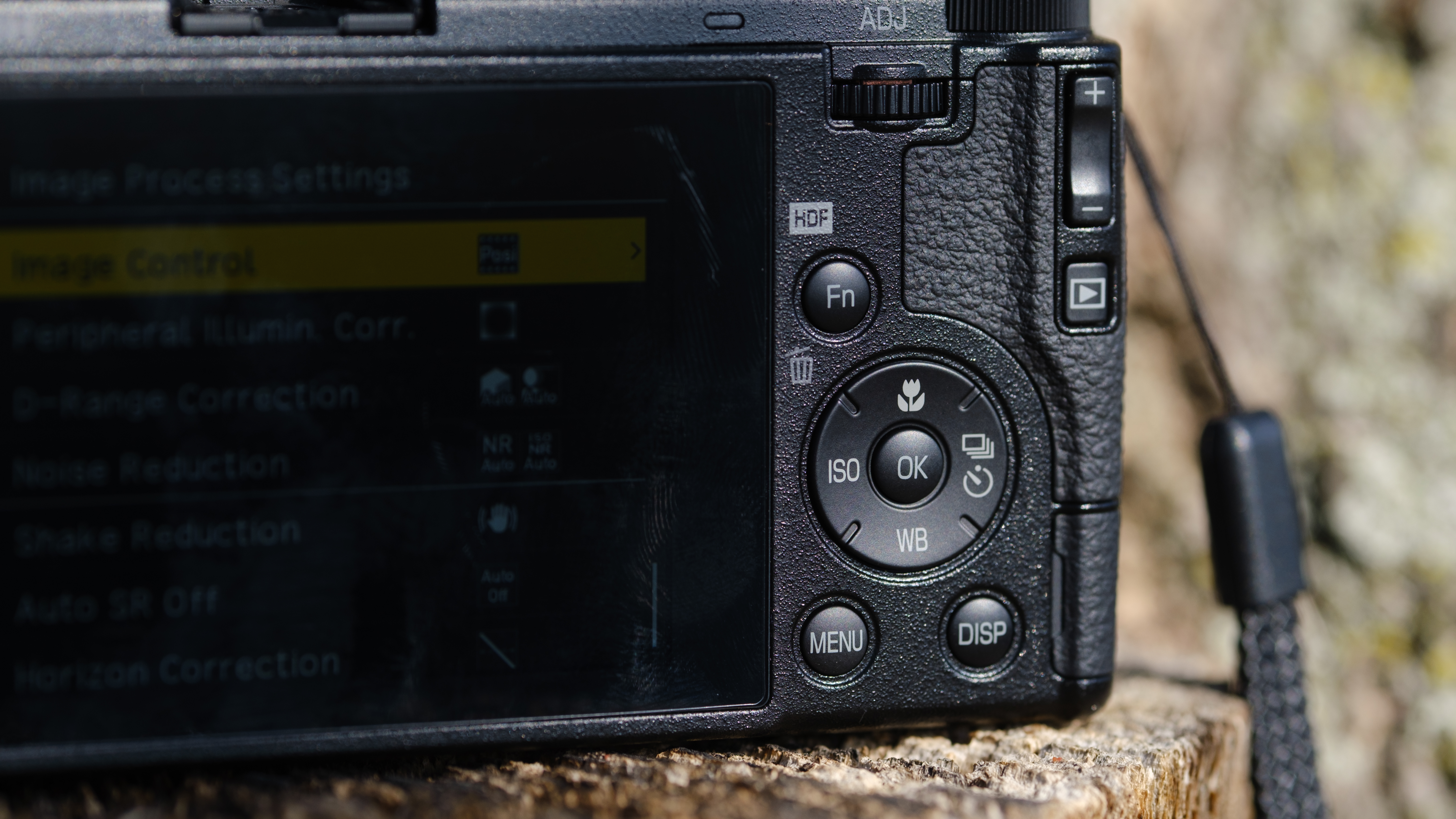
Before delving deeper into the GR IV lineage, it’s essential to acknowledge the GR IIIx, a model that continues to hold significant appeal. While Ricoh has discontinued the GR III, the GR IIIx remains a current offering. The defining characteristic of the GR IIIx is its lens: a 40mm equivalent focal length, a departure from the 28mm found on the GR IV and its predecessors. This "normal" perspective is often considered to be very close to human vision, offering a more intimate and natural framing for street photography and portraits compared to the wider GR IV.
The 40mm lens makes the GR IIIx particularly adept at capturing subjects with a sense of proximity, allowing for more selective framing and a slightly tighter perspective that can be ideal for portraiture or isolating details within a scene. While the GR IIIx utilizes the older sensor and processor from the GR III series, its image quality remains exceptional, and its distinct focal length appeals to a different set of aesthetic preferences. In terms of weight, the GR IIIx is comparable to the GR IV, showcasing Ricoh’s consistent ability to engineer powerful imaging tools into compact bodies. The GR IIIx also benefits from conversion kits that can further alter its field of view, adding to its versatility.
The GR IIIx is often available at a more accessible price point than the latest GR IV models, making it an attractive option for those who prioritize the 40mm perspective and excellent image quality without needing the absolute latest processor or sensor technology. The GR IIIx Urban Edition, with its distinctive metallic gray finish and blue lens ring, offers a stylistic variation while maintaining the core imaging capabilities of the standard GR IIIx.
Ricoh GR IIIx HDF: The Classic Lens with a Soft Touch
The Ricoh GR IIIx HDF is the logical extension of the GR IIIx, incorporating the diffusion filter technology found in the GR IV HDF into the established 40mm lens format. This combination offers photographers the best of both worlds: the natural, human-eye perspective of the 40mm lens coupled with the soft, glowing aesthetic produced by the diffusion filter. Like its GR IV HDF counterpart, this model sacrifices the built-in ND filter for the diffusion effect, catering to those who prioritize a film-like rendering.
The GR IIIx HDF is an excellent choice for portrait photographers who want to achieve a dreamy, romantic look or for street photographers who aim to imbue their images with a subtle, artistic glow. The longer focal length, combined with the diffusion filter, can create exceptionally flattering portraits with softened skin tones and beautiful bokeh. The underlying imaging capabilities remain those of the GR IIIx, meaning users can expect the same excellent image quality and handling characteristics, now enhanced with the added creative potential of the diffusion filter.
Navigating the Choices: Making the Right Decision
The Ricoh GR series, particularly with the expanded GR IV lineup, presents a fascinating array of choices for photographers. While the sheer number of models might seem daunting, the distinctions are largely straightforward and cater to specific creative desires:
- Ricoh GR IV: The all-rounder, offering the latest sensor and processor, enhanced autofocus and stabilization, and the classic 28mm wide-angle lens. Ideal for general-purpose street photography, travel, and everyday use.
- Ricoh GR IV HDF: For those who desire a film-like aesthetic, this model incorporates a diffusion filter, softening light and creating a romantic glow. It sacrifices the ND filter of the base GR IV.
- Ricoh GR IV Monochrome: The purist’s choice for black-and-white photography, delivering exceptionally clean images with minimal noise and enhanced dynamic range. Features a built-in red filter for dramatic contrast.
- Ricoh GR IIIx: A compelling option for those who prefer a more natural, human-eye perspective with its 40mm equivalent lens. Offers excellent image quality and is often more affordable than the GR IV models.
- Ricoh GR IIIx HDF: Combines the beloved 40mm lens with the diffusion filter, offering a film-like aesthetic for portraits and nuanced street photography.
The author’s personal preference for longer lenses hints at the subjective nature of choosing a camera. While the 28mm focal length of the GR IV series is a staple for many street photographers, the 40mm of the GR IIIx offers a different, often more intimate, perspective. The introduction of specialized filters in the HDF and Monochrome variants further diversifies the appeal, demonstrating Ricoh’s commitment to catering to a broad spectrum of photographic styles.
Broader Implications and the Future of Compact Cameras
The continued innovation within the Ricoh GR series underscores a broader trend in the camera industry: the increasing sophistication and specialization of compact cameras. As mirrorless and DSLR systems continue to evolve, the demand for high-quality, ultra-portable still cameras remains robust. Ricoh’s strategy of offering specialized variants, such as the HDF and Monochrome models, demonstrates an understanding of niche markets and a willingness to push the boundaries of what a compact camera can achieve artistically.
The GR IV’s enhanced processing and stabilization represent a significant step forward, addressing potential areas of improvement in previous generations. The GR IV HDF and Monochrome models, by integrating unique filters, offer creative tools that would typically require external accessories, thereby preserving the camera’s inherent portability. The continued relevance of the GR IIIx, even with the advent of the GR IV, highlights the enduring appeal of a specific focal length and a slightly older, yet still capable, technological platform.
Ricoh’s approach with the GR series is not merely about technological advancement but about providing photographers with instruments that inspire creativity and facilitate a particular way of seeing the world. The subtle differences between these models, while seemingly minor on paper, can translate into significant creative opportunities in the field. For photographers seeking a compact camera that punches above its weight in image quality and offers distinct artistic capabilities, the Ricoh GR series, in all its variations, remains a benchmark to consider.