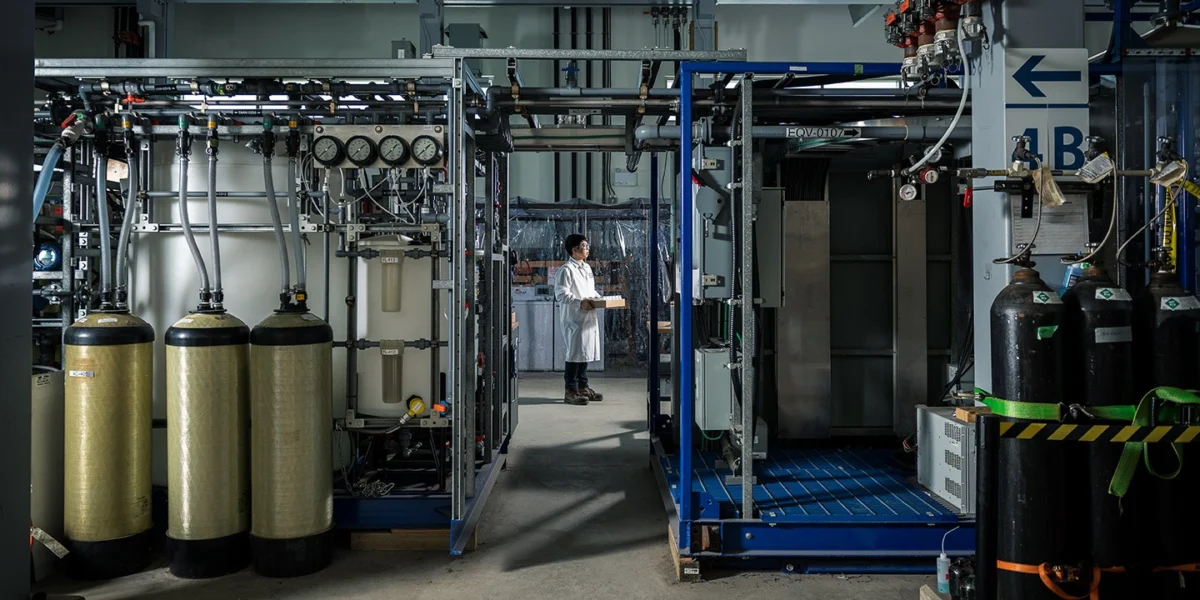
Mangrove Lithium has officially inaugurated North America’s inaugural commercial electrochemical lithium refinery, a significant milestone for the burgeoning electric vehicle (EV) battery supply chain on the continent. Located in Delta, British Columbia, this 1,000-tonne-per-year facility, dubbed the Single Stack Plant (SSP), represents a strategic move to decentralize lithium processing, which has historically been concentrated overseas. The opening ceremony, marked by a ribbon-cutting, underscores the company’s commitment to establishing a robust and domestic supply of battery-grade lithium.
The establishment of the SSP facility in Delta is not merely the launch of a production site; it also serves as Mangrove Lithium’s new corporate headquarters, consolidating its operational and administrative functions in a region poised for growth in the green technology sector. This development arrives at a critical juncture for the automotive industry, as global demand for EVs continues to surge, placing immense pressure on the availability and price stability of essential battery components, particularly lithium.
Addressing Global Supply Chain Vulnerabilities
Historically, the vast majority of lithium refining has been conducted outside of North America, primarily in China and other Asian nations. This geographical concentration has led to significant vulnerabilities within the global supply chain. Bottlenecks in refining capacity, geopolitical tensions, and the inherent complexities of international logistics have contributed to price volatility and supply disruptions, creating uncertainty for EV manufacturers aiming to scale production.

The push for localized refining capabilities is a direct response to these challenges. By bringing refining processes closer to raw material sources and battery manufacturing hubs, North American nations like Canada aim to enhance supply chain resilience, reduce lead times, and potentially stabilize costs. Mangrove Lithium’s proprietary electrochemical approach is at the forefront of this effort, offering a distinctive alternative to traditional refining methods.
Mangrove’s Innovative Electrochemical Process
Unlike conventional chemical refining processes, which often involve high temperatures, significant water usage, and the generation of substantial waste streams, Mangrove Lithium employs a patented electrochemical method. This innovative technology allows for the direct conversion of extracted lithium, often in the form of brine or hard rock concentrates, into high-purity, battery-grade lithium carbonate or lithium hydroxide.
The company asserts that its electrochemical process is not only more economical but also offers greater flexibility and is significantly more sustainable. Key advantages cited include lower operational costs due to reduced energy consumption and chemical inputs, enhanced purity of the final product, and a minimized environmental footprint. This approach is particularly attractive as the EV industry faces increasing scrutiny regarding the environmental and social impacts of its raw material sourcing and processing.
Scaled Production and Future Ambitions
The Delta plant, with its initial capacity of 1,000 tonnes per year, is designed to produce enough battery-grade lithium to power approximately 25,000 electric vehicles annually. While this represents a significant initial contribution, it is viewed as a foundational step towards a far more ambitious vision. Mangrove Lithium has publicly outlined plans for a second, substantially larger facility to be established in Eastern Canada.
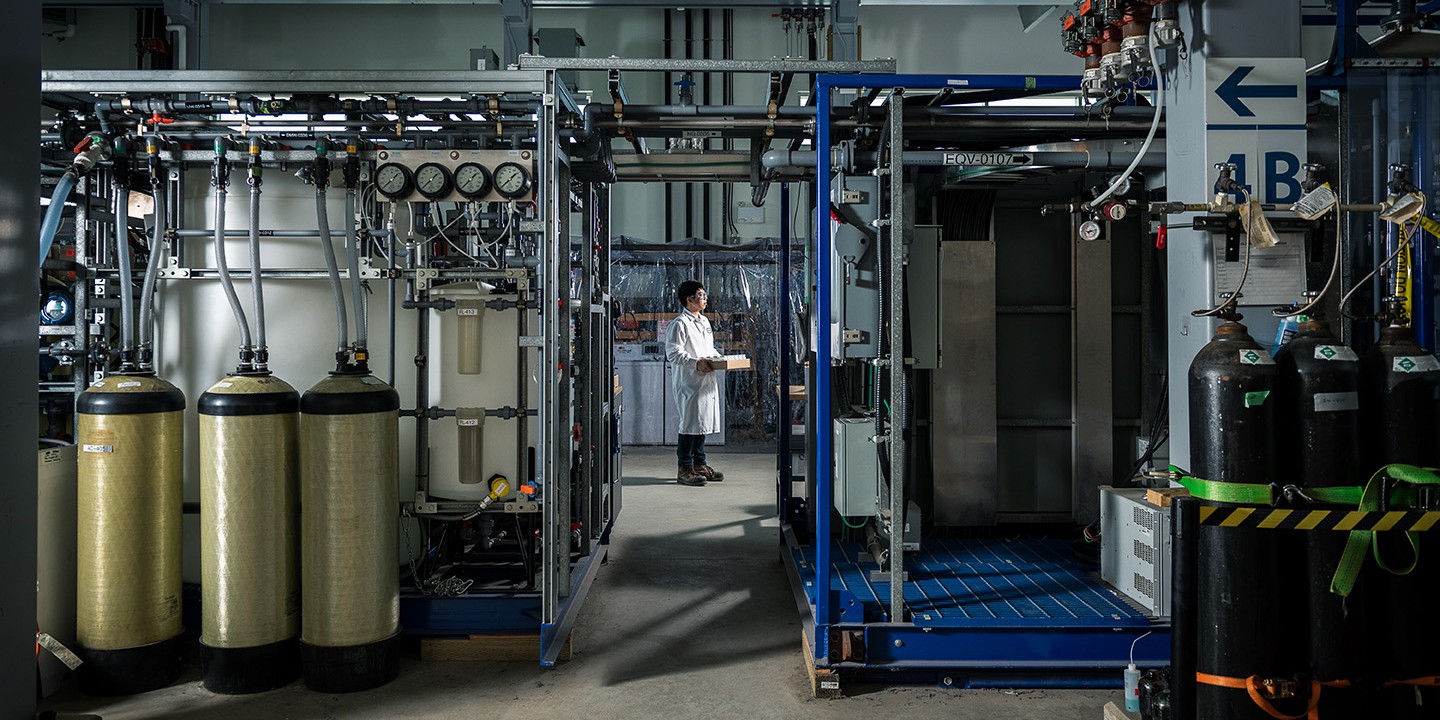
This future facility is envisioned to process spodumene, a key lithium-bearing mineral extracted from hard rock mines, and refine lithium at a scale capable of supplying batteries for an estimated 500,000 EVs per year. This expansion would represent a quantum leap in Canada’s domestic lithium refining capacity and solidify its position as a major player in the global battery materials market.
Government Support and Strategic Partnerships
The realization of Mangrove Lithium’s larger ambitions is being bolstered by significant government support. The company has secured conditional funding of up to CAD $21.88 million from Natural Resources Canada through its Critical Minerals Research, Development, and Demonstration program. This financial backing is earmarked to support crucial engineering work and piloting studies for spodumene processing, paving the way for the next phase of development.
Furthermore, Mangrove Lithium has forged a strategic partnership with Élévrra, a prominent lithium producer. A memorandum of understanding has been signed, which outlines the sourcing of spodumene from Élévrra’s lithium mine located in Quebec. This collaboration is central to Mangrove’s objective of creating an integrated "mine-to-cathode" supply chain within Canada. By linking upstream mining operations directly with downstream refining capabilities, Canada aims to capture greater value from its abundant natural resources and foster a more self-sufficient battery ecosystem.
The "Mine-to-Cathode" Vision and Its Implications
The "mine-to-cathode" concept signifies a holistic approach to battery production, where all stages of the supply chain, from mineral extraction and processing to the manufacturing of battery components, are concentrated within a single domestic jurisdiction. For Canada, achieving this vision holds immense potential:

- Economic Value Addition: By processing raw materials domestically, Canada can move beyond simply exporting raw resources and instead generate higher-value products, creating more jobs and economic opportunities.
- Reduced Reliance on Foreign Refiners: This reduces vulnerability to international trade disputes, supply chain disruptions, and price manipulation by foreign entities.
- Strengthened Battery Manufacturing: A secure and reliable domestic supply of battery-grade lithium is crucial for attracting and expanding battery manufacturing facilities within Canada.
- Energy Security and Transition: A robust domestic battery supply chain directly supports Canada’s transition to cleaner energy and transportation, enhancing its energy security in the long term.
- Global Leadership in Critical Minerals: By pioneering advanced refining technologies and building integrated supply chains, Canada can position itself as a global leader in the responsible sourcing and processing of critical minerals essential for the green economy.
A Landmark Achievement for Canada
The opening of the Delta refinery has been hailed as a pivotal moment by industry leaders and government officials. Saad Dara, CEO and founder of Mangrove Lithium, articulated the significance of the achievement: "This is a landmark moment not just for Mangrove, but for Canada," he stated. "By commissioning the first commercial electrochemical lithium refinery in North America, we are proving that lithium can be refined domestically, sustainably, and competitively. This facility is an important step toward a fully Canadian lithium supply chain, one that strengthens our energy security, accelerates the transition to EVs, and positions Canada as a global leader in critical mineral processing."
The sentiment is echoed by broader industry trends. According to reports from the U.S. Geological Survey, global lithium production has been steadily increasing, with estimates suggesting that global demand for lithium could more than double by 2030, driven largely by the EV sector. Canada, with its significant lithium reserves and increasing investment in processing capabilities, is strategically positioned to capitalize on this growth. The country’s total lithium resources are estimated to be among the largest globally, though much of it remains undeveloped.
The Path Forward: Challenges and Opportunities
While the opening of the SSP plant and the strategic partnerships are positive developments, the path to a fully integrated Canadian lithium supply chain is not without its challenges. These include:
- Scaling Up Production: Transitioning from a 1,000-tonne facility to one capable of processing hundreds of thousands of tonnes will require significant capital investment and technological advancement.
- Environmental Permitting and Social License: Developing new mining and refining operations often involves complex environmental assessments and requires strong community engagement to secure a social license to operate.
- Competition: The global race for critical minerals is intense, with numerous countries and companies vying for investment and market share. Canada will need to maintain a competitive edge in terms of efficiency, sustainability, and regulatory frameworks.
- Skilled Workforce Development: The expansion of the lithium industry will necessitate a skilled workforce, requiring investment in education and training programs.
Despite these hurdles, the establishment of Mangrove Lithium’s refinery represents a tangible step towards a more self-sufficient and resilient North American EV battery ecosystem. It signals a shift in strategy for countries like Canada, moving from being primarily resource extractors to becoming sophisticated processors and manufacturers of critical battery materials. This transition is essential for not only meeting the growing demand for electric vehicles but also for securing economic prosperity and environmental sustainability in the decades to come. The success of Mangrove Lithium’s innovative approach could well serve as a blueprint for other critical mineral processing initiatives across the continent.