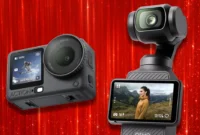
The Federal Communications Commission (FCC) is moving to implement significantly stricter regulations that could result in a widespread ban on drones and cameras that are alleged to be rebranded versions of products from Chinese manufacturer DJI. This proposed action follows a decision late last year that effectively barred new DJI products from entering the United States, while allowing existing models to remain on the market. The new FCC proposal, however, goes a step further by potentially removing these lookalike products from shelves entirely.
Escalating Regulatory Scrutiny
The FCC has officially released a statement outlining its proposed actions and is actively soliciting public comment on a measure that could retroactively ban drones and cameras from a select group of companies accused of selling re-branded DJI products. This move signifies an aggressive stance by the FCC to enforce its regulations and address concerns surrounding the origin and technology of electronic devices imported into the U.S.
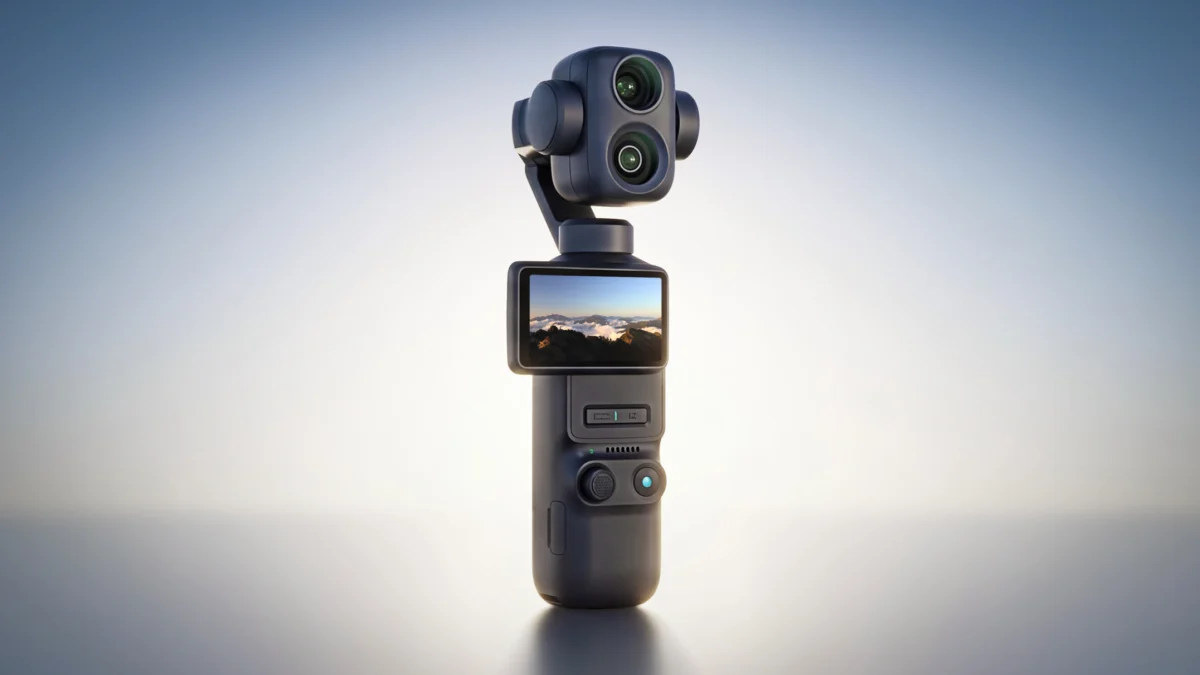
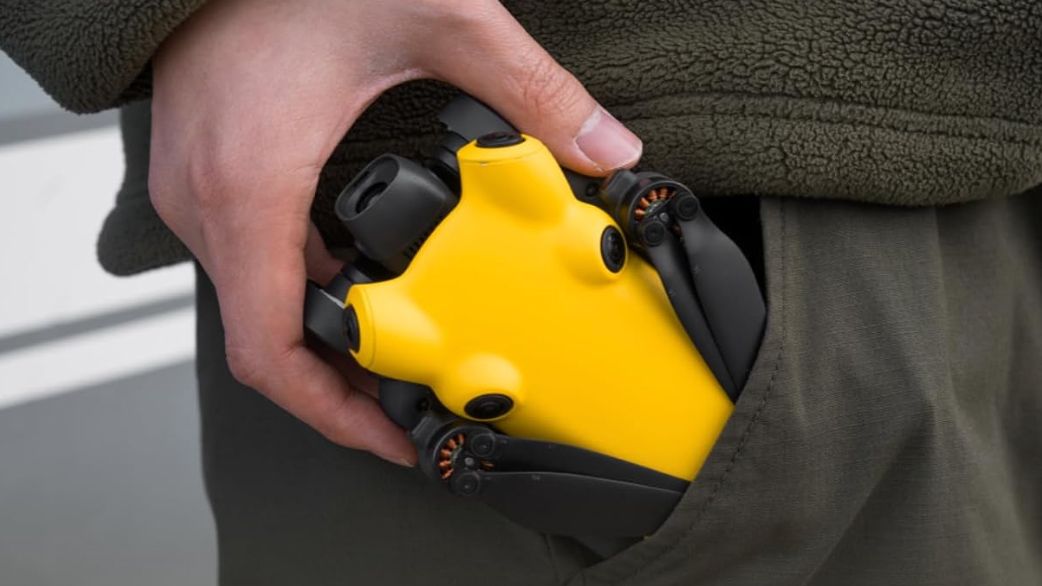
The companies potentially facing an FCC ban include those behind popular drone models such as the Skyrover X1, which bears a striking resemblance to the DJI Mini 4, and camera systems like the Xtra Muse, a clear lookalike to the DJI Pocket 3. These products are often marketed under various brand names, including Cogito, Fikaxo, Lyno Dynamics, Skyhigh Tech, Spatial Hover, SZ Knowact, WaveGo, Xtra, and XAG.
This intensified scrutiny stems from an ongoing investigation into whether these companies are circumventing existing regulations by sourcing technology from brands that are already on the FCC’s Covered List, a list that notably includes DJI. The FCC’s investigation was prompted, in part, by a failure of these companies to adequately respond to the agency’s requests for detailed information regarding their product sourcing. Consequently, the FCC proposed a significant fine for this lack of cooperation.
A Timeline of FCC Actions
The current regulatory landscape has been shaped by a series of FCC decisions and proposals over the past year.
-
Late Last Year: The FCC added DJI, along with all foreign-made drones, to its Covered List. This action effectively prohibited new DJI drones, cameras, and accessories from being imported into the United States. However, this initial ban did not mandate the removal of existing DJI products from the market. Previously approved drones and cameras remained available and legal for use in the U.S. This created a peculiar situation where some lookalike products might be banned while their DJI counterparts, such as the DJI Mini 4 Pro, continued to be sold.
-
Earlier This Month: The FCC proposed a fine against several companies accused of selling re-branded DJI products. This action was a direct response to the companies’ failure to provide requested information about whether their products utilized technology from brands on the FCC Covered List, such as DJI.
-
Current Proposal: The FCC has now put forth a proposal to implement broader restrictions, potentially banning the import and marketing of "covered equipment" from these companies. This proposal goes beyond simply blocking new imports and could lead to the removal of previously approved products from U.S. shelves.
-
October 2025: The FCC approved a significant change in its regulatory framework, granting the agency the authority to revoke a product’s FCC approval. This new power is what underpins the current proposal to retroactively ban previously approved devices.
Broader Implications of the Proposed Ban
The potential FCC ban on DJI lookalike brands carries significant implications for both consumers and the broader drone and camera market.
Impact on Consumers: For consumers who have purchased or are considering purchasing these rebranded products, the ban could mean a loss of access to their devices. If the FCC revokes approval, these products would essentially become unsellable, potentially leading to confusion and frustration for buyers. The appeal of these lookalike products often lies in their more affordable price point compared to DJI’s premium offerings. A ban would force consumers to seek alternative options, which might be more expensive or less feature-rich.
Market Competition and Innovation: The FCC’s actions are aimed at addressing concerns about national security and intellectual property, particularly with regard to technology originating from China. However, such broad bans could also stifle competition and innovation in the consumer electronics sector. Companies that are not directly involved in intellectual property theft but rely on similar manufacturing processes or design inspirations might find themselves caught in the crossfire. The ultimate goal of such regulations is to foster a more secure and reliable technological ecosystem, but the execution and scope of these bans warrant careful consideration to avoid unintended consequences.
The Role of DJI and its Legal Challenges
DJI, as the market leader in consumer and professional drones, has been at the center of these regulatory discussions. The company has publicly stated its commitment to compliance and has highlighted its efforts to foster responsible drone use. However, DJI has also taken legal action against the FCC ban. The company has filed a lawsuit challenging the FCC’s decision, arguing that the ban is "substantially flawed." This ongoing legal battle underscores the complexities and contentiousness surrounding the regulation of Chinese technology in the U.S. market.
The current proposal against lookalike brands represents a new frontier in the FCC’s regulatory power. If passed, it would be the first instance of the agency using its newly acquired authority to retroactively ban previously approved devices. This sets a precedent for future regulatory actions and signals a more assertive approach by the FCC in managing the import and sale of electronic equipment.
Background and Context

The FCC’s actions are part of a larger geopolitical and technological trend involving increased scrutiny of Chinese technology companies by the U.S. government. Concerns about data security, intellectual property theft, and potential national security risks have led to various restrictions and investigations into companies like Huawei, ZTE, and, more recently, DJI.
DJI, despite its market dominance, has faced increasing pressure due to its Chinese origins. While the company has consistently denied allegations of data misuse or providing user data to the Chinese government, its products have been flagged by U.S. agencies. The "Covered List" maintained by the FCC is a tool used to identify communications equipment that poses an unacceptable risk to national security. By placing DJI on this list, the FCC has signaled its serious concerns regarding the company’s products.
The proposal to ban lookalike brands is a logical extension of this concern. If the FCC believes that these companies are essentially selling DJI’s technology under different labels, then it follows that these products would also be subject to the same national security considerations. The intent is to prevent the U.S. market from being flooded with products that may not meet the same security standards as domestically produced or more thoroughly vetted alternatives.
Analysis of the Proposal’s Reach
The distinction between the previous ban on new DJI imports and the current proposal against lookalike brands is significant. The former focused on preventing new market entry, while the latter aims to remove existing products from circulation. This suggests a shift in the FCC’s strategy from containment to eradication of potentially problematic equipment.
The fact that the FCC is seeking public comment indicates a willingness to engage with stakeholders and consider diverse perspectives before finalizing any decision. This process is crucial for ensuring that regulations are well-informed and have a clear and defensible rationale. However, the swiftness with which the FCC has moved from proposing fines to proposing broader bans suggests a high level of urgency and conviction within the agency regarding these issues.
The FCC’s expanded authority, approved in October 2025, to revoke product approvals is a powerful new tool. This capability allows the agency to be more proactive and responsive to emerging threats or evidence of non-compliance. It also places a greater onus on manufacturers to ensure their products meet all regulatory requirements from the outset.
Looking Ahead
The coming weeks and months will be critical as the FCC evaluates public comments on this significant proposal. The outcome will have a profound impact on the availability of certain drones and cameras in the U.S. market and could set a precedent for how the U.S. government regulates foreign-made electronic devices in the future. Consumers and industry players alike will be closely watching the FCC’s decision-making process and the ongoing legal challenges from DJI. The debate over technological sovereignty, national security, and market access continues to be a complex and evolving issue in the global landscape.