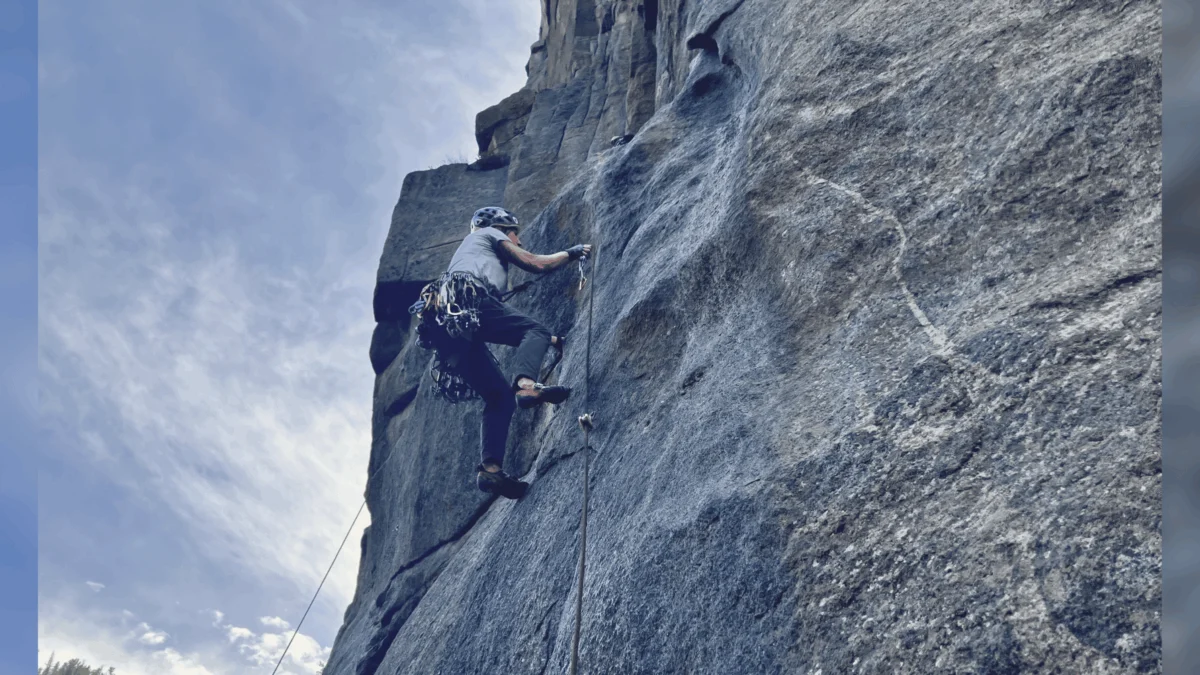
The sport of rock climbing has undergone a significant transformation over the last decade, evolving from a counter-cultural pursuit defined by rugged minimalism to a highly technical discipline supported by sophisticated engineering. For years, the archetypal climber—often characterized as a "dirtbag"—prioritized lightweight, multi-purpose equipment, frequently operating under the philosophy that a minimalist rack was the hallmark of skill. However, as climbing has moved toward greater mainstream adoption and professionalization, the industry has seen a surge in specialized hardware designed to enhance safety, ergonomic health, and efficiency. This shift marks a departure from the "do-more-with-less" mantra, replacing it with a data-driven focus on injury prevention and objective risk management.
The Changing Landscape of Climbing Gear Philosophy
Historically, the climbing community viewed dedicated, single-use tools with skepticism, labeling them as unnecessary consumerism. This sentiment was rooted in the logistical demands of traditional climbing, where every ounce carried on a harness had a direct impact on performance and stamina. The rise of gear testing and longitudinal studies on climbing-related injuries, however, has begun to challenge these long-standing norms. Professional climbers and recreational enthusiasts alike are increasingly prioritizing long-term physical health—specifically the mitigation of repetitive strain injuries (RSIs) and chronic musculoskeletal issues—over the weight savings of a stripped-down rack.
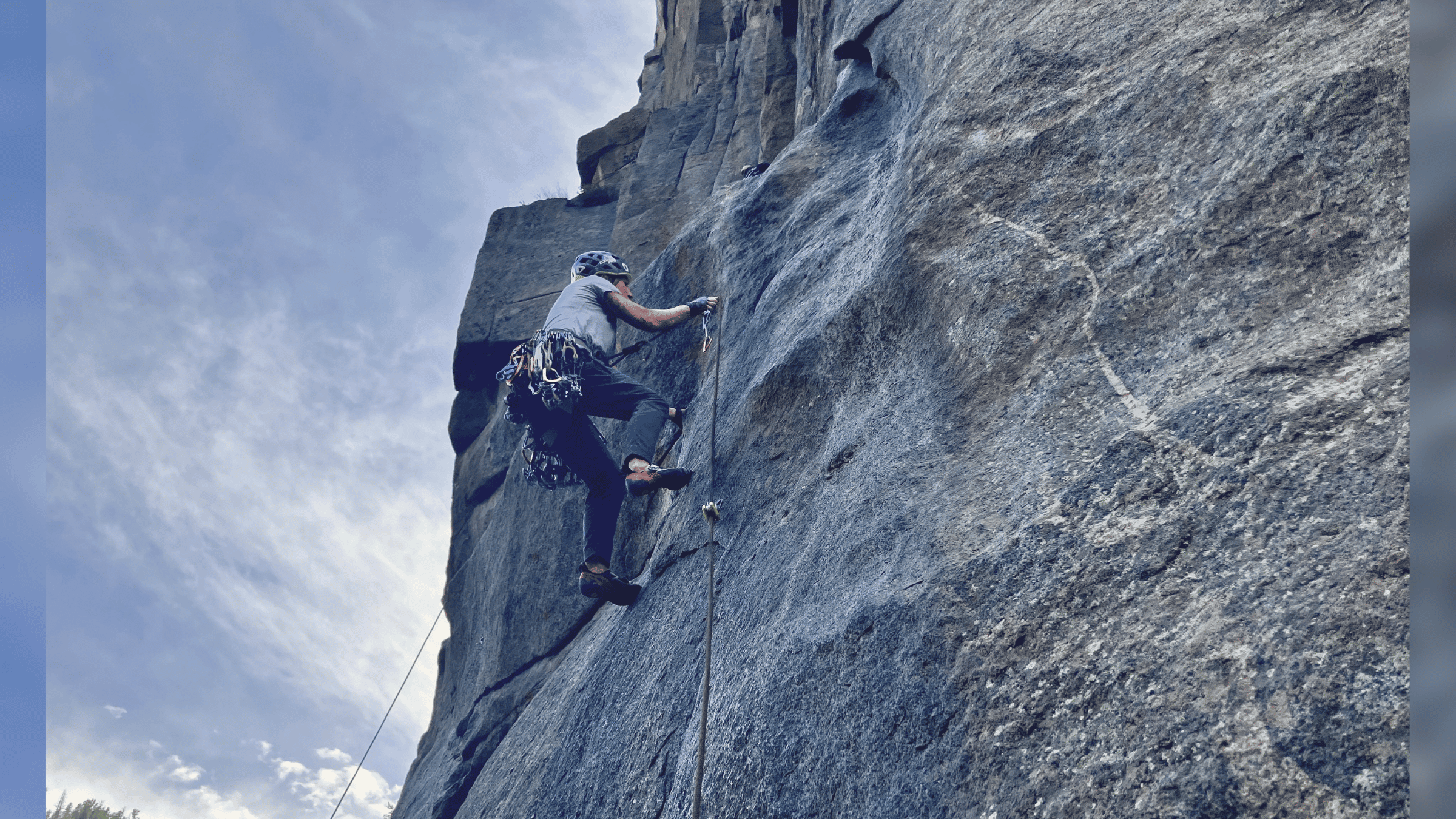
The transition is documented by the increasing integration of mechanical aids into standard kits. Data from outdoor retail outlets suggests a marked increase in the sales of ergonomic belay aids and progress-capture devices since 2020. This trend reflects a broader cultural shift within the sport, where technical proficiency is now measured not just by the ability to endure discomfort, but by the ability to optimize systems for sustained, long-term participation.
Ergonomics and the Mitigation of Chronic Injury
A primary driver for the adoption of modern, specialized gear is the clinical reality of climbing-related trauma. Research into climbing ergonomics has highlighted that repetitive actions—such as pulling heavy, high-drag ropes or maintaining extended neck positions while belaying—are the leading causes of elbow tendonitis and cervical spine strain.
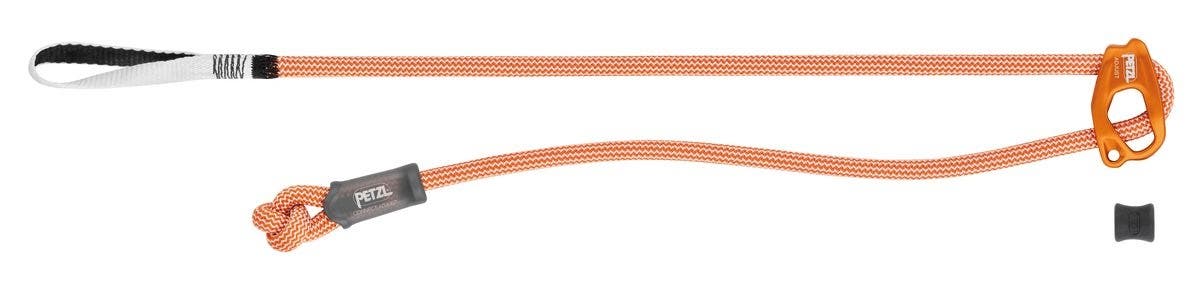
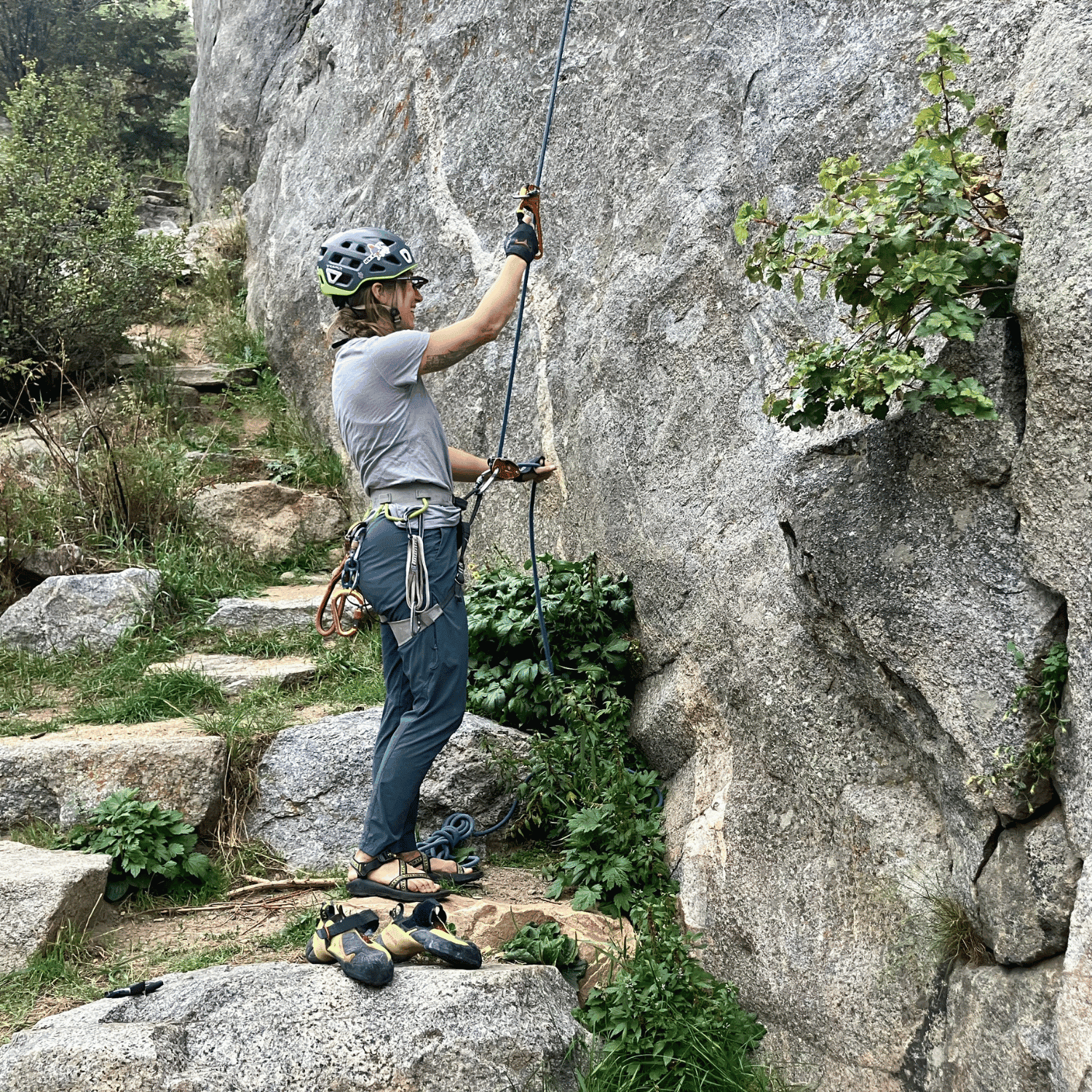
The adoption of devices like the Petzl Ascension Ascender and Metolius Upshot Belay Glasses serves as a case study in this trend. The Ascension Ascender, originally a niche tool for aid climbing and industrial rope access, has been increasingly repurposed for top-rope belaying and hauling. By providing a handle, the device allows the belayer to pull rope with a more neutral wrist and elbow alignment, significantly reducing the load on the medial and lateral epicondyles. Similarly, belay glasses have moved from a novelty item to a standard safety accessory. By using a prism-based system to reflect the image of the leader, these glasses eliminate the need for the belayer to crane their neck upward for extended periods, a common source of chronic cervical discomfort. Medical professionals specializing in sports physical therapy have noted that such preventative measures are vital for athletes hoping to maintain their climbing performance into their later years.
Technological Advancements in Safety and Efficiency
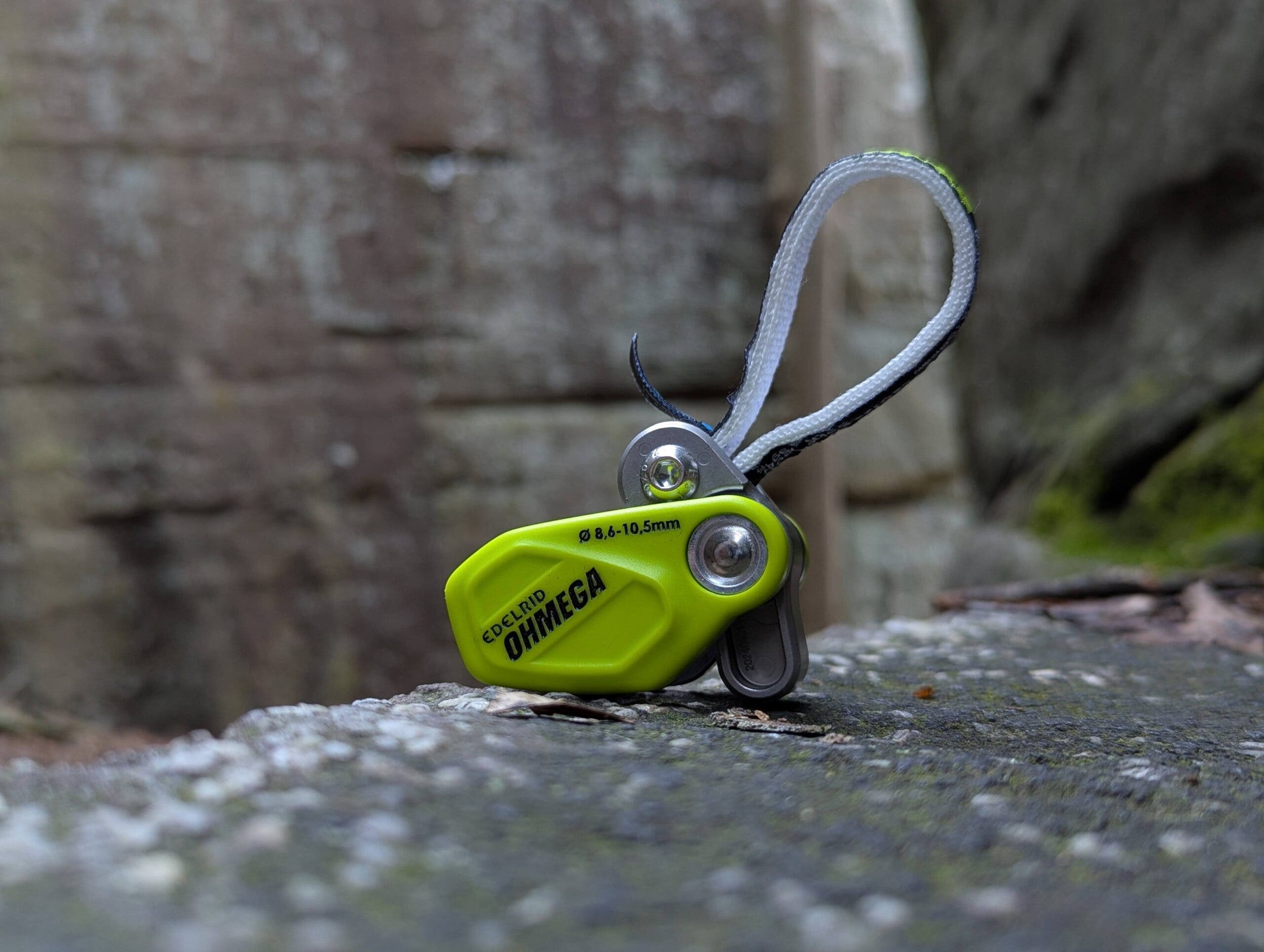
Safety-focused hardware has seen the most dramatic evolution in terms of design and mechanical integration. The introduction of the Edelrid Ohmega, for instance, represents a response to the growing disparity in weight between climbing partners. The original Ohm device, while effective, faced criticism for inconsistent rope feeding and aggressive catch dynamics. The Ohmega addresses these issues through improved mechanical friction management, allowing for a more dynamic and controlled catch regardless of the climber’s weight.
This development is particularly significant for gym-based and sport climbing environments, where weight disparities are common. According to climbing safety guidelines, an ideal belay catch should minimize the impact force on the climber while ensuring the belayer is not subjected to uncontrolled, high-velocity collisions with the first bolt. The Ohmega’s adjustable friction settings allow for a tailored response, effectively mitigating the "chihuahua and great dane" dynamic that has historically plagued mismatched climbing pairs.
Strategic Utility: The Role of Specialized Hardware
Beyond ergonomics and safety, modern gear is designed to expand the scope of what is possible on a technical level. The Kong Panic System, a specialized quickdraw featuring an internal stiffening wire, allows for the clipping of bolts that would otherwise be inaccessible to shorter climbers or those operating at their limit on run-out routes. This device essentially acts as an extension of the climber’s reach, removing the need for precarious, high-stakes stances that often lead to falls.
Similarly, the Petzl Micro Traxion has become an essential component in the modern climber’s kit. A compact, ultra-lightweight progress-capture pulley, it facilitates efficient hauling and self-rescue systems. The shift toward carrying such tools—even on standard sport routes—reflects a move toward "preparedness culture." By carrying a Micro Traxion, a climber is equipped to handle a variety of contingencies, including rope soloing or complex partner-hauling scenarios, without the significant weight penalty associated with traditional pulley systems.
Industry Impact and Future Outlook
The industry’s move toward these specialized products has significant implications for both manufacturers and consumers. For manufacturers, the challenge lies in balancing the demand for "luxury" features with the core requirements of durability and weight. The market has responded by creating materials that are stronger and lighter than ever before, using aerospace-grade alloys and high-tenacity fibers.
For the climbing community, the broader impact is a higher barrier to entry in terms of initial investment, but a lower barrier in terms of long-term accessibility. By making the sport safer, more comfortable, and more efficient, manufacturers are helping to broaden the demographics of the climbing population. Older climbers, those with physical limitations, and those who prioritize safety are finding that modern equipment allows them to engage with the sport in ways that were previously inaccessible.
However, industry experts caution that technology should not be a substitute for skill. As these devices become more ubiquitous, there is a corresponding need for increased education regarding their proper use. The Petzl Micro Traxion, for example, carries specific warnings regarding its use in belaying the second, and misuse of such devices can lead to catastrophic system failure. The responsibility, therefore, remains with the individual to undergo proper training, even as the gear itself becomes more intuitive.
Conclusion
The evolution of climbing hardware is a reflection of a maturing sport. The transition from the minimalist, "dirtbag" ethos of the past to a modern, technical, and injury-conscious approach has fundamentally changed how climbers interact with the rock. While critics may argue that such gear creates a reliance on technology, the data suggests otherwise: these tools are not merely convenient, but essential for the longevity of the athlete and the safety of the system. As climbing continues to grow, the integration of such specialized hardware will likely remain a hallmark of the modern era, ensuring that the sport remains as sustainable as it is challenging.