The science of blade metallurgy has long been a complex field, often requiring expensive laboratory equipment and high-level mathematical modeling to predict how a specific steel alloy will perform in the field. However, recent research into the correlation between elemental composition and mechanical properties suggests that a simplified framework can provide a remarkably accurate estimate of edge retention, toughness, and corrosion resistance. By analyzing the levels of carbon, chromium, and vanadium—alongside the manufacturing process used—enthusiasts and professionals can now demystify the performance of modern knife steels without relying solely on manufacturer data sheets, which have historically been criticized for a lack of cross-brand comparability.
The Evolution of Independent Metallurgical Analysis
For decades, the knife industry relied on a "black box" approach to steel properties. Manufacturers such as Crucible, Uddeholm, and Carpenter provided data sheets that highlighted the strengths of their proprietary alloys, but these documents rarely offered direct comparisons to competitors’ products. Furthermore, critical experimental data—such as standardized toughness or wear resistance testing—was frequently absent. This gap in the market led to the rise of third-party metallurgical testing, where independent researchers began applying standardized protocols like the CATRA (Cutlery and Allied Trades Research Association) edge retention test and Charpy C-Notch toughness testing.
The current movement toward predictive modeling seeks to move beyond experimental data to find the underlying logic of the periodic table. While complex equations involving carbide volume and heat treatment temperatures remain the gold standard for precision, a simplified method using bulk elemental composition has emerged. This approach allows users to look at a steel’s chemical makeup and predict its behavior, though experts warn that "outliers" remain common due to variations in heat treatment and manufacturing quality.
Deciphering Edge Retention Through Carbon and Vanadium
Edge retention is arguably the most prioritized metric among knife collectors and professional users. In metallurgical terms, edge retention is primarily a function of wear resistance, which is dictated by the volume and type of carbides present in the steel. Carbides are hard particles formed when carbon bonds with elements like chromium, vanadium, tungsten, or molybdenum.
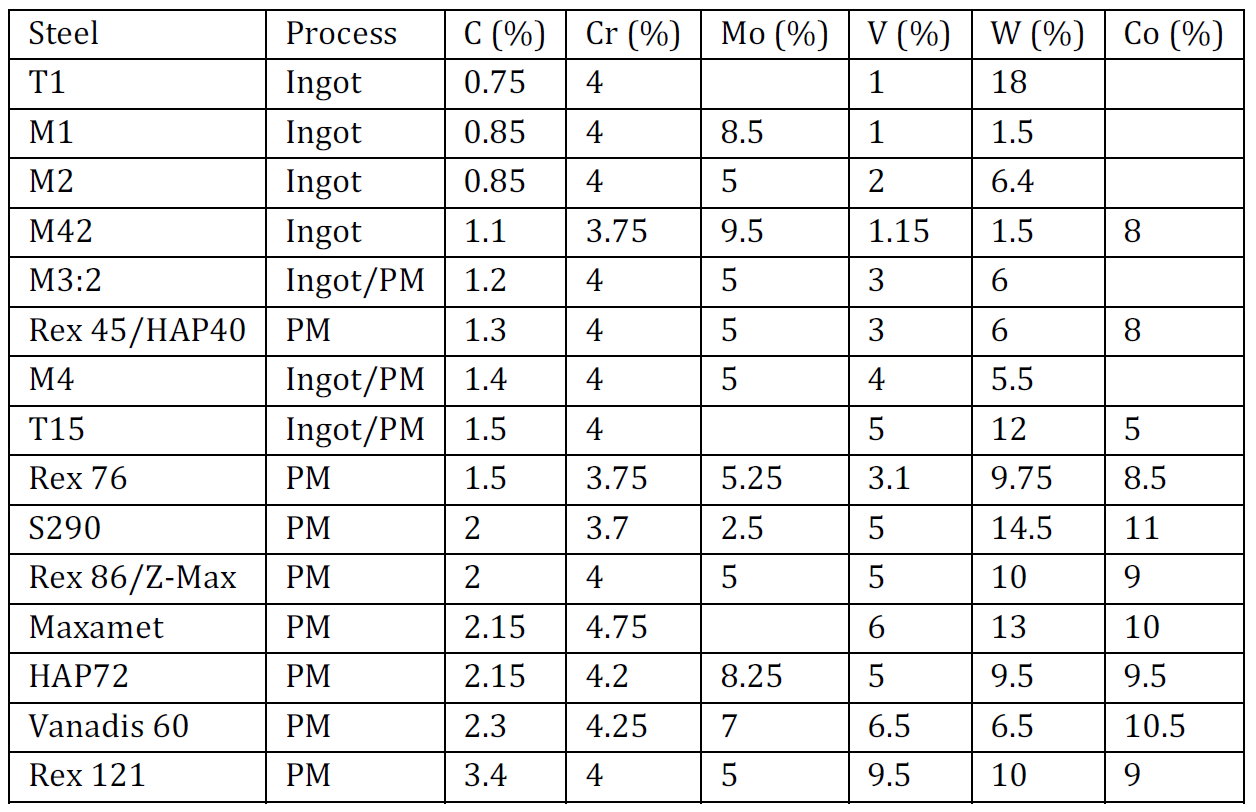
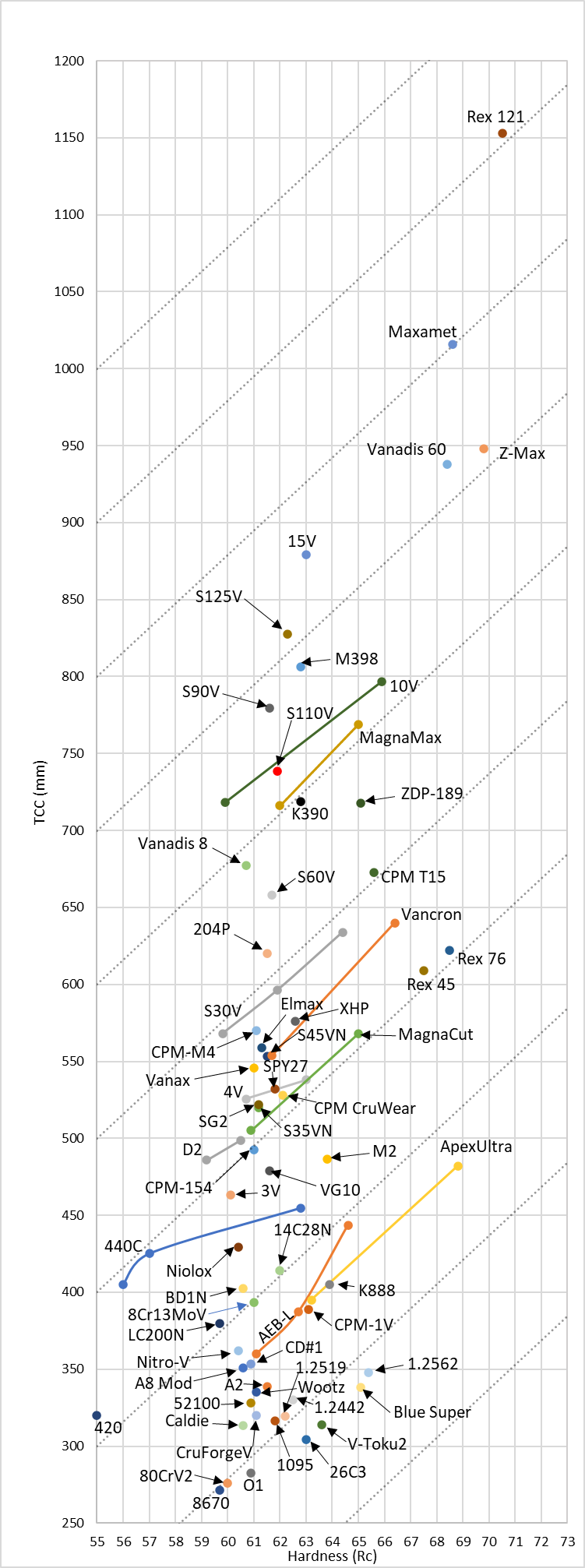
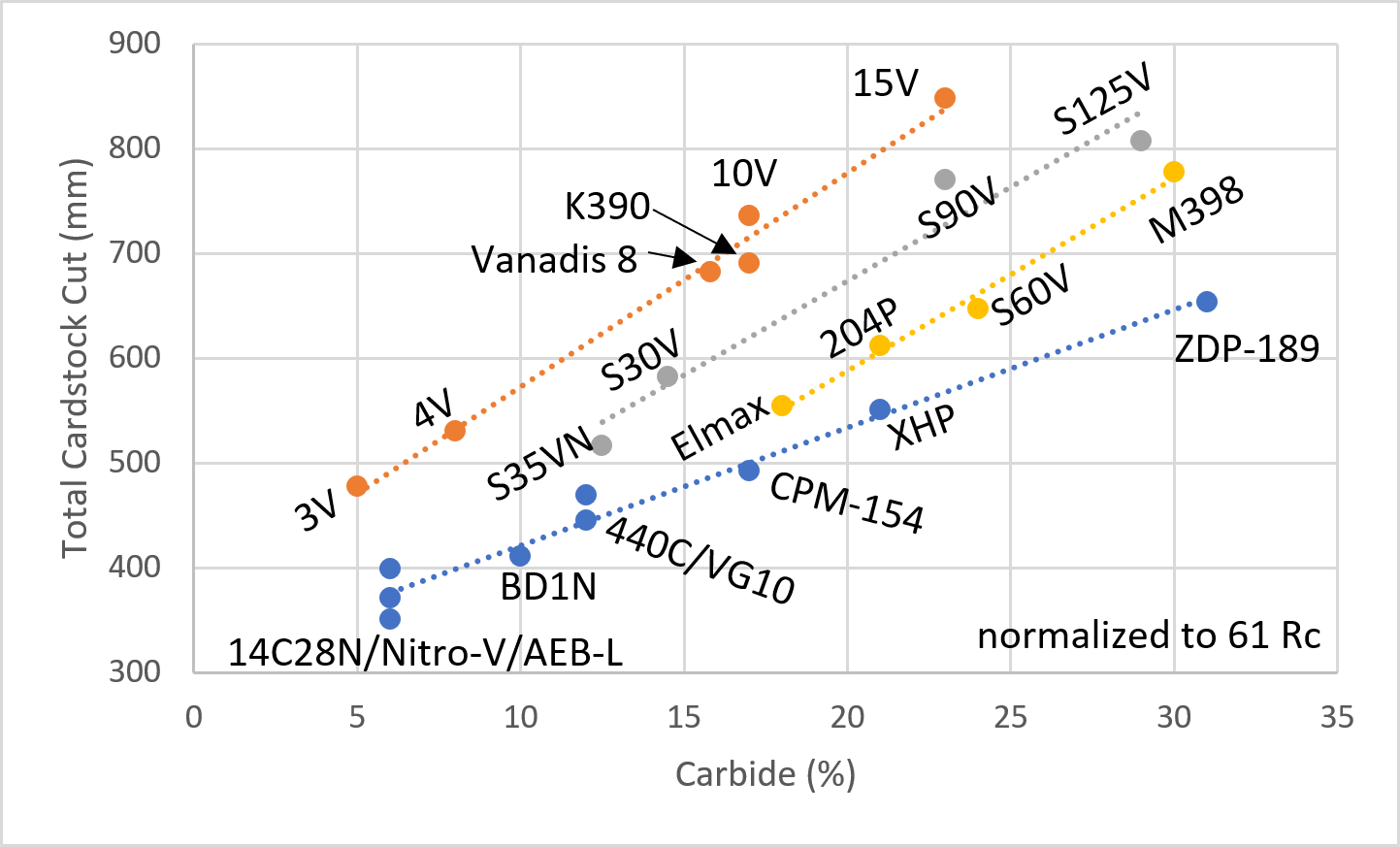
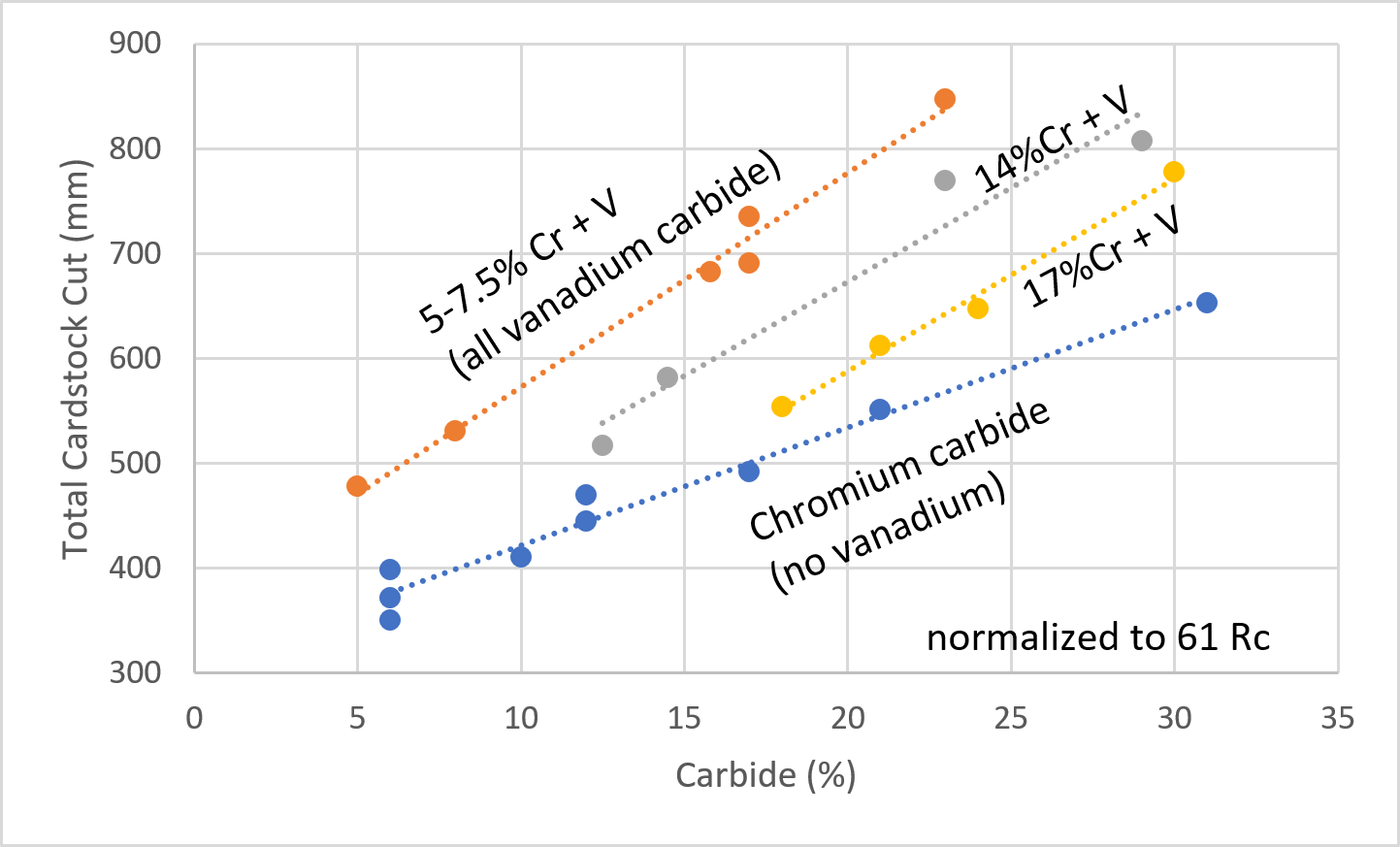
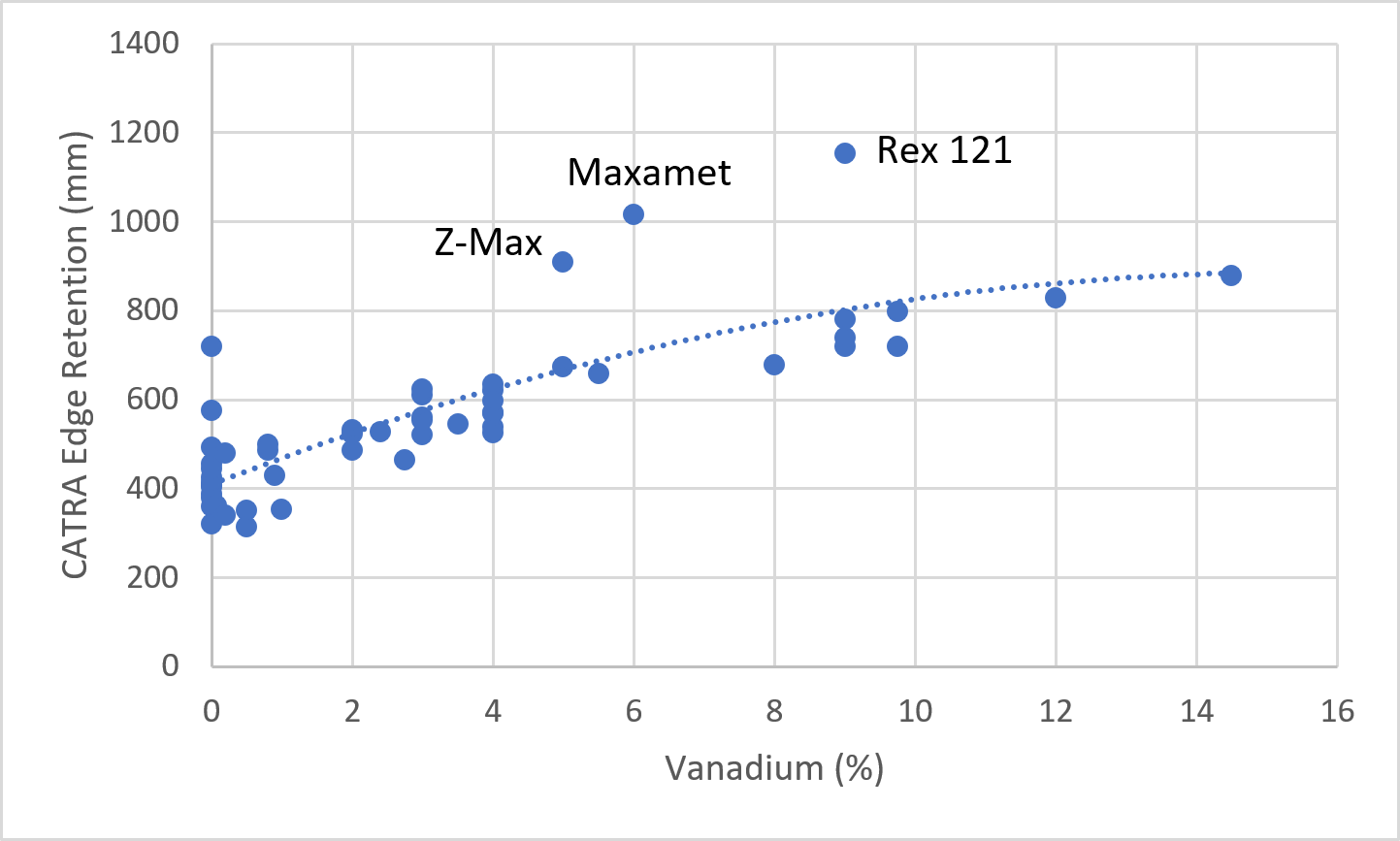
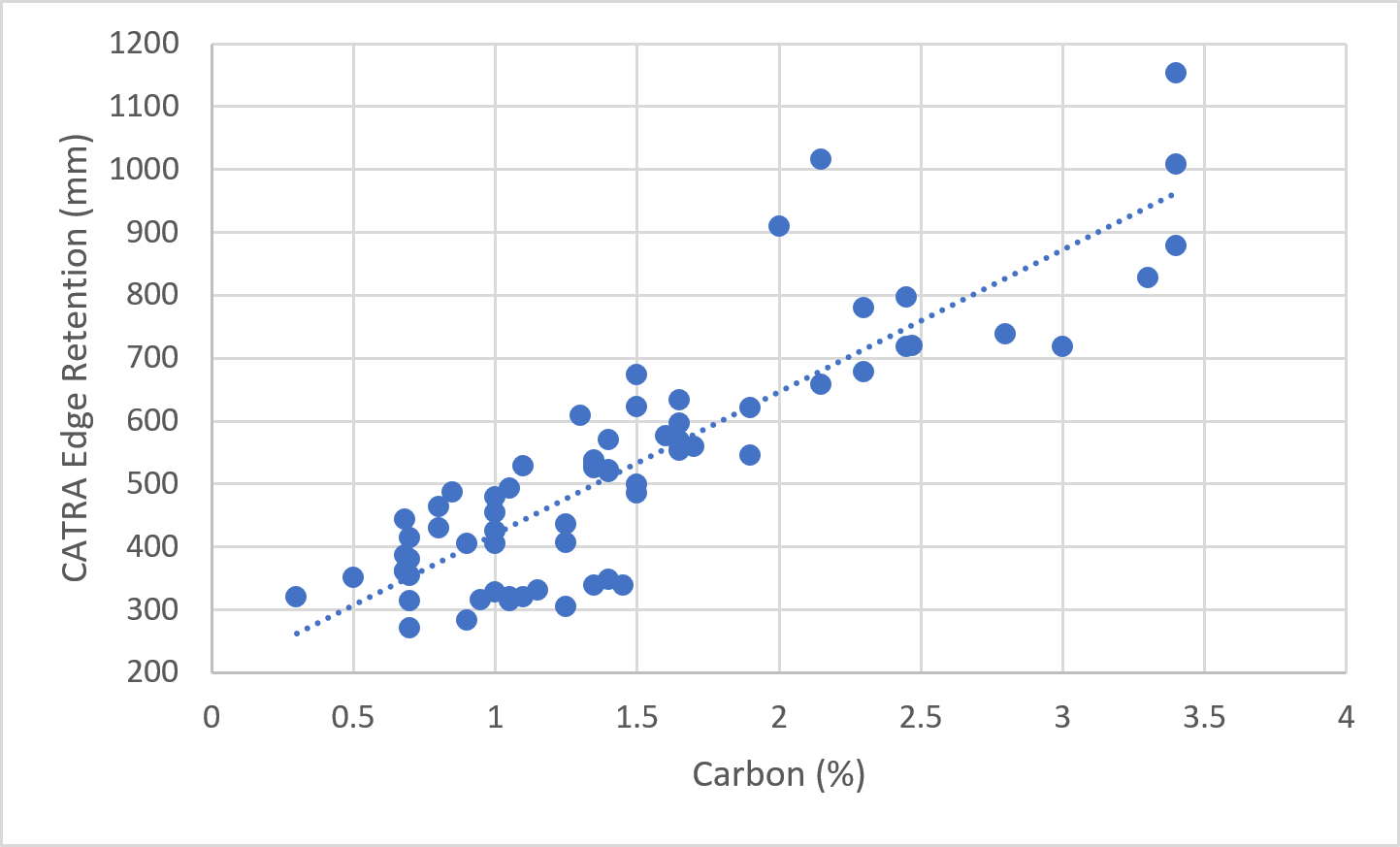
Recent data indicates that the simplest predictor of edge retention is carbon content. Because carbon is the primary driver of carbide formation, an increase in carbon generally correlates with higher CATRA scores. However, the type of carbide is equally critical. Vanadium carbides are significantly harder than chromium or iron carbides. Consequently, steels with even modest vanadium additions (such as CPM-4V or CPM-10V) show a dramatic increase in wear resistance compared to low-alloy steels.
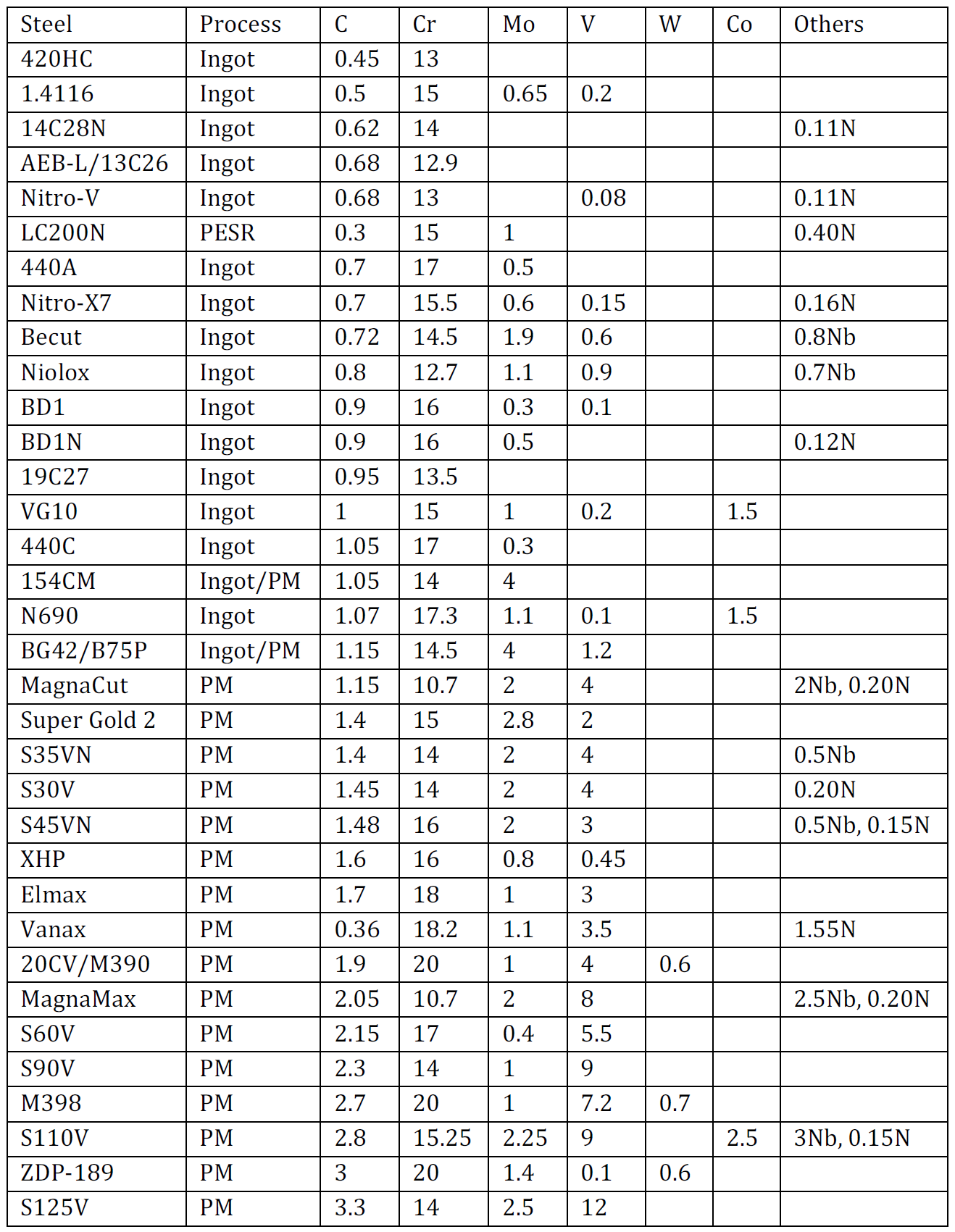
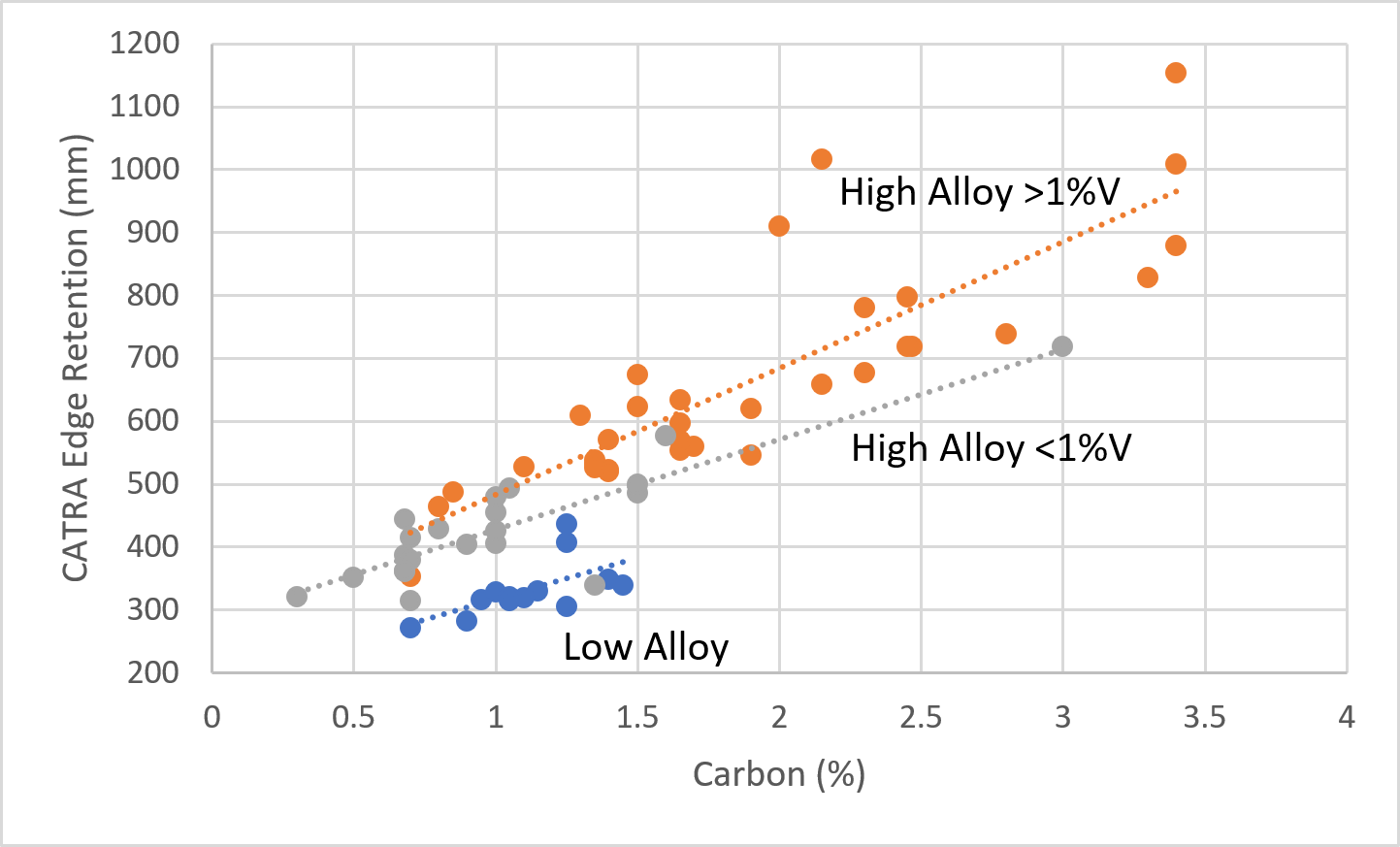
To provide a more accurate estimate, researchers have categorized steels into three groups:
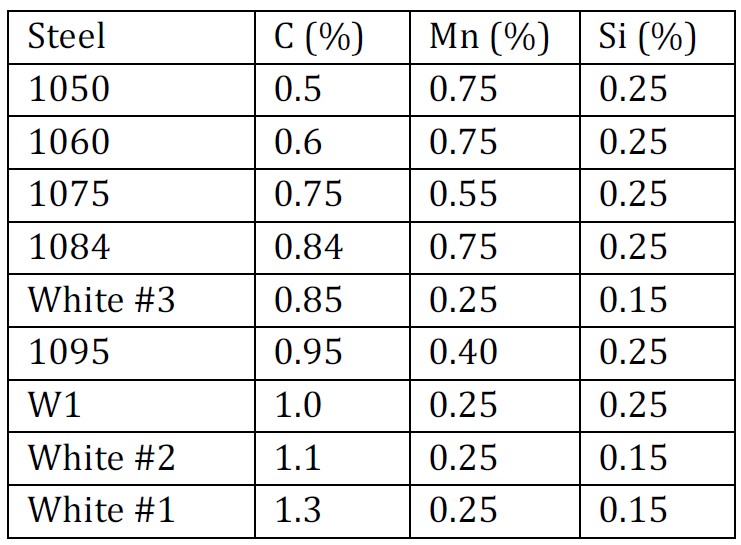
- Low Alloy Steels: These contain mostly iron carbides (cementite), which are relatively soft. Even with high carbon, their edge retention remains at the lower end of the spectrum.
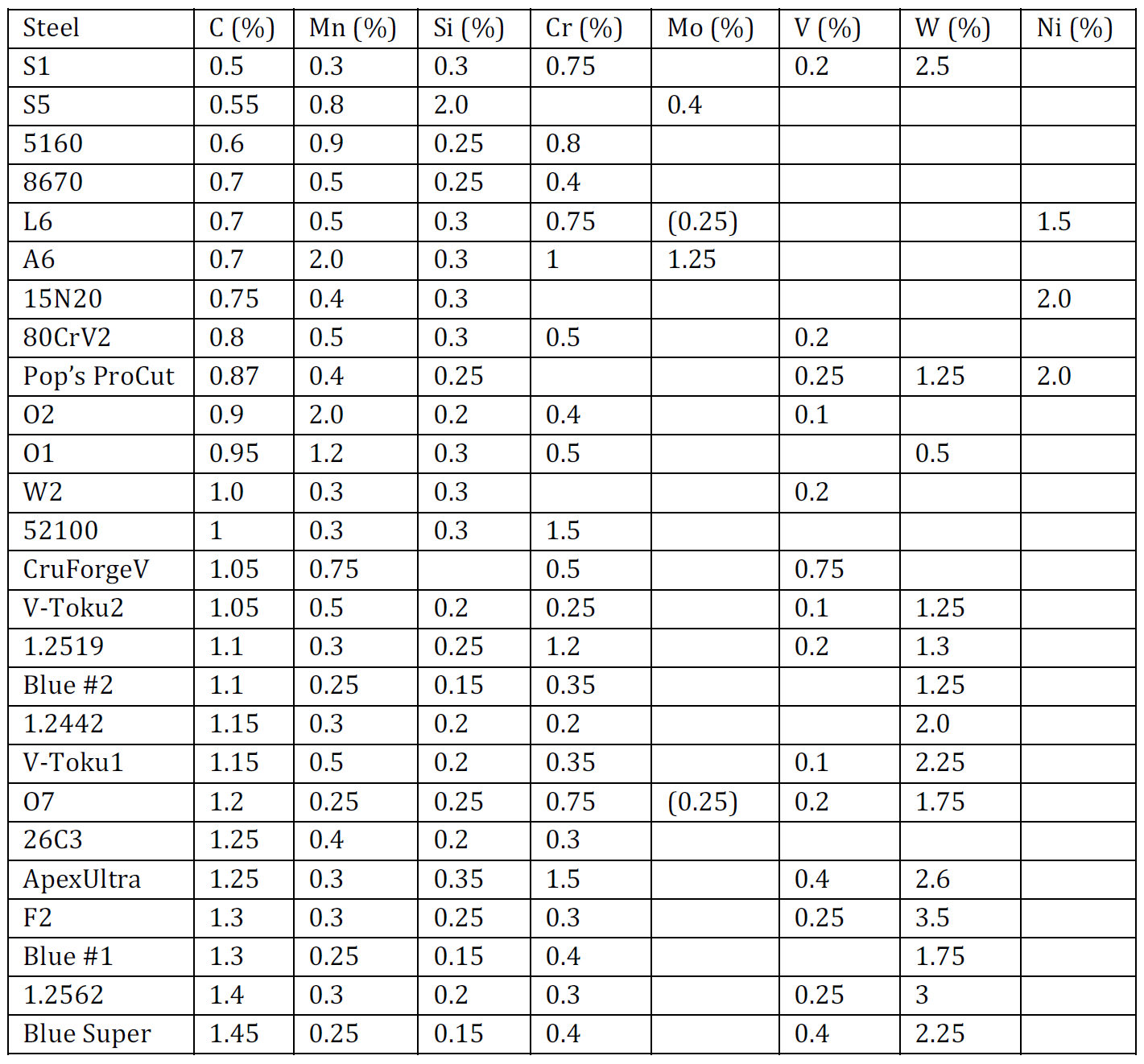
- High Alloy Steels (Low Vanadium): These rely on chromium carbides. While harder than iron carbides, they require a higher volume to match the performance of vanadium-heavy steels.
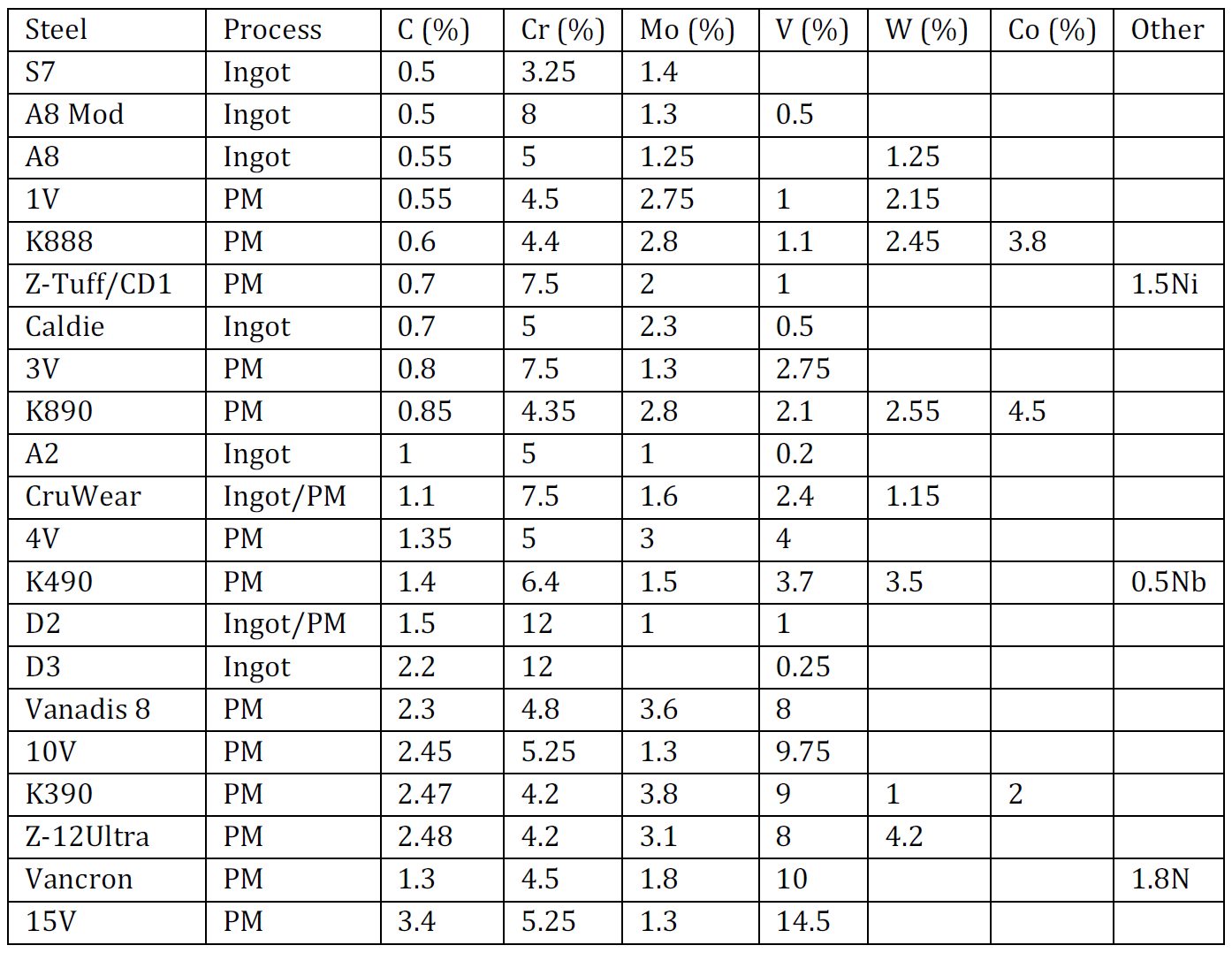
- High Vanadium Steels: These alloys leverage the extreme hardness of vanadium carbides to achieve top-tier edge retention, often reaching CATRA scores exceeding 700mm of paper cut.
The Toughness Trade-off and the Powder Metallurgy Revolution
Toughness—the ability of a steel to resist chipping or breaking under impact—often exists in an inverse relationship with edge retention. As carbon content increases to form more carbides, the steel generally becomes more brittle. This is because carbides act as sites where cracks can initiate and propagate.
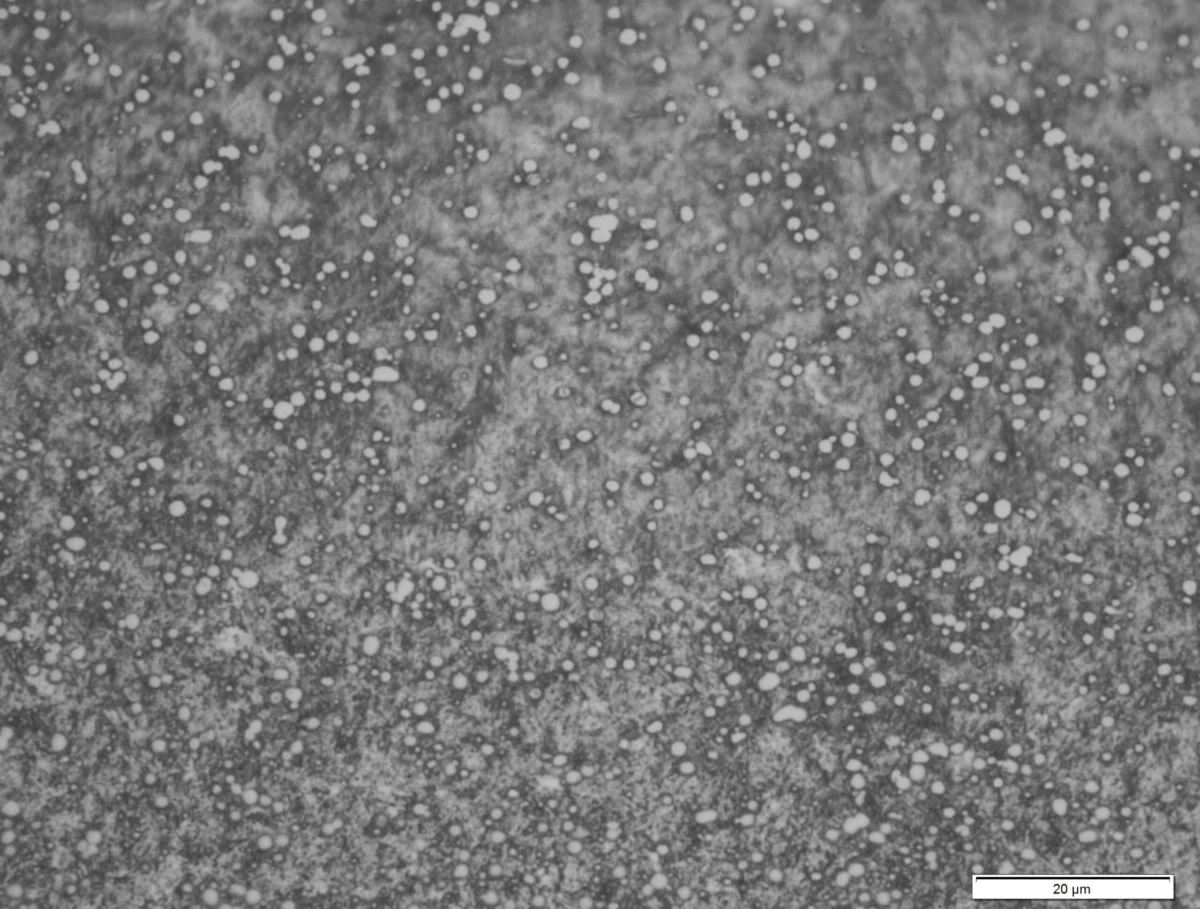
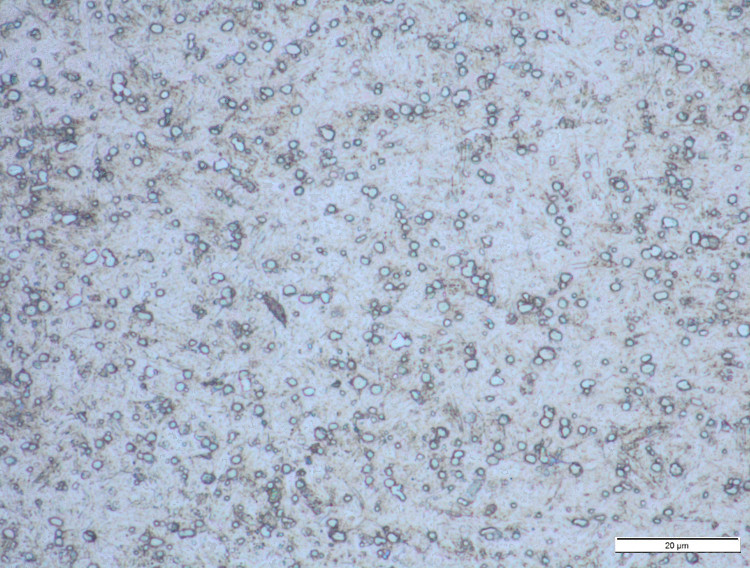
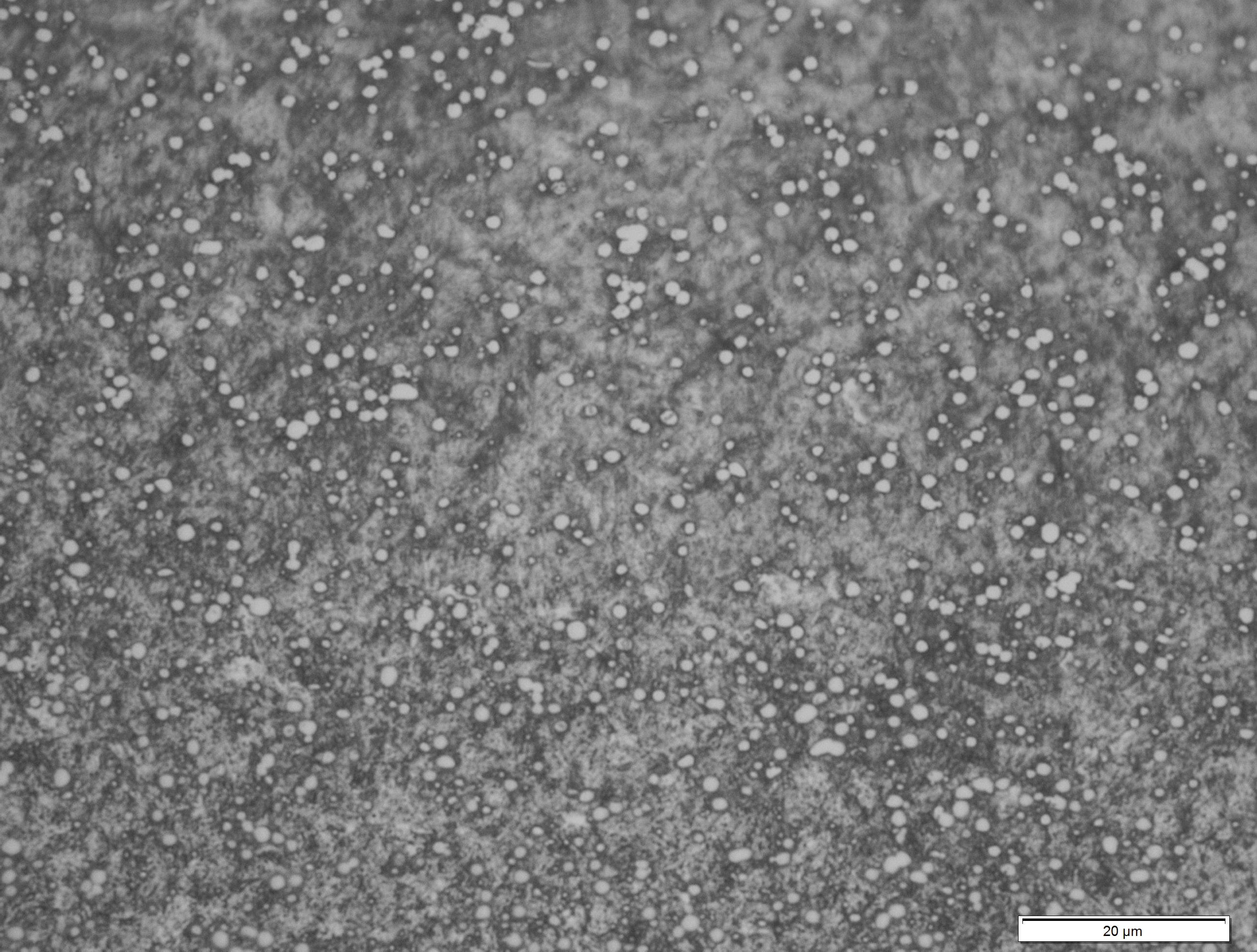
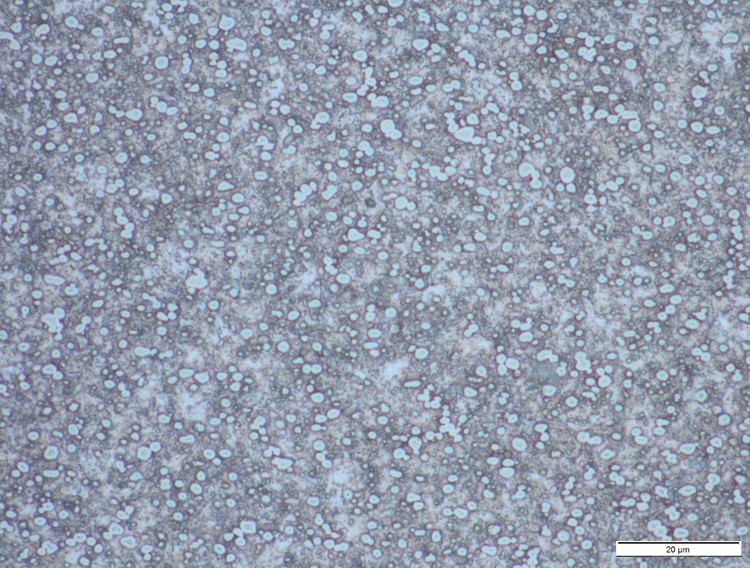
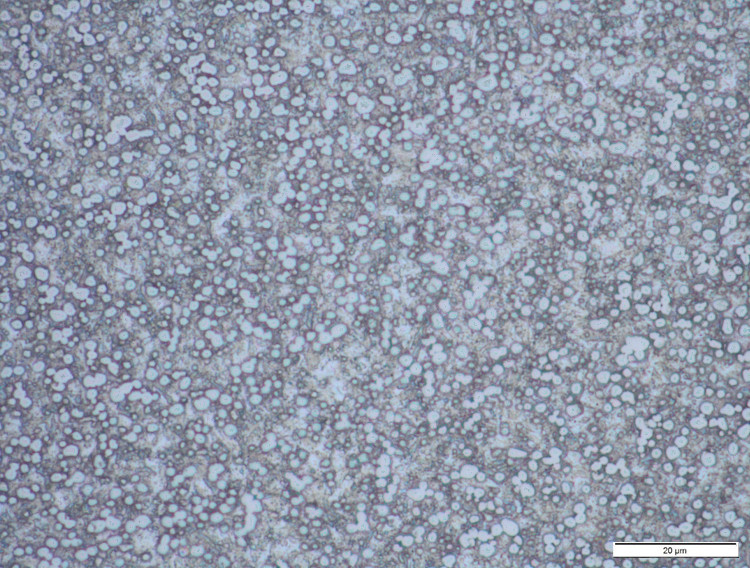
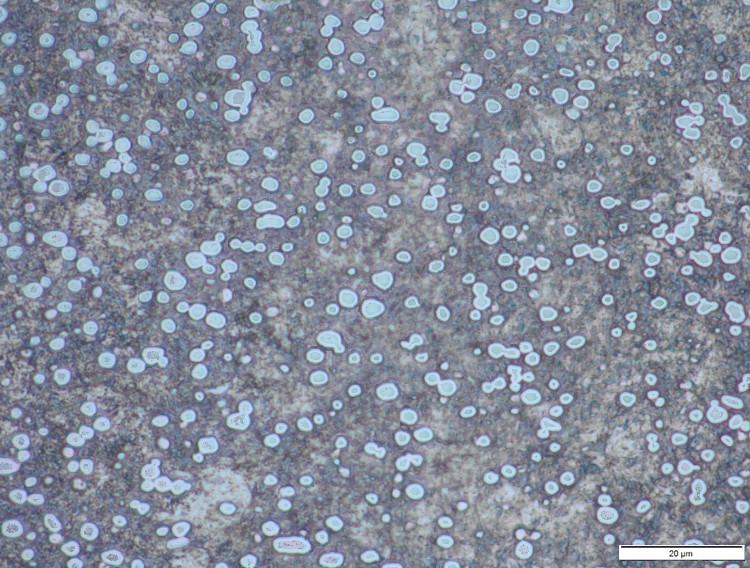
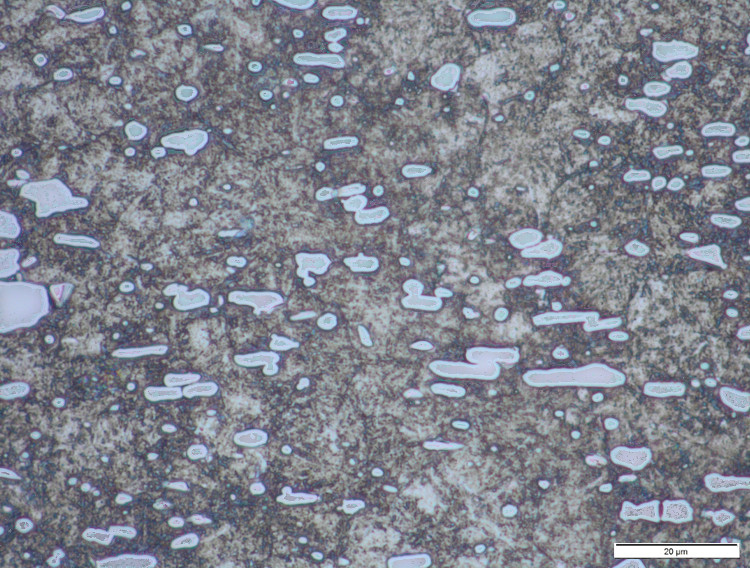
The chronology of steel development shows a major turning point with the advent of Powder Metallurgy (PM). Conventional "ingot" steelmaking involves melting the alloy and pouring it into a mold, which can lead to the formation of large, uneven carbide clusters. In contrast, the PM process involves atomizing the molten steel into a fine powder, which is then pressed and sintered. This results in a much finer, more uniform carbide distribution.
Supporting data shows that a PM steel like CPM-D2 exhibits significantly higher toughness than its conventionally cast counterpart, D2, despite having the same chemical composition. Furthermore, the size of the carbides matters as much as the volume. While vanadium carbides are smaller and more evenly dispersed, chromium and tungsten carbides tend to be larger, which explains why high-speed steels (like Rex 121) or high-chromium stainless steels often have lower toughness than vanadium-heavy non-stainless tool steels like CPM-3V.
Corrosion Resistance and the Chromium-to-Carbon Ratio
The definition of "stainless" steel is traditionally a chromium content of at least 10.5%. However, bulk chromium levels can be deceptive. For chromium to provide corrosion resistance, it must remain "in solution" within the steel’s matrix to form a protective chromium oxide layer on the surface. If the chromium is "locked up" in carbides, it cannot contribute to rust prevention.
This explains why D2, with 12% chromium, is often called "semi-stainless." Its high carbon content (1.5%) pulls the chromium into carbides, leaving the matrix vulnerable to oxidation. Conversely, modern steels like MagnaCut use a precise balance of carbon and vanadium to ensure that all chromium remains in solution.
A reliable method for estimating corrosion resistance is the Chromium-to-Carbon (Cr/C) ratio.
- High Cr/C Ratio: Steels with high chromium and low carbon (or carbon replaced by nitrogen, such as LC200N or Vanax) offer extreme corrosion resistance.
- Low Cr/C Ratio: Steels like ZDP-189, which has 20% chromium but a massive 3% carbon, exhibit surprisingly poor corrosion resistance because the carbon consumes the chromium to form carbides.
Chronology of Steel Performance Milestones
The history of knife steel can be viewed as a series of attempts to balance these three pillars.
- The Era of Simple Carbon (Pre-1950s): Steels like 1095 offered high toughness and ease of sharpening but lacked corrosion resistance and edge retention.
- The Stainless Revolution (1960s-1980s): The rise of 440C and later ATS-34 provided rust resistance, though often at the cost of toughness.
- The PM Breakthrough (1990s-2010s): The introduction of CPM-S30V and CPM-M4 allowed for high wear resistance without the extreme brittleness of ingot steels.
- The Modern Equilibrium (2020-Present): The development of MagnaCut and ApexUltra represents a new era where metallurgical modeling is used to maximize all three properties simultaneously, eliminating the "chromium carbide" problem that plagued previous generations.
Industry Implications and Expert Analysis
The ability to predict steel properties from composition has profound implications for both custom knifemakers and industrial manufacturers. For the consumer, it provides a "BS detector" against marketing claims of "super steels" that may simply be rebranded versions of older alloys. If a new steel claims record-breaking edge retention but shows low carbon and no vanadium on its spec sheet, the claims can be immediately viewed with skepticism.
For manufacturers, this predictive framework allows for more targeted research and development. Rather than using trial-and-error, metallurgists can now use computational thermodynamics to design steels that hit specific performance targets. However, industry experts emphasize that the "heat treat" remains the ultimate variable. A poorly heat-treated "super steel" will perform worse than a perfectly treated simple carbon steel. The predictive model assumes "ideal" processing, which includes proper austenitizing temperatures, plate quenching, and cryogenic treatments where necessary.
Broader Impact on the Knife Market
As the general public becomes more educated in the nuances of metallurgy, the market is shifting toward transparency. Enthusiasts are no longer satisfied with labels like "High Carbon Steel" or "Surgical Stainless." They demand specific alloy names and Rockwell hardness (HRC) ratings.
This democratization of metallurgical knowledge has also led to the rise of "budget gems"—steels that offer high performance at a lower price point because they use efficient compositions. For example, 14C28N is widely praised for its balance of toughness and corrosion resistance, despite being an affordable ingot steel, because its nitrogen-based chemistry avoids the pitfalls of excessive chromium carbides.
In conclusion, while the world of knife steel remains a balance of compromises, the path to a better blade is becoming clearer. By focusing on the roles of carbon in driving edge retention, the manufacturing process in preserving toughness, and the Cr/C ratio in ensuring stainlessness, the industry is moving toward a future where "the perfect steel" is no longer a myth, but a measurable, predictable reality. While no single alloy can be the best at everything, the ability to accurately estimate properties allows users to choose the right tool for the right task with scientific confidence.