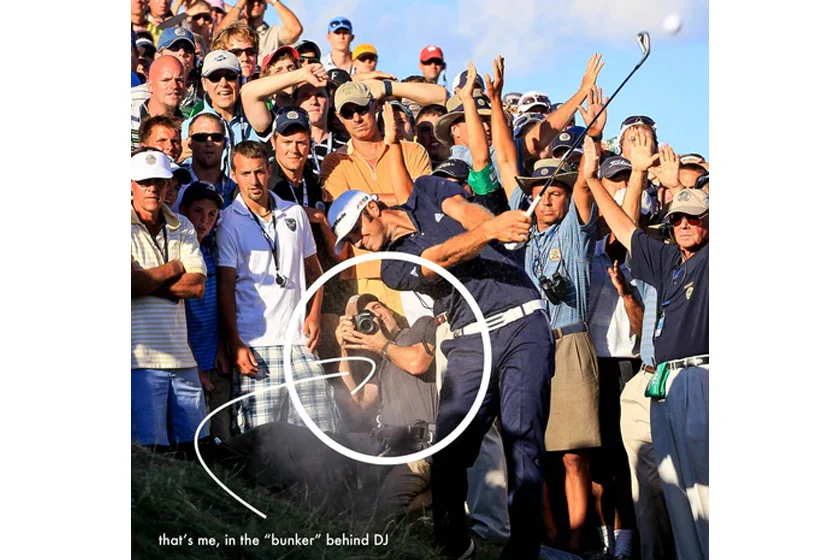
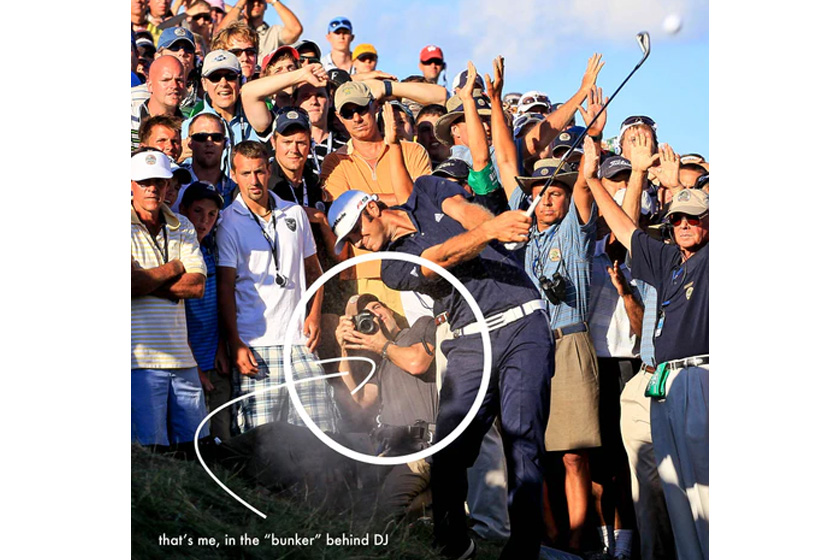
The transition from a professional gear consumer to a gear manufacturer requires a fundamental shift in perspective, moving from the demands of the field to the constraints of the design studio. For Allan Henry, the founder of Atlas Packs, this transition was rooted in two decades of experience on the sidelines of major sporting events for USA Today. Carrying heavy telephoto lenses and dual camera bodies for eight-hour championship events provides a distinct, unromantic education in ergonomics. In such high-stakes environments, the failure of a harness or an extra pound of unnecessary weight does not merely result in discomfort; it causes physical fatigue that can tangibly degrade the quality of a photographer’s output. This professional background has become the cornerstone of the Atlas Packs philosophy, emphasizing that a bag is not just a container, but a critical tool for performance.
The company first gained significant recognition in the gear community through its backcountry-focused designs, specifically the Adventure and Athlete packs. These bags were engineered to merge the suspension systems of high-end alpine trekking packs with the specialized protection required for high-end photography equipment. The success of these initial offerings was validated when the Atlas Athlete Pack received a Carry Award for Best Camera Bag, signaling that Henry’s focus on heavy-duty, custom-sized suspension systems had filled a void in the market for outdoor photographers. However, the challenge of translating these rugged, wilderness-oriented principles into a streamlined everyday carry (EDC) ecosystem required a complete departure from previous design blueprints.
The Evolution of a Design Philosophy: From Alpine to Urban
The development of the Atlas One system represents a deliberate move toward "slow design," a process that prioritizes long-term observation over rapid iteration. Unlike many manufacturers that rush prototypes to market to capitalize on trends, Henry initiated a 365-day variable test for the Atlas One. He utilized a single, finished prototype and lived with it for an entire year without altering a single stitch. This period of "design patience" allowed Henry to observe how fabric panels settled, how natural stress points emerged across four distinct seasons, and how the human body adapted to the pack’s pattern over time. This data-driven approach ensured that the final production run would be based on real-world durability rather than theoretical performance.
To further refine the concept, Henry engaged focus groups comprised of existing Atlas customers. The initial assumption was that this core audience—users accustomed to the feature-heavy utility of the Athlete and Adventure lines—would demand a high degree of complexity, including numerous specialized pockets and camera-centric attachments. However, the feedback provided a sharp reality check. The community did not want additional bells and whistles; instead, their demands were distilled into two non-negotiable requirements: uncompromising comfort and flawless build quality. This feedback allowed Henry to aggressively strip away unnecessary clutter, focusing instead on optimizing touchpoints, refining internal cleanliness, and sourcing manufacturing lines capable of meeting high-precision standards.
The One Body, One Lens Paradigm
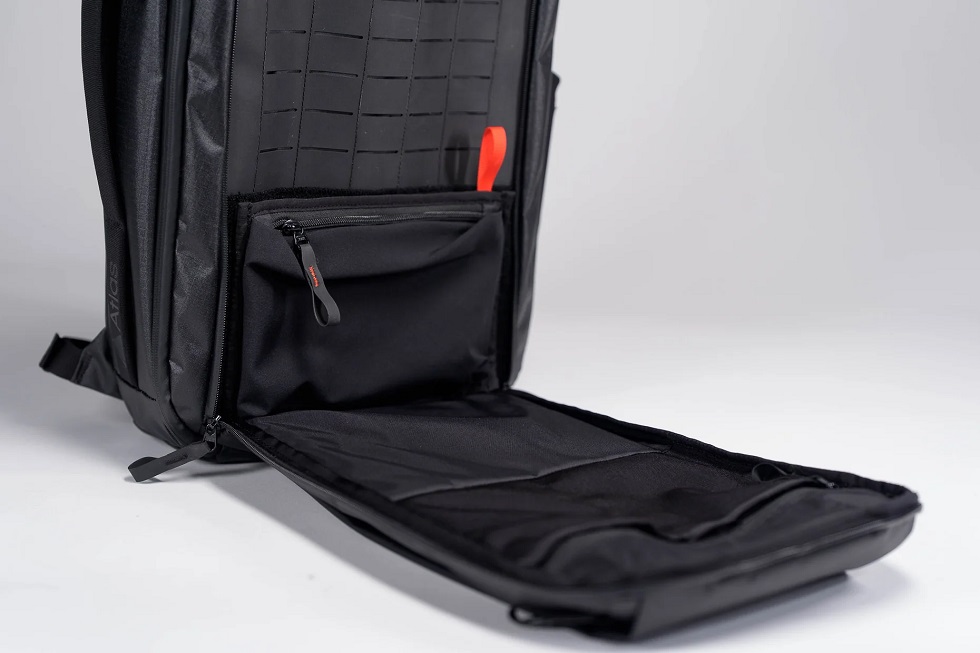
Most everyday carry or travel bags are designed as general-purpose "boxes" where users are expected to organize their gear using various tech pouches and camera inserts. This often leads to "dead space" and an inefficient distribution of weight. The Atlas One system shifts this paradigm by focusing on the "One Body, One Lens" footprint. The interior of the bags is lined wall-to-wall with premium Velex loop fabric, creating an integrated, low-profile ecosystem. This allows gear to be secured directly to the bag’s internal structure, eliminating the need for bulky third-party inserts and preventing the "Tetris" effect often associated with packing camera gear.
The Atlas One system is comprised of three distinct models, each tailored to a specific use case while maintaining a unified design language:
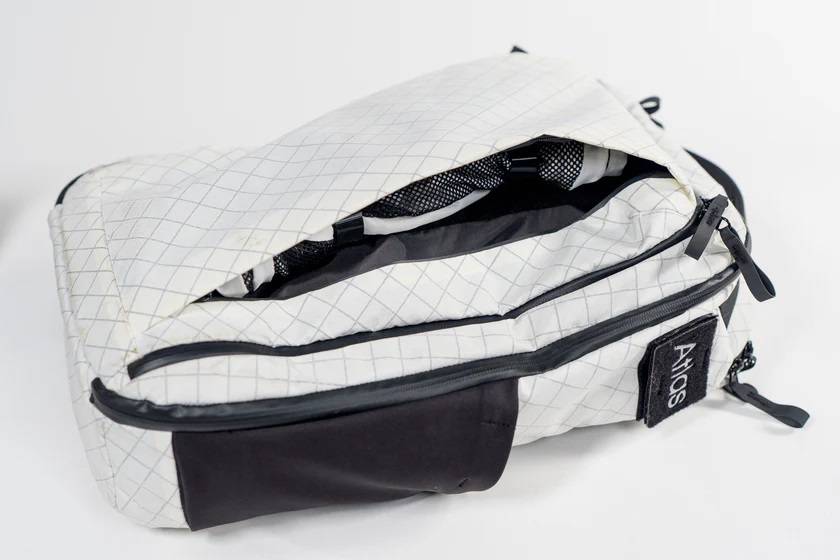
- The Day Pack (20–25L): Designed for urban environments, this ultra-compressed pack can flatten down to a depth of 4.5 inches. It is intended for photographers who need a slim profile while navigating crowded city streets or public transportation.
- The Getaway Pack (25–32L): This model is built for multi-day travel, featuring a deeper clamshell design that complies with international airline carry-on regulations. It balances the need for personal items with the protection of a dedicated camera setup.
- The Mission Pack (27–30L): The most technical of the trio, the Mission Pack utilizes a built-in Origami Camera Core and a magnetic side door. This configuration is optimized for quick access to larger telephoto setups, catering to photographers who remain "on the move."
Technical Materials and Economic Innovation
The construction of the Atlas One involves a dynamic mix of technical textiles. Henry varies the fabric paneling across the bags to balance weight, pliability, and durability. Lightweight ripstops are used on low-impact face panels to reduce the overall weight of the pack, while rugged, high-denier technical textiles are reserved for the base and perimeter walls, which bear the brunt of friction and environmental exposure. This meticulous selection of materials ensures that the bags can withstand the rigors of daily use without becoming overly heavy.
In an unusual move for the industry, Atlas Packs employs a size-agnostic pricing model. Rather than charging more for a larger physical "box," the price of a bag is determined by the technical complexity and the cost of the textiles used in that specific batch. This reflects the brand’s position as an independent design lab rather than a mass-market manufacturer. By managing the entire lifecycle—from prototyping to direct, small-batch production—Atlas maintains the agility to experiment with different fabric configurations based on current textile availability and design trends.
Chronology of Development and Testing
The timeline of the Atlas One’s development highlights the brand’s commitment to durability over speed:
- Year 1-20 (Professional Context): Allan Henry works as a professional sports photographer, developing a deep understanding of ergonomic failure points in existing camera carry solutions.
- Post-Professional Transition: Launch of the Adventure and Athlete packs, establishing the brand’s reputation for alpine-grade camera carry.
- The Prototype Year: A 365-day period where a single Atlas One prototype is used daily across all seasons to track UV exposure, dirt accumulation, and frameless yoke shifting under various loads.
- The Focus Group Phase: Existing customers provide feedback, leading to the removal of complex features in favor of streamlined build quality.
- Small-Batch Production: The Atlas One system enters production using a direct-to-consumer model, bypassing traditional retail markups and maintaining strict quality control.
Industry Implications and the Rise of the Independent Micro-Brand
The success of Atlas Packs serves as a compelling proof of concept for the independent micro-brand in the soft goods industry. In a market often dominated by large corporations chasing global retail distribution and mass-market scaling, Atlas has chosen to protect its creative autonomy by remaining small and agile. This approach allows the brand to prioritize the needs of a specific, passionate community of gear enthusiasts over the demands of high-volume retail.
Industry analysts suggest that this "precision over scale" model is becoming increasingly viable as consumers move away from generic products in favor of gear with a clear professional pedigree. By refusing to compromise on the fundamentals—comfort, build quality, and intentional design—Atlas Packs has carved out a niche that larger competitors struggle to fill. The Atlas One system is not just a new product line; it is a manifestation of a design philosophy that values the long-term relationship between the user and their tools.
Conclusion: The Future of Professional Carry
As the Atlas One system marks its entry into the market, it represents a pivotal shift for a brand that built its reputation on the heavy-duty requirements of the backcountry. By successfully translating those principles into an everyday carry format, Allan Henry has demonstrated that minimalism in design is not about doing less, but about caring more about the essential elements that remain.
The commitment to multi-seasonal data points and the rejection of reactionary design tweaks ensure that the Atlas One is built for longevity. In an era of "disposable" gear and rapid fashion cycles, Atlas Packs’ focus on durability and ergonomic precision offers a different path forward. For the professional photographer or the discerning traveler, the Atlas One system provides a blueprint for what modern, independent soft goods design can achieve when patience and professional experience are placed at the center of the process.