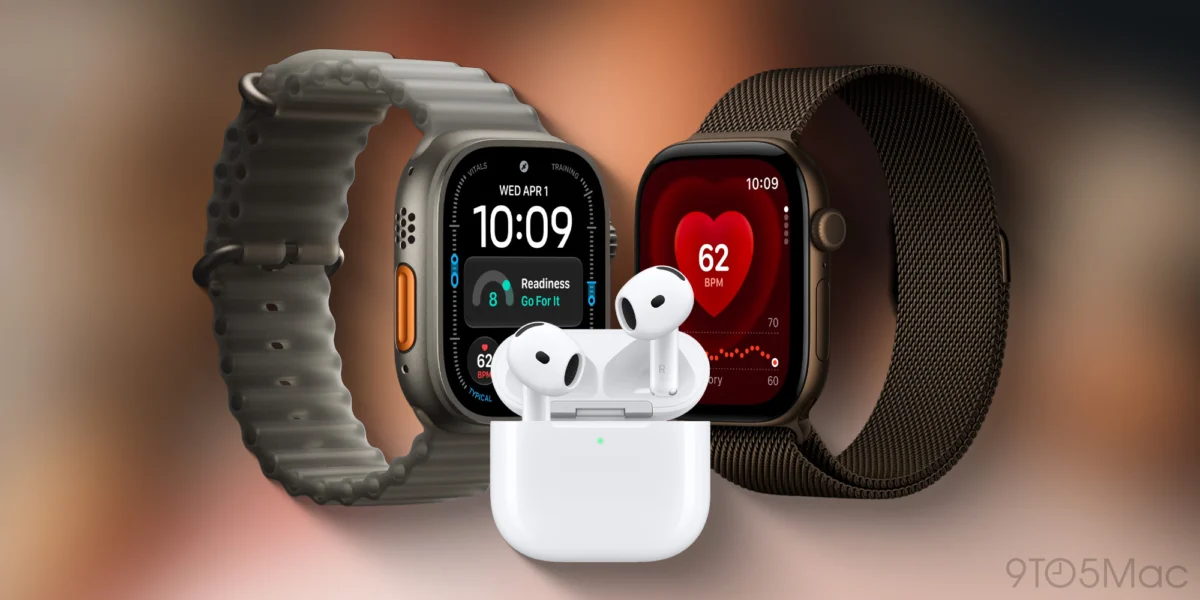
Following the conclusion of Apple’s highly anticipated September product showcase, the company has officially opened pre-orders for its latest hardware ecosystem. The new lineup, which includes the Apple Watch Series 12, the flagship Apple Watch Ultra 4, and the fifth generation of its popular AirPods, is scheduled to arrive at retail locations and reach initial customers starting Friday, September 18. These hardware updates represent a significant push toward integrating advanced health diagnostics and machine learning-driven audio processing into the company’s wearable portfolio.
The Evolution of the Apple Ecosystem: A Chronology of the September Launch
The September event served as a milestone for Apple’s wearable division, which has seen consistent year-over-year growth. The timeline for this release began with months of speculation regarding the integration of higher-frequency sensor arrays. On September 9, 2026, Apple formally unveiled the new devices, emphasizing a transition from general wellness tracking to clinical-grade health monitoring.
The rapid turnaround from announcement to market availability—a window of just over one week—demonstrates Apple’s optimized logistics chain. By opening Amazon pre-orders immediately following the event, the company aims to capture early adopter demand before the official September 18 global launch. This strategy reflects a broader corporate shift to minimize the latency between product introduction and consumer access, ensuring that momentum from the keynote presentation directly translates into sales volume.
AirPods 5: Democratizing Active Noise Cancellation
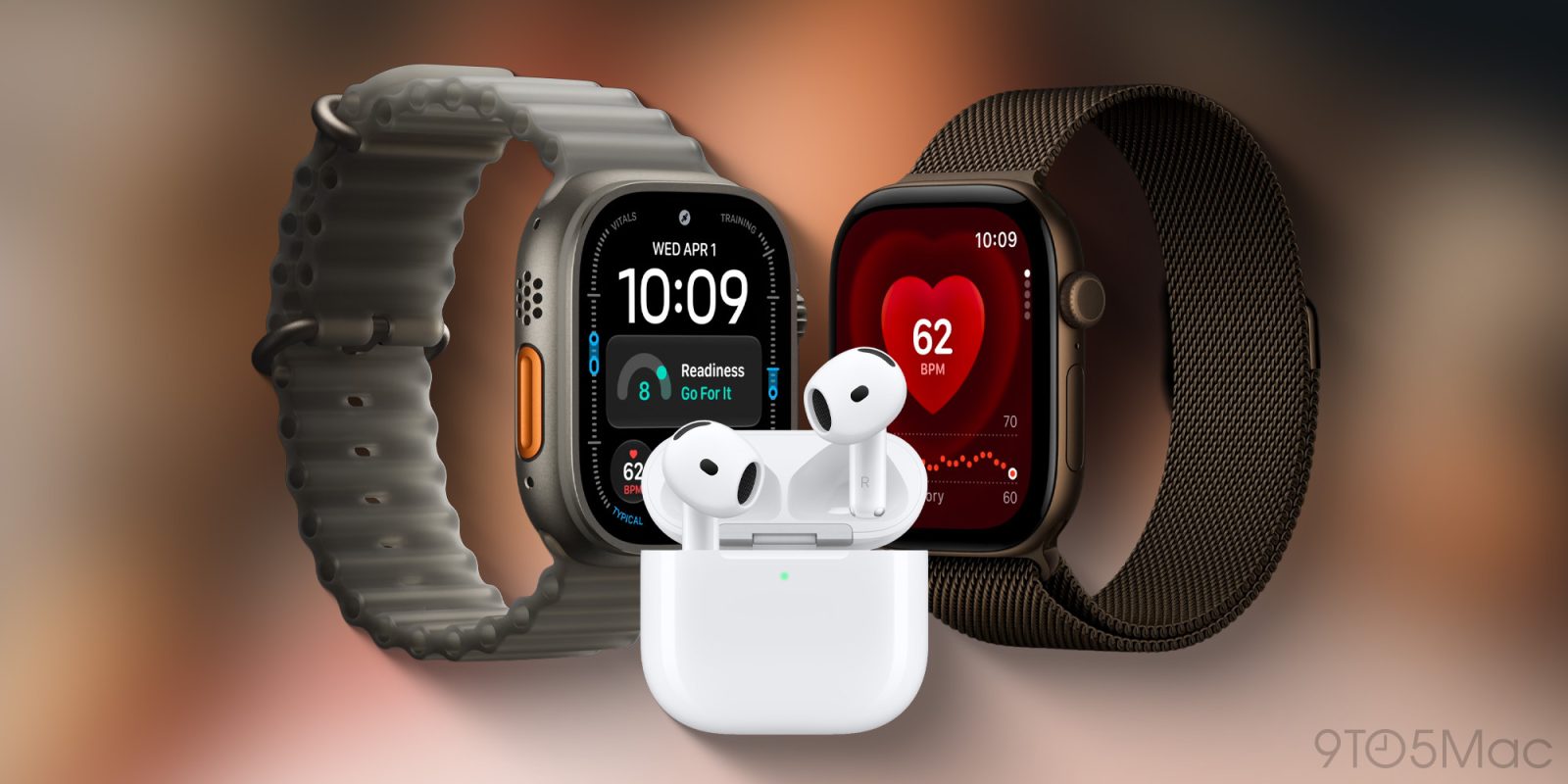
The AirPods 5 represent a significant departure from previous entry-level models, most notably through the widespread inclusion of Active Noise Cancellation (ANC). Historically, ANC was a feature reserved for the premium AirPods Pro lineup, but its introduction into the standard AirPods 5 marks a strategic effort to lower the barrier to entry for high-fidelity audio features.
Analysis of the technical specifications reveals two distinct tiers within the AirPods 5 family. The premium variant includes advanced features such as on-stem volume control and a wireless charging case, while the base model omits these to maintain a lower price point. Furthermore, power efficiency has been a primary focus of this iteration, with the higher-end model offering an additional hour of battery life compared to its predecessor. Early field testing suggests that the computational audio processing used for the new ANC is remarkably effective, significantly reducing ambient low-frequency noise compared to the AirPods 4. This improvement is likely powered by the latest iteration of Apple’s proprietary H-series chipsets, which have been refined to handle complex environmental filtering with minimal power consumption.
Apple Watch Series 12 and Ultra 4: The Health Sensing Revolution
The core of the hardware announcement lies in the new "Health Sensing System," introduced with both the Series 12 and the Ultra 4. This system is not merely a software update but a fundamental hardware overhaul of the sensor array. By utilizing higher-frequency heart rate and heart rate variability (HRV) sensors, the device can capture data points with greater granularity than previous models.
This increased data density is the foundation for the new "Readiness Score" feature. By cross-referencing HRV, resting heart rate, and sleep quality metrics, the Watch provides users with a quantified assessment of their physiological recovery. This capability mirrors advancements seen in dedicated fitness trackers, signaling Apple’s intent to compete more directly with specialized sports technology companies like Garmin and Oura.

Beyond physical health, the Series 12 and Ultra 4 introduce "Audio Intelligence," a suite of machine learning features designed to assist in daily communication. Features such as "Live Rewind" and "Siri Recap" utilize on-device processing to summarize audio input or allow users to revisit recent voice interactions. These features are indicative of Apple’s current focus on integrating generative AI and ambient computing into small-form-factor devices, prioritizing privacy by keeping the heavy processing load local to the silicon rather than the cloud.
Market Context and Economic Implications
The launch of these devices comes at a critical time for the wearables market. Global consumer electronics demand has faced headwinds due to inflationary pressures, prompting manufacturers to increase the value proposition of their products. By embedding high-end features—such as ANC in standard earbuds and clinical-grade health sensing in standard watches—Apple is effectively consolidating its product tiers to drive consumer upgrades.
The decision to leverage Amazon as a primary distribution partner for pre-orders is a tactical move designed to reach the widest possible customer base. Amazon’s logistics network provides a reliable fulfillment path that complements Apple’s direct-to-consumer sales, particularly for customers looking to leverage credit card points or existing promotional offers associated with their Amazon accounts.
From an industry perspective, the integration of higher-frequency sensors suggests that the "wearables war" is moving toward a battle for data accuracy. As healthcare systems become more digital, the ability for a consumer device to provide actionable, medically relevant data—rather than just anecdotal activity counts—will become the primary differentiator for consumers.

Design and Aesthetic Considerations
While the technological updates are substantial, Apple continues to refine the aesthetic appeal of its wearables. The introduction of new band colors, specifically the translucent Ocean Band options for the Ultra 4, emphasizes the company’s focus on blending high-performance gear with fashion-forward design. The use of translucent materials in the Ocean Band represents a subtle update to the industrial design language, providing a lighter visual profile for a device that is inherently bulky due to its ruggedized nature.
Future Outlook and User Engagement
As the September 18 launch date approaches, the industry will be watching to see how the market reacts to the pricing structure of the new lineup. With the AirPods 5 aiming to capture the mid-market segment and the Series 12/Ultra 4 targeting the intersection of fitness enthusiasts and health-conscious professionals, Apple appears well-positioned to maintain its leadership in the wearable sector.
For current users, the decision to upgrade will likely hinge on whether the new Health Sensing System provides sufficient value to justify the transition from the Series 10 or 11. Conversely, the inclusion of ANC in the standard AirPods 5 makes that specific product an easier purchase for the general consumer who previously felt the Pro models were too expensive.
Apple’s strategy is clear: solidify its ecosystem by ensuring that every device—regardless of its price tier—contains at least one "must-have" feature that was previously exclusive to the premium segment. As these devices enter the hands of consumers later this month, real-world performance data will confirm whether these hardware promises meet the expectations set during the keynote. For now, the combination of advanced health tracking and refined audio processing marks a significant step forward in the company’s multi-year roadmap for the Apple Watch and AirPods lines.