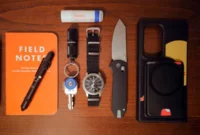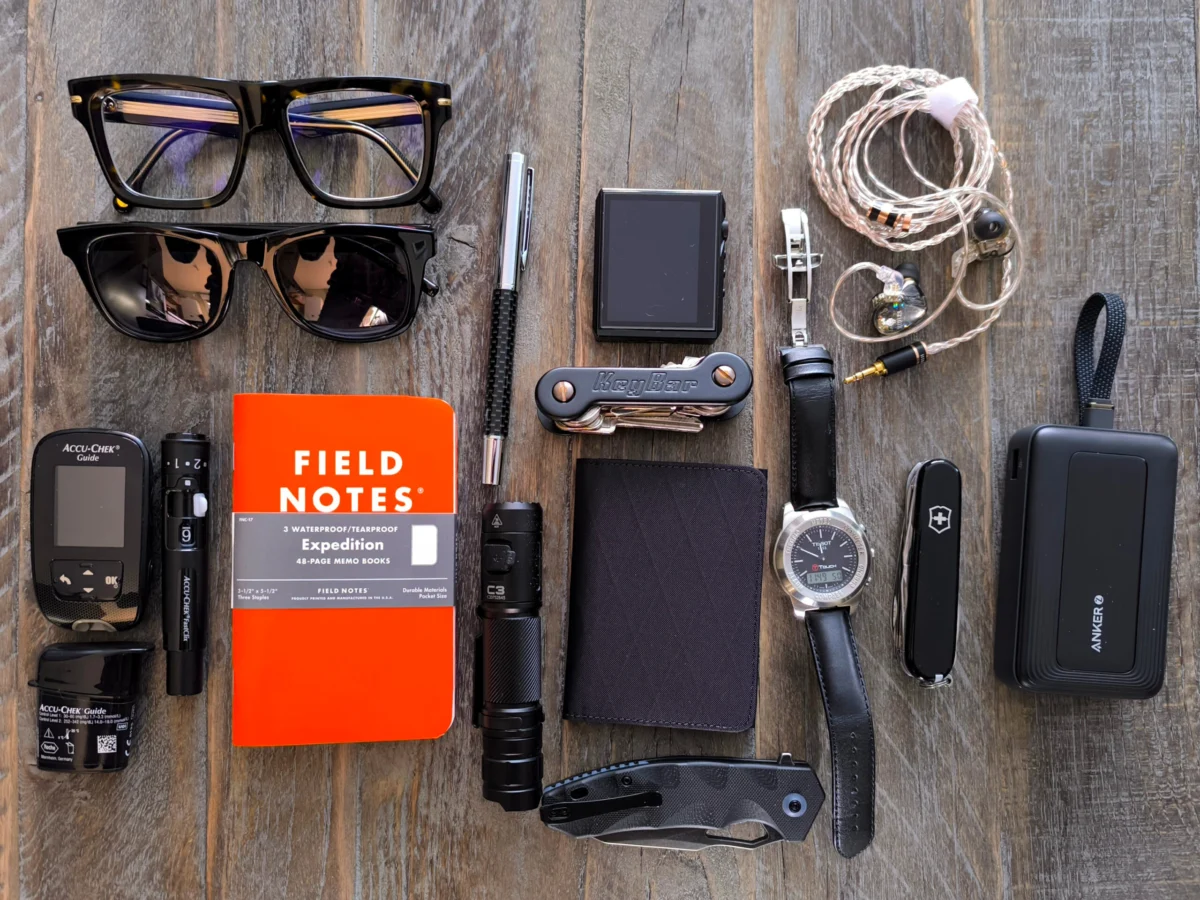
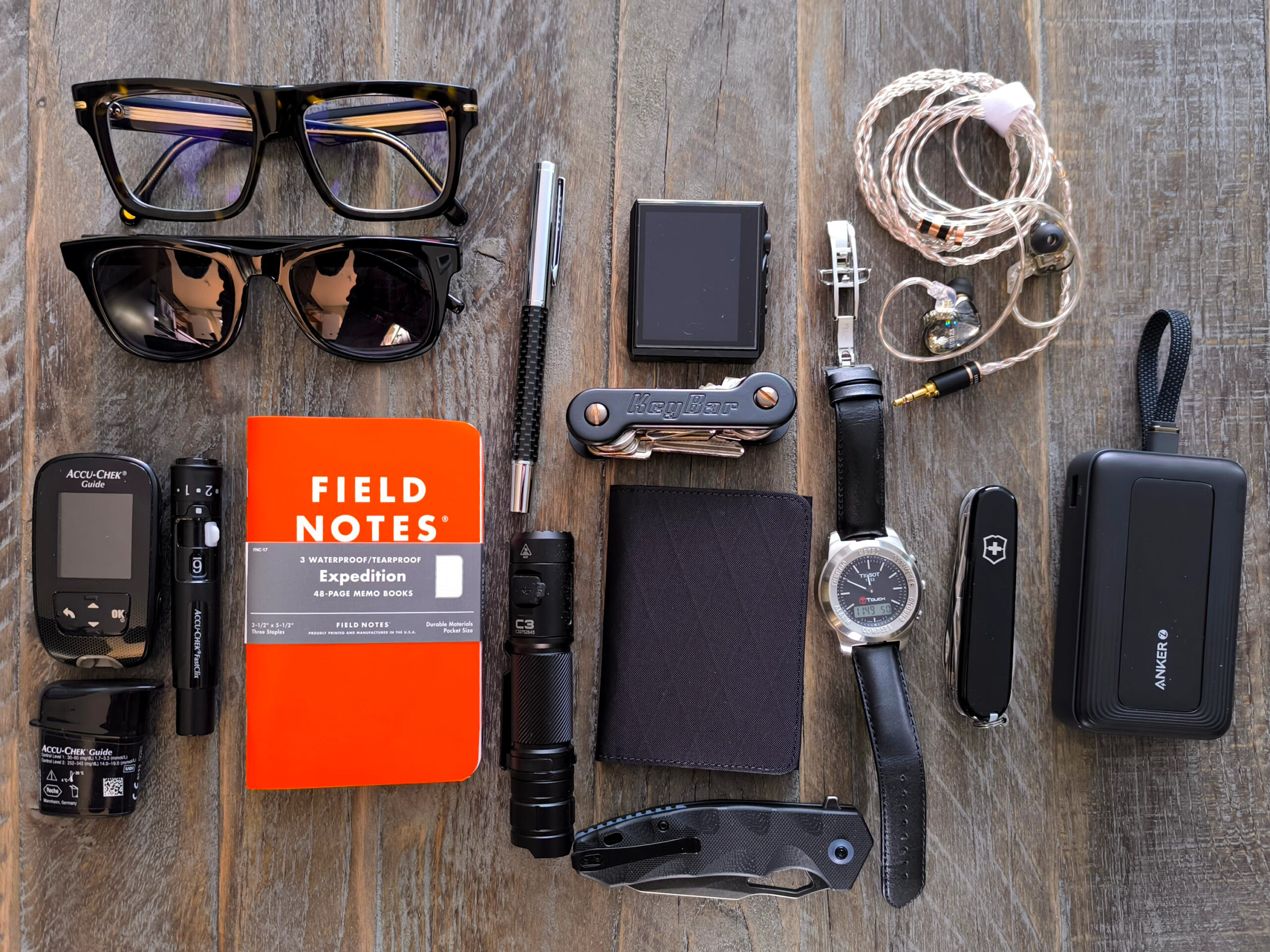
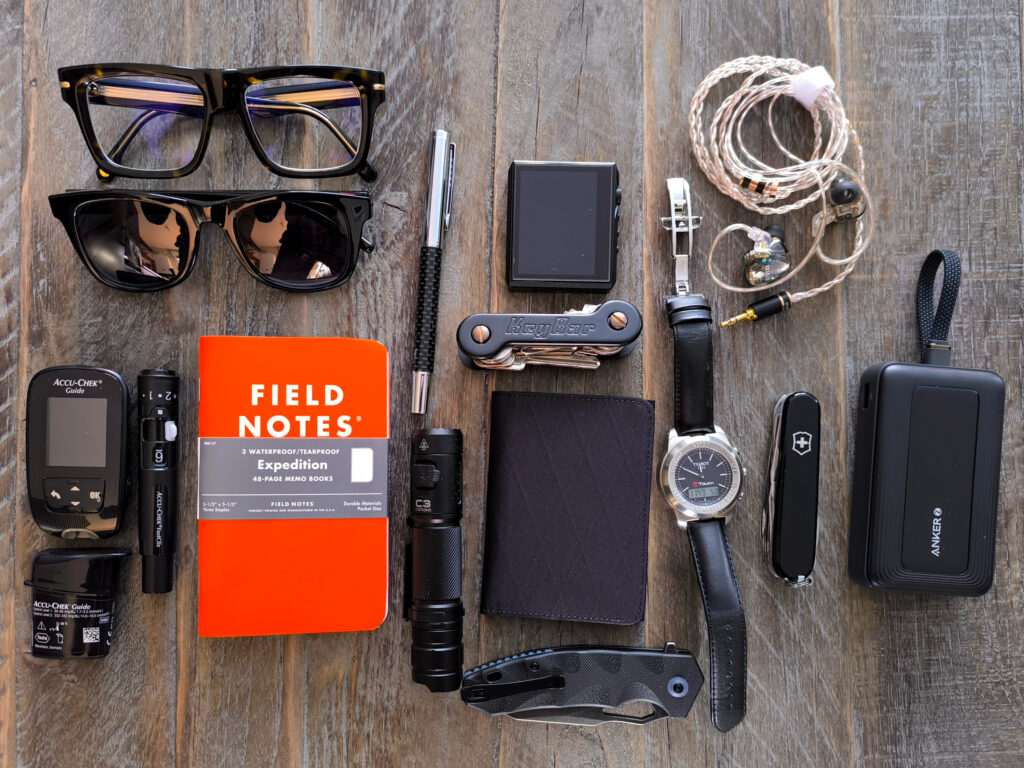
The practice of Everyday Carry (EDC) has evolved from a niche hobby into a deliberate study of personal efficiency, particularly for professionals whose daily responsibilities require a balance of technical reliability and situational preparedness. A compelling example of this is seen in the professional carry of Abdelhafed, a public official based in France who oversees building accessibility compliance. His curated selection of tools underscores a shift toward gear that emphasizes durability, technical utility, and the integration of high-fidelity personal technology within a demanding municipal work environment.
The Professional Context of Accessibility Oversight
In France, the legal framework governing building accessibility is stringent, anchored by the Law of February 11, 2005, for "Equal Rights and Opportunities, Participation and Citizenship of People with Disabilities." This legislation mandates that all public buildings and facilities must be accessible to persons with disabilities, encompassing mobility, visual, and auditory impairments.
For a professional in the role of accessibility compliance, the daily routine is not merely administrative; it is forensic. Site inspections require the precise measurement of door widths, the assessment of ramp gradients, and the evaluation of tactile ground surface indicators. This professional requirement dictates a carry that is modular, rugged, and capable of functioning in both unfinished construction sites and formal municipal office settings. By bridging the gap between field-grade equipment and office-ready aesthetics, the carry serves as a practical extension of the inspector’s mandate to ensure safety and legal compliance.
Chronology of Modern EDC Evolution
The concept of EDC as a discipline traces its roots to the early 21st century, gaining significant traction with the rise of online communities dedicated to documenting the "pocket dump." Historically, the carry was limited to a simple knife, wallet, and keys. However, the 2020s have seen a pivot toward "tech-forward" carry, characterized by the inclusion of high-performance audio equipment, specialized timepieces, and sophisticated mobile computing.
In the case of Abdelhafed, the inclusion of dedicated digital audio players and high-end wired in-ear monitors (IEMs) reflects a growing trend among professionals to optimize their auditory environment. As remote and hybrid work models become standard, the ability to control one’s acoustic space has become a significant factor in professional focus. The transition from mass-market consumer audio to audiophile-grade equipment represents a broader societal shift toward valuing longevity and repairability over disposability.
The Tissot T-Touch Connect Solar: A Study in Hybrid Engineering
Central to this professional kit is the Tissot T-Touch Connect Solar, a timepiece that exemplifies the intersection of Swiss watchmaking heritage and modern digital utility. The watch features an antimagnetic titanium case and utilizes solar-charging technology, reducing the reliance on external power sources.
From an engineering standpoint, the T-Touch series represents a critical development in the horological industry. By integrating a tactile sapphire crystal interface with quartz movement and solar cells, Tissot addresses the primary drawback of modern smartwatches: battery life and obsolescence. For a professional operating in the public sector, where time-management is critical during site inspections, the T-Touch provides the requisite functionality of a smartwatch—such as notifications and health tracking—without sacrificing the rugged durability required for field work. This convergence of traditional craftsmanship and modern connectivity is increasingly sought after by professionals who operate in environments where screen-heavy devices are prone to damage or distraction.
Supporting Data and Market Trends
Industry analysis from the past three years indicates that the EDC market is currently valued at several billion dollars, with a significant growth trajectory projected through 2030. Consumers are increasingly moving away from "fast fashion" accessories toward high-value, durable goods. Key performance indicators in this sector include:
- Material Selection: There is a 22% year-over-year increase in the use of titanium, carbon fiber, and G10 materials in everyday gear, driven by the demand for lightweight and corrosion-resistant products.
- Audio Equipment: The market for high-fidelity wired IEMs has seen a resurgence, specifically among the 25–45 demographic, who prioritize sound isolation and acoustic clarity during transit and deep-work sessions.
- Compliance and Utility: Professional equipment portfolios that include measuring tools and diagnostic hardware are seeing higher retention rates among users, suggesting that utility is becoming the primary driver of purchase decisions.
Implications for Public Service Efficiency
The methodology behind a professional’s EDC has broader implications for institutional efficiency. When a municipal official is equipped with reliable, organized, and high-functioning tools, the speed and accuracy of site inspections improve. This, in turn, accelerates the remediation of accessibility barriers in the built environment.
The focus on organization in Abdelhafed’s kit—maintaining a set of tools that are always ready for immediate deployment—mirrors the systematic approach required for compliance management. In public administration, where bureaucratic delays are common, the "readiness" of the individual inspector serves as a buffer against inefficiency. By reducing the time spent managing equipment failures or searching for misplaced items, the professional can dedicate more bandwidth to the complex task of regulatory interpretation and owner consultation.
Official Perspectives on Functional Carry
Experts in organizational psychology often note that the physical organization of one’s workspace and personal tools is a direct reflection of cognitive workflow. A streamlined EDC reduces "decision fatigue," a psychological phenomenon where the quality of decisions deteriorates after a long session of decision-making.

In a high-stakes role like building accessibility compliance, where decisions regarding a property owner’s legal obligations are made daily, the reliability of one’s tools is paramount. If a tool fails—whether it is a watch losing time or an audio device malfunctioning—it introduces a cognitive distraction. Consequently, the preference for high-end, reliable, and multi-functional gear is not merely a stylistic choice; it is a tactical decision to minimize external friction.
Broader Impact and Future Outlook
As cities continue to age and the requirements for universal accessibility become more granular, the role of compliance officers will expand. The tools they carry will likely become even more integrated, potentially incorporating augmented reality (AR) for real-time measurements or advanced diagnostic sensors for structural integrity.
The current trend toward "curated carry" suggests that the professional of the future will prioritize versatility. We are moving toward a period where the line between "work gear" and "lifestyle gear" is entirely erased. This shift highlights the importance of durability. Whether it is a titanium-cased watch or high-quality audio equipment, the emphasis on materials that can withstand the rigors of daily use ensures that these assets remain functional for years, rather than months.
Ultimately, the professional carry of a compliance officer in France serves as a microcosm for the modern worker. It is an exercise in preparation, requiring an intimate knowledge of one’s own daily requirements and the selection of high-quality tools to meet them. By investing in equipment that serves a purpose, professionals can create a more seamless, efficient, and ultimately more productive daily experience. As the EDC movement continues to mature, it is expected that the focus will remain on the intersection of professional necessity and the high-quality craftsmanship required to support it. The Tissot T-Touch, in this regard, serves as a benchmark for the next generation of professional equipment: connected, durable, and intrinsically tied to the user’s daily mission of public service and regulatory excellence.