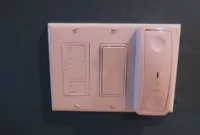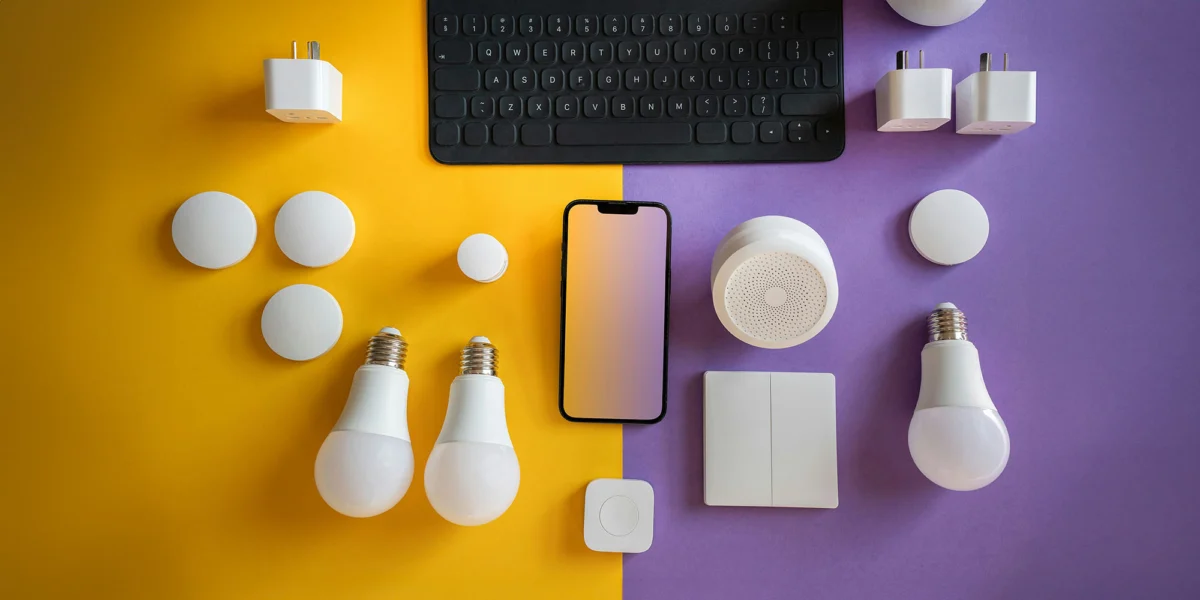
After more than a decade of living within an interconnected digital ecosystem, the prospect of relocating presents a unique challenge: the total reconstruction of a smart home architecture from the ground up. As the housing market signals a potential conclusion to a lengthy divestment process, the transition offers a rare opportunity to audit over 13 years of smart home evolution, moving from the experimental era of early HomeKit adoption to the current state of Matter-compliant, highly integrated residential automation.
The transition requires a strategic reassessment of hardware reliability, aesthetic integration, and the fundamental question of whether to remain within a closed-walled garden or migrate to an open-source automation framework.
A Chronology of Smart Home Evolution
The evolution of the smart home industry since 2013 has been marked by a shift from fragmented, proprietary protocols to more unified standards. In the early 2010s, early adopters faced significant hurdles regarding interoperability. Many devices operated on disparate radio frequencies—Zigbee, Z-Wave, and various proprietary Wi-Fi implementations—often requiring a collection of physical bridges to achieve basic functionality.
By 2017, the landscape had begun to stabilize with the maturation of Apple’s HomeKit framework. During that period, the focus was primarily on replicating traditional manual controls with automated counterparts. The integration of voice assistants, such as Siri, became the primary interface for users. Today, the industry is defined by the introduction of the Matter standard, a royalty-free connectivity protocol designed to ensure that devices from different manufacturers communicate seamlessly across platforms, representing a departure from the "bridge-heavy" era of the past.
Reimagining Lighting: Beyond Color
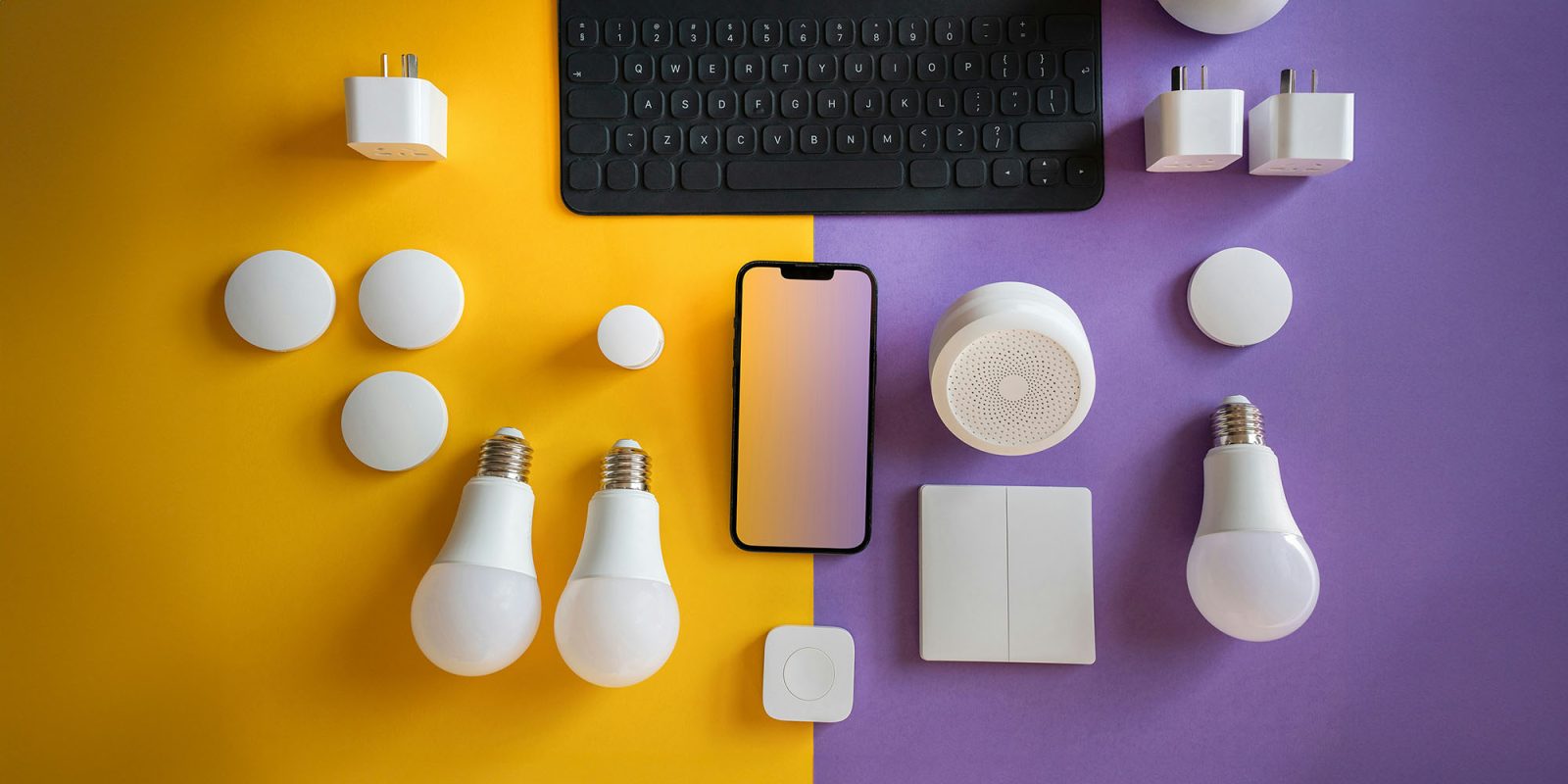
The integration of lighting remains the most contentious aspect of smart home design. Market research indicates that while color-capable LEDs have become commoditized, their utility is frequently debated. Industry data suggests that while high-end residential projects often prioritize "Human Centric Lighting" (HCL)—which adjusts color temperature based on the circadian rhythm—most residential consumers prioritize ambient mood settings.
In this next iteration, the strategy shifts toward a bifurcated lighting philosophy. High-traffic areas and functional workspaces will continue to utilize smart, color-capable fixtures to facilitate dynamic task lighting. However, there is a clear trend toward "architectural honesty" in residential design, where overhead lighting is restricted to high-CRI (Color Rendering Index) white light to maintain natural color accuracy, reserving color-changing capabilities for secondary accent lighting, such as floor lamps and LED strips. This approach acknowledges that "smart" does not necessarily mean "constant color," but rather "responsive environment."
The Transition to Presence Detection
One of the most significant technical upgrades available to modern homeowners is the shift from passive infrared (PIR) motion sensors to high-precision presence sensors, often utilizing mmWave (millimeter-wave) radar technology. Traditional PIR sensors are limited by the need for significant physical movement; if a user remains stationary at a desk or on a sofa, the sensors frequently fail, causing lights to power down unexpectedly.
Presence sensors, by contrast, detect micro-movements, including the respiration of a person sitting still. This enables a higher level of automation sophistication. By implementing these sensors, homeowners can achieve truly ambient computing, where the environment anticipates the user’s presence at a desk or in a chair without requiring explicit voice commands or manual switches.
Structural Considerations: Blinds and Minimalism
The architectural integration of smart technology requires a balance between functionality and physical aesthetics. Previous industry trends favored the extensive installation of motorized floor-to-ceiling blinds. However, long-term performance data suggests that these systems, particularly when spanning large surface areas, are prone to mechanical fatigue and synchronization issues.

The consensus among installers and long-term users is that motorized solutions should be limited to high-utility areas, such as bedrooms where automated morning routines (the "wake-up" sequence) provide tangible health and quality-of-life benefits. For living areas, current interior design trends favor a return to traditional manual, high-quality curtains. The mechanical complexity of automating dual-layer, blackout-translucent curtain systems often outweighs the convenience, leading to a "minimalist-first" approach that prioritizes system reliability over sheer automation volume.
Security and Infrastructure: The New Baseline
Modern smart home security has shifted from being an "add-on" to an integrated utility. A standard modern deployment now requires three pillars:
- Smart Access: Locks that support modern authentication protocols, specifically those compatible with Apple Home Key or equivalent NFC-based tap-to-unlock systems, replacing traditional physical keys.
- Visual Verification: Video doorbells that prioritize local processing and encrypted cloud storage, such as HomeKit Secure Video, to ensure user privacy.
- Control Interfaces: While voice control remains a primary input, physical smart switches remain essential for speed and accessibility. Industry experts note that the "five-second rule"—if a task takes longer than five seconds to execute via voice, it should have a physical button—remains the gold standard for smart home usability.
The Emerging Role of the Apple TV 4K
A notable development in this upcoming installation is the integration of an Apple TV 4K as a central smart home hub. This marks a significant shift for individuals who have historically eschewed traditional television sets. The emergence of ultra-short-throw (UST) laser projectors has made it possible to incorporate high-quality cinematic experiences into minimalist living spaces without the visual intrusion of a large, black-panel display. By pairing these projectors with the Apple TV, the device functions not just as a media player, but as a robust Thread border router and hub for the Matter ecosystem, anchoring the home’s automation logic.
Strategic Dilemma: HomeKit vs. Home Assistant
The most critical decision facing advanced users is the choice of the control platform. The "HomeKit" approach, defined by its strict adherence to Apple’s security and UI standards, offers a "plug-and-play" experience. It is the most stable and user-friendly path, backed by Apple’s extensive privacy guarantees.
Conversely, Home Assistant represents the "power user" path. It offers unprecedented control, enabling the integration of devices that are not officially supported by major ecosystems and allowing for complex, logic-based automations that transcend the limitations of the Home app. However, this level of control requires a significant time investment in configuration, debugging, and ongoing maintenance.

Analysis of current user communities suggests that Home Assistant is no longer just for developers; it has become a viable, albeit demanding, alternative for those who view home automation as a hobby rather than a utility. The decision to switch essentially boils down to a choice between "system stability" and "system potential."
Broader Implications for the Housing Market
The growing sophistication of smart homes has significant implications for real estate valuation. As seen in previous cycles, a well-integrated, "invisible" smart home—where the technology functions reliably without constant manual intervention—is increasingly viewed as a premium feature by prospective buyers.
However, the "13-year rule" remains a critical lesson: technology ages faster than architecture. The most successful smart home installations are those that prioritize standard, replaceable components (such as Matter-compliant switches and sensors) over proprietary, hard-wired systems that are difficult to upgrade. As the industry moves toward a more unified future, the goal for any homeowner remains the same: to build a system that enhances daily life through subtle, reliable automation, ensuring that the technology remains a servant to the environment, rather than a burden to its inhabitants.