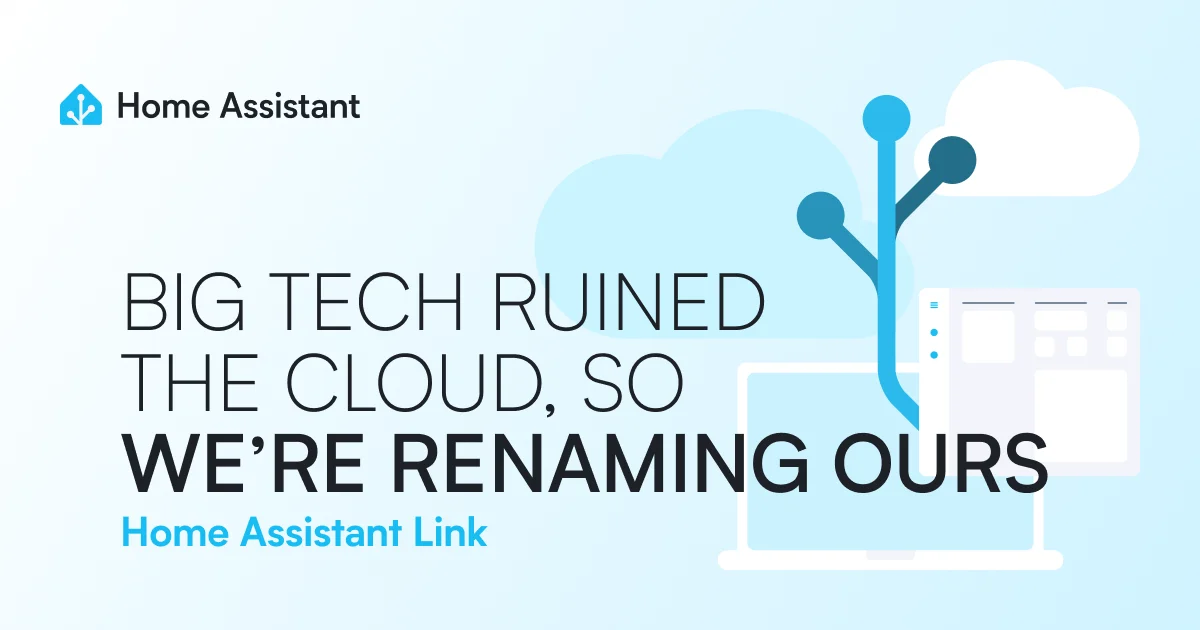
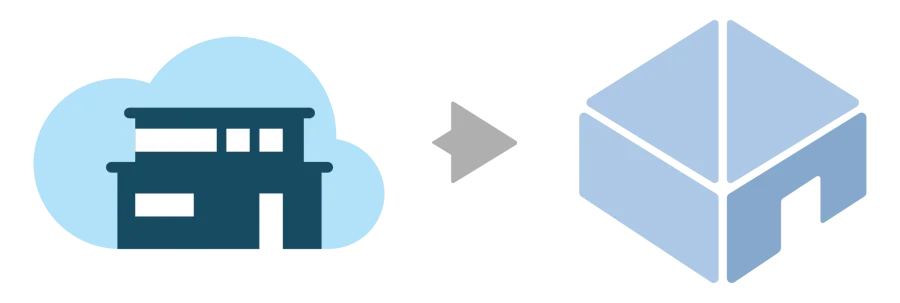
The commercial entity behind the popular open-source home automation platform Home Assistant, Nabu Casa, has officially announced that it is dropping the term "cloud" from its optional remote connectivity and auxiliary feature subscription. Moving forward, Home Assistant Cloud will be known as Home Assistant Link. The decision, spearheaded by Nabu Casa Vice President of Commercial Carl and supported by Open Home Foundation President Paulus, stems from a growing corporate consensus that the terminology surrounding cloud computing has been irreparably tarnished by Big Tech practices, including continuous subscription price hikes, unexpected service outages, invasive data harvesting, and hardware obsolescence.
The rebranding initiative, slated to become official with the December 2026.12 software release, highlights a broader philosophical schism within the consumer technology sector. While major technology conglomerates increasingly mandate persistent internet connectivity to operate basic smart home hardware—often turning expensive thermostats and security cameras into useless e-waste the moment corporate support is dropped—Nabu Casa’s alternative service model remains strictly optional. Under the newly christened Home Assistant Link, users retain full local control over their automation networks, ensuring that lights, locks, and sensors continue to function independently of any external web service or subscription status.
Background Context and the Evolution of Nabu Casa
Home Assistant originated as a grassroots passion project maintained by core developers working nights and weekends alongside their full-time professions. Recognizing the high risk of burnout inherent in such a demanding development model, the founders established Nabu Casa in 2018. The primary mandate of the commercial partner was twofold: to develop user-friendly, highly optimized hardware solutions for the community and to operate an optional subscription service that could permanently fund the ongoing development of the open-source platform.
Over the years, the subscription model evolved to prioritize sustainability without imposing restrictive walled gardens on its user base. A significant majority of the profits generated through subscriptions are funneled directly into the Open Home Foundation. This non-profit entity financially supports both salaried developers and dedicated volunteers, transforming Home Assistant from a fragile hobbyist endeavor into a robust, long-lasting ecosystem capable of competing with proprietary commercial offerings.
Despite the success of the subscription tier, the nomenclature presented persistent messaging conflicts. Executives frequently found themselves on conference stages delivering keynotes advising consumers against purchasing smart home products that rely on mandatory cloud integration, only to immediately spend time clarifying why their own service—bearing the word "cloud" in its title—was fundamentally different. Furthermore, new users frequently misunderstood the original naming convention, mistakenly believing that Home Assistant Cloud required hosting their entire home automation server on a remote, centralized server infrastructure rather than running it locally on dedicated hardware inside their own residences.
Comparative Analysis: Link Versus Big Tech Cloud Infrastructure
To contextualize the rebranding and emphasize its foundational principles, industry analysts and company representatives have drawn a stark contrast between standard commercial cloud services and the newly renamed Home Assistant Link. The operational differences center on four core pillars: dependency, platform lock-in, data privacy, and financial distribution.
| Feature | Home Assistant Link | Big Tech Cloud Ecosystem |
|---|---|---|
| Operational Dependency | Optional: Smart home networks operate entirely without it, maintaining local control over all local devices and physical switches. | Required: Essential features, device configurations, and remote access fail entirely without continuous online connectivity. |
| Ecosystem Lock-In | None: Users can freely choose to use the service, opt for alternative community solutions, or run entirely self-hosted pipelines without penalty. | Walled Garden: Users are bound strictly to a single corporate provider, leaving them vulnerable to sudden price increases and unannounced server outages. |
| Data Privacy | Private: User data remains strictly encrypted with keys held exclusively by the end user; zero monetization or third-party sharing. | Monetized: Users and their personal usage patterns serve as the product, fueling targeted advertising, machine learning models, and data broker sales. |
| Financial Beneficiaries | Non-Profit: Majority subscription profits fund the Open Home Foundation, championing digital privacy, sustainability, and open-source development. | Shareholders: Capital flows primarily toward corporate dividends, debt restructuring, executive compensation, and investor returns. |
Technical Enhancements and Modernization
Alongside the brand transition, Nabu Casa has rolled out substantial backend infrastructure updates designed to optimize performance, enhance security, and streamline user onboarding. Recent platform releases have introduced a redesigned account management portal, simplified settings menus featuring intuitive setup wizards, and experimental speech-to-text processing environments hosted via specialized Labs tests.
On the architectural front, the underlying infrastructure has migrated to a high-speed bare-metal server network engineered to dynamically route remote access requests through the geographically closest available access point. This technical overhaul has yielded significant improvements in latency and connection responsiveness, while simultaneously enabling advanced security protocols and modernized account administration tools. Additionally, the service continues to facilitate complex integrations—such as linking local installations with major voice assistants like Amazon Alexa and Google Home—without requiring users to manually configure intricate reverse proxies or networking certificates.
Chronology of the Rebranding Transition
- 2018: Nabu Casa is founded, and Home Assistant Cloud is launched to provide sustainable funding for open-source development and simplify remote access.
- August–September 2026: Nabu Casa rolls out updated platform settings, streamlined setup wizards, speech-to-text processing tests, and high-performance bare-metal backend infrastructure updates.
- October 2026: The official announcement is made public, detailing the shift from Home Assistant Cloud to Home Assistant Link and outlining community feedback channels.
- December 2026 (Scheduled): The formal implementation of the "Home Assistant Link" nomenclature takes effect with the rollout of the 2026.12 core software release.
Broader Industry Implications and Community Response
The decision by Nabu Casa to distance itself from the vocabulary of corporate cloud computing reflects a broader consumer fatigue regarding forced subscriptions and digital obsolescence. As major consumer electronics manufacturers increasingly deprecate older hardware generations—rendering functional appliances useless through software updates or server shutdowns—the open-source community has positioned itself as an outspoken advocate for digital longevity and user autonomy.
By opening the proposed renaming process to public commentary ahead of the December 2026.12 release, Nabu Casa continues its tradition of community-driven governance. While the subscription service remains entirely optional—allowing users to bypass the fee structure entirely while still utilizing the core platform locally—the voluntary contributions collected through Home Assistant Link serve as a vital economic engine for the Open Home Foundation. Ultimately, the transition underscores a growing market demand for technology that respects privacy, resists artificial obsolescence, and answers exclusively to the individuals who own and operate it.